London’s black cabs are integral to the city’s identity, but a new arrival could soon see the loss of these cars and a change to the capital’s streets forever.
The US tech giant Waymo has announced plans to launch its fully driverless taxi service in London by 2026, as part of a government-backed pilot scheme under its Plan for Change.
The rollout would mark the taxis first arrival into Europe, following successful trials in US cities like San Francisco, Phoenix, Los Angeles, and Atlanta.
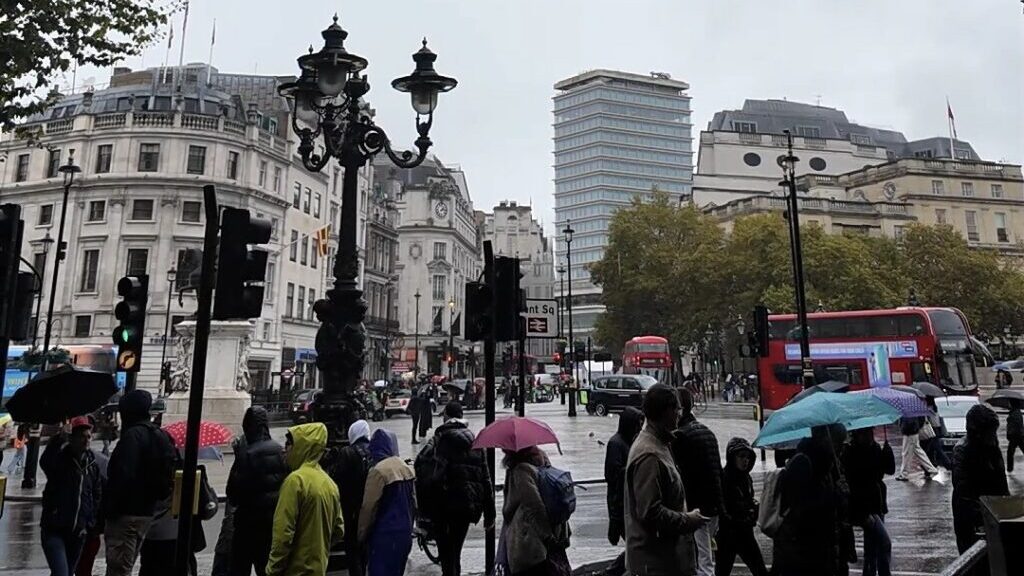
Taxis currently fill the streets of central London.
The announcement has sparked excitement in the tech world and concern on the streets of London.
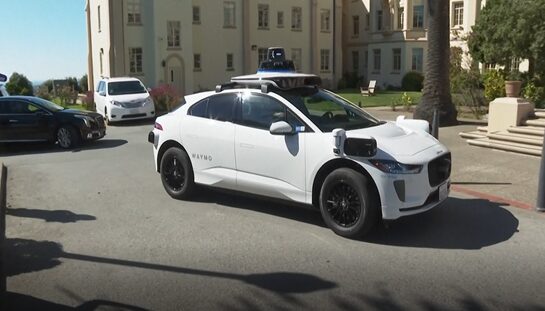
A Waymo driverless taxi in San Francisco. CREDIT: AP
The chief executive of Waymo, Tekedra Mawakana has said: “We’re thrilled to bring the reliability, safety and magic of Waymo to Londoners”.
While Waymo has provided more than 10 million paid rides in the US according to their statistics, the public are divided on whether London’s notoriously busy and unpredictable roads are ready for self-driving cars.
Beyond questions of safety, much of the debate centres on what driverless taxis could mean for London’s iconic cab trade.
There are over 16,000 licensed taxi drivers in the city whose jobs may be uncertain following the imminent arrival of these robotaxis.
The Department for Transport argues that self-driving technology could make travel more accessible, particularly for those living in rural areas.
The Transport Secretary Heidi Alexander said she was “delighted that Waymo intends to bring their services to London next year”.
With Waymo insisting that they are able to responsibly scale their driverless cars to London, test vehicles are expected to appear on London roads in the following months, collecting data and assessing safety as they move around the city’s complex layout.
Submitted Article
Headline
Short Headline
Standfirst
Published Article
HeadlineLondon Could Lose its Iconic Black Cabs to New Robotaxis
Short HeadlineLondon Could Lose its Iconic Black Cabs to New Robotaxis
StandfirstThe driverless taxis are expected to arrive on London's streets in 2026.
London’s black cabs are integral to the city’s identity, but a new arrival could soon see the loss of these cars and a change to the capital’s streets forever.
The US tech giant Waymo has announced plans to launch its fully driverless taxi service in London by 2026, as part of a government-backed pilot scheme under its Plan for Change.
The rollout would mark the taxis first arrival into Europe, following successful trials in US cities like San Francisco, Phoenix, Los Angeles, and Atlanta.
Taxis currently fill the streets of central London.
The announcement has sparked excitement in the tech world and concern on the streets of London.
A Waymo driverless taxi in San Francisco. CREDIT: AP
The chief executive of Waymo, Tekedra Mawakana has said: “We’re thrilled to bring the reliability, safety and magic of Waymo to Londoners”.
While Waymo has provided more than 10 million paid rides in the US according to their statistics, the public are divided on whether London’s notoriously busy and unpredictable roads are ready for self-driving cars.
Beyond questions of safety, much of the debate centres on what driverless taxis could mean for London’s iconic cab trade.
There are over 16,000 licensed taxi drivers in the city whose jobs may be uncertain following the imminent arrival of these robotaxis.
The Department for Transport argues that self-driving technology could make travel more accessible, particularly for those living in rural areas.
The Transport Secretary Heidi Alexander said she was “delighted that Waymo intends to bring their services to London next year”.
With Waymo insisting that they are able to responsibly scale their driverless cars to London, test vehicles are expected to appear on London roads in the following months, collecting data and assessing safety as they move around the city’s complex layout.
A 2024 Freedom of Information request showed Bromley Council had £4.5 million invested in arms companies that year with £1.5 million reportedly linked to Israel.
Undercover officers raided three linked shops in Barking town centre, revealing how illicit tobacco is being hidden in walls, ceilings and nearby locations to evade detection.
More than 330,000 people across the UK sought support from the Stop It Now helpline in 2025 over concerns about their own or someone else’s online sexual behaviour towards children, according to new charity data. The anonymous service says contacts by phone, email and webchat rose significantly over the year.