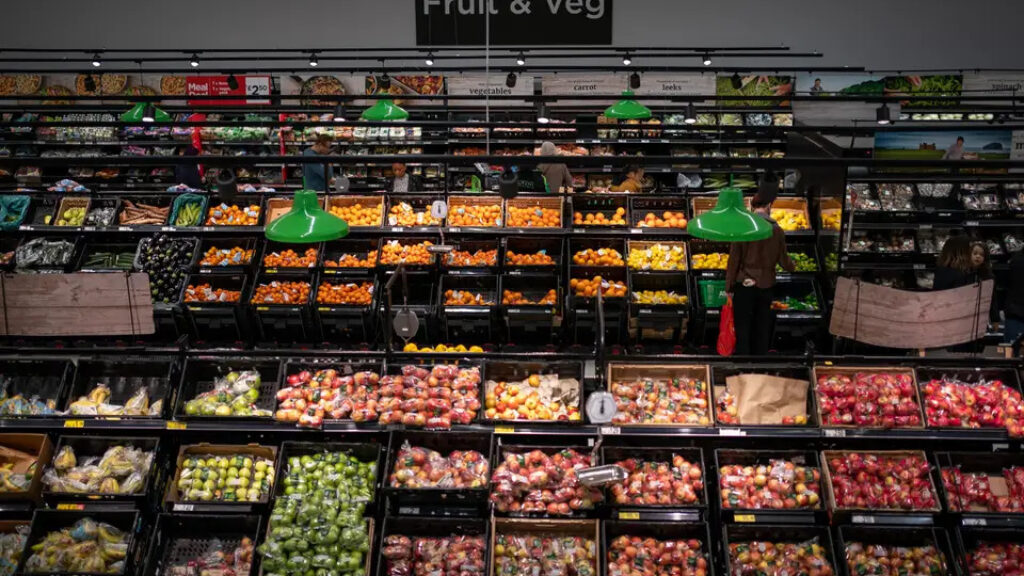
Could the war in the middle east affect the prices you pay at the shop? High oil prices and shipping disruptions may have a knock-on effect on the food Londoners buy.
The Middle East produces 30% of the world’s oil and with the Iranians targeting tankers and threatening to cut off the Strait of Hormuz, a vital waterway through which much of the world’s oil flows, prices have skyrocketed.
At the time of writing brent crude is hovering around $80 a barrel and some analysts suggest it could even hit $100 if disruption continues.
Volatility in the global oil markets could see a spike in food inflation for consumers as higher oil prices will affect transport costs. Fruit from agricultural regions like Spain and Morocco has to be flown or shipped into the UK, as oil prices increase so does the price of fuelling these transport networks.
Oil is also vital for the packaging of products. Bags and wrapping, necessary for keeping foodstuffs fresh, are commonly made of plastic, a petroleum product.
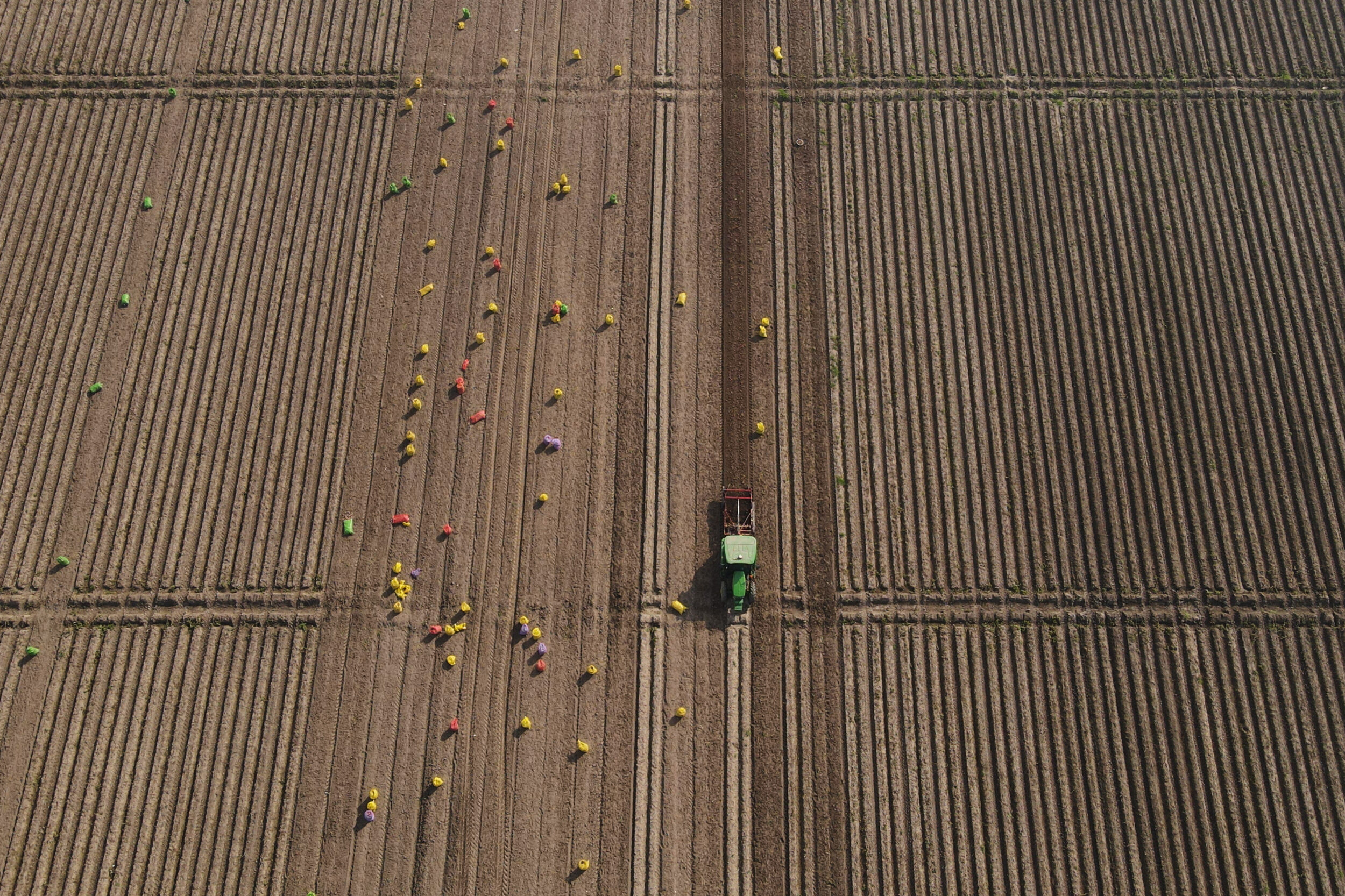
At the other end of the supply chain, oil is even important for agricultural production. Tractors and agricultural machinery are reliant on oil and it can also form an important ingredient in many fertilisers.
Credit: AP/Piyush Nagpal
These costs are usually passed on to consumers and in London, the most expensive city in the UK, even a small spike in prices could make putting food on the table a struggle.
On Monday, the world’s largest producer of liquified natural gas (LNG), QatarEnergy announced it was ceasing production. The move followed Iranian drone attacks on Saudi Arabia’s Ras Tanura oil refinery and attacks on oil tankers in region. The disruption to one of the world’s largest energy markets has sparked comparisons with the energy crisis of 2022.
The Russian invasion of Ukraine caused an inflationary price shock as Europeans were cut off from their major supplier of oil and gas. As the price of oil spiked to over $100 a barrel transport costs soared and the UK as a net importer saw food inflation reach historic highs of 19%.
The effects of this price shock continue to be felt. According to Dr Gabriele Vecchio from the London School of Economics beef prices in particular have likely risen around 50% over the last three years.
But food prices are unlikely to rise immediately.
Data from the Office for National Statistics (ONS) shows food price inflation did not peak until April 2023 at a time when oil prices had already reached their peak of $122 per barrel back in June 2022 and were by then gradually falling.
It may be months before prices rise and much will depend on the duration of the current conflict in the Gulf. A quick conflict lasting a few days could be less damaging to global prices than one, as US President Donald Trump indicated, that last for several weeks.
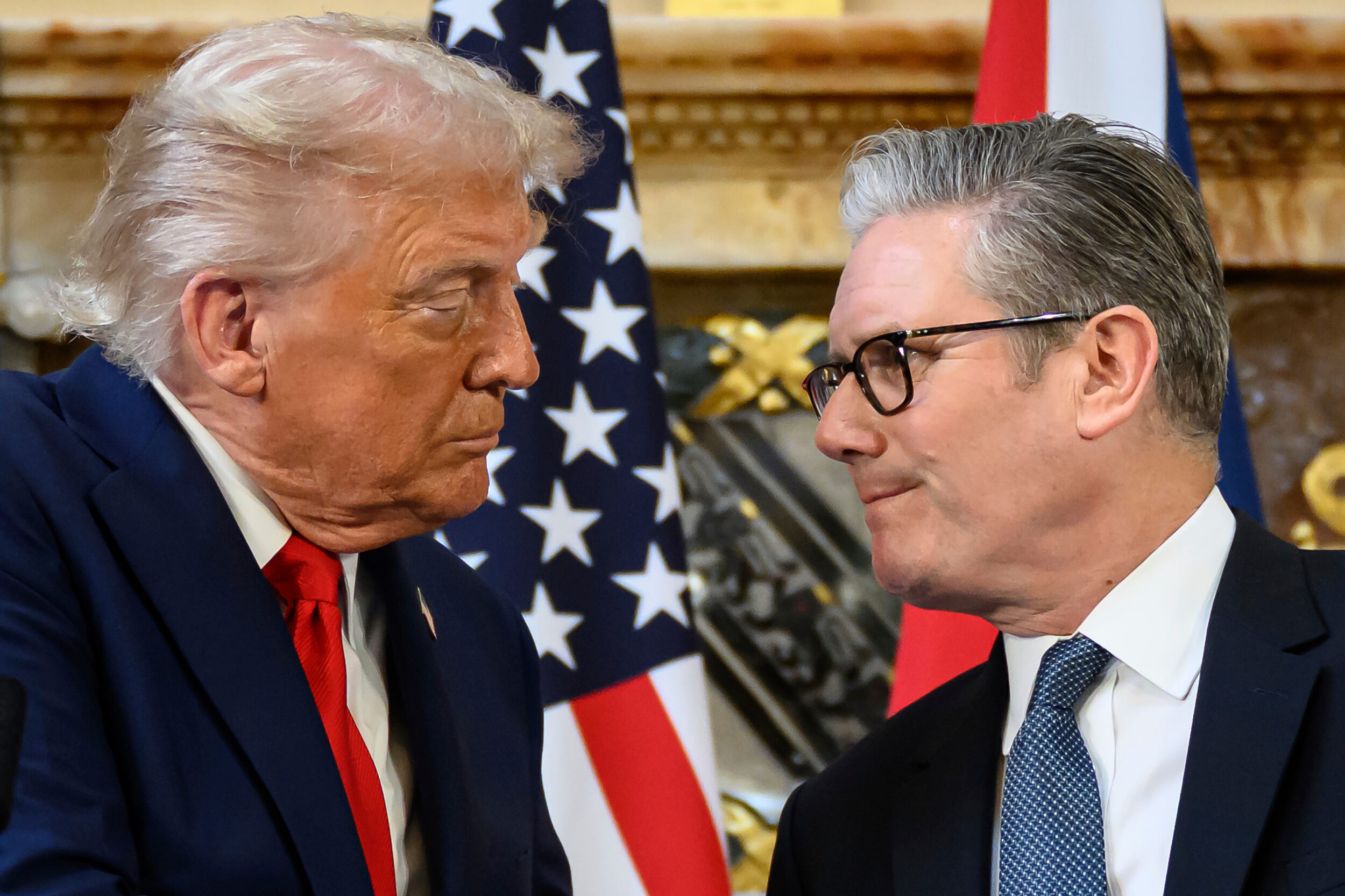
U.S. President Donald Trump, left, and British Prime Minister Keir Starmer look at each other as they shake hands during a press conference.
According to insurance firm WeCovr, food prices in London and the South East are already on average higher than the rest of the country.
The risk of a sudden inflationary shock to Londoners’ grocery bills may make costs unbearable in the capital.
Submitted Article
Headline
Short Headline
Standfirst
Published Article
HeadlineHow the conflict in the Middle East could affect your grocery bill
Short HeadlineHow will the conflict in the Middle East affect your food shop?
StandfirstThe risk of a sudden inflationary shock to Londoners’ grocery bills may make costs unbearable in the capital.
Could the war in the middle east affect the prices you pay at the shop? High oil prices and shipping disruptions may have a knock-on effect on the food Londoners buy.
The Middle East produces 30% of the world’s oil and with the Iranians targeting tankers and threatening to cut off the Strait of Hormuz, a vital waterway through which much of the world’s oil flows, prices have skyrocketed.
At the time of writing brent crude is hovering around $80 a barrel and some analysts suggest it could even hit $100 if disruption continues.
Volatility in the global oil markets could see a spike in food inflation for consumers as higher oil prices will affect transport costs. Fruit from agricultural regions like Spain and Morocco has to be flown or shipped into the UK, as oil prices increase so does the price of fuelling these transport networks.
Oil is also vital for the packaging of products. Bags and wrapping, necessary for keeping foodstuffs fresh, are commonly made of plastic, a petroleum product.
At the other end of the supply chain, oil is even important for agricultural production. Tractors and agricultural machinery are reliant on oil and it can also form an important ingredient in many fertilisers.
Credit: AP/Piyush Nagpal
These costs are usually passed on to consumers and in London, the most expensive city in the UK, even a small spike in prices could make putting food on the table a struggle.
On Monday, the world’s largest producer of liquified natural gas (LNG), QatarEnergy announced it was ceasing production. The move followed Iranian drone attacks on Saudi Arabia’s Ras Tanura oil refinery and attacks on oil tankers in region. The disruption to one of the world’s largest energy markets has sparked comparisons with the energy crisis of 2022.
The Russian invasion of Ukraine caused an inflationary price shock as Europeans were cut off from their major supplier of oil and gas. As the price of oil spiked to over $100 a barrel transport costs soared and the UK as a net importer saw food inflation reach historic highs of 19%.
The effects of this price shock continue to be felt. According to Dr Gabriele Vecchio from the London School of Economics beef prices in particular have likely risen around 50% over the last three years.
But food prices are unlikely to rise immediately.
Data from the Office for National Statistics (ONS) shows food price inflation did not peak until April 2023 at a time when oil prices had already reached their peak of $122 per barrel back in June 2022 and were by then gradually falling.
It may be months before prices rise and much will depend on the duration of the current conflict in the Gulf. A quick conflict lasting a few days could be less damaging to global prices than one, as US President Donald Trump indicated, that last for several weeks.
U.S. President Donald Trump, left, and British Prime Minister Keir Starmer look at each other as they shake hands during a press conference.
According to insurance firm WeCovr, food prices in London and the South East are already on average higher than the rest of the country.
The risk of a sudden inflationary shock to Londoners’ grocery bills may make costs unbearable in the capital.
As the weather turns, City News has spoken to a long-term rough sleeper to see how those on the street feel about Andy Burnham’s plan to end homelessness and the upcoming winter.