It might seem like everyone around you is planning Halloween costumes, carving pumpkins and counting down to Christmas, but beneath the sparkle, many are struggling to cope.
Have you ever noticed that in winter, you feel down in the dumps? Well, you’re not alone and it’s not just in your head. Around two million Brits suffer from Seasonal Affective Disorder (SAD) every year – a type of depression triggered by the changing seasons.
With the clocks going back last weekend, the days are getting shorter and the skies are getting darker – it’s no surprise that our mood takes a hit.
This year, the clocks turned back on Sunday 26th October.
So, what actually causes it? Experts say SAD is triggered by a lack of sunlight, which disrupts the hormones that regulate our mood and sleep, including serotonin, melatonin and the body’s internal clock.
In the UK, daylight hours vary dramatically and the effects can be even stronger. In winter, the UK gets just seven hours of sunlight a day, compared with sixteen in the summer.
It’s not just the cold weather and dark skies making things worse. winter brings real pressures of rising bills and worries about simply affording to keep the heating on.
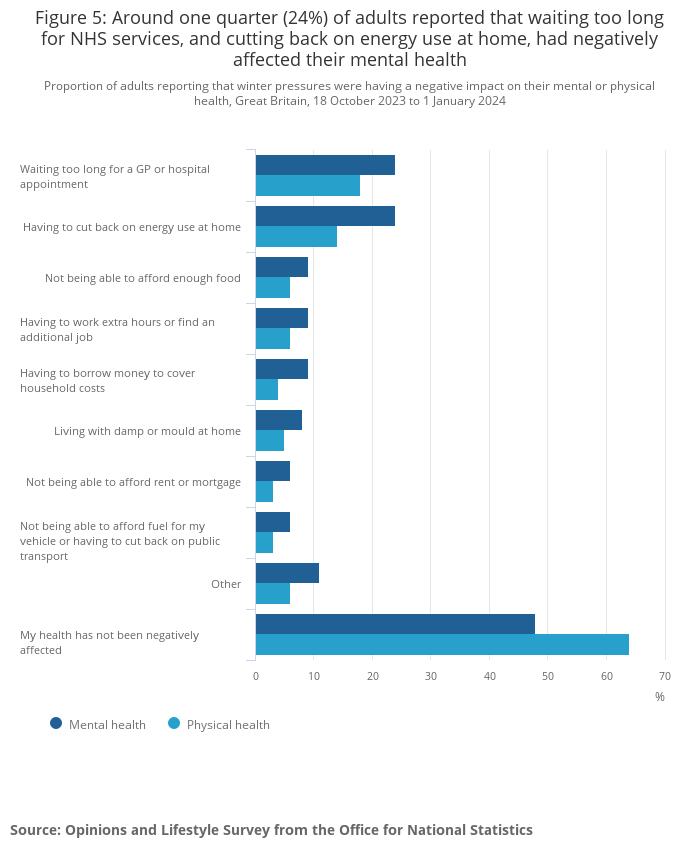
A report by the NHS found that around a quarter of adults say that energy costs have harmed their mental health, while an Office for National Statistics study showed that cutting back on energy use and waiting for NHS treatments worsened wellbeing for a similar number.
The Office for National Statistics show how winter can negatively effect mental health.
The capital already has some of the highest rates of mental health issues in the country.
According to Hestia’s 2025 Mental Health Index, 58% of Londoners have experienced three or more symptoms of poor mental health in the past year up from 49% in 2024. Combine that with the city’s long commutes and low daylight hours, and it’s easy to see why the city feels so drained.
While the numbers might make low moods seem inevitable, there are ways to ease symptoms of SAD. Making the most of daylight and tweaking your daily routine can help, whether that’s grabbing lunch outside or waking up a little earlier to catch the morning sun.
Of course, that’s easier said than done for Londoners commuting before sunrise and returning long after sunset.
Mental health charity Mind recommends a range of solutions to combat SAD. These range from their “fairy-lights antidote” of putting up festive decorations earlier in the season, to more medical approaches such as light therapy.
Since a lack of sunlight lowers serotonin levels, scientists are testing whether special lamps which produce ‘false sunlight’ can help too. Most SAD lamps emit around 10,000 lux, roughly twenty times brighter than standard indoor lights. New gadgets like sunlight alarm clocks can even simulate dawn, gradually increasing light levels up to 90 minutes before you wake up, helping your body ease into the day more naturally.
Umbrellas are out as the weather takes a turn.
Seasonal depression makes winter feel endless, but experts agree that small changes can make a big difference.
For a city that rarely slows down, it’s easy to forget how much extra support we might need to get through the darker months.
So, whether it’s a morning walk, a light therapy lamp, or a simple chat with a friend, there are ways to bring some light back into London’s long winter ahead.
This is a developing story, we will bring you more details as they come. Please refresh the page to update.
HeadlineLondoners in Distress as the Clocks Turn Back
Short HeadlineLondoners in Distress as the Clocks Turn Back
StandfirstThe capital’s mood is dipping with the temperature. But what exactly is seasonal depression and how can you fight it?
It might seem like everyone around you is planning Halloween costumes, carving pumpkins and counting down to Christmas, but beneath the sparkle, many are struggling to cope.
Have you ever noticed that in winter, you feel down in the dumps? Well, you’re not alone and it’s not just in your head. Around two million Brits suffer from Seasonal Affective Disorder (SAD) every year – a type of depression triggered by the changing seasons.
With the clocks going back last weekend, the days are getting shorter and the skies are getting darker – it’s no surprise that our mood takes a hit.
This year, the clocks turned back on Sunday 26th October.
So, what actually causes it? Experts say SAD is triggered by a lack of sunlight, which disrupts the hormones that regulate our mood and sleep, including serotonin, melatonin and the body’s internal clock.
In the UK, daylight hours vary dramatically and the effects can be even stronger. In winter, the UK gets just seven hours of sunlight a day, compared with sixteen in the summer.
It’s not just the cold weather and dark skies making things worse. winter brings real pressures of rising bills and worries about simply affording to keep the heating on.
A report by the NHS found that around a quarter of adults say that energy costs have harmed their mental health, while an Office for National Statistics study showed that cutting back on energy use and waiting for NHS treatments worsened wellbeing for a similar number.
The Office for National Statistics show how winter can negatively effect mental health.
The capital already has some of the highest rates of mental health issues in the country.
According to Hestia’s 2025 Mental Health Index, 58% of Londoners have experienced three or more symptoms of poor mental health in the past year up from 49% in 2024. Combine that with the city’s long commutes and low daylight hours, and it’s easy to see why the city feels so drained.
While the numbers might make low moods seem inevitable, there are ways to ease symptoms of SAD. Making the most of daylight and tweaking your daily routine can help, whether that’s grabbing lunch outside or waking up a little earlier to catch the morning sun.
Of course, that’s easier said than done for Londoners commuting before sunrise and returning long after sunset.
Mental health charity Mind recommends a range of solutions to combat SAD. These range from their “fairy-lights antidote” of putting up festive decorations earlier in the season, to more medical approaches such as light therapy.
Since a lack of sunlight lowers serotonin levels, scientists are testing whether special lamps which produce ‘false sunlight’ can help too. Most SAD lamps emit around 10,000 lux, roughly twenty times brighter than standard indoor lights. New gadgets like sunlight alarm clocks can even simulate dawn, gradually increasing light levels up to 90 minutes before you wake up, helping your body ease into the day more naturally.
Umbrellas are out as the weather takes a turn.
Seasonal depression makes winter feel endless, but experts agree that small changes can make a big difference.
For a city that rarely slows down, it’s easy to forget how much extra support we might need to get through the darker months.
So, whether it’s a morning walk, a light therapy lamp, or a simple chat with a friend, there are ways to bring some light back into London’s long winter ahead.
City news has spoken to a long-term rough sleeper to see how those on the street feel about the Andy Burham’s plan to end homelessness and the upcoming winter.