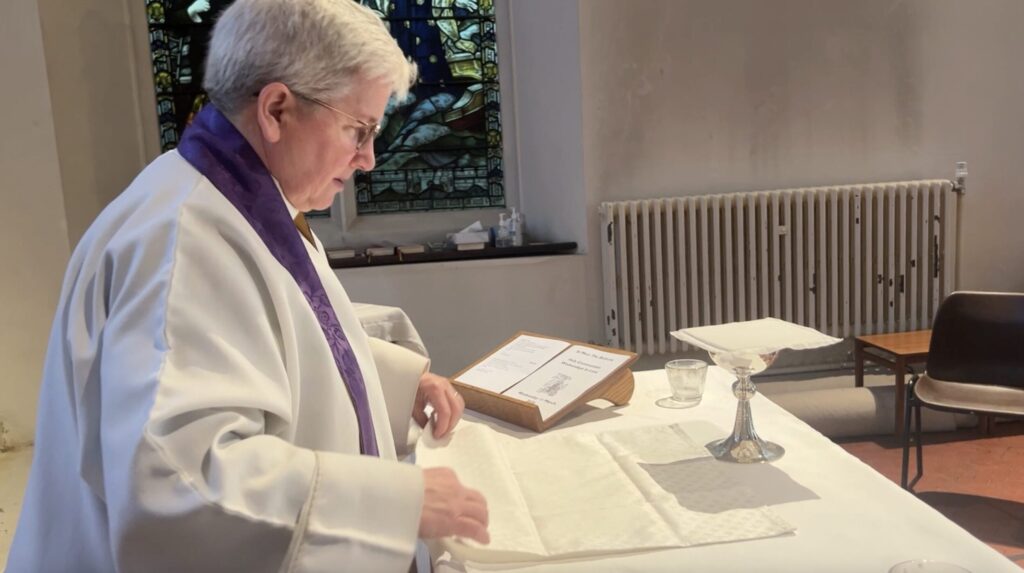
On 12 March 1994 the first women were ordained as priests in the Church of England. Vicar Reverend Jenny Welsh, in Chelsea, revealed to City News how things have changed in the three decades since.
When Vicar Reverend Jenny Welsh first started serving, “there was a sense that women were very much an oddity. There were not many women in paid positions and were often very part time or were unpaid clergy.”
“Nine years ago, there were probably four women in our area (which stretches from Chelsea to Heathrow) who were running their own churches, and I was one of them. Now there are probably 20.”
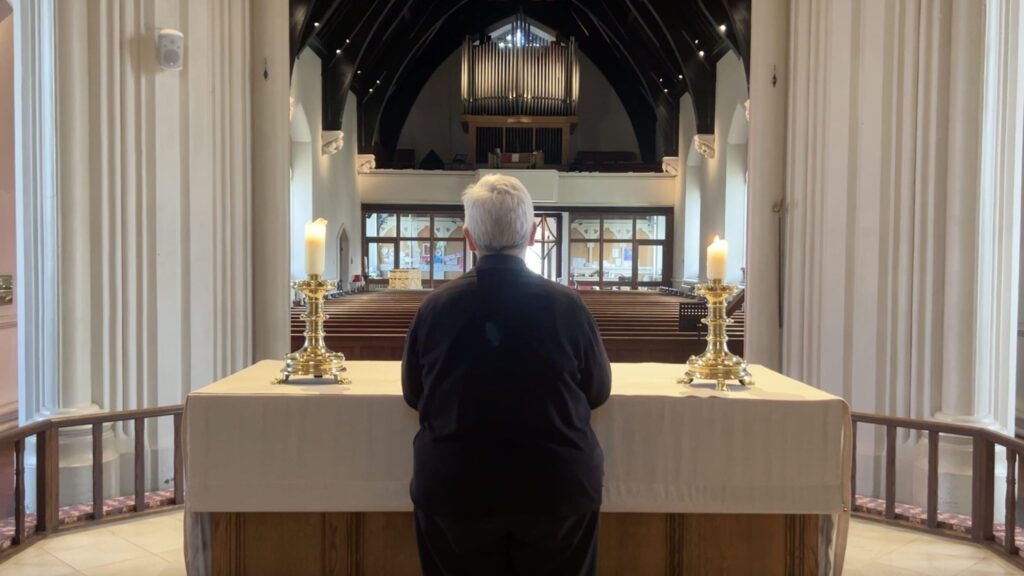
Inside the Parish Church of St. Mary the Boltons
While the growth of clergywomen in London is significant, nationally women make up roughly a third of female priests, yet in the capital this figure drops to less than a fifth.
Madeline Davies, a senior writer for The Church Times says London has a higher percentage of people who do not believe in the ordination of women compared to the rest of the country .
“They might be traditionalists or conservative evangelicals… and would not have a woman priest,” she said.
Women and the Church is a national organization which seeks to promote gender equality in the Church of England. Their data-base of gender discrimination finds that 80 London churches have passed resolutions which restrict women’s role within their organisation.
Some of the most notable include All Souls, Langham Place and St Helen’s Church, Bishopsgate.
Women and the Church fear that each year more and more clergy are appointed who actively restrict women’s leadership. They seek to end gender inequality in the Church of England by putting pressure on institutions which prevent women from applying to be vicars, and who say “no” to female bishops.
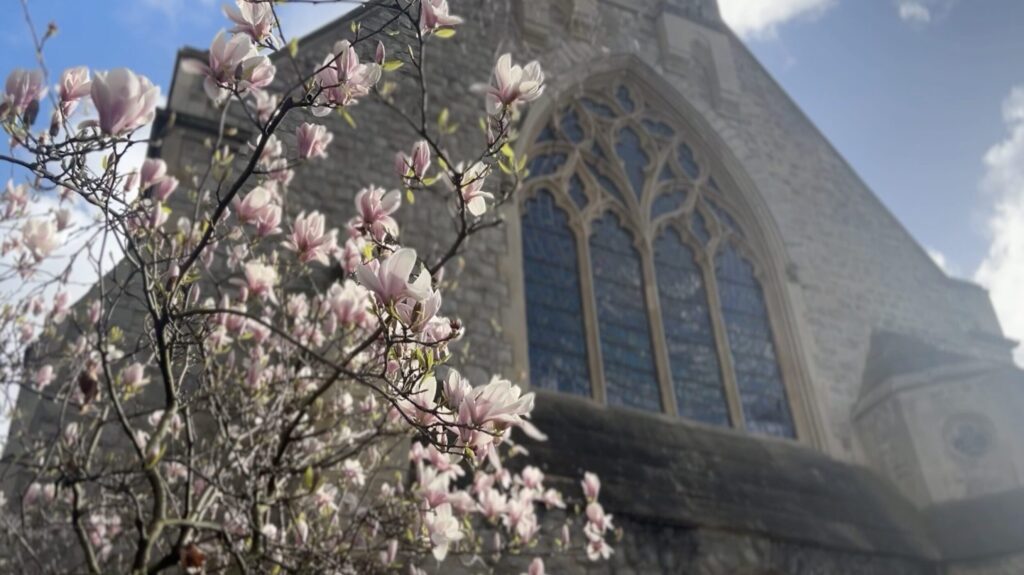
The Parish Church of St. Mary the Boltons
Despite barriers, women have successfully progressed through the Church – the first female Archbishop of Canterbury, Dame Sarah Mullally was confirmed earlier this year here in London. She promised to use her power as Archbishop to speak out against misogyny within the Church.
32 years after the ordination of the first women priest, equality is still a work in progress, but the presence of women like Vicar Reverend Jenny Welsh continues to grow.
Submitted Article
Headline
Short Headline
Standfirst
Published Article
HeadlineIt may be lent, but women priests aren’t giving up on equality
Short HeadlineFemale Priests Are Still Fighting Against Discrimination
StandfirstHow has priesthood for women changed in the 32 years since they were first ordained to the clergy?
On 12 March 1994 the first women were ordained as priests in the Church of England. Vicar Reverend Jenny Welsh, in Chelsea, revealed to City News how things have changed in the three decades since.
When Vicar Reverend Jenny Welsh first started serving, “there was a sense that women were very much an oddity. There were not many women in paid positions and were often very part time or were unpaid clergy.”
“Nine years ago, there were probably four women in our area (which stretches from Chelsea to Heathrow) who were running their own churches, and I was one of them. Now there are probably 20.”
Inside the Parish Church of St. Mary the Boltons
While the growth of clergywomen in London is significant, nationally women make up roughly a third of female priests, yet in the capital this figure drops to less than a fifth.
Madeline Davies, a senior writer for The Church Times says London has a higher percentage of people who do not believe in the ordination of women compared to the rest of the country .
“They might be traditionalists or conservative evangelicals… and would not have a woman priest,” she said.
Women and the Church is a national organization which seeks to promote gender equality in the Church of England. Their data-base of gender discrimination finds that 80 London churches have passed resolutions which restrict women’s role within their organisation.
Some of the most notable include All Souls, Langham Place and St Helen’s Church, Bishopsgate.
Women and the Church fear that each year more and more clergy are appointed who actively restrict women’s leadership. They seek to end gender inequality in the Church of England by putting pressure on institutions which prevent women from applying to be vicars, and who say “no” to female bishops.
The Parish Church of St. Mary the Boltons
Despite barriers, women have successfully progressed through the Church – the first female Archbishop of Canterbury, Dame Sarah Mullally was confirmed earlier this year here in London. She promised to use her power as Archbishop to speak out against misogyny within the Church.
32 years after the ordination of the first women priest, equality is still a work in progress, but the presence of women like Vicar Reverend Jenny Welsh continues to grow.
A 2024 Freedom of Information request showed Bromley Council had £4.5 million invested in arms companies that year with £1.5 million reportedly linked to Israel.
Undercover officers raided three linked shops in Barking town centre, revealing how illicit tobacco is being hidden in walls, ceilings and nearby locations to evade detection.
More than 330,000 people across the UK sought support from the Stop It Now helpline in 2025 over concerns about their own or someone else’s online sexual behaviour towards children, according to new charity data. The anonymous service says contacts by phone, email and webchat rose significantly over the year.