The “biggest ever shock” to the oil market is now being felt on London forecourts, where soaring petrol and diesel prices are squeezing drivers and punishing those who depend on their vehicles for a living
London petrol prices have hit a 20-month high after disruption in one of the world’s most crucial oil shipping routes sent shockwaves through the market.
Since US strikes on Iran on 28 February, UK petrol prices have risen by 6.13p a litre, while diesel has shot up by 12.47p.
At one Chelsea petrol station on Tuesday, unleaded reached 238.7p a litre, with diesel climbing to a staggering 264.9p.
For Londoners who drive for a living, the surge is hitting especially hard.
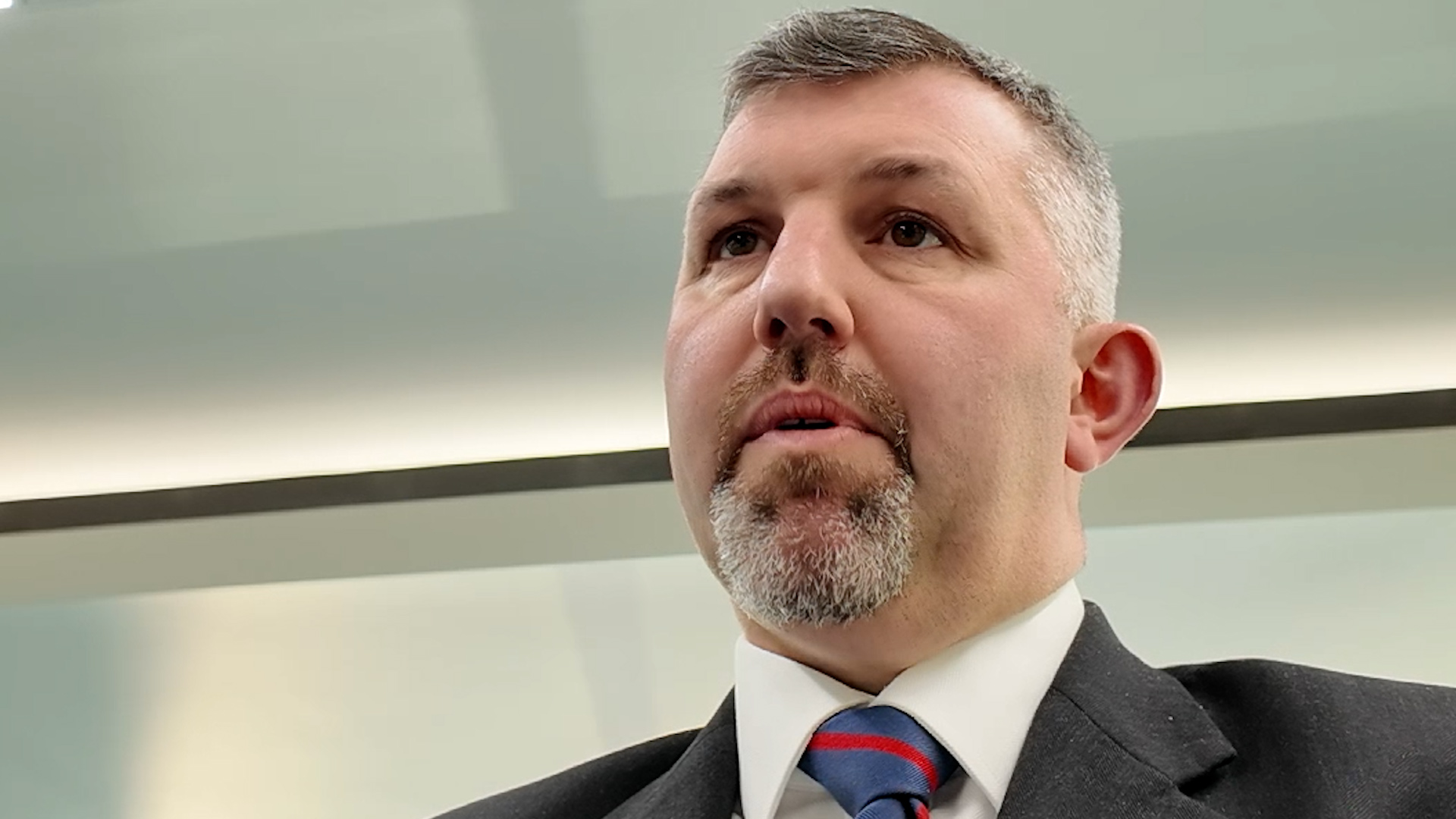
Henry Korecki, who runs Henry’s Vans in south-east London, says the spike is piling pressure on those already struggling with the cost of doing business.
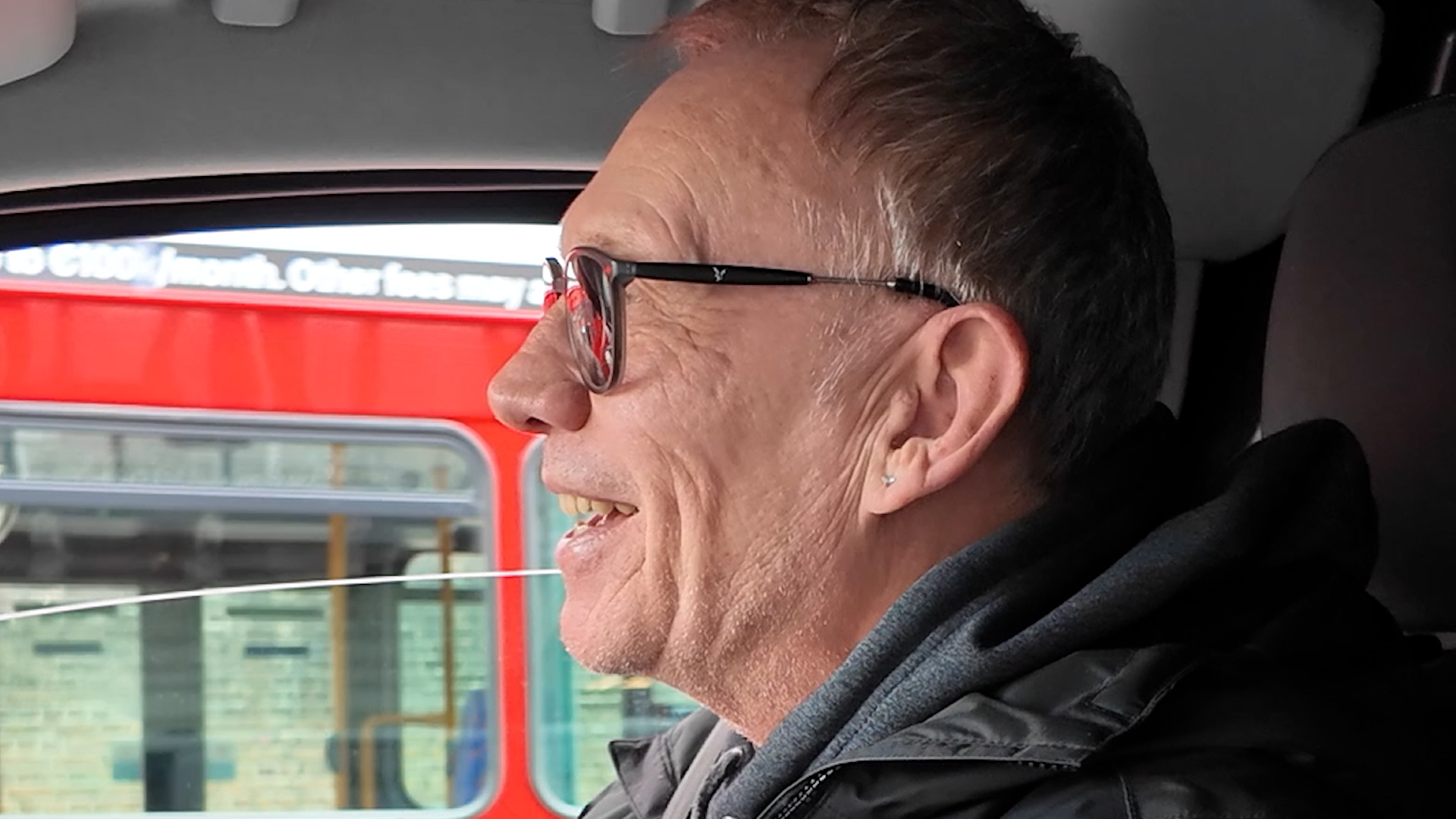
Henry Korecki [Credit: Maya Wolsey]For short trips and loyal customers, Henry says he will swallow the extra fuel cost himself.
“I think, just in fairness to the returning clients I’ve got, I’ll try to absorb the cost. I’ll give it at least a month.”
But for longer hauls, he is looking at hiking his mileage rate from 15p to 20p a mile, meaning customers will have to pick up the difference.
Credit: AP
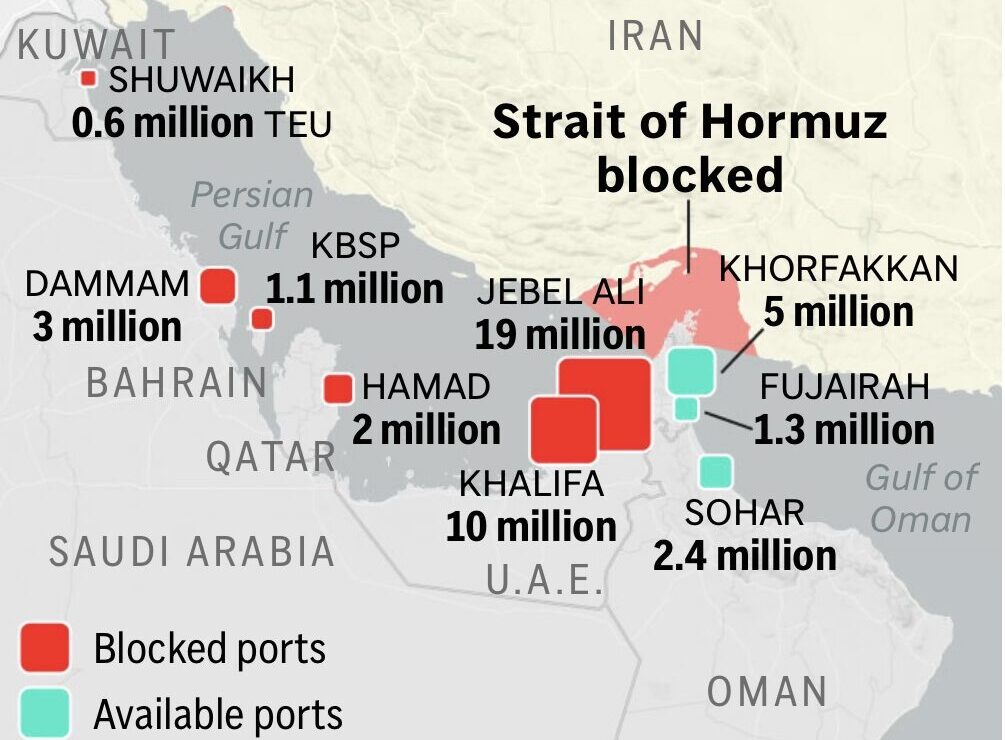
The Strait of Hormuz, the world’s busiest oil chokepoint, has become the front line in the conflict between Iran and the Gulf’s oil states.
With Iranian missile threats effectively shutting the route, around a fifth of the world’s daily oil supply is now blocked from getting through.
Three tankers were hit in the strait yesterday and one was reportedly left ablaze.
Now millions of barrels are stuck on either side, storage tanks are filling fast, and oil production is starting to grind down.
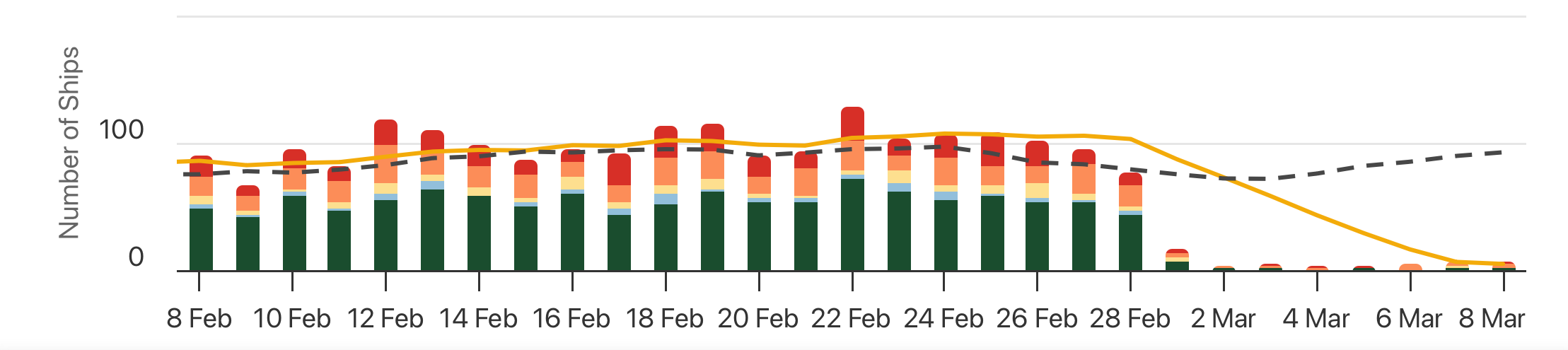
Number of ships passing through Hormuz Strait with sharp dips when Iran war began [Credit: IMF Portwatch]The crisis has sent oil markets into meltdown.
Today the International Energy Agency branded it the biggest oil supply shock in history, even after 32 countries agreed a record 400 million-barrel reserves release in a desperate bid to calm prices.
But the move has failed to stop the panic. After briefly nearing $120 a barrel earlier this week, Brent crude has roared back above $100 as the market braces for a prolonged squeeze on supply.
John Stawpert [Credit: Maya Wolsey]John Stawpert, from the International Chamber of Shipping, says the Hormuz crisis is especially brutal because there is no way around it.
“It’s unavoidable. You have to go through it.”
He warned the pain will not stop at the pumps.
“It’s having a global impact, and we will see that the longer this goes because it will start to affect prices beyond oil. It will start to be felt at the supermarket checkout, and it will continue to be felt by the poor people that are stuck in these waters.”
That is the real sting. When fuel costs jump, the price of moving goods jumps with it, and that gets passed straight on to shoppers. From food deliveries to freight, the extra cost works its way through the system and drives inflation higher.
The fallout is already being felt elsewhere too, with hundreds of mortgage deals pulled from the market as lenders brace for higher borrowing costs. Reuters said 308 products were withdrawn in a single day, while the Financial Times reported 472 deals disappeared in 48 hours.
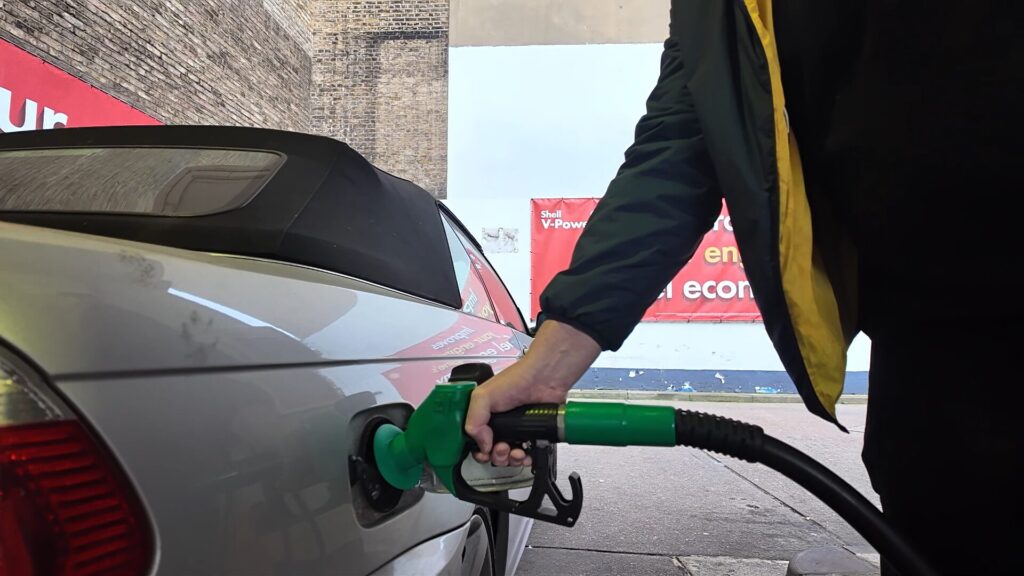
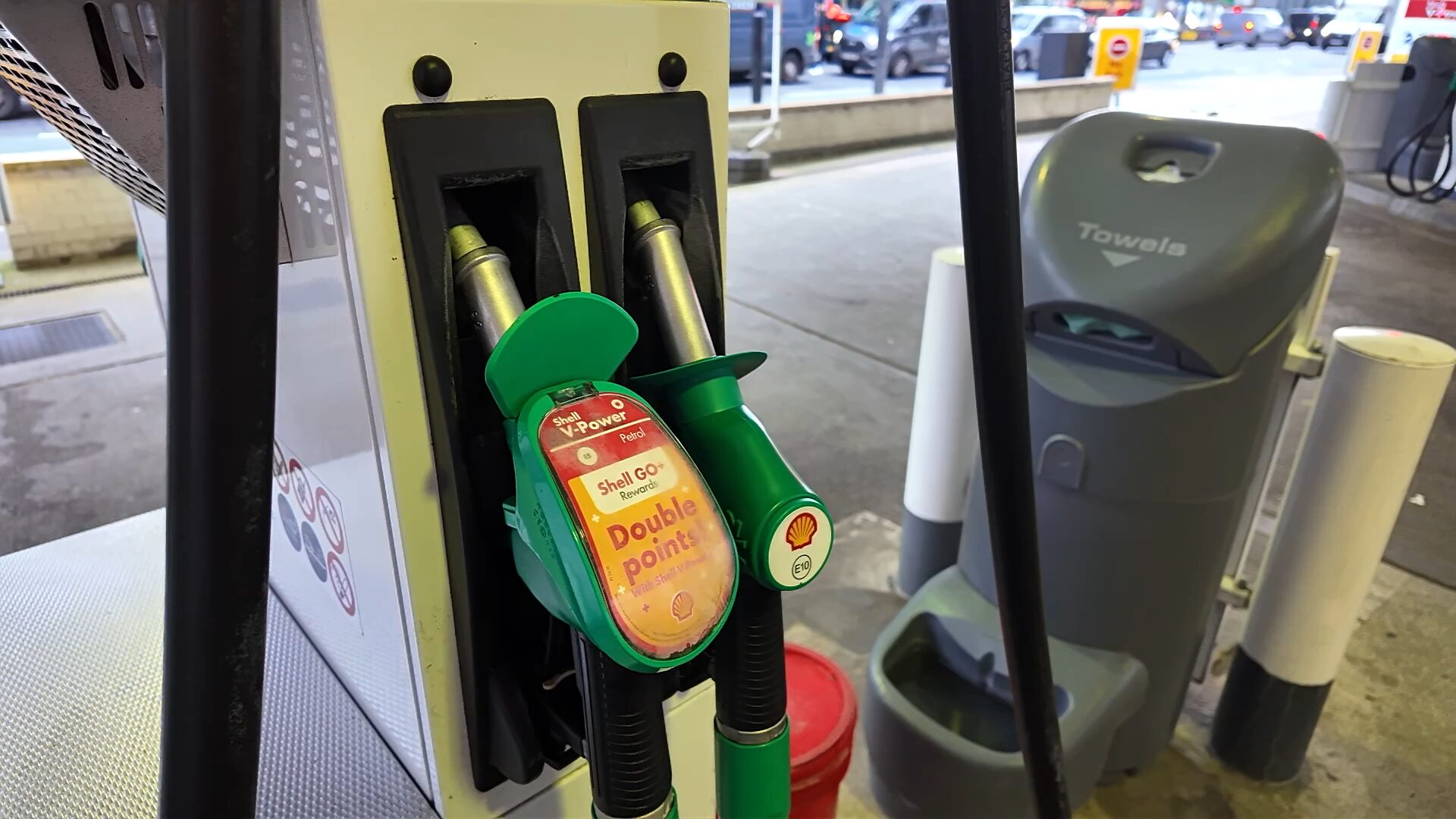
Petrol pump [Credit: Maya Wolsey]As Goldman Sachs has today predicted ‘longer disruption’ to the market, Sir Keir Starmer has been urged to U-turn on his planned fuel duty rise from September.
This is a developing story, we will bring you more details as they come. Please refresh the page to update.
HeadlineHormuz Havoc sends pump prices soaring in London
Short HeadlineHormuz Pump Panic Hits London!
StandfirstThe “biggest ever shock” to the oil market is now being felt on London forecourts, where soaring petrol and diesel prices are squeezing drivers and punishing those who depend on their vehicles for a living
London petrol prices have hit a 20-month high after disruption in one of the world’s most crucial oil shipping routes sent shockwaves through the market.
Since US strikes on Iran on 28 February, UK petrol prices have risen by 6.13p a litre, while diesel has shot up by 12.47p.
At one Chelsea petrol station on Tuesday, unleaded reached 238.7p a litre, with diesel climbing to a staggering 264.9p.
For Londoners who drive for a living, the surge is hitting especially hard.
Henry Korecki, who runs Henry’s Vans in south-east London, says the spike is piling pressure on those already struggling with the cost of doing business.
Henry Korecki [Credit: Maya Wolsey]For short trips and loyal customers, Henry says he will swallow the extra fuel cost himself.
“I think, just in fairness to the returning clients I’ve got, I’ll try to absorb the cost. I’ll give it at least a month.”
But for longer hauls, he is looking at hiking his mileage rate from 15p to 20p a mile, meaning customers will have to pick up the difference.
Credit: AP
The Strait of Hormuz, the world’s busiest oil chokepoint, has become the front line in the conflict between Iran and the Gulf’s oil states.
With Iranian missile threats effectively shutting the route, around a fifth of the world’s daily oil supply is now blocked from getting through.
Three tankers were hit in the strait yesterday and one was reportedly left ablaze.
Now millions of barrels are stuck on either side, storage tanks are filling fast, and oil production is starting to grind down.
Number of ships passing through Hormuz Strait with sharp dips when Iran war began [Credit: IMF Portwatch]The crisis has sent oil markets into meltdown.
Today the International Energy Agency branded it the biggest oil supply shock in history, even after 32 countries agreed a record 400 million-barrel reserves release in a desperate bid to calm prices.
But the move has failed to stop the panic. After briefly nearing $120 a barrel earlier this week, Brent crude has roared back above $100 as the market braces for a prolonged squeeze on supply.
John Stawpert [Credit: Maya Wolsey]John Stawpert, from the International Chamber of Shipping, says the Hormuz crisis is especially brutal because there is no way around it.
“It’s unavoidable. You have to go through it.”
He warned the pain will not stop at the pumps.
“It’s having a global impact, and we will see that the longer this goes because it will start to affect prices beyond oil. It will start to be felt at the supermarket checkout, and it will continue to be felt by the poor people that are stuck in these waters.”
That is the real sting. When fuel costs jump, the price of moving goods jumps with it, and that gets passed straight on to shoppers. From food deliveries to freight, the extra cost works its way through the system and drives inflation higher.
The fallout is already being felt elsewhere too, with hundreds of mortgage deals pulled from the market as lenders brace for higher borrowing costs. Reuters said 308 products were withdrawn in a single day, while the Financial Times reported 472 deals disappeared in 48 hours.
Petrol pump [Credit: Maya Wolsey]As Goldman Sachs has today predicted ‘longer disruption’ to the market, Sir Keir Starmer has been urged to U-turn on his planned fuel duty rise from September.
As the weather turns, City News has spoken to a long-term rough sleeper to see how those on the street feel about Andy Burnham’s plan to end homelessness and the upcoming winter.