The London Assembly Health Committee has said fewer than 1% of eligible Londoners are currently receiving NHS weight-loss medication.
The Committee has warned that the rollout of weight-loss drugs in London risks creating a “two-tier system” in access to treatment according to their new report.
As of last 2025, access remains limited, with just 3,000 of an estimated 500,000 eligible people (around 0.6%) receiving the drugs via the NHS.
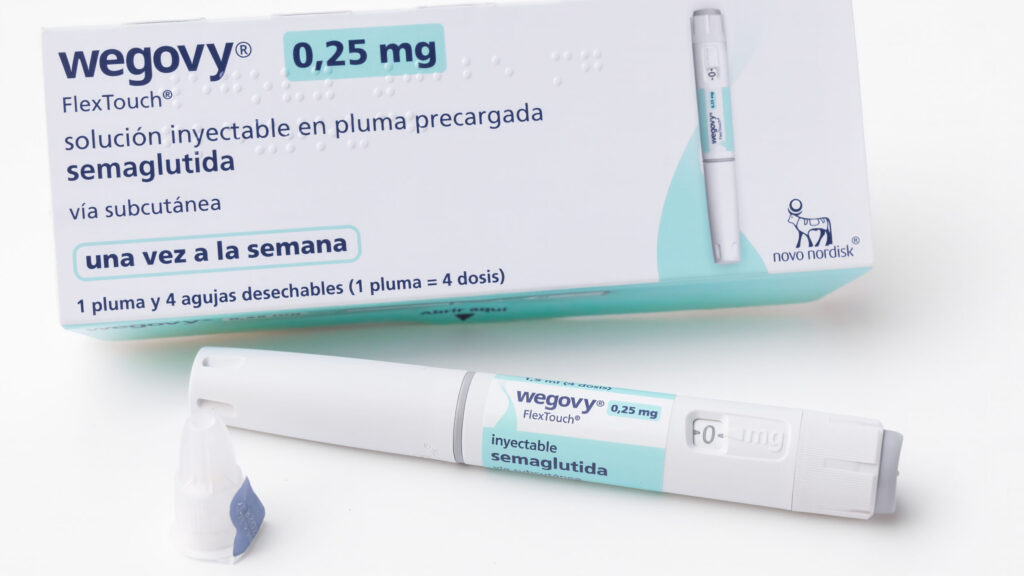
By contrast, tens of thousands are turning to private providers for medications such as Wegovy and Mounjaro, along with other unlicensed medications.
Across the UK, demand is surging. An estimated 1.5 to 1.6 million people used weight-loss drugs in the past year, with up to 95% doing so outside the NHS.
Despite criticism, London clinicians say the rollout is being carefully managed.
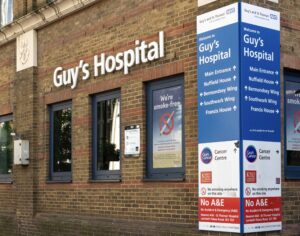
Joanna Hollington, Principal Dietitian at Guy’s and St Thomas’ NHS Foundation Trust, said “wraparound care is an ‘essential adjunct’ to the prescription of weight loss medicines”.
Health experts say this need for additional support is slowing access, as services try to ensure safe and effective treatment.
Inequality concerns
Charities warn the limited rollout is already widening health gaps across the capital.
Obesity UK told City News:
“There is a real risk that the current system is widening existing health inequalities. Obesity is closely linked with socioeconomic factors, and those most affected are often the least able to access timely, evidence-based treatment”.
Obesity is strongly linked to deprivation. In England, 77% of adults in the most deprived areas are overweight or obese, compared to 65% in the least deprived areas.
In London, the divide is stark. The most disadvantaged wards in Southwark have at least double the rate of adult obesity compared to the least disadvantaged wards, according to Southwark Council.
Obesity rates in Southwark’s poorest wards are at least double those in the least. Credit: Adobe Stock
Ethnic disparities are also significant. The most recent Government data showed that 70.8% of Black adults are overweight or obese, the highest proportion of any ethnic group.
The UCL Institute of Health Equity has warned that issues such as income, housing and access to services are driving poorer health outcomes.
Obesity UK says many people who meet clinical criteria are still unable to access treatment.
“Waiting times extending well beyond 12 months in some areas”
As a result, many are turning to private prescriptions, which can cost hundreds of pounds a month.
Dangers behind counterfeit drugs
The report also highlights growing concerns about the unregulated market for weight-loss drugs.
Investigators heard evidence of illegal or counterfeit “skinny jabs” being sold in gyms, salons and online.
Illegal weight-loss drugs are frequently being stopped at UK borders. Credit: Adobe Stock
Health experts warn these drugs can be dangerous without proper medical supervision. According to the London Assembly report, a study found that around 78 per cent of users reported at least one side effect.
Common side effects include nausea, vomiting and diarrhoea. In more serious cases, complications such as dehydration may require hospital treatment.
The National Institute for Health and Care Excellence says treatment should only begin following medical advice, alongside support for diet, physical activity and behaviour change.
But access to this kind of support is inconsistent, especially for those opting for private care.
Push for quicker access
The report says the slow rollout is being driven by funding pressures, staff shortages and the need for specialist training.
Clinicians told the committee a phased approach is necessary to avoid overwhelming NHS services.
However, pressure is growing for faster action.
The London Assembly is calling for an accelerated rollout, as well as a London-wide clinical pathway to ensure more consistent care.
Without change, the report warns inequalities will continue to widen, particularly for lower-income and minority ethnic communities already most affected by obesity.
Submitted Article
Headline
Short Headline
Standfirst
Published Article
HeadlineFewer than 1% of eligible Londoners are receiving NHS weight-loss drug treatment, raising inequality concerns
Short HeadlineFewer than 1% of eligible Londoners are receiving NHS weight-loss drugs, report finds
StandfirstSlow weight-loss drug rollout risks widening health inequalities in London
The London Assembly Health Committee has said fewer than 1% of eligible Londoners are currently receiving NHS weight-loss medication.
The Committee has warned that the rollout of weight-loss drugs in London risks creating a “two-tier system” in access to treatment according to their new report.
As of last 2025, access remains limited, with just 3,000 of an estimated 500,000 eligible people (around 0.6%) receiving the drugs via the NHS.
By contrast, tens of thousands are turning to private providers for medications such as Wegovy and Mounjaro, along with other unlicensed medications.
Across the UK, demand is surging. An estimated 1.5 to 1.6 million people used weight-loss drugs in the past year, with up to 95% doing so outside the NHS.
Despite criticism, London clinicians say the rollout is being carefully managed.
Joanna Hollington, Principal Dietitian at Guy’s and St Thomas’ NHS Foundation Trust, said “wraparound care is an ‘essential adjunct’ to the prescription of weight loss medicines”.
Health experts say this need for additional support is slowing access, as services try to ensure safe and effective treatment.
Inequality concerns
Charities warn the limited rollout is already widening health gaps across the capital.
Obesity UK told City News:
“There is a real risk that the current system is widening existing health inequalities. Obesity is closely linked with socioeconomic factors, and those most affected are often the least able to access timely, evidence-based treatment”.
Obesity is strongly linked to deprivation. In England, 77% of adults in the most deprived areas are overweight or obese, compared to 65% in the least deprived areas.
In London, the divide is stark. The most disadvantaged wards in Southwark have at least double the rate of adult obesity compared to the least disadvantaged wards, according to Southwark Council.
Obesity rates in Southwark’s poorest wards are at least double those in the least. Credit: Adobe Stock
Ethnic disparities are also significant. The most recent Government data showed that 70.8% of Black adults are overweight or obese, the highest proportion of any ethnic group.
The UCL Institute of Health Equity has warned that issues such as income, housing and access to services are driving poorer health outcomes.
Obesity UK says many people who meet clinical criteria are still unable to access treatment.
“Waiting times extending well beyond 12 months in some areas”
As a result, many are turning to private prescriptions, which can cost hundreds of pounds a month.
Dangers behind counterfeit drugs
The report also highlights growing concerns about the unregulated market for weight-loss drugs.
Investigators heard evidence of illegal or counterfeit “skinny jabs” being sold in gyms, salons and online.
Illegal weight-loss drugs are frequently being stopped at UK borders. Credit: Adobe Stock
Health experts warn these drugs can be dangerous without proper medical supervision. According to the London Assembly report, a study found that around 78 per cent of users reported at least one side effect.
Common side effects include nausea, vomiting and diarrhoea. In more serious cases, complications such as dehydration may require hospital treatment.
The National Institute for Health and Care Excellence says treatment should only begin following medical advice, alongside support for diet, physical activity and behaviour change.
But access to this kind of support is inconsistent, especially for those opting for private care.
Push for quicker access
The report says the slow rollout is being driven by funding pressures, staff shortages and the need for specialist training.
Clinicians told the committee a phased approach is necessary to avoid overwhelming NHS services.
However, pressure is growing for faster action.
The London Assembly is calling for an accelerated rollout, as well as a London-wide clinical pathway to ensure more consistent care.
Without change, the report warns inequalities will continue to widen, particularly for lower-income and minority ethnic communities already most affected by obesity.
A 2024 Freedom of Information request showed Bromley Council had £4.5 million invested in arms companies that year with £1.5 million reportedly linked to Israel.
Undercover officers raided three linked shops in Barking town centre, revealing how illicit tobacco is being hidden in walls, ceilings and nearby locations to evade detection.
More than 330,000 people across the UK sought support from the Stop It Now helpline in 2025 over concerns about their own or someone else’s online sexual behaviour towards children, according to new charity data. The anonymous service says contacts by phone, email and webchat rose significantly over the year.