Hidden in walls and ceilings: Raids reveal ‘invisible’ illicit tobacco network in Barking town centre
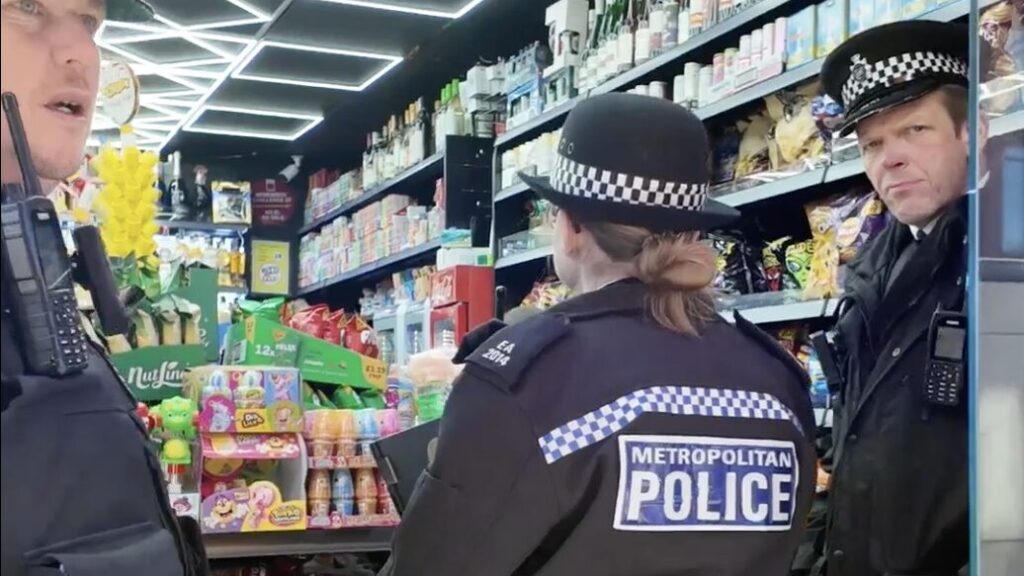
Undercover officers raided three linked shops in Barking town centre, revealing how illicit tobacco is being hidden in walls, ceilings and nearby locations to evade detection.
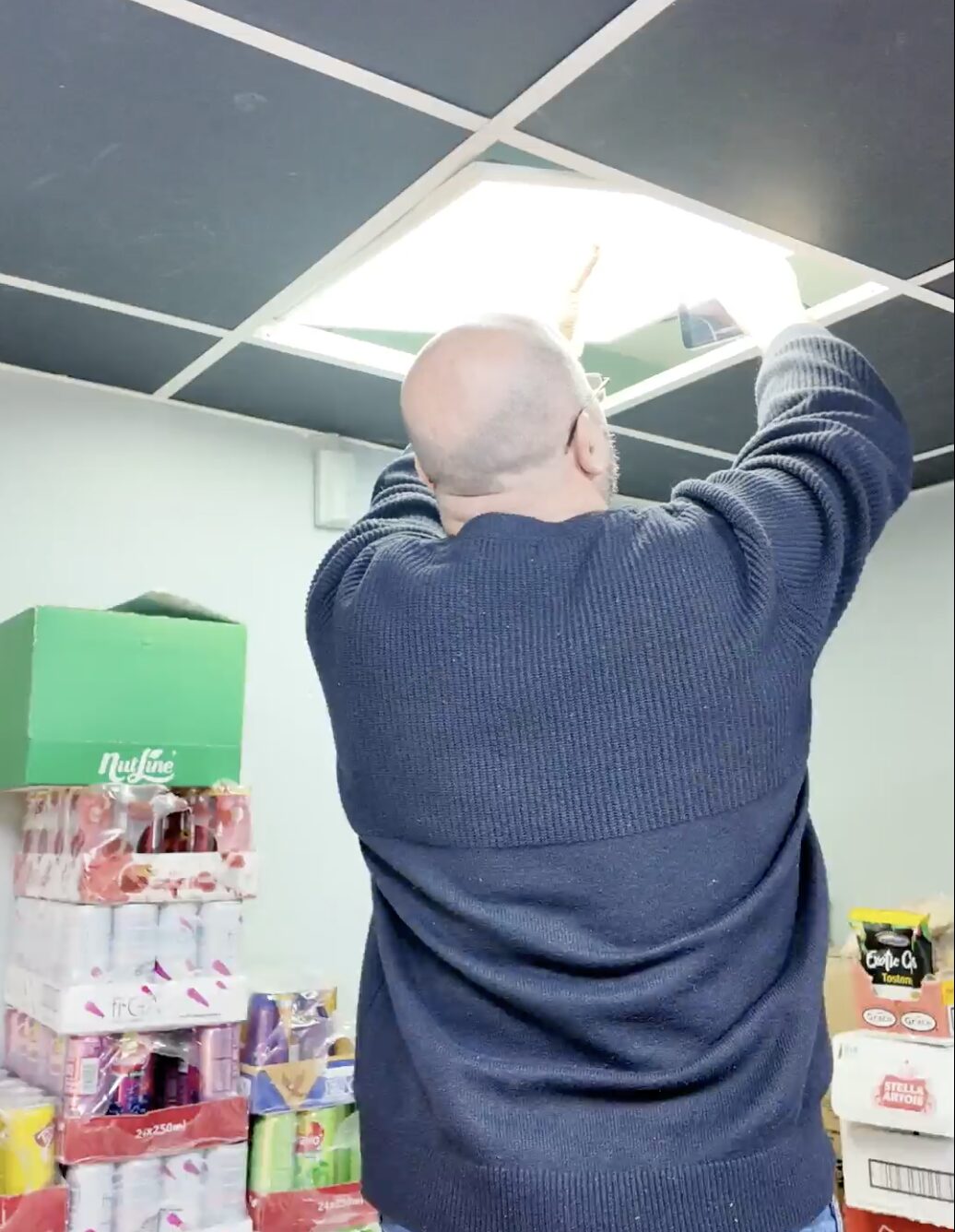
Enforcement officers raiding shops in Barking town centre were not just checking behind the counter. They were tapping walls, lifting ceiling panels and tracing hidden exits in an effort to uncover illicit tobacco.
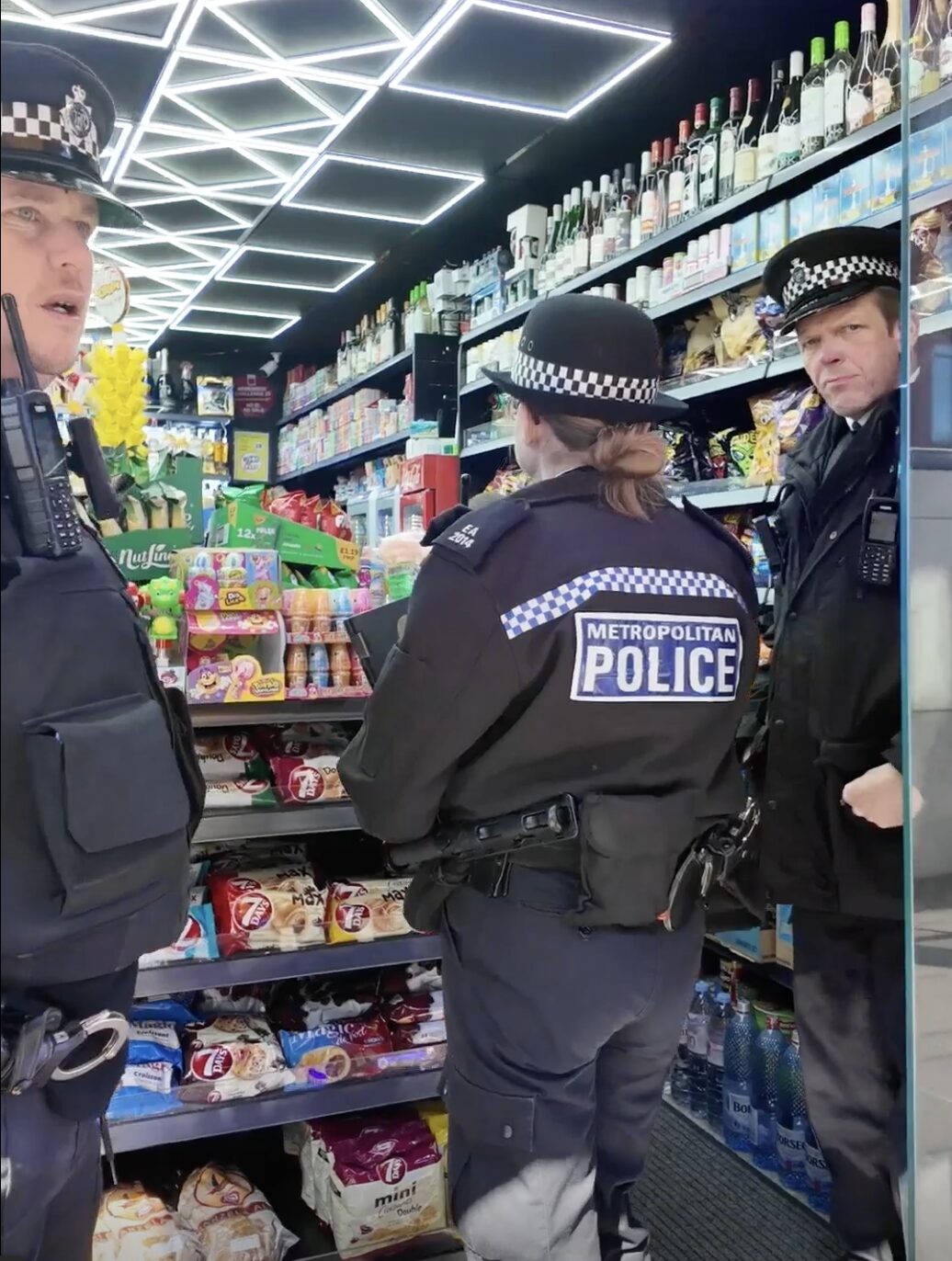
The operation, carried out by plain-clothes police alongside Barking and Dagenham Council Trading Standards, targeted three premises officers suspected were linked. It formed part of a wider crackdown under Operation CeCe.
But officers say the biggest challenge is no longer identifying suspect shops. It is finding the products once they are inside.
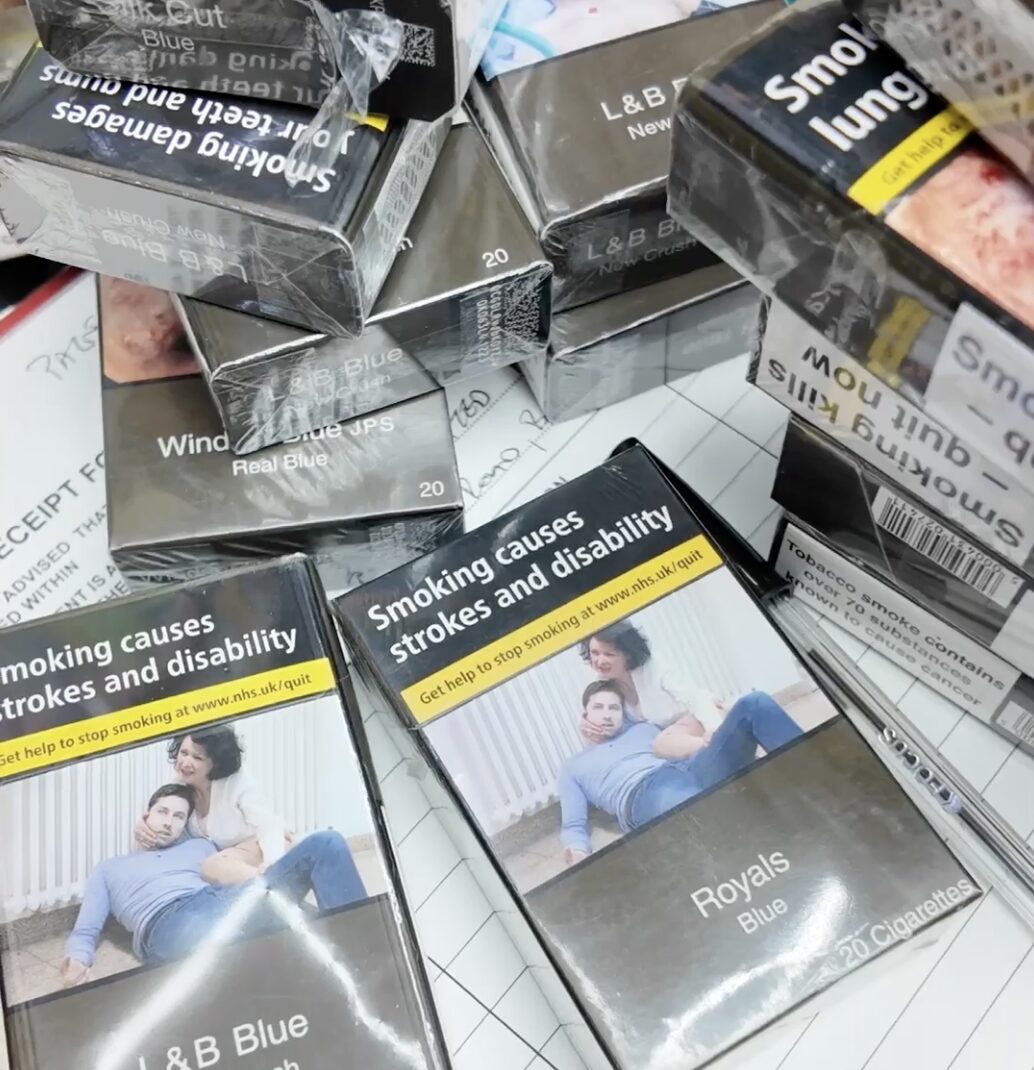
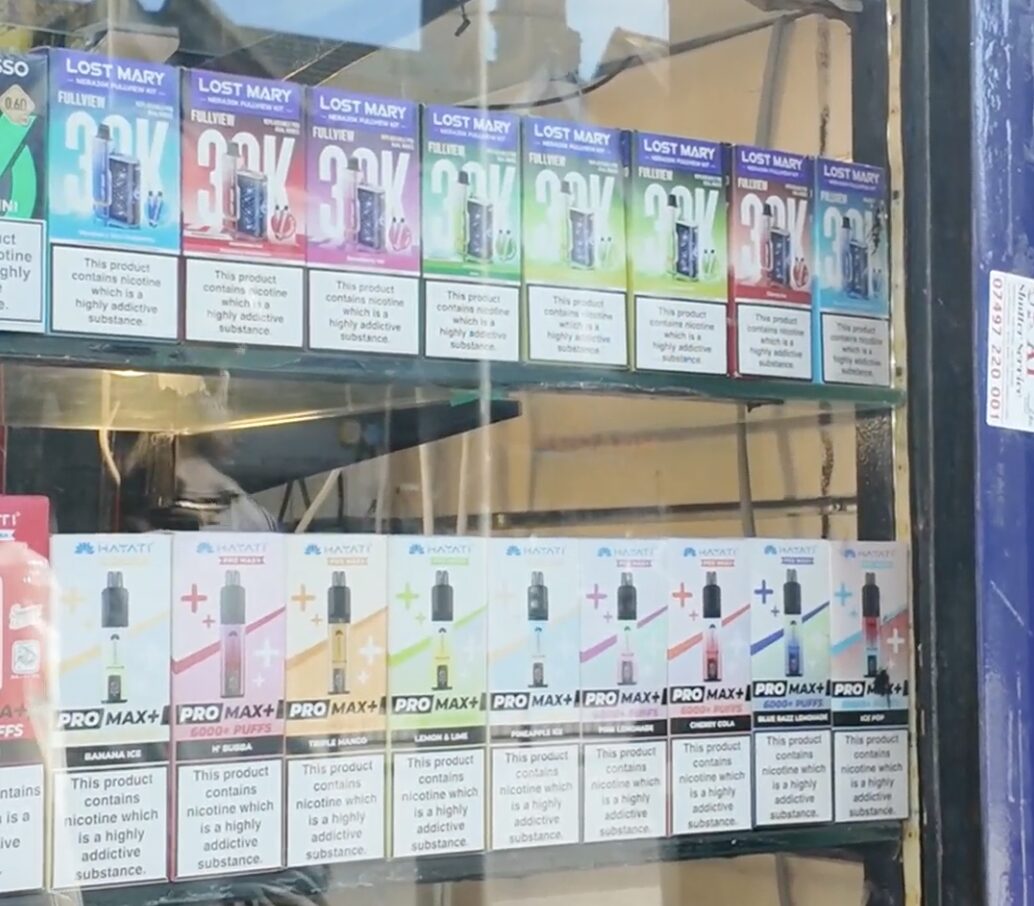
Across the borough, more than £53,000 worth of illegal tobacco and nicotine products have been seized in recent months, including more than £22,000 in March alone. Enforcement teams believe the true scale of the trade is likely to be far greater.
“They are incredibly good at hiding it now,” one officer said.
Another difficulty is that Trading Standards officers do not have powers of arrest. In many cases, seizing the products they find is all they can do at the time, with prosecutions often taking years to work through the courts.
At the first shop, officers were met with a familiar face.
They had visited the premises before without result. The same woman was behind the counter. This time, officers said, she claimed not to understand their questions, despite having spoken fluent English during an earlier visit.
She also said she did not have any identification. It was only when her bag was searched that bank cards were found confirming her name.
Inside, there was little obvious sign of illegal activity. Products lined the shelves and appeared legitimate at first glance.
But officers say that is exactly what makes enforcement so difficult.
Illicit goods are often mixed in with legal stock, making them hard to distinguish without close inspection. Officers use a specialist app to scan barcodes and verify products, but every item has to be checked individually, making the process slow and painstaking.
At the second shop, the shopkeeper remained largely silent, watching as an enforcement officer scanned products one by one.
Customers continued to enter the shop looking to buy cheap cigarettes and alcohol, only to be turned away and told to “come back later, brother”.
Midway through the search, a young man arrived claiming to be the shop manager. One officer recognised him from another premises linked to the operation.
His behaviour quickly became confrontational. He began filming officers, particularly the one scanning products and searching back areas, and threatened to post the footage on TikTok.
Hidden networks and back exits
Officers say what is visible on the shop floor is rarely the full picture.
During the raid, teams searched back rooms and exits leading into courtyards and alleyways, layouts they describe as common across suspect premises.
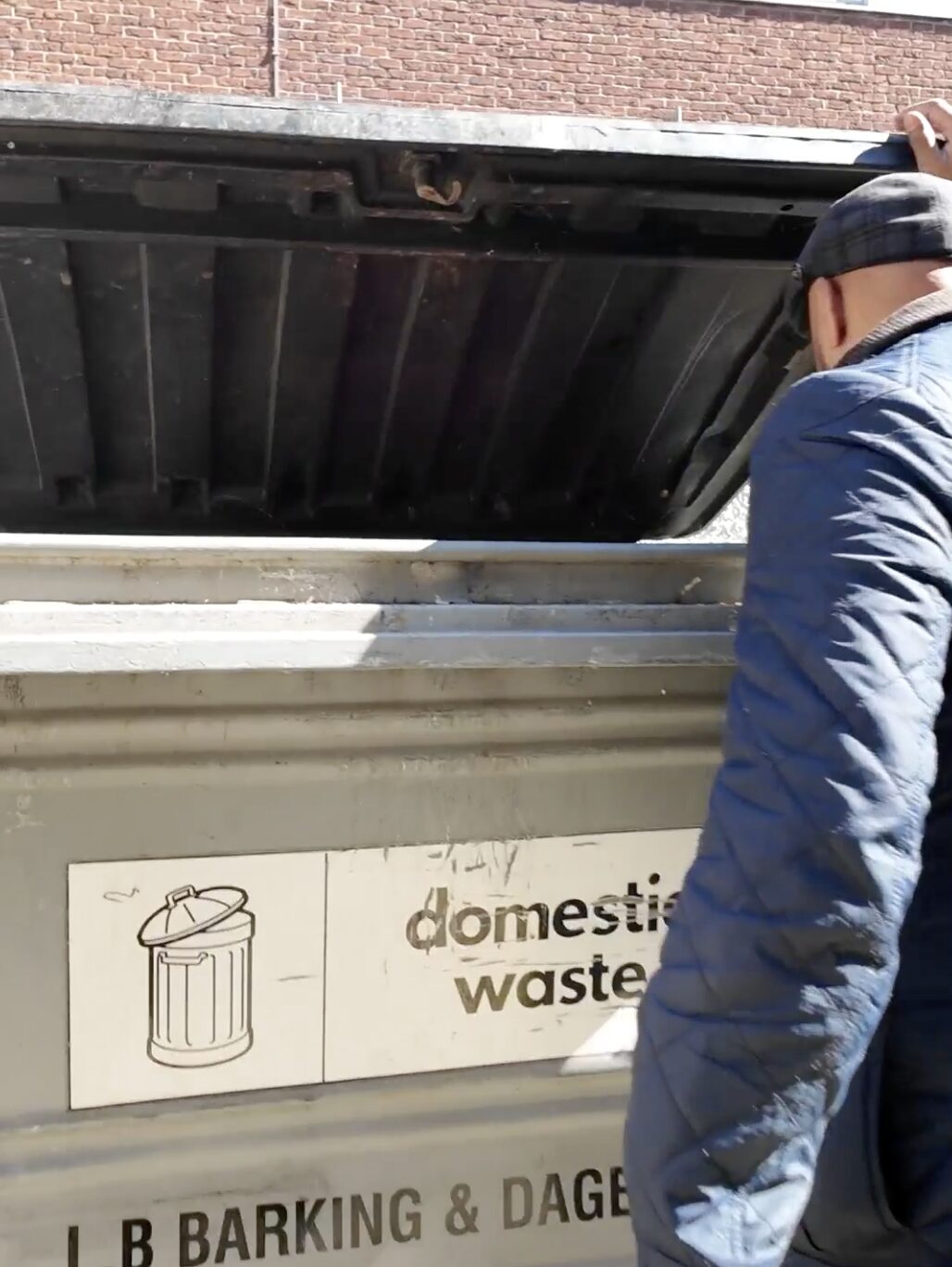
At one shop, a rear door opened directly into a courtyard connected to an alleyway, allowing goods to be moved in and out without being seen. Officers said such routes can also be used by staff to leave quickly or warn nearby linked shops when enforcement officers arrive.
According to officers, it is not unusual for businesses in close proximity to be connected, sometimes sharing storage or moving stock between locations.
The products themselves are often hidden in increasingly sophisticated ways, behind false walls, inside ceiling cavities or within small concealed compartments.
In some cases, officers say, the stashes are so well disguised they can only be detected using specialist sniffer dogs.
Unless officers have sufficient grounds to obtain a warrant, their powers remain limited – and if word spreads, products can disappear before a search is completed.
Hotspots for the trade
Officers said these kinds of operations are most common in more deprived areas, where customers are more likely to prioritise price.
Illegal tobacco and vape products are often sold far more cheaply than legitimate goods, attracting a steady customer base, including some who are underage.
But experts warn the risks are significant.
Tess, who works for a tobacco company affected by the illicit trade, said counterfeit tobacco is completely unregulated and can contain dangerous materials.
“They can literally sweep up the factory floor and mix it into the tobacco. That can include asbestos, glass, dust, even rubbish.”
Despite that, the packaging is often difficult to distinguish from genuine products.
For enforcement teams, today’s operation highlighted just how much the illicit trade has evolved.
What once involved simple inspections has become a complex search for hidden compartments, coordinated networks and constantly shifting tactics.
Submitted Article
Headline
Short Headline
Standfirst
Published Article
HeadlineHidden in walls and ceilings: Raids reveal ‘invisible’ illicit tobacco network in Barking town centre
Short Headline‘Invisible’ illicit tobacco network is thriving in Barking
StandfirstUndercover officers raided three linked shops in Barking town centre, revealing how illicit tobacco is being hidden in walls, ceilings and nearby locations to evade detection.
Enforcement officers raiding shops in Barking town centre were not just checking behind the counter. They were tapping walls, lifting ceiling panels and tracing hidden exits in an effort to uncover illicit tobacco.
The operation, carried out by plain-clothes police alongside Barking and Dagenham Council Trading Standards, targeted three premises officers suspected were linked. It formed part of a wider crackdown under Operation CeCe.
But officers say the biggest challenge is no longer identifying suspect shops. It is finding the products once they are inside.
Across the borough, more than £53,000 worth of illegal tobacco and nicotine products have been seized in recent months, including more than £22,000 in March alone. Enforcement teams believe the true scale of the trade is likely to be far greater.
“They are incredibly good at hiding it now,” one officer said.
Another difficulty is that Trading Standards officers do not have powers of arrest. In many cases, seizing the products they find is all they can do at the time, with prosecutions often taking years to work through the courts.
At the first shop, officers were met with a familiar face.
They had visited the premises before without result. The same woman was behind the counter. This time, officers said, she claimed not to understand their questions, despite having spoken fluent English during an earlier visit.
She also said she did not have any identification. It was only when her bag was searched that bank cards were found confirming her name.
Inside, there was little obvious sign of illegal activity. Products lined the shelves and appeared legitimate at first glance.
But officers say that is exactly what makes enforcement so difficult.
Illicit goods are often mixed in with legal stock, making them hard to distinguish without close inspection. Officers use a specialist app to scan barcodes and verify products, but every item has to be checked individually, making the process slow and painstaking.
At the second shop, the shopkeeper remained largely silent, watching as an enforcement officer scanned products one by one.
Customers continued to enter the shop looking to buy cheap cigarettes and alcohol, only to be turned away and told to “come back later, brother”.
Midway through the search, a young man arrived claiming to be the shop manager. One officer recognised him from another premises linked to the operation.
His behaviour quickly became confrontational. He began filming officers, particularly the one scanning products and searching back areas, and threatened to post the footage on TikTok.
Hidden networks and back exits
Officers say what is visible on the shop floor is rarely the full picture.
During the raid, teams searched back rooms and exits leading into courtyards and alleyways, layouts they describe as common across suspect premises.
At one shop, a rear door opened directly into a courtyard connected to an alleyway, allowing goods to be moved in and out without being seen. Officers said such routes can also be used by staff to leave quickly or warn nearby linked shops when enforcement officers arrive.
According to officers, it is not unusual for businesses in close proximity to be connected, sometimes sharing storage or moving stock between locations.
The products themselves are often hidden in increasingly sophisticated ways, behind false walls, inside ceiling cavities or within small concealed compartments.
In some cases, officers say, the stashes are so well disguised they can only be detected using specialist sniffer dogs.
Unless officers have sufficient grounds to obtain a warrant, their powers remain limited – and if word spreads, products can disappear before a search is completed.
Hotspots for the trade
Officers said these kinds of operations are most common in more deprived areas, where customers are more likely to prioritise price.
Illegal tobacco and vape products are often sold far more cheaply than legitimate goods, attracting a steady customer base, including some who are underage.
But experts warn the risks are significant.
Tess, who works for a tobacco company affected by the illicit trade, said counterfeit tobacco is completely unregulated and can contain dangerous materials.
“They can literally sweep up the factory floor and mix it into the tobacco. That can include asbestos, glass, dust, even rubbish.”
Despite that, the packaging is often difficult to distinguish from genuine products.
For enforcement teams, today’s operation highlighted just how much the illicit trade has evolved.
What once involved simple inspections has become a complex search for hidden compartments, coordinated networks and constantly shifting tactics.
A 2024 Freedom of Information request showed Bromley Council had £4.5 million invested in arms companies that year with £1.5 million reportedly linked to Israel.
More than 330,000 people across the UK sought support from the Stop It Now helpline in 2025 over concerns about their own or someone else’s online sexual behaviour towards children, according to new charity data. The anonymous service says contacts by phone, email and webchat rose significantly over the year.