Why you’re more likely to see London’s snakes in Spring
If you think snakes are something you only see on holiday, think again. Wild snakes are living in London, and as temperatures rise this spring, sightings are becoming more likely across the capital.
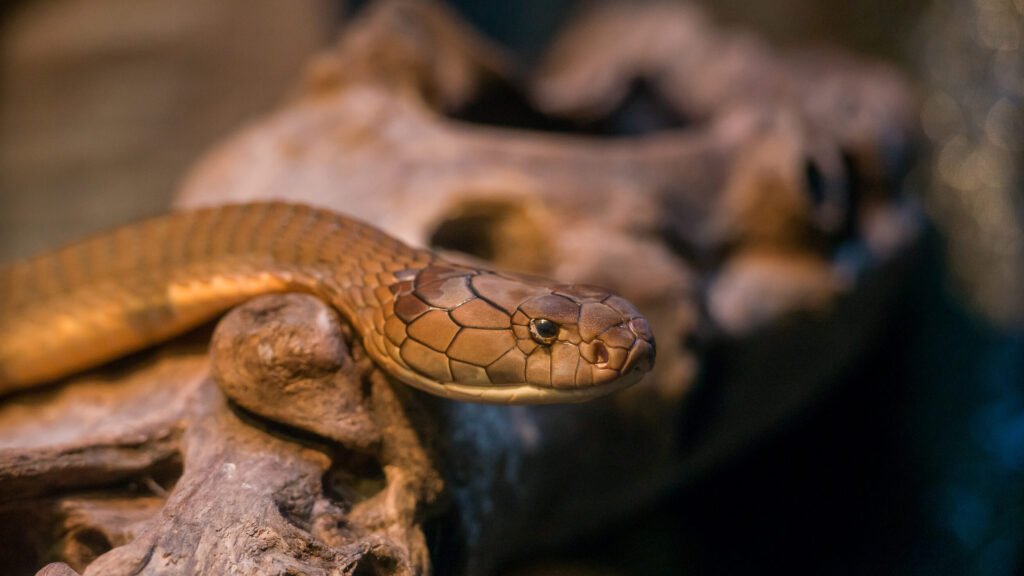
King Of Cobra Snake
Source: Adobe Stock (Asaf Weizman)
SHARE:
Spring has arrived in London, and it’s not just the flowers that are waking up; so are the city’s wild snakes. From gardens to canal paths, these reptiles are emerging from hibernation, a phenomenon experts say occurs every year as the weather warms (London Wildlife Trust).
If you caught David Attenborough’s Wild London documentary earlier this year, you won’t be surprised that the series highlights just how many unexpected creatures are sharing our city streets. An RSPCA spokesperson said snakes become more active in warmer weather, increasing the chance of them being spotted.
If you caught Sir David Attenborough’s Wild London documentary earlier this year, you won’t be surprised that the series highlights just how many unexpected creatures are sharing our city streets
Where are snakes in London?
One of the most surprising populations is along Regent’s Canal near ZSL London Zoo, home to Aesculapian snakes, a non-native species that can grow up to two metres long. According to the Zoological Society of London, these snakes likely became established after escaping or being released from a research facility decades ago. They are now regularly spotted along the canal and monitored to better understand their population.
Could some snakes be escaped pets?
The RSPCA also warns that warmer weather can increase the chance of pet snakes escaping.
They said: “Snakes become more active in warmer weather, so as temperatures start to rise, it’s even more important that any snake owners are vigilant.
“These animals are excellent escape artists and will take the opportunity of a gap in an enclosure door, or a loose-fitting lid to make a break for it.”
The charity also warned that most exotic pet snakes are unlikely to survive in the wild in Britain, and releasing non-native species is illegal as it can pose a threat to local wildlife.
What types of snakes are found in London?
London is home to both native and non-native snakes:
Grass snakes: Non-venomous; the largest UK snake; often green with yellow collar markings; hunts amphibians in ponds and waterways.
Adder: Britain’s only venomous snake, shy, bites are uncommon and rarely serious .
Image Source: RSPCA
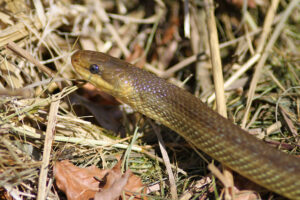
Aesculapian Snake (Non- Native): Non-venomous, climbs trees, swims, feeds on small mammals and birds. Found along canals.
Image Source: Adobe Stock ( Michael Ransburg)
Are they dangerous?
Despite alarming headlines, The Natural History Museum say there is little reason to worry. The Aesculapian snake is non-venomous and avoids humans. Adders are rarely aggressive and usually only bite if provoked.
What should you do if you see one?
Do not touch or approach.
Keep a safe distance.
Allow it to move away naturally.
Snakes are far more likely to avoid humans than interact with them.
So while the idea of snakes in London might sound alarming, the reality is far less dramatic, and as spring begins, these rarely-seen residents are simply returning to the surface.
The RSPCA should only be contacted if the animal appears injured, unwell, or if you believe it may be an escaped pet.
Submitted Article
Headline
Short Headline
Standfirst
Published Article
HeadlineWhy you’re more likely to see London’s snakes in Spring
Short HeadlineWhy Spring brings out London's snakes
StandfirstIf you think snakes are something you only see on holiday, think again. Wild snakes are living in London, and as temperatures rise this spring, sightings are becoming more likely across the capital.
Spring has arrived in London, and it’s not just the flowers that are waking up; so are the city’s wild snakes. From gardens to canal paths, these reptiles are emerging from hibernation, a phenomenon experts say occurs every year as the weather warms (London Wildlife Trust).
If you caught David Attenborough’s Wild London documentary earlier this year, you won’t be surprised that the series highlights just how many unexpected creatures are sharing our city streets. An RSPCA spokesperson said snakes become more active in warmer weather, increasing the chance of them being spotted.
If you caught Sir David Attenborough’s Wild London documentary earlier this year, you won’t be surprised that the series highlights just how many unexpected creatures are sharing our city streets
Where are snakes in London?
One of the most surprising populations is along Regent’s Canal near ZSL London Zoo, home to Aesculapian snakes, a non-native species that can grow up to two metres long. According to the Zoological Society of London, these snakes likely became established after escaping or being released from a research facility decades ago. They are now regularly spotted along the canal and monitored to better understand their population.
Could some snakes be escaped pets?
The RSPCA also warns that warmer weather can increase the chance of pet snakes escaping.
They said: “Snakes become more active in warmer weather, so as temperatures start to rise, it’s even more important that any snake owners are vigilant.
“These animals are excellent escape artists and will take the opportunity of a gap in an enclosure door, or a loose-fitting lid to make a break for it.”
The charity also warned that most exotic pet snakes are unlikely to survive in the wild in Britain, and releasing non-native species is illegal as it can pose a threat to local wildlife.
What types of snakes are found in London?
London is home to both native and non-native snakes:
Grass snakes: Non-venomous; the largest UK snake; often green with yellow collar markings; hunts amphibians in ponds and waterways.
Adder: Britain’s only venomous snake, shy, bites are uncommon and rarely serious .
Image Source: RSPCA
Aesculapian Snake (Non- Native): Non-venomous, climbs trees, swims, feeds on small mammals and birds. Found along canals.
Image Source: Adobe Stock ( Michael Ransburg)
Are they dangerous?
Despite alarming headlines, The Natural History Museum say there is little reason to worry. The Aesculapian snake is non-venomous and avoids humans. Adders are rarely aggressive and usually only bite if provoked.
What should you do if you see one?
Do not touch or approach.
Keep a safe distance.
Allow it to move away naturally.
Snakes are far more likely to avoid humans than interact with them.
So while the idea of snakes in London might sound alarming, the reality is far less dramatic, and as spring begins, these rarely-seen residents are simply returning to the surface.
The RSPCA should only be contacted if the animal appears injured, unwell, or if you believe it may be an escaped pet.
A 2024 Freedom of Information request showed Bromley Council had £4.5 million invested in arms companies that year with £1.5 million reportedly linked to Israel.
Undercover officers raided three linked shops in Barking town centre, revealing how illicit tobacco is being hidden in walls, ceilings and nearby locations to evade detection.
More than 330,000 people across the UK sought support from the Stop It Now helpline in 2025 over concerns about their own or someone else’s online sexual behaviour towards children, according to new charity data. The anonymous service says contacts by phone, email and webchat rose significantly over the year.