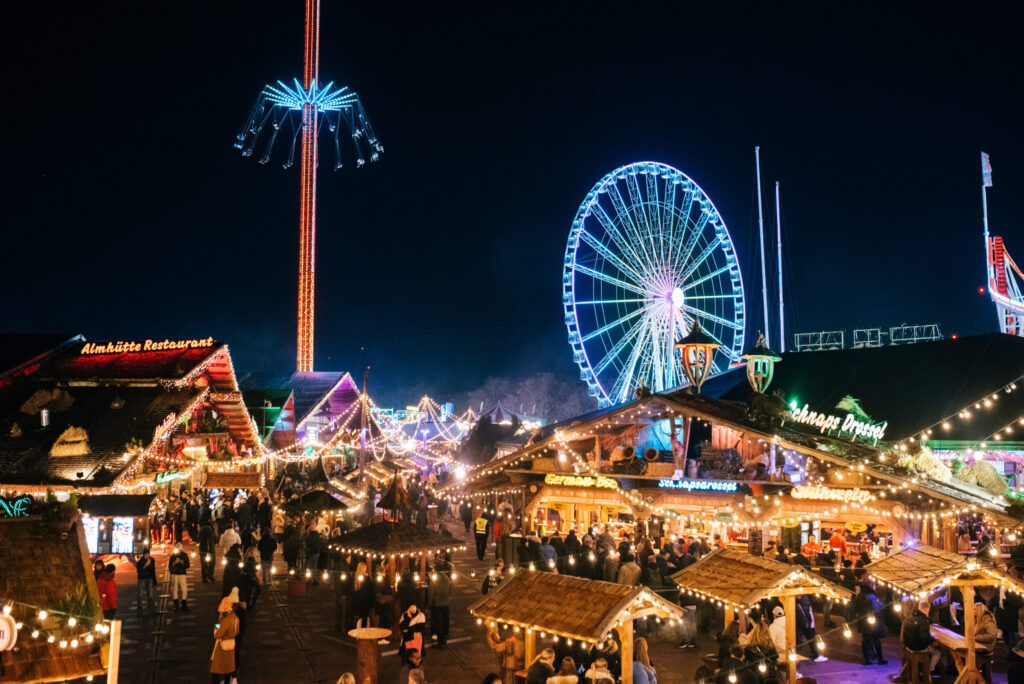
As Christmas rolls around in London, so do the markets. Hyde Park’s Winter Wonderland, South Bank Christmas Market, and Christmas at Kew Gardens are a few of the big names. With the festivities, comes anxiety for some in the neurodivergent community whose needs may still not be correctly supported by event organisers.
Autism spectrum disorder (ASD) is a neurodivergent condition which affects almost 88,000 Londoners, according to a survey by the London Assembly, and that’s only counting those able to get a diagnosis.
There were more than 200,000 NHS patients in September with an open referral for suspected autism.
Dr Selina Warlow, founder of The Nook Clinic says “this increase largely reflects progress rather than a sudden rise.. many people who would once be overlooked are now being correctly identified” However, with this progress, there are still many that don’t understand the disruption ASD causes for neurodivergent people, especially during Christmas time.
She explains “Christmas markets often combine several strong sensory elements, such as crowds, lights, music, and powerful smells from food stalls. While enjoyable for some, these environments may feel intense or overwhelming for autistic people.”
Those who are not neurodivergent (neurotypical) may struggle to understand why these environments trigger neurodivergent people when they ‘appear’ to be fine. This is because of a characteristic called masking.
“Masking is a skill many autistic people use to navigate environments that are not designed with their needs in mind” Dr Warlow explains.
She says this often involves rehearsing conversations, copying social behaviours, and hiding sensory discomfort: “On the outside, someone may seem fine, but internally, they’re working really hard to adhere to social expectations.”
City News spoke to three people with ASD about their own experiences.
Helen, wishes more people knew this about neurodiversity:
“There’s this misconception that we aren’t good socially, when I believe myself to be very good at social situations, I am just not that comfortable when I do it, because I’ve been masking for years…”
Tom, who was late-diagnosed says “one minute I’ll be super excited about Christmas and wanting to immerse myself in as many events as possible. But then, after going to a big event, I’ll find myself exhausted from the experience and wanting to just chill out.”
Stewart, who’s teenage son has ASD says routine and preparation is essential “my son will need to know the exact time we are leaving to go and return to events, and we avoid big Christmas events due to the queuing involved”.
Although neurodiversity is classified as a ‘hidden disability’, some events companies are yet to fully incorporate accessibility for it within their planning. Major Christmas events like Hyde Park’s Winter Wonderland, South Bank, and Leicester’ Square Market are yet to introduce neuro-inclusive only nights.
Stewart feels uncertain about the possibility “separate events or ASD-only days would be great, I just don’t feel there is enough understanding for this to happen sadly”.
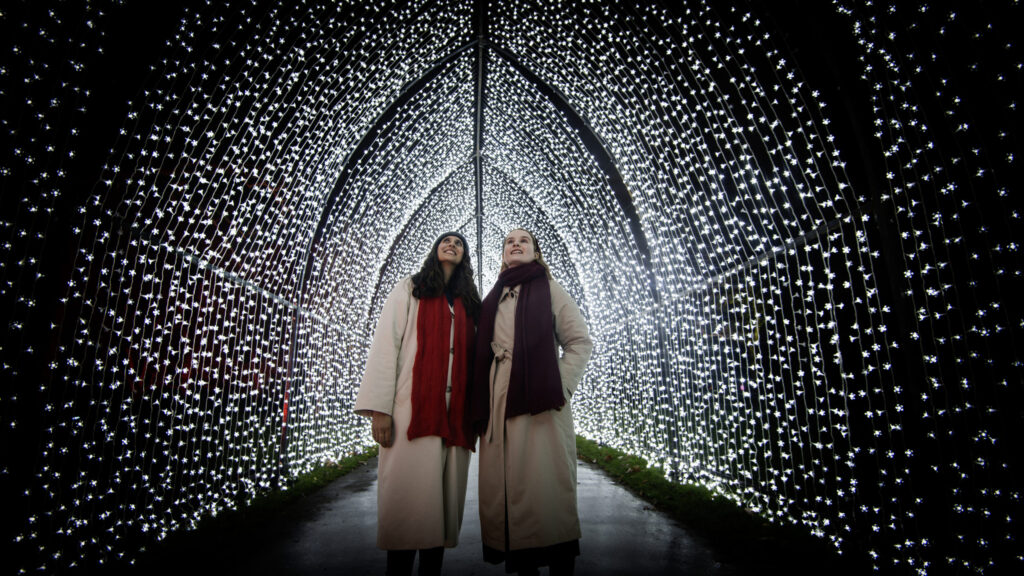
Christmas light trail at Kew Gardens in London, (AP Photo/Kin Cheung)
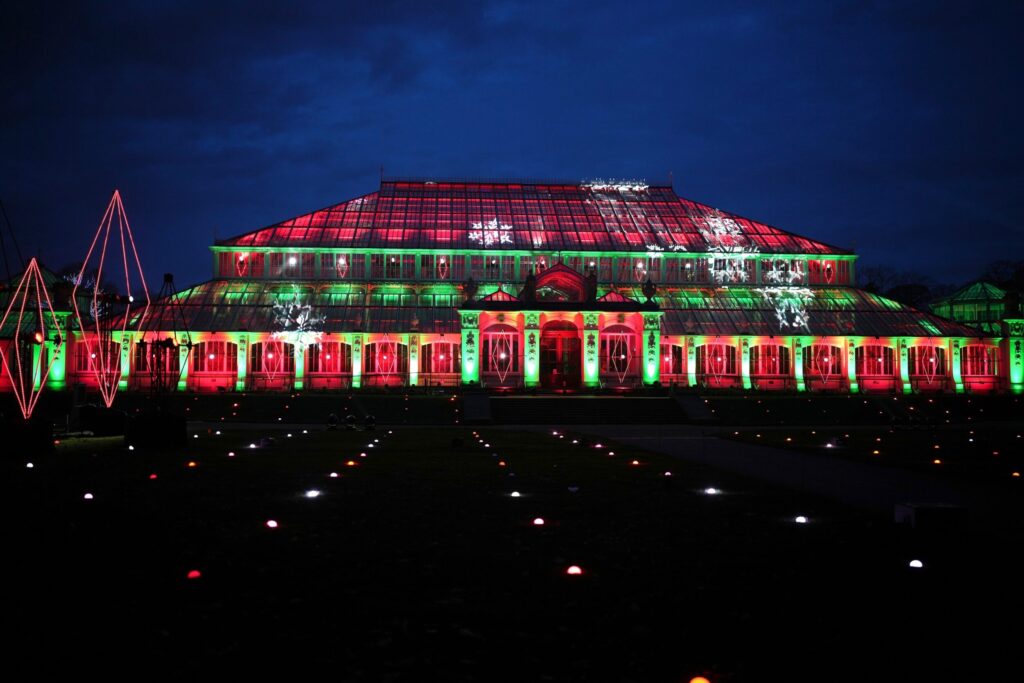
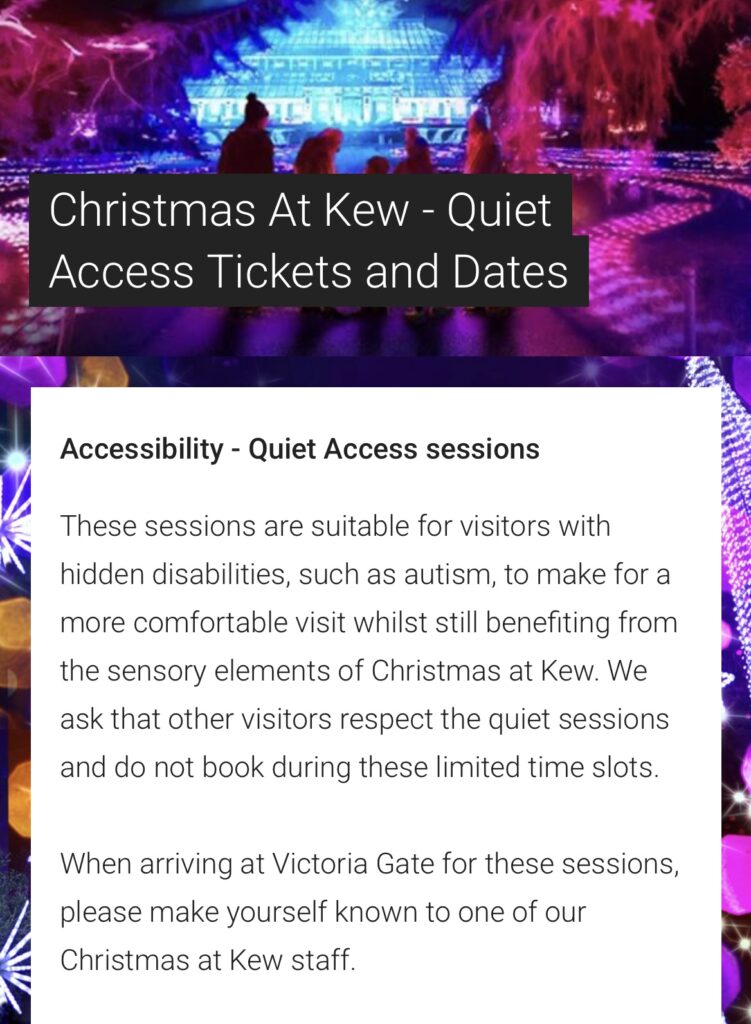
Some London events like Christmas at Kew and Somerset House Skate offer ‘neuro-inclusive only nights.’ Nick Thompson, Senior Commercial Events Manager for Christmas at Kew explained “the trail will be less busy on these dedicated nights, with fewer tickets sold to ensure a relaxed and enjoyable experience for all.” The general public are encouraged not to buy these tickets.
Christmas at Kew Accessibility Instructions
Neuro-inclusive may not always work in practice. Tom attended Christmas at Kew “It seemed to be right up my street, but it turned out that it was super busy. The sensory experience was more overwhelming than I’d anticipated, and I ended up wanting to go home”.
“Training staff to understand sensory needs and communication differences empowers them to respond respectfully and confidently”. Dr Warlow says.
“When children and young people see environments adapting to meet a range of sensory and communication needs, it reinforces self-worth, and reduces stigma”.
Stewart also acknowledged how difficult it was for his son to accept his neurodiversity: “he didn’t want to be different as he saw it, it takes a lot of talking to get him to understand”.
So, what do neurodivergent people really want from Christmas Events?
Tom thinks integrating “more neuro-diverse options on their menu of events, much like catering for people with a variety of dietary requirements” would be the best solution. “Offering an ASD specific event wouldn’t feel as inclusive.”
Neurodiversity specialist Dr Steven Kapp agrees with adapting “if there’s a universal design made for everyone, then a lot more than autistic people can benefit”.
For parents of neurodivergent children, Stewart “would like them to recognise ASD, have staff trained to understand needs of ASD, and clear publicising of their ASD commitments.”
City News have approached Hyde Park Winter Wonderland and South Bank Christmas for comment.
Submitted Article
Headline
Short Headline
Standfirst
Published Article
HeadlineLondon Christmas Events cause anxiety for neurodivergent attendees
Short HeadlineLondon Christmas events cause anxiety for neurodivergent attendees
StandfirstSome people are calling for more recognition and accessibility-how else can organisers show support?
As Christmas rolls around in London, so do the markets. Hyde Park’s Winter Wonderland, South Bank Christmas Market, and Christmas at Kew Gardens are a few of the big names. With the festivities, comes anxiety for some in the neurodivergent community whose needs may still not be correctly supported by event organisers.
Autism spectrum disorder (ASD) is a neurodivergent condition which affects almost 88,000 Londoners, according to a survey by the London Assembly, and that’s only counting those able to get a diagnosis.
There were more than 200,000 NHS patients in September with an open referral for suspected autism.
Dr Selina Warlow, founder of The Nook Clinic says “this increase largely reflects progress rather than a sudden rise.. many people who would once be overlooked are now being correctly identified” However, with this progress, there are still many that don’t understand the disruption ASD causes for neurodivergent people, especially during Christmas time.
She explains “Christmas markets often combine several strong sensory elements, such as crowds, lights, music, and powerful smells from food stalls. While enjoyable for some, these environments may feel intense or overwhelming for autistic people.”
Those who are not neurodivergent (neurotypical) may struggle to understand why these environments trigger neurodivergent people when they ‘appear’ to be fine. This is because of a characteristic called masking.
“Masking is a skill many autistic people use to navigate environments that are not designed with their needs in mind” Dr Warlow explains.
She says this often involves rehearsing conversations, copying social behaviours, and hiding sensory discomfort: “On the outside, someone may seem fine, but internally, they’re working really hard to adhere to social expectations.”
City News spoke to three people with ASD about their own experiences.
Helen, wishes more people knew this about neurodiversity:
“There’s this misconception that we aren’t good socially, when I believe myself to be very good at social situations, I am just not that comfortable when I do it, because I’ve been masking for years…”
Tom, who was late-diagnosed says “one minute I’ll be super excited about Christmas and wanting to immerse myself in as many events as possible. But then, after going to a big event, I’ll find myself exhausted from the experience and wanting to just chill out.”
Stewart, who’s teenage son has ASD says routine and preparation is essential “my son will need to know the exact time we are leaving to go and return to events, and we avoid big Christmas events due to the queuing involved”.
Although neurodiversity is classified as a ‘hidden disability’, some events companies are yet to fully incorporate accessibility for it within their planning. Major Christmas events like Hyde Park’s Winter Wonderland, South Bank, and Leicester’ Square Market are yet to introduce neuro-inclusive only nights.
Stewart feels uncertain about the possibility “separate events or ASD-only days would be great, I just don’t feel there is enough understanding for this to happen sadly”.
Christmas light trail at Kew Gardens in London, (AP Photo/Kin Cheung)
Some London events like Christmas at Kew and Somerset House Skate offer ‘neuro-inclusive only nights.’ Nick Thompson, Senior Commercial Events Manager for Christmas at Kew explained “the trail will be less busy on these dedicated nights, with fewer tickets sold to ensure a relaxed and enjoyable experience for all.” The general public are encouraged not to buy these tickets.
Christmas at Kew Accessibility Instructions
Neuro-inclusive may not always work in practice. Tom attended Christmas at Kew “It seemed to be right up my street, but it turned out that it was super busy. The sensory experience was more overwhelming than I’d anticipated, and I ended up wanting to go home”.
“Training staff to understand sensory needs and communication differences empowers them to respond respectfully and confidently”. Dr Warlow says.
“When children and young people see environments adapting to meet a range of sensory and communication needs, it reinforces self-worth, and reduces stigma”.
Stewart also acknowledged how difficult it was for his son to accept his neurodiversity: “he didn’t want to be different as he saw it, it takes a lot of talking to get him to understand”.
So, what do neurodivergent people really want from Christmas Events?
Tom thinks integrating “more neuro-diverse options on their menu of events, much like catering for people with a variety of dietary requirements” would be the best solution. “Offering an ASD specific event wouldn’t feel as inclusive.”
Neurodiversity specialist Dr Steven Kapp agrees with adapting “if there’s a universal design made for everyone, then a lot more than autistic people can benefit”.
For parents of neurodivergent children, Stewart “would like them to recognise ASD, have staff trained to understand needs of ASD, and clear publicising of their ASD commitments.”
City News have approached Hyde Park Winter Wonderland and South Bank Christmas for comment.
As the weather turns, City News has spoken to a long-term rough sleeper to see how those on the street feel about Andy Burnham’s plan to end homelessness and the upcoming winter.