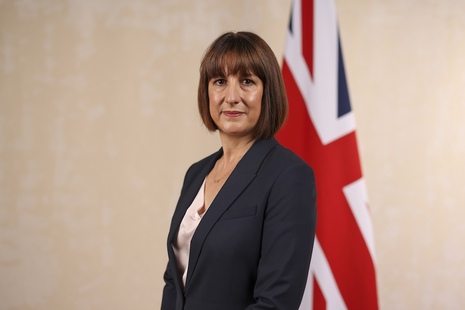
The Autumn 2025 Budget will see drivers of electric vehicles (EVs) charged per mile in the UK, as part of the taxes introduced by Rachel Reeves.
The Tax on EVs is £1.4 billion of the governments’ projected £26 billion tax increase by 2029-30.
What the New Tax Means for Drivers
From 2028, the government will introduce a mileage-based road levy on both fully electric and plug-in hybrid cars:
3p per mile for EVs
1.5p per mile for hybrids
Industry analysts at Drive Electric estimate that a typical driver covering 8,500 miles a year, will face £255-260 in extra annual costs.
They say that while this is cheaper than petrol or diesel fuel costs, this marks a turning point.
“This will see the overall cost of running an EV increase from 2028 onwards.”
The fee will sit on top of the existing Vehicles Excise Duty (VED), meaning that electric cars will be treated similarly to combustion vehicles in terms of road taxation.
Instagram: Ginnybuckley
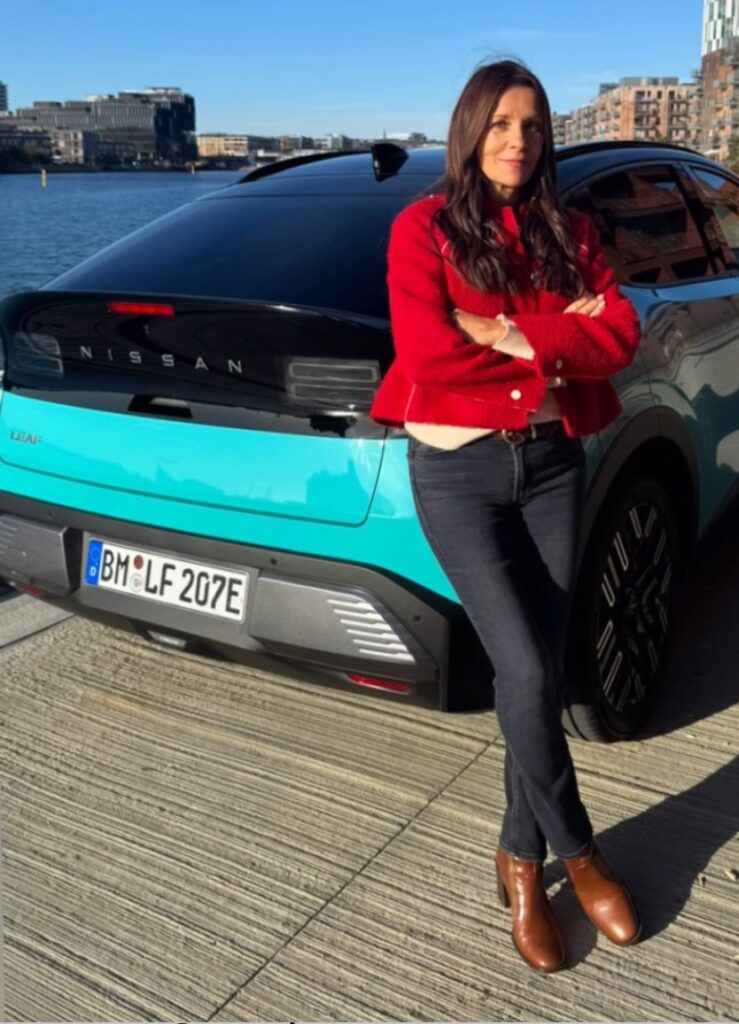
Ginny Buckley, founder of Electrifying Media, speaks exclusively to City News, and sets out what she believes is a contradiction in policy:
“We’re getting such mixed messaging. On the one hand, the government is giving grants to buy an EV, and trying to encourage consumers into it. On the other, they’re saying ‘oh but by the way, we’re going to tax you.'”
“So it’s real mixed messaging, in a way they’ve got one foot on the brake and one on the accelerator.”
She adds that while the pay-per-mile taxation is “in theory fair”, it’s introduction is “too soon in the EV transition.”
Government Sets out Plan as part of Cost-of-Living Strategy:
The policy forms part of a broader aim at stabilising inflation and easing household pressures. Alongside EV tax, ministers have announced:
£150 off energy bills
Freezes to rail fairs
Fuel duty and prescription freezes
The government says these are “fair and necessary choices that will deliver on the public’s priorities to cut the cost of living” (GOV.UK)
SOURCE: GOV.UK
It maintains that it is still committed to supporting the switch to low-emission vehicles. A new £1.3 billion electric car grant is intended to help more households afford an EV.
The Transport Secretary Mark Harper insists that the UK’s route into zero-emission motoring remains “pragmatic and realistic”, saying that the transition continues to create high-skilled jobs and expand charging infrastructure.
Submitted Article
Headline
Short Headline
Standfirst
Published Article
HeadlinePay-per-mile on EV’s ‘Sends Mixed Messaging’, According to EV Company
Short HeadlineNew Tax 'Sends Mixed Messaging', says EV Company
StandfirstGinny Buckley, founder of Electrifying Media 'The EV experts', says that the new tax on EVs, sends a confusing message to many drivers
The Autumn 2025 Budget will see drivers of electric vehicles (EVs) charged per mile in the UK, as part of the taxes introduced by Rachel Reeves.
The Tax on EVs is £1.4 billion of the governments’ projected £26 billion tax increase by 2029-30.
What the New Tax Means for Drivers
From 2028, the government will introduce a mileage-based road levy on both fully electric and plug-in hybrid cars:
3p per mile for EVs
1.5p per mile for hybrids
Industry analysts at Drive Electric estimate that a typical driver covering 8,500 miles a year, will face £255-260 in extra annual costs.
They say that while this is cheaper than petrol or diesel fuel costs, this marks a turning point.
“This will see the overall cost of running an EV increase from 2028 onwards.”
The fee will sit on top of the existing Vehicles Excise Duty (VED), meaning that electric cars will be treated similarly to combustion vehicles in terms of road taxation.
Instagram: Ginnybuckley
Ginny Buckley, founder of Electrifying Media, speaks exclusively to City News, and sets out what she believes is a contradiction in policy:
“We’re getting such mixed messaging. On the one hand, the government is giving grants to buy an EV, and trying to encourage consumers into it. On the other, they’re saying ‘oh but by the way, we’re going to tax you.'”
“So it’s real mixed messaging, in a way they’ve got one foot on the brake and one on the accelerator.”
She adds that while the pay-per-mile taxation is “in theory fair”, it’s introduction is “too soon in the EV transition.”
Government Sets out Plan as part of Cost-of-Living Strategy:
The policy forms part of a broader aim at stabilising inflation and easing household pressures. Alongside EV tax, ministers have announced:
£150 off energy bills
Freezes to rail fairs
Fuel duty and prescription freezes
The government says these are “fair and necessary choices that will deliver on the public’s priorities to cut the cost of living” (GOV.UK)
SOURCE: GOV.UK
It maintains that it is still committed to supporting the switch to low-emission vehicles. A new £1.3 billion electric car grant is intended to help more households afford an EV.
The Transport Secretary Mark Harper insists that the UK’s route into zero-emission motoring remains “pragmatic and realistic”, saying that the transition continues to create high-skilled jobs and expand charging infrastructure.
A 2024 Freedom of Information request showed Bromley Council had £4.5 million invested in arms companies that year with £1.5 million reportedly linked to Israel.
Undercover officers raided three linked shops in Barking town centre, revealing how illicit tobacco is being hidden in walls, ceilings and nearby locations to evade detection.
More than 330,000 people across the UK sought support from the Stop It Now helpline in 2025 over concerns about their own or someone else’s online sexual behaviour towards children, according to new charity data. The anonymous service says contacts by phone, email and webchat rose significantly over the year.