The Metropolitan police have arrested more than 100 wanted people in the first three months of a Live Facial Recognition (LFR) pilot in Croydon.
The pioneering scheme, led to arrests being made on average every 34 minutes when in use, leading to more efficient police deployments.
Since the start of 2024, LFR deployments in Croydon has led to 249 arrests. Of those arrests, 193 have since been charged or cautioned.
Of those arrests, a third were for violence against women and girls (VAWG), such as sexual assault and strangulation. Others include burglary, possession of offensive weapon and recall to prison.
Croydon was selected as, according to the police, its “status as a crime hotspot”. Figures released by the met shows the pilot drove crime down as much as 12% in Fairfield Ward, Croydon.
Credit: WikiCommons
In a statement to the press, The Met national lead for live facial recognition said:
“The increase in LFR deployments across crime hotspots in London is driven by its proven impact and success — with more than 1,700 dangerous offenders taken off London’s streets since the start of 2024, including those wanted for rape and child abuse.
“This is why we are trialling a new and innovative pilot in Croydon. It allows us to explore a different way of using facial recognition by operating it remotely and more efficiently.
“The amount of arrests we have made in just 13 deployments shows the technology is already making an impact and helping to make Croydon safer. Public support remains strong, with 85% of Londoners backing the use of LFR to keep them safe.”
According to the Met, arrests using LFR are being made faster. The average time to locate wanted individuals has reduced by more than 50% compared with van-based deployments. We already know LFR is significantly quicker at locating wanted offenders that normal police tactics such as door-to-door enquiries.
How does LFR work?
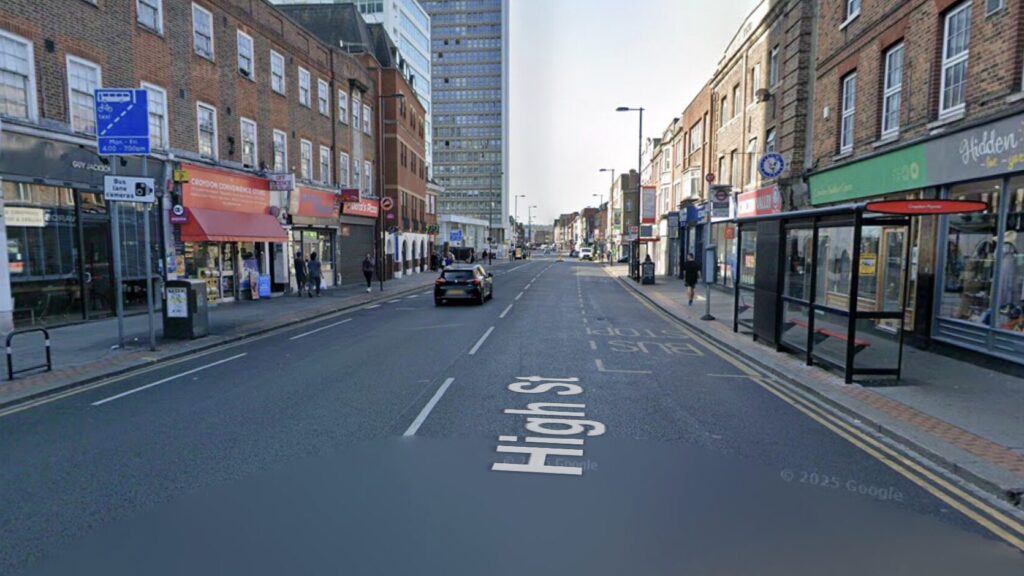
The pilot used LFR cameras mounted onto existing structures like lampposts in two locations of the high street. Cameras are only activated when officers are present and conducting a deployment.
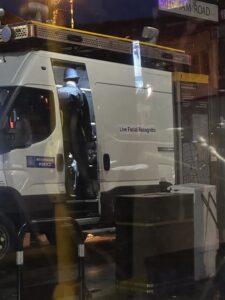
The system operates similarly to van-based deployments, but the camera feeds are monitored remotely, leaving police vans to be deployed elsewhere. The met says this “expands [their] overall LFR capability”.
Each deployment uses a “bespoke, intelligence-led watchlist” created no more than 24 hours beforehand, in line with Met police policy.
To assess its effectiveness, the pilot will undergo evaluation in the coming months. There are currently no plans to extend the pilot to other areas.
Submitted Article
Headline
Short Headline
Standfirst
Published Article
HeadlineFirst 100 arrests made following new Live Facial Recognition pilot in Croydon
Short Headline100 arrests made with Croydon Life Facial Recognition Pilot
StandfirstThe Metropolitan police have arrested more than 100 wanted people in the first three months of a Live Facial Recognition (LFR) pilot in Croydon.
The Metropolitan police have arrested more than 100 wanted people in the first three months of a Live Facial Recognition (LFR) pilot in Croydon.
The pioneering scheme, led to arrests being made on average every 34 minutes when in use, leading to more efficient police deployments.
Since the start of 2024, LFR deployments in Croydon has led to 249 arrests. Of those arrests, 193 have since been charged or cautioned.
Of those arrests, a third were for violence against women and girls (VAWG), such as sexual assault and strangulation. Others include burglary, possession of offensive weapon and recall to prison.
Croydon was selected as, according to the police, its “status as a crime hotspot”. Figures released by the met shows the pilot drove crime down as much as 12% in Fairfield Ward, Croydon.
Credit: WikiCommons
In a statement to the press, The Met national lead for live facial recognition said:
“The increase in LFR deployments across crime hotspots in London is driven by its proven impact and success — with more than 1,700 dangerous offenders taken off London’s streets since the start of 2024, including those wanted for rape and child abuse.
“This is why we are trialling a new and innovative pilot in Croydon. It allows us to explore a different way of using facial recognition by operating it remotely and more efficiently.
“The amount of arrests we have made in just 13 deployments shows the technology is already making an impact and helping to make Croydon safer. Public support remains strong, with 85% of Londoners backing the use of LFR to keep them safe.”
According to the Met, arrests using LFR are being made faster. The average time to locate wanted individuals has reduced by more than 50% compared with van-based deployments. We already know LFR is significantly quicker at locating wanted offenders that normal police tactics such as door-to-door enquiries.
How does LFR work?
The pilot used LFR cameras mounted onto existing structures like lampposts in two locations of the high street. Cameras are only activated when officers are present and conducting a deployment.
The system operates similarly to van-based deployments, but the camera feeds are monitored remotely, leaving police vans to be deployed elsewhere. The met says this “expands [their] overall LFR capability”.
Each deployment uses a “bespoke, intelligence-led watchlist” created no more than 24 hours beforehand, in line with Met police policy.
To assess its effectiveness, the pilot will undergo evaluation in the coming months. There are currently no plans to extend the pilot to other areas.
A 2024 Freedom of Information request showed Bromley Council had £4.5 million invested in arms companies that year with £1.5 million reportedly linked to Israel.
Undercover officers raided three linked shops in Barking town centre, revealing how illicit tobacco is being hidden in walls, ceilings and nearby locations to evade detection.