As the government announces ‘once in a generation’ reforms of the water industry, the Rivers Trust says it does not deliver change at the pace and scale rivers need.
In the wake of a “massive” Thames Water mains pipe burst, resulting in overnight flooding in West London, water infrastructure is under scrutiny.
This week the government announced the water white paper which outlines reforms they have described as the biggest overhaul of the water industry since privatisation. Key measures include MOT style health checks on pipes, pumps and treatment works.
Environment Secretary Emma Reynolds said there would be “nowhere to hide” for poor performing water companies, in comments made to the BBC.
“We’ve had a system whereby water companies are marking their own homework. This has been a whole system failure.”
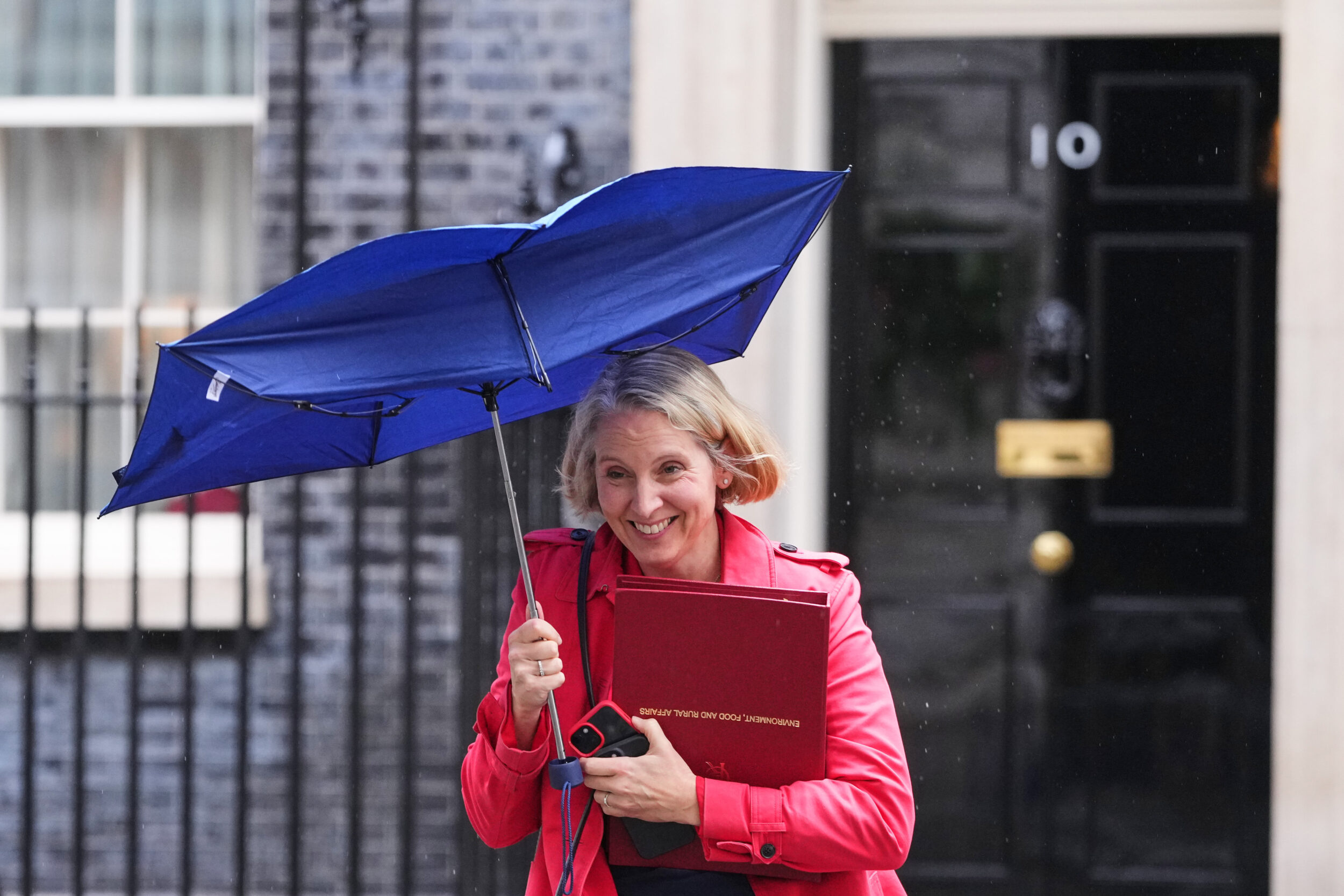
Emma Reynolds, Britain’s Secretary of State for Environment, Food and Rural Affairs leaves after attending a Cabinet meeting in Downing Street in London, Monday, Oct. 20, 2025. (AP Photo/Kirsty Wigglesworth)
Other proposals include the introduction of a centralised single water regulator with a chief engineer role, replacing Ofwat.
Household appliances such as washing machines and dishwashers will have smart meters and mandatory water efficiency labels to help monitor usage and costs.
But is it enough?
Tessa Wardley from the Rivers Trust, told City News she believes the paper sets out some positive intentions, but does not deliver change at the pace and scale rivers need.
“The lack of detail, weak integration and slow timelines are serious concerns. Transition arrangements can’t come soon enough.. delay risks locking in failure.”
Similar concerns of weak integration have already materialised. The Water (Special Measures Act) 2025 allowed Ofwat to ban performance-related bonuses for bosses at failing utilities following public and political outcry over rising bills, water outages and pollution and bonuses for bosses.
In a Public Accounts Committee this morning, MPs grilled Ofwat about preventing payments, as some companies have provoked backlash by paying senior executives in ways that appear to circumvent bans.
Committee chairman Sir Geoffrey Clifton-Brown called for “tough anti-avoidance legislation. I think our constituents are fed up with these water companies setting up these very complex corporate arrangements.”
The government hopes the new paper will be a turning point for the sector. Chris Waiters, Ofwat interim chief executive, said: “The creation of a new water regulator for England will bring a renewed focus, improve the sector for costumers, investors and the environment, and rebuild trust.”
“In the meantime, our work continues.”
Submitted Article
Headline
Short Headline
Standfirst
Published Article
HeadlineGovernment announce ‘once in a generation’ reforms
Short HeadlineLong ailing water sector will become centralised
Standfirst"Massive" pipe burst in West London caused overnight flooding and increased scrutiny
As the government announces ‘once in a generation’ reforms of the water industry, the Rivers Trust says it does not deliver change at the pace and scale rivers need.
In the wake of a “massive” Thames Water mains pipe burst, resulting in overnight flooding in West London, water infrastructure is under scrutiny.
This week the government announced the water white paper which outlines reforms they have described as the biggest overhaul of the water industry since privatisation. Key measures include MOT style health checks on pipes, pumps and treatment works.
Environment Secretary Emma Reynolds said there would be “nowhere to hide” for poor performing water companies, in comments made to the BBC.
“We’ve had a system whereby water companies are marking their own homework. This has been a whole system failure.”
Emma Reynolds, Britain’s Secretary of State for Environment, Food and Rural Affairs leaves after attending a Cabinet meeting in Downing Street in London, Monday, Oct. 20, 2025. (AP Photo/Kirsty Wigglesworth)
Other proposals include the introduction of a centralised single water regulator with a chief engineer role, replacing Ofwat.
Household appliances such as washing machines and dishwashers will have smart meters and mandatory water efficiency labels to help monitor usage and costs.
But is it enough?
Tessa Wardley from the Rivers Trust, told City News she believes the paper sets out some positive intentions, but does not deliver change at the pace and scale rivers need.
“The lack of detail, weak integration and slow timelines are serious concerns. Transition arrangements can’t come soon enough.. delay risks locking in failure.”
Similar concerns of weak integration have already materialised. The Water (Special Measures Act) 2025 allowed Ofwat to ban performance-related bonuses for bosses at failing utilities following public and political outcry over rising bills, water outages and pollution and bonuses for bosses.
In a Public Accounts Committee this morning, MPs grilled Ofwat about preventing payments, as some companies have provoked backlash by paying senior executives in ways that appear to circumvent bans.
Committee chairman Sir Geoffrey Clifton-Brown called for “tough anti-avoidance legislation. I think our constituents are fed up with these water companies setting up these very complex corporate arrangements.”
The government hopes the new paper will be a turning point for the sector. Chris Waiters, Ofwat interim chief executive, said: “The creation of a new water regulator for England will bring a renewed focus, improve the sector for costumers, investors and the environment, and rebuild trust.”
City news has spoken to a long-term rough sleeper to see how those on the street feel about the Andy Burham’s plan to end homelessness and the upcoming winter.