A recent report suggests repeated occupational exposure to contaminants, particularly toxic byproducts released during fires, may significantly increase the risk of developing cancer.
The London Assembly Fire Committee’s report published Wednesday identified asbestos, heavy metals and persistent organic pollutants among contaminants to be present at incidents.
The report noted even though more definitive research was needed, there was clear difference between higher cancer and abnormal tumour markers among firefighters compared with the general population.
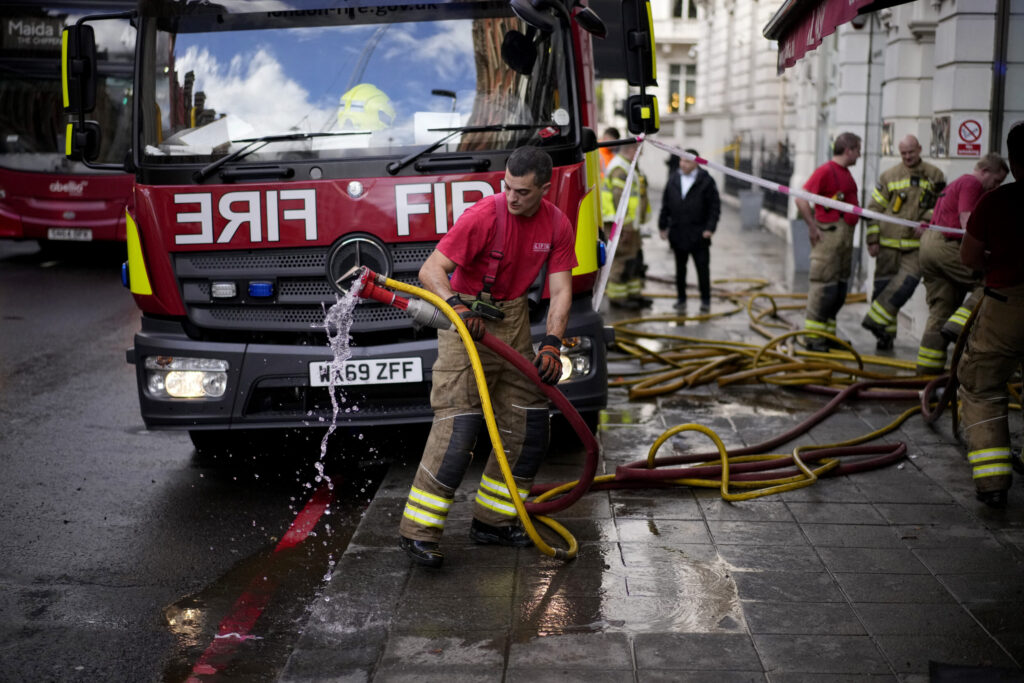
(AP Photo/Matt Dunham)
Of the 4% of firefighters surveyed, roughly one in 25, reported being diagnosed with cancer. The findings are based on a self-reported study of more than 11,000 serving and former firefighters.
The study suggests the prevalence of cancer was highest among firefighters aged 35 to 39, where rates were around three times higher than those seen in the wider population.
It also found that between 10% and 15% of respondents showed abnormal tumour marker results, compared with a control group from the public.
Steve Wright, Fire Brigades Union general secretary, said:
“Firefighters are dying younger and living with life-altering cancers and chronic illness. These are preventable occupational deaths, and this is a national scandal.”
“The UK is decades behind other countries on this issue, and this report underlines the urgent need for basic, long-overdue measures: stronger prevention measures, regular health monitoring for all firefighters, and re-evaluation of compensation for firefighters’ occupational diseases.”
“When so many other countries and international bodies are doing the right thing and recognising the risks firefighters face, it is time for our own government to stop ignoring the evidence and act.”
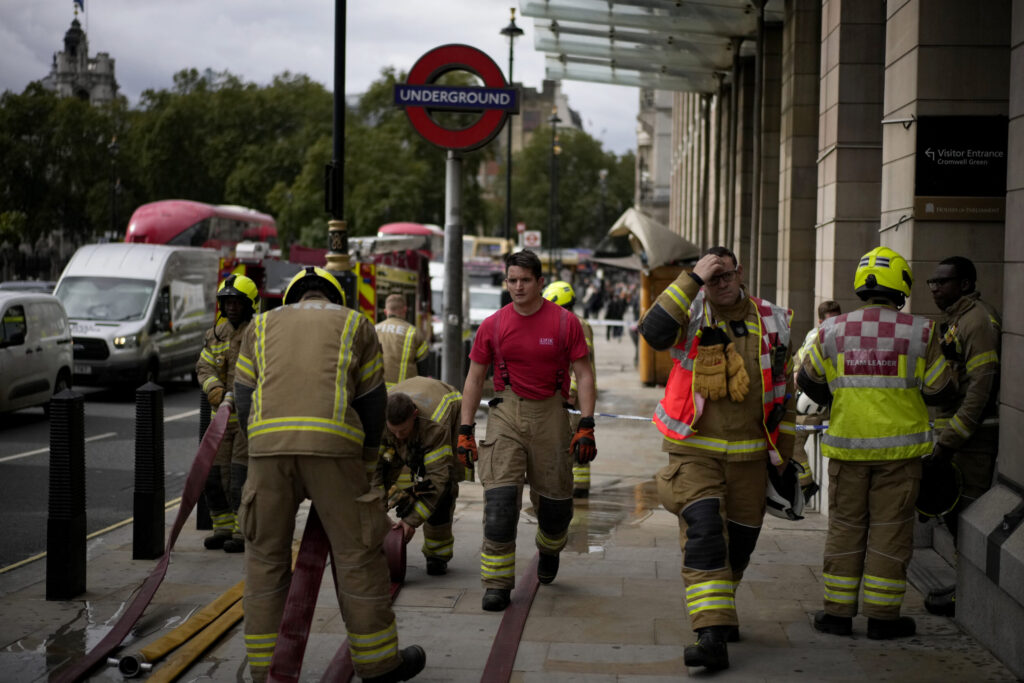
(AP Photo/Matt Dunham)
The committee made a number of recommendations which included the establishment of a UK-wide firefighter exposure and health monitoring programme, and piloting exposure monitoring for operational firefighters in London.
Additional measures have called for more rigorous training, assurance and compliance with fire contaminants policies, improved PPE supply and procurement planning, and lastly a greater emphasis on promoting health within occupational health services. With this in mind, the FBU published recommendations of “positive lifestyle changes, including smoking cessation, physical fitness, diet, sleep hygiene, and alcohol awareness”.
This is a developing story, we will bring you more details as they come. Please refresh the page to update.
HeadlineLondon Firefighters facing higher Risk of Cancer
Short HeadlineLondon Firefighters facing higher Risk of Cancer
StandfirstWhile danger has always been part of the job, new research is revealing a growing and largely hidden threat facing firefighters
A recent report suggests repeated occupational exposure to contaminants, particularly toxic byproducts released during fires, may significantly increase the risk of developing cancer.
The London Assembly Fire Committee’s report published Wednesday identified asbestos, heavy metals and persistent organic pollutants among contaminants to be present at incidents.
The report noted even though more definitive research was needed, there was clear difference between higher cancer and abnormal tumour markers among firefighters compared with the general population.
(AP Photo/Matt Dunham)
Of the 4% of firefighters surveyed, roughly one in 25, reported being diagnosed with cancer. The findings are based on a self-reported study of more than 11,000 serving and former firefighters.
The study suggests the prevalence of cancer was highest among firefighters aged 35 to 39, where rates were around three times higher than those seen in the wider population.
It also found that between 10% and 15% of respondents showed abnormal tumour marker results, compared with a control group from the public.
Steve Wright, Fire Brigades Union general secretary, said:
“Firefighters are dying younger and living with life-altering cancers and chronic illness. These are preventable occupational deaths, and this is a national scandal.”
“The UK is decades behind other countries on this issue, and this report underlines the urgent need for basic, long-overdue measures: stronger prevention measures, regular health monitoring for all firefighters, and re-evaluation of compensation for firefighters’ occupational diseases.”
“When so many other countries and international bodies are doing the right thing and recognising the risks firefighters face, it is time for our own government to stop ignoring the evidence and act.”
(AP Photo/Matt Dunham)
The committee made a number of recommendations which included the establishment of a UK-wide firefighter exposure and health monitoring programme, and piloting exposure monitoring for operational firefighters in London.
Additional measures have called for more rigorous training, assurance and compliance with fire contaminants policies, improved PPE supply and procurement planning, and lastly a greater emphasis on promoting health within occupational health services. With this in mind, the FBU published recommendations of “positive lifestyle changes, including smoking cessation, physical fitness, diet, sleep hygiene, and alcohol awareness”.
A 2024 Freedom of Information request showed Bromley Council had £4.5 million invested in arms companies that year with £1.5 million reportedly linked to Israel.
Undercover officers raided three linked shops in Barking town centre, revealing how illicit tobacco is being hidden in walls, ceilings and nearby locations to evade detection.
More than 330,000 people across the UK sought support from the Stop It Now helpline in 2025 over concerns about their own or someone else’s online sexual behaviour towards children, according to new charity data. The anonymous service says contacts by phone, email and webchat rose significantly over the year.