In a geopolitical climate marked by increasing religious and cultural tensions, Holocaust Memorial Day invites reflection on the lessons of the history and what they mean for a multicultural city like London today.
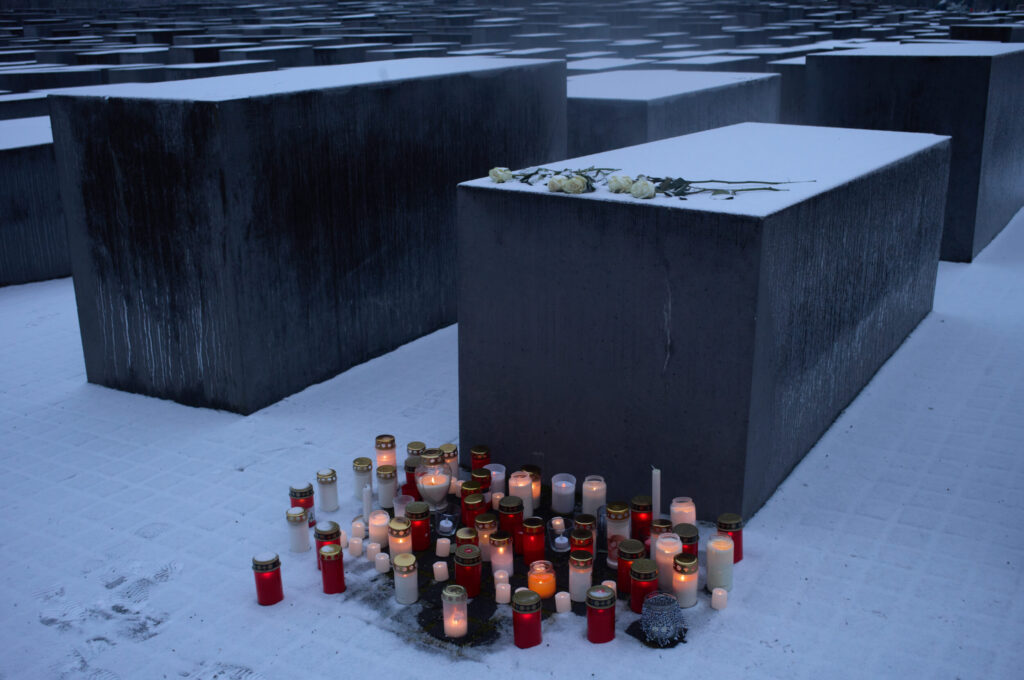
Candles placed in front of a concrete slab of the Holocaust memorial to mark the International Holocaust Memorial Day in Berlin, Germany, Tuesday, Jan. 27, 2026. Source: AP Photo/Markus Schreiber
Commemorating the Holocaust is becoming increasingly difficult with the passing of the last survivors of the concentration camps and, with them, the disappearance of their first-hand testimonies.
Each year on 27 January, the United Kingdom, alongside many other countries, commemorates Holocaust Memorial Day (HMD). The date marks the liberation of Auschwitz-Birkenau, the largest Nazi concentration and extermination camp, by Allied forces in 1945. This year marks the 80th anniversary of that liberation.
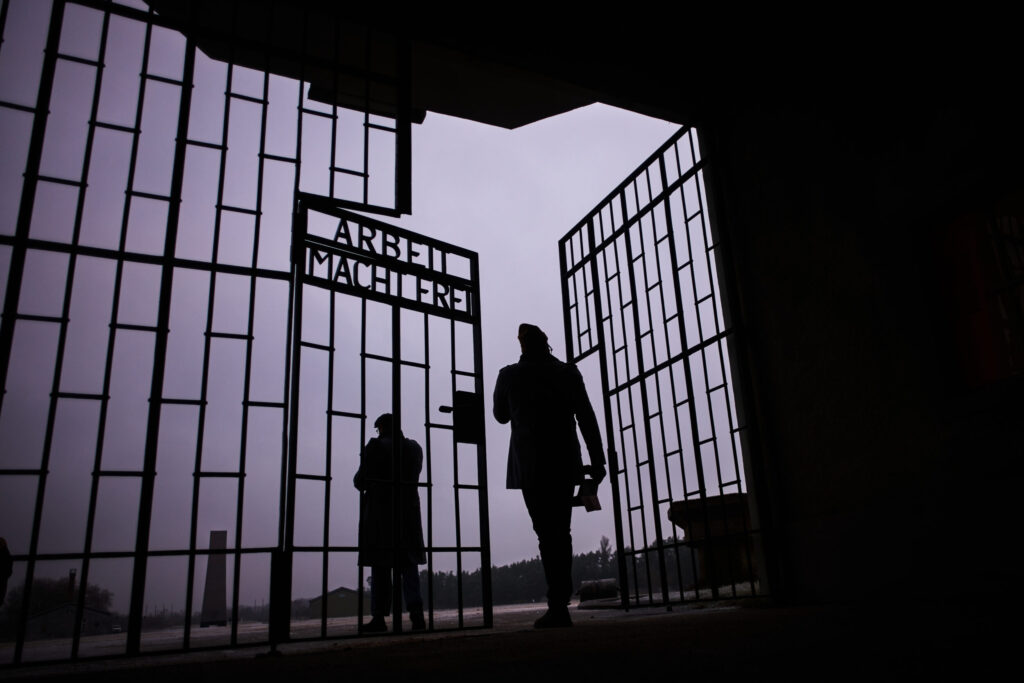
Two men enter the Nazi Concentration Camp Sachsenhausen through a gate with writing “Arbeit macht frei” in German reading “Work makes free”, on the eve on the International Holocaust Memorial Day in Oranienburg, Germany, Monday, Jan. 26, 2026. Source: AP Photo/Markus Schreiber
Holocaust Memorial Day honours the six million Jewish women, men, and children murdered during the Holocaust, as well as other victims of Nazi persecution.
A Duty to Remember
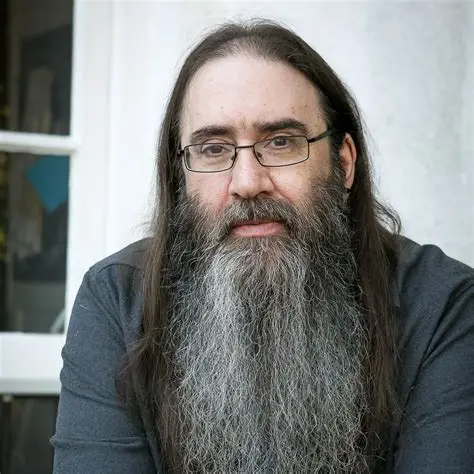
City News spoke to Francis Morton, a Generation 2 Generation (G2G) speaker and the son of Czechoslovak Jewish survivors, and sociologist Keith Kahn-Harris. Both stressed that remembrance is not only about honouring the past, but about preventing future atrocities.
Morton said the Holocaust should not be seen as unique and impossible to repeat. “When you see what people are capable of and what happens when others don’t stand against it, you realise it can happen again” he said, pointing to the genocide of the Tutsis in Rwanda and the persecution of Rohingya Muslims in Myanmar.
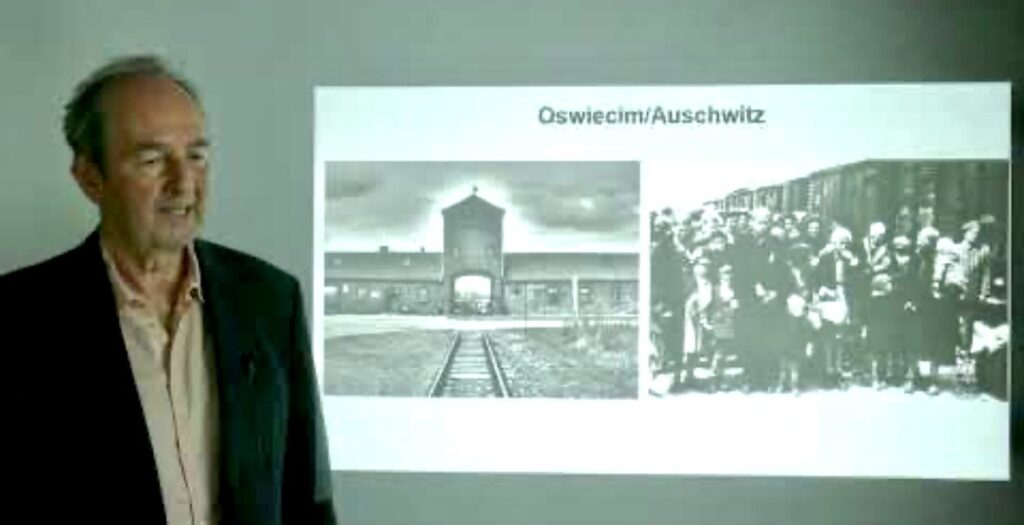
Source: Francis Morton from Generation 2 Generation
Kahn-Harris said Holocaust Memorial Day should serve both as remembrance and as a warning, “it should honour the dead, show they are not forgotten but also, it is a lesson to remember other genocides”.
Source: Keith Kahn-Harris
He added that the day is inevitably political. “It’s naïve to think it can be apolitical,” warning that criticism of Holocaust remembrance can sometimes turn into the exclusion or targeting of Jewish communities.
“At the moment, sensitivities are heightened” he said, making remembering the Holocaust more difficult but also more important.
Holocaust Memorial Day Fading from Education
Figures from the Holocaust Memorial Day Trust show a significant decline in the number of secondary schools in the United Kingdom marking Holocaust Memorial Day since 7 October 2023.
Around 2,000 schools commemorated the day in 2023, a number that fell to 1,200 in 2024 and to 854 in 2025. Schools cited security concerns, fears of confrontation, parental backlash, and attempts to politicise the event, particularly in relation to the Israel-Gaza conflict.
Keith Kahn-Harris described the decline as deeply worrying “when schools stop commemorating Holocaust Memorial Day, that sends a terrible message” he said. While expressing some empathy for schools facing tension, he worries that avoiding the topic risks silence replacing education.
Francis Morton also stressed the importance of education, “education is more important than ever,” he said. “Some people claim the Holocaust never happened. That shows how dangerous forgetting can be”.
A Changing Sense of Safety
Following the Manchester attack and a rise in anti-Semitic incidents, many Jewish people in London are questioning how safe it feels to express their identity openly, particularly younger people.
“I think students have it particularly tough right now because of political tensions felt in universities” Morton said. He said the situation makes him angry.
A young Jewish woman, who has asked to remain anonymous, told City News that the Israel-Gaza conflict has made her more cautious in her daily life.
“I started censoring myself and even changed my last name for my new job because it sounded typically Jewish” she said.
She described fear within her family. “My father told me to hide my Star of David necklace because he fears for my safety” she said.
She also recalled being advised to wear a long coat when attending synagogue to avoid drawing attention but, she added that increased police presence provides some reassurance.
Francis Morton noted, “people feel compelled to hide their Jewish identity” he said. “Many no longer wear a yarmulke except in places where they feel safe. That is very sad”.
“Never again”
Recent violent attacks at Jewish events abroad, policing controversies at football matches, and news that the United States may consider offering asylum to British Jews have added to growing anxieties.
However, Morton said talk of emigration reflects fear rather than a solution. “It does not look better in the US” he said. “In many ways, it seems worse”.
He stressed that today’s situation is not comparable to Britain in the 1950s, when he recalls antisemitic language and stereotypes were more openly expressed. He pointed to stronger anti-discrimination laws and political condemnation of antisemitism across the parties.
“”Never again” has to mean something” Morton said “Not just words, but action”.
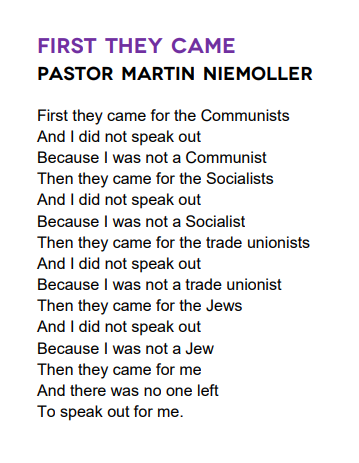
He referenced the warning in Martin Niemöller’s poem First They Came, which highlights the dangers of silence in the face of persecution.
Source: First They Came by Pastor Martin Niemöller from the Holocaust Memorial Day website
London City Hall Commemorating Holocaust Memorial Day
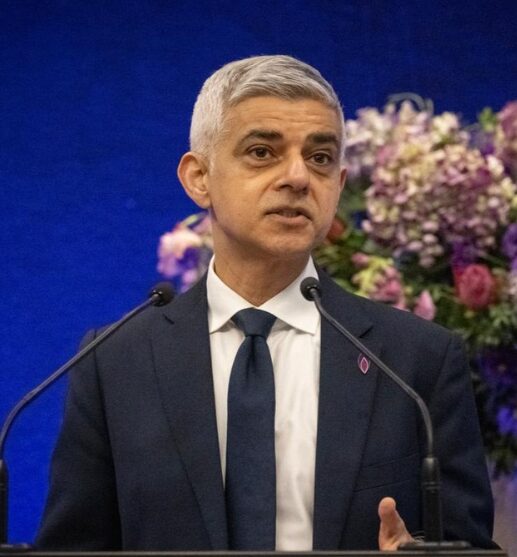
At a commemorative service at City Hall on 19 January, Mayor Sadiq Khan said Holocaust Memorial Day remains “essential”.
Source: Sadiq Khan from @mayorofldn
“It is a solemn reminder of the atrocities of the past and the shared responsibility we all carry to ensure such horrors are never repeated”, he said. He added that listening to survivors is becoming increasingly urgent as their numbers decline.
“There is no place for hate in our city” he said. This year’s theme, Bridging Generations, highlights remembrance not only as an act of memory, but also as a responsibility passed on to future generations in a ever changing world.
Submitted Article
Headline
Short Headline
Standfirst
Published Article
Headline“Education is more important than ever,” says son of Holocaust survivor
Short Headline
StandfirstMore than eight decades after the liberation of Auschwitz, City News hears from London's Jewish community on the importance of remembering.
In a geopolitical climate marked by increasing religious and cultural tensions, Holocaust Memorial Day invites reflection on the lessons of the history and what they mean for a multicultural city like London today.
Candles placed in front of a concrete slab of the Holocaust memorial to mark the International Holocaust Memorial Day in Berlin, Germany, Tuesday, Jan. 27, 2026. Source: AP Photo/Markus Schreiber
Commemorating the Holocaust is becoming increasingly difficult with the passing of the last survivors of the concentration camps and, with them, the disappearance of their first-hand testimonies.
Each year on 27 January, the United Kingdom, alongside many other countries, commemorates Holocaust Memorial Day (HMD). The date marks the liberation of Auschwitz-Birkenau, the largest Nazi concentration and extermination camp, by Allied forces in 1945. This year marks the 80th anniversary of that liberation.
Two men enter the Nazi Concentration Camp Sachsenhausen through a gate with writing “Arbeit macht frei” in German reading “Work makes free”, on the eve on the International Holocaust Memorial Day in Oranienburg, Germany, Monday, Jan. 26, 2026. Source: AP Photo/Markus Schreiber
Holocaust Memorial Day honours the six million Jewish women, men, and children murdered during the Holocaust, as well as other victims of Nazi persecution.
A Duty to Remember
City News spoke to Francis Morton, a Generation 2 Generation (G2G) speaker and the son of Czechoslovak Jewish survivors, and sociologist Keith Kahn-Harris. Both stressed that remembrance is not only about honouring the past, but about preventing future atrocities.
Morton said the Holocaust should not be seen as unique and impossible to repeat. “When you see what people are capable of and what happens when others don’t stand against it, you realise it can happen again” he said, pointing to the genocide of the Tutsis in Rwanda and the persecution of Rohingya Muslims in Myanmar.
Source: Francis Morton from Generation 2 Generation
Kahn-Harris said Holocaust Memorial Day should serve both as remembrance and as a warning, “it should honour the dead, show they are not forgotten but also, it is a lesson to remember other genocides”.
Source: Keith Kahn-Harris
He added that the day is inevitably political. “It’s naïve to think it can be apolitical,” warning that criticism of Holocaust remembrance can sometimes turn into the exclusion or targeting of Jewish communities.
“At the moment, sensitivities are heightened” he said, making remembering the Holocaust more difficult but also more important.
Holocaust Memorial Day Fading from Education
Figures from the Holocaust Memorial Day Trust show a significant decline in the number of secondary schools in the United Kingdom marking Holocaust Memorial Day since 7 October 2023.
Around 2,000 schools commemorated the day in 2023, a number that fell to 1,200 in 2024 and to 854 in 2025. Schools cited security concerns, fears of confrontation, parental backlash, and attempts to politicise the event, particularly in relation to the Israel-Gaza conflict.
Keith Kahn-Harris described the decline as deeply worrying “when schools stop commemorating Holocaust Memorial Day, that sends a terrible message” he said. While expressing some empathy for schools facing tension, he worries that avoiding the topic risks silence replacing education.
Francis Morton also stressed the importance of education, “education is more important than ever,” he said. “Some people claim the Holocaust never happened. That shows how dangerous forgetting can be”.
A Changing Sense of Safety
Following the Manchester attack and a rise in anti-Semitic incidents, many Jewish people in London are questioning how safe it feels to express their identity openly, particularly younger people.
“I think students have it particularly tough right now because of political tensions felt in universities” Morton said. He said the situation makes him angry.
A young Jewish woman, who has asked to remain anonymous, told City News that the Israel-Gaza conflict has made her more cautious in her daily life.
“I started censoring myself and even changed my last name for my new job because it sounded typically Jewish” she said.
She described fear within her family. “My father told me to hide my Star of David necklace because he fears for my safety” she said.
She also recalled being advised to wear a long coat when attending synagogue to avoid drawing attention but, she added that increased police presence provides some reassurance.
Francis Morton noted, “people feel compelled to hide their Jewish identity” he said. “Many no longer wear a yarmulke except in places where they feel safe. That is very sad”.
“Never again”
Recent violent attacks at Jewish events abroad, policing controversies at football matches, and news that the United States may consider offering asylum to British Jews have added to growing anxieties.
However, Morton said talk of emigration reflects fear rather than a solution. “It does not look better in the US” he said. “In many ways, it seems worse”.
He stressed that today’s situation is not comparable to Britain in the 1950s, when he recalls antisemitic language and stereotypes were more openly expressed. He pointed to stronger anti-discrimination laws and political condemnation of antisemitism across the parties.
“”Never again” has to mean something” Morton said “Not just words, but action”.
He referenced the warning in Martin Niemöller’s poem First They Came, which highlights the dangers of silence in the face of persecution.
Source: First They Came by Pastor Martin Niemöller from the Holocaust Memorial Day website
London City Hall Commemorating Holocaust Memorial Day
At a commemorative service at City Hall on 19 January, Mayor Sadiq Khan said Holocaust Memorial Day remains “essential”.
Source: Sadiq Khan from @mayorofldn
“It is a solemn reminder of the atrocities of the past and the shared responsibility we all carry to ensure such horrors are never repeated”, he said. He added that listening to survivors is becoming increasingly urgent as their numbers decline.
“There is no place for hate in our city” he said. This year’s theme, Bridging Generations, highlights remembrance not only as an act of memory, but also as a responsibility passed on to future generations in a ever changing world.
A 2024 Freedom of Information request showed Bromley Council had £4.5 million invested in arms companies that year with £1.5 million reportedly linked to Israel.
Undercover officers raided three linked shops in Barking town centre, revealing how illicit tobacco is being hidden in walls, ceilings and nearby locations to evade detection.
More than 330,000 people across the UK sought support from the Stop It Now helpline in 2025 over concerns about their own or someone else’s online sexual behaviour towards children, according to new charity data. The anonymous service says contacts by phone, email and webchat rose significantly over the year.