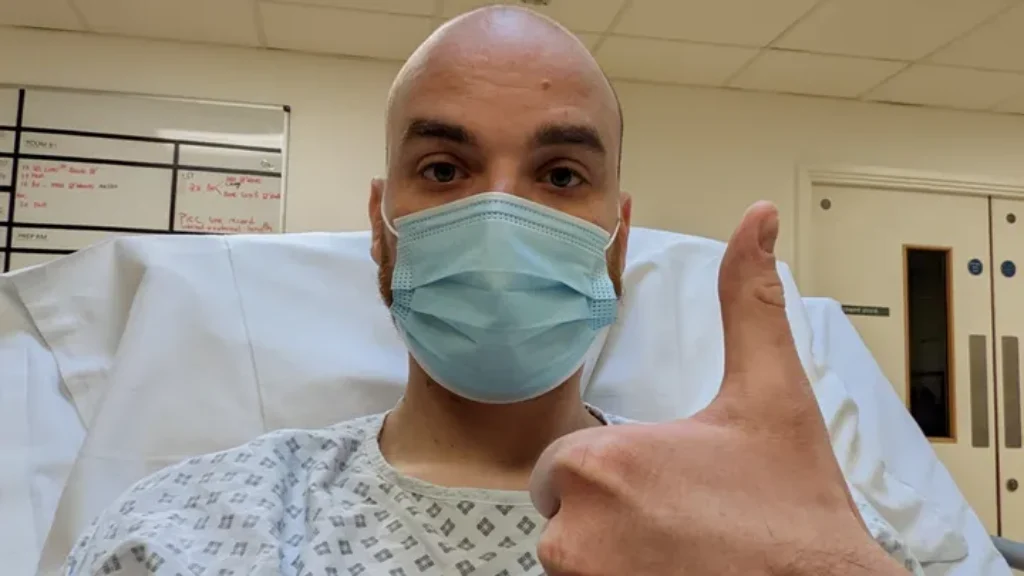
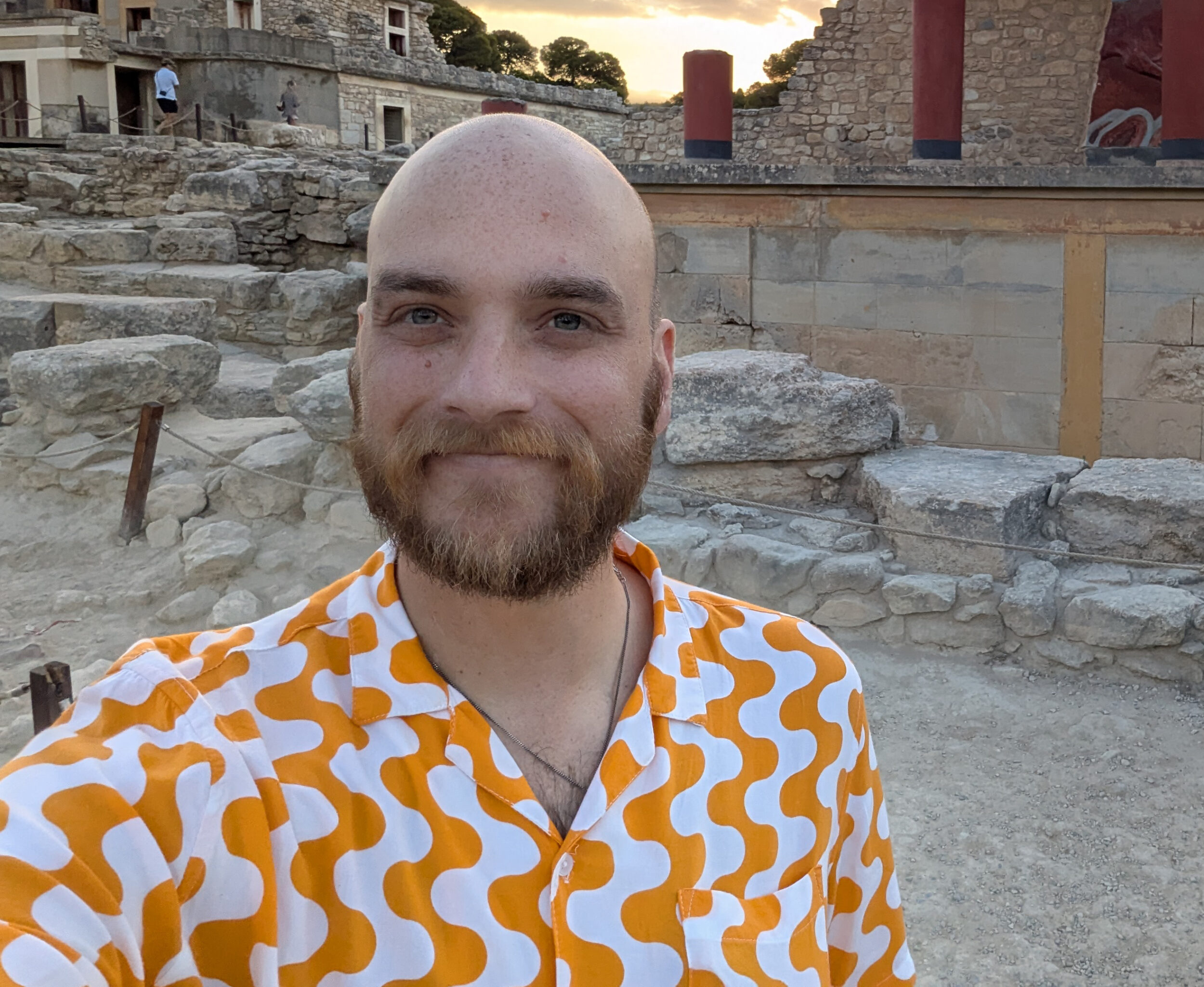
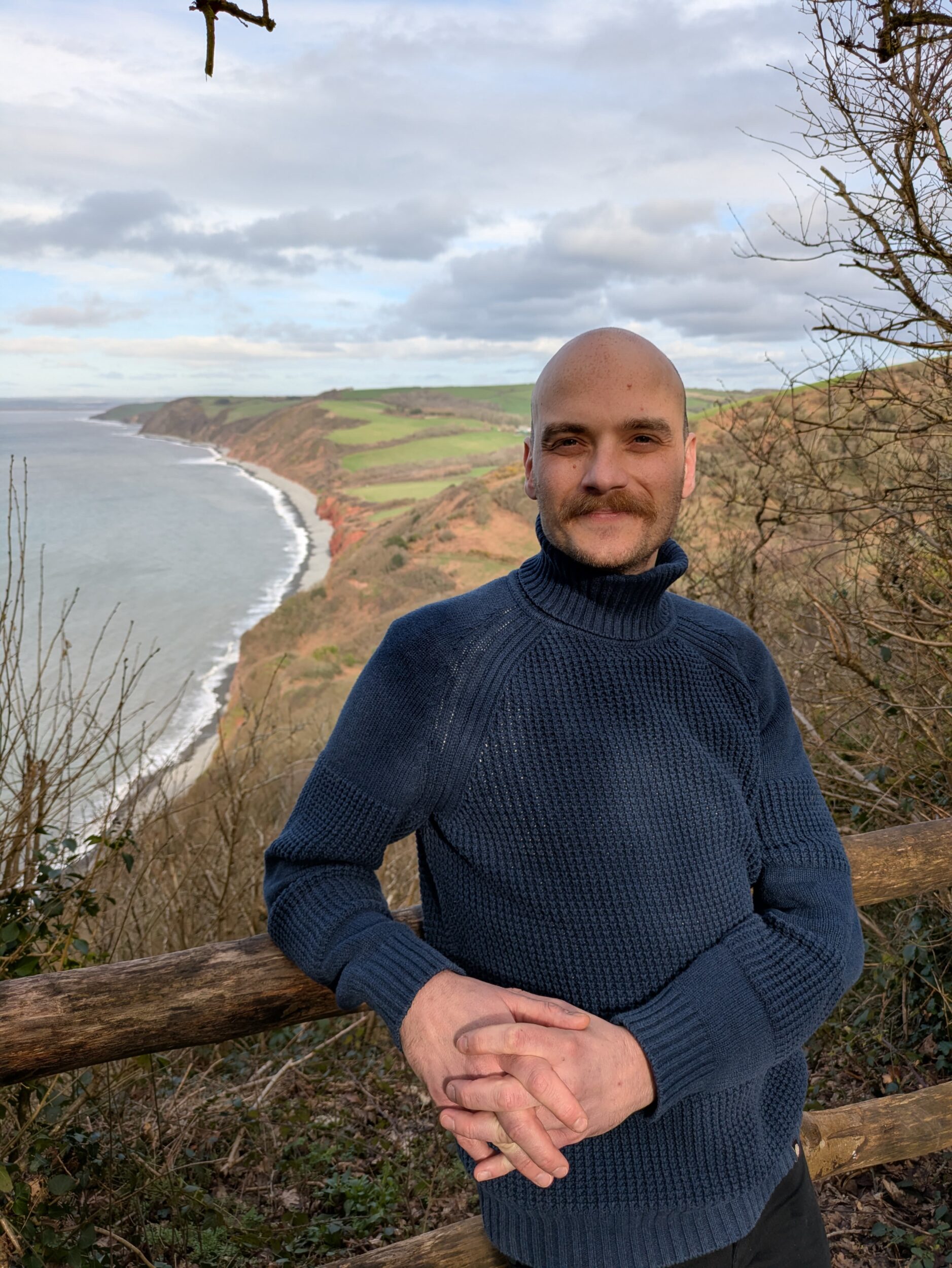
Jon Chapple, diagnosed with bowel cancer at 32 after experiencing persistent stomach pains, has turned to crowdfunding to help cover some of the costs of his cancer treatment and related expenses.
Stage 4 bowel cancer means that the cancer has spread to other parts of the body which is harder to treat.
In Jon’s case, it has spread to his liver and stomach.
Diagnosis: “It was like being hit by a bus”
Jon was diagnosed with stage 4 bowel cancer following a period of symptoms and delayed medical appointments.
When first receiving the diagnosis, Jon says
“It was like being hit by a bus… sheer panic, sheer terror, sadness, anger, all at once.”
Reflecting on that time, he says it is difficult to fully separate the impact of the Covid-19 pandemic from individual decisions made about his care.
“I’ve always advocated for myself and done my own research in a way that not everyone is able to and or has the inclination to.”
An investigation was later carried out into aspects of his care and found that more urgency should have been taken when responding to his initial symptoms and arranging further tests.
Crowdfunding Cancer
He set up a GoFundMe page after learning that some alternative treatment options would be costly or not readily accessible.
Jon Chapple
“It’s been massively helpful,” he says.
“If I was having to find £25,000 for this operation, I don’t even know where I’d start… knowing that you’ve got some cash there just takes that pressure off.”
Jon has continued to update those who donated, sharing his progress every few months.
While the financial support has been vital, Jon says asking for money publicly is not easy.
“It is embarrassing to have to go cap in hand to people… I was angry that I had to do it.”
Jon’s GoFundMe page
However, having had a successful campaign, Jon has been “pleasantly surprised” by the “kindness of strangers” who have “rallied behind” him.
For Jon, fundraising became not just a practical necessity, but part of a wider experience shared by others navigating serious illness.
Medical crowdfunding surges in London
His experience comes as increasing numbers of people turn to crowdfunding platforms to cover private medical costs.
Between 2021 and 2025, the platform GoFundMe has seen a 408% rise in medical campaigns in London.
This year alone, they have seen more than 15 medical fundraisers started every day in the city.
A GoFundMe spokesperson told City News:
“We’re seeing a significant rise in people asking for and receiving help with urgent medical needs. This shows the power of community, especially in cities like London.”
Jon knows of many others that have also turned to crowdfunding platforms because they needed money.
Private healthcare provides alternative and experimental treatments that patients hope can help prolong their lives.
But accessing this care is costly, and asking for money publicly is not always easy.
Living with uncertainty
Jon has since undergone surgery to remove the primary tumour and continues treatment for cancer in his liver.
The money raised has helped fund procedures, cover associated costs, and provide a degree of stability.
He is frugal with his spending, using it only if absolutely necessary.
Despite the seriousness of his diagnosis, he says he is trying to focus on the present.
“Stage 4, it’s very hard to get rid of… so I’m just trying to take it as it comes, quite zen.”
Jon Chapple
The experience of treatment has also brought emotional challenges.
Jon reflects on connecting with other patients:
“I try not to get too close to people who want to chat in the chemo suite now, because every time I make friends with someone, they just die.”
He continues to update those who supported him, sharing both progress and setbacks.
For Jon, the experience has been shaped not only by illness, but by the community that has formed around him – one that reflects a wider shift in how patients are navigating the cost and complexity of care.
Submitted Article
Headline
Short Headline
Standfirst
Published Article
HeadlineStage 4 and crowdfunding: Jon’s fight with bowel cancer amid a surge in public fundraising
Short HeadlineCancer patient raises £150,000 as London crowdfunding soars
StandfirstJon Chapple has raised nearly £150,000 through GoFundMe to help fund treatment, as its medical crowdfunding in London has surged 408% since 2021.
Jon Chapple, diagnosed with bowel cancer at 32 after experiencing persistent stomach pains, has turned to crowdfunding to help cover some of the costs of his cancer treatment and related expenses.
Stage 4 bowel cancer means that the cancer has spread to other parts of the body which is harder to treat.
In Jon’s case, it has spread to his liver and stomach.
Diagnosis: “It was like being hit by a bus”
Jon was diagnosed with stage 4 bowel cancer following a period of symptoms and delayed medical appointments.
When first receiving the diagnosis, Jon says
“It was like being hit by a bus… sheer panic, sheer terror, sadness, anger, all at once.”
Reflecting on that time, he says it is difficult to fully separate the impact of the Covid-19 pandemic from individual decisions made about his care.
“I’ve always advocated for myself and done my own research in a way that not everyone is able to and or has the inclination to.”
An investigation was later carried out into aspects of his care and found that more urgency should have been taken when responding to his initial symptoms and arranging further tests.
Crowdfunding Cancer
He set up a GoFundMe page after learning that some alternative treatment options would be costly or not readily accessible.
Jon Chapple
“It’s been massively helpful,” he says.
“If I was having to find £25,000 for this operation, I don’t even know where I’d start… knowing that you’ve got some cash there just takes that pressure off.”
Jon has continued to update those who donated, sharing his progress every few months.
While the financial support has been vital, Jon says asking for money publicly is not easy.
“It is embarrassing to have to go cap in hand to people… I was angry that I had to do it.”
Jon’s GoFundMe page
However, having had a successful campaign, Jon has been “pleasantly surprised” by the “kindness of strangers” who have “rallied behind” him.
For Jon, fundraising became not just a practical necessity, but part of a wider experience shared by others navigating serious illness.
Medical crowdfunding surges in London
His experience comes as increasing numbers of people turn to crowdfunding platforms to cover private medical costs.
Between 2021 and 2025, the platform GoFundMe has seen a 408% rise in medical campaigns in London.
This year alone, they have seen more than 15 medical fundraisers started every day in the city.
A GoFundMe spokesperson told City News:
“We’re seeing a significant rise in people asking for and receiving help with urgent medical needs. This shows the power of community, especially in cities like London.”
Jon knows of many others that have also turned to crowdfunding platforms because they needed money.
Private healthcare provides alternative and experimental treatments that patients hope can help prolong their lives.
But accessing this care is costly, and asking for money publicly is not always easy.
Living with uncertainty
Jon has since undergone surgery to remove the primary tumour and continues treatment for cancer in his liver.
The money raised has helped fund procedures, cover associated costs, and provide a degree of stability.
He is frugal with his spending, using it only if absolutely necessary.
Despite the seriousness of his diagnosis, he says he is trying to focus on the present.
“Stage 4, it’s very hard to get rid of… so I’m just trying to take it as it comes, quite zen.”
Jon Chapple
The experience of treatment has also brought emotional challenges.
Jon reflects on connecting with other patients:
“I try not to get too close to people who want to chat in the chemo suite now, because every time I make friends with someone, they just die.”
He continues to update those who supported him, sharing both progress and setbacks.
For Jon, the experience has been shaped not only by illness, but by the community that has formed around him – one that reflects a wider shift in how patients are navigating the cost and complexity of care.
A 2024 Freedom of Information request showed Bromley Council had £4.5 million invested in arms companies that year with £1.5 million reportedly linked to Israel.
Undercover officers raided three linked shops in Barking town centre, revealing how illicit tobacco is being hidden in walls, ceilings and nearby locations to evade detection.
More than 330,000 people across the UK sought support from the Stop It Now helpline in 2025 over concerns about their own or someone else’s online sexual behaviour towards children, according to new charity data. The anonymous service says contacts by phone, email and webchat rose significantly over the year.