Blake Fielder-Civil’s life as he breaks silence on Amy Winehouse
In a rare, candid interview, Blake Fielder-Civil opens up about the relationship that gripped a generation - and why he refuses to carry the guilt alone.
For nearly two decades, Blake Fielder-Civil has been a peripheral figure in one of pop music’s most tragic narratives, often cast as the villain who introduced Amy Winehouse to heroin. Now, the 43-year-old has given his first long-form interview, attempting to reclaim a story defined by addiction, tabloid scandal and profound loss.
In a conversation with broadcaster Paul C. Brunson, Fielder-Civil spoke candidly about his relationship with Winehouse, his own ongoing struggles, and why he refuses to carry the burden of blame for her death alone.
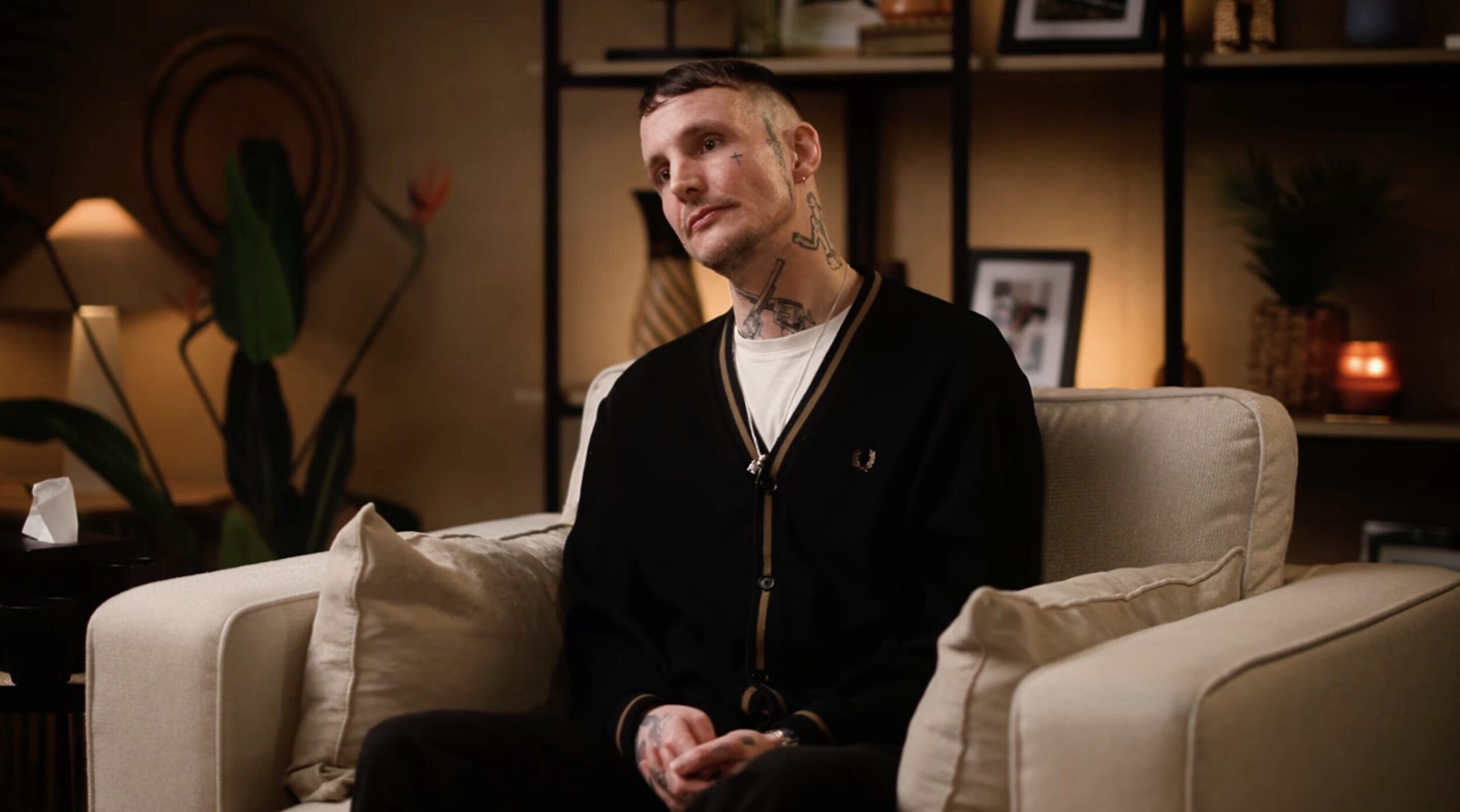
Blake Fielder-Civil spoke publicly about his relationship with Amy Winehouse and his journey in addiction recovery. (Image Credit: We Need To Talk podcast)
Who is Blake Fielder-Civil?
Born in Lincolnshire, Fielder-Civil was a privately educated music video production assistant who moved to London to build a career. His life irrevocably changed in 2005 when he met Winehouse in a Camden pub. The connection was immediate and intense – within a month, she had “Blake’s” tattooed above her breast.
Their relationship was whirlwind and volatile. After a brief separation, during which a devastated Winehouse channeled her grief into writing her seminal album Back to Black, the pair reconciled and married on a Miami beach in May 2007.
The marriage was overshadowed by mutual, destructive drug addiction. Fielder-Civil has previously admitted introducing Winehouse to heroin, a moment he says he deeply regrets. In 2007, he was sentenced to 27 months in prison for attacking a pub landlord and attempting to bribe the victim. The couple divorced in 2009.
Life After Amy
Following his divorce, Fielder-Civil met Sarah Aspin in rehab. They had two children before separating in 2018. In a tragic echo of the past, Aspin was found dead at her Leeds home in February 2026, aged 47. Her death is being treated as unexplained.
The losses have accumulated. In 2021, his younger brother Freddie died from a heroin overdose at the age of 27. It has also been widely reported that his two children with Aspin were adopted after his mother, concerned for their welfare, contacted social services.
Now in his forties, Fielder-Civil is reported to be living in a bedsit in Leeds, in an area neighbours describe as blighted by drug use.
‘We became addicts together’
In the interview, Fielder-Civil did not shy away from the role drugs played. Asked if they became mutual enablers, he replied directly: “We became addicts together. I knew that for a fact.”
However, he pushed back against the narrative that he manipulated Winehouse, insisting she had experimented with drugs before they met. While confirming the first time she tried heroin was with him, he described it as shared, reckless behaviour rather than malice. “There was no destructive element to it. It was ‘do you want to try this?'” he said.
Amy Winehouse performing on stage in 2007. The singer’s landmark album Back to Black, released that year, drew heavily on her personal relationships. (AP Photo/Brian Kersey)
The Question of Blame
On responsibility for Winehouse’s 2011 death from alcohol poisoning, Fielder-Civil was measured but firm. He acknowledged he had a “part to play” but stated emphatically: “My stance now is that I know a lot of people… would have an idea that Amy’s passing is my responsibility.”
He argued the singer had her own agency. “Amy did what she wanted to do and even knowing the drinking had started to hurt her, she carried on.”
He also revealed they had been in contact shortly before her death and were tentatively discussing reconciliation. Learning of her death while in prison, he said, was a “surreal” moment that felt like a “worst nightmare.”
A Life Still Being Rebuilt
Fielder-Civil said his motivation for speaking now was to “take control of my own narrative,” feeling he has not been “accurately represented.” He maintains he is not seeking to denigrate her memory. “I’m never, ever here to say, ‘Amy Winehouse was bad,’ you know. Not at all. But I know Amy wasn’t a saint,” he said.
Asked what he would say to Winehouse now, his response was simple: he would want her to know “that I’m doing well, that I’m happy, that I’m clean. That would mean everything to her.”
He added that he now has a life and is in love, but conceded the past is never truly left behind. “I cannot live in the past,” he said – a statement that, given the litany of personal tragedy surrounding him, seems both an aspiration and a daily struggle.
Submitted Article
Headline
Short Headline
Standfirst
Published Article
HeadlineBlake Fielder-Civil’s life as he breaks silence on Amy Winehouse
Short HeadlineBlake Fielder-Civil's life as he breaks silence on Amy Winehouse
Standfirst In a rare, candid interview, Blake Fielder-Civil opens up about the relationship that gripped a generation - and why he refuses to carry the guilt alone.
For nearly two decades, Blake Fielder-Civil has been a peripheral figure in one of pop music’s most tragic narratives, often cast as the villain who introduced Amy Winehouse to heroin. Now, the 43-year-old has given his first long-form interview, attempting to reclaim a story defined by addiction, tabloid scandal and profound loss.
In a conversation with broadcaster Paul C. Brunson, Fielder-Civil spoke candidly about his relationship with Winehouse, his own ongoing struggles, and why he refuses to carry the burden of blame for her death alone.
Blake Fielder-Civil spoke publicly about his relationship with Amy Winehouse and his journey in addiction recovery. (Image Credit: We Need To Talk podcast)
Who is Blake Fielder-Civil?
Born in Lincolnshire, Fielder-Civil was a privately educated music video production assistant who moved to London to build a career. His life irrevocably changed in 2005 when he met Winehouse in a Camden pub. The connection was immediate and intense – within a month, she had “Blake’s” tattooed above her breast.
Their relationship was whirlwind and volatile. After a brief separation, during which a devastated Winehouse channeled her grief into writing her seminal album Back to Black, the pair reconciled and married on a Miami beach in May 2007.
The marriage was overshadowed by mutual, destructive drug addiction. Fielder-Civil has previously admitted introducing Winehouse to heroin, a moment he says he deeply regrets. In 2007, he was sentenced to 27 months in prison for attacking a pub landlord and attempting to bribe the victim. The couple divorced in 2009.
Life After Amy
Following his divorce, Fielder-Civil met Sarah Aspin in rehab. They had two children before separating in 2018. In a tragic echo of the past, Aspin was found dead at her Leeds home in February 2026, aged 47. Her death is being treated as unexplained.
The losses have accumulated. In 2021, his younger brother Freddie died from a heroin overdose at the age of 27. It has also been widely reported that his two children with Aspin were adopted after his mother, concerned for their welfare, contacted social services.
Now in his forties, Fielder-Civil is reported to be living in a bedsit in Leeds, in an area neighbours describe as blighted by drug use.
‘We became addicts together’
In the interview, Fielder-Civil did not shy away from the role drugs played. Asked if they became mutual enablers, he replied directly: “We became addicts together. I knew that for a fact.”
However, he pushed back against the narrative that he manipulated Winehouse, insisting she had experimented with drugs before they met. While confirming the first time she tried heroin was with him, he described it as shared, reckless behaviour rather than malice. “There was no destructive element to it. It was ‘do you want to try this?'” he said.
Amy Winehouse performing on stage in 2007. The singer’s landmark album Back to Black, released that year, drew heavily on her personal relationships. (AP Photo/Brian Kersey)
The Question of Blame
On responsibility for Winehouse’s 2011 death from alcohol poisoning, Fielder-Civil was measured but firm. He acknowledged he had a “part to play” but stated emphatically: “My stance now is that I know a lot of people… would have an idea that Amy’s passing is my responsibility.”
He argued the singer had her own agency. “Amy did what she wanted to do and even knowing the drinking had started to hurt her, she carried on.”
He also revealed they had been in contact shortly before her death and were tentatively discussing reconciliation. Learning of her death while in prison, he said, was a “surreal” moment that felt like a “worst nightmare.”
A Life Still Being Rebuilt
Fielder-Civil said his motivation for speaking now was to “take control of my own narrative,” feeling he has not been “accurately represented.” He maintains he is not seeking to denigrate her memory. “I’m never, ever here to say, ‘Amy Winehouse was bad,’ you know. Not at all. But I know Amy wasn’t a saint,” he said.
Asked what he would say to Winehouse now, his response was simple: he would want her to know “that I’m doing well, that I’m happy, that I’m clean. That would mean everything to her.”
He added that he now has a life and is in love, but conceded the past is never truly left behind. “I cannot live in the past,” he said – a statement that, given the litany of personal tragedy surrounding him, seems both an aspiration and a daily struggle.
A 2024 Freedom of Information request showed Bromley Council had £4.5 million invested in arms companies that year with £1.5 million reportedly linked to Israel.
Undercover officers raided three linked shops in Barking town centre, revealing how illicit tobacco is being hidden in walls, ceilings and nearby locations to evade detection.
More than 330,000 people across the UK sought support from the Stop It Now helpline in 2025 over concerns about their own or someone else’s online sexual behaviour towards children, according to new charity data. The anonymous service says contacts by phone, email and webchat rose significantly over the year.