The Sony Walkman. Skinny jeans. Frosted tips – formerly fashionable and trendy, nowadays? Perhaps not.
Culture shifts seem to be coming thick and fast, in a digital age where the flame of every craze burns for as long as algorithms allow, before an inevitable saturation of your For You Page leads to an untimely death.
Some vogues, however, have found renewed glory in a contemporary thirst for nostalgia, as “state-of-the-art” becomes “straight from the past”.
So, what’s now hip that once became the height of uncool?
Flip/brick phones
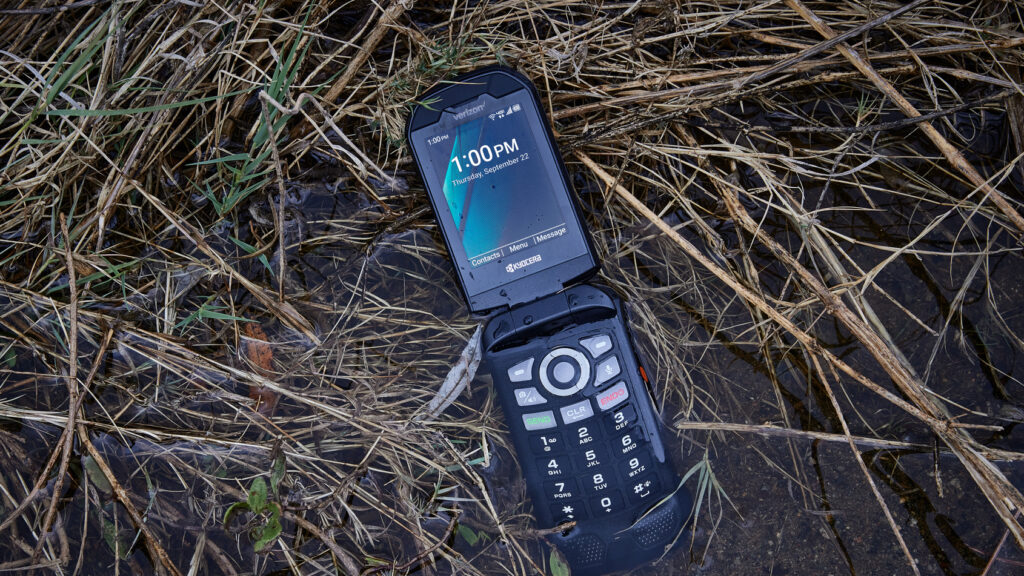
Modern flip phones are keeping the touch screen but have added a flip mechanism – “dumbphones”, however, are completely back to basics. (AP Business Wire)
A turn to the touch screen, orchestrated by LG’s Prada and Apple’s original iPhone, saw the swift demise of previously popular lines like the Motorola RAZR and, of course, the notorious Nokia brick phone.
Nevertheless, a yearning for the sentimental clamshell click and the rise of “dumbphones”- a return to digital simplicity following concerns around smartphone addiction, social media overload and data privacy, especially amongst young people – has led to sales of flip phones skyrocketing.
In fact, according to Grand View Horizon, by 2030 the global flip/foldable phone market will reach a value of nearly £43bn.
So maybe, now’s the time to join the call.
Jeans
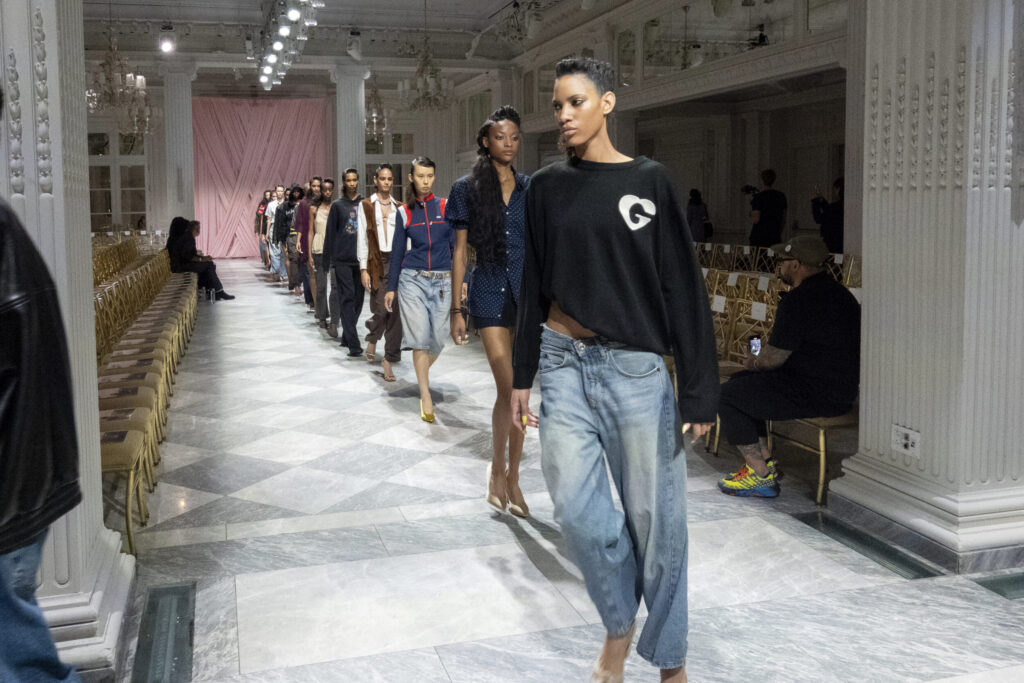
Baggy is in, but for how long? Models wearing designer Bibhu Mohapatra’s spring 2026 ready-to-wear collection at New York Fashion Week. (AP Photo/Ted Shaffrey)
Not any old jeans, of course. Those have been around forever (well, the 1870s).
There was once a time when baggy, loose-fitting jeans were a sign of being a skater: a denim stitch woven from a counterculture, alternative, rebellious and nonconforming attitude.
Conversely, skinny jeans were the blueprint for any social occasion. If you felt really adventurous, perhaps with a slit or two in the fabric. That, and a “going out top”, obviously.
Now? It’s quite the opposite.
Flowing, airy clothing has come to represent conducting yourself effortlessly; it manifests as a way to break free from form-fitting clothing and a pressured, societal need to look as good in your own body as you do in your clothes.
It also means you can move comfortably, for example throwing shapes on the dancefloor with no inhibitions about tearing your precious garments after performing a perfect pirouette.
That being said, skinny jeans could be about to re-enter the ever-unpredictable fashion cycle.
The catwalks for the Spring/Summer 2026 collections of Celine, Dior, Balenciaga and Acne Studios all featured models sporting tight-fitting denim, signalling yet another drift into yesteryear.
Vinyl
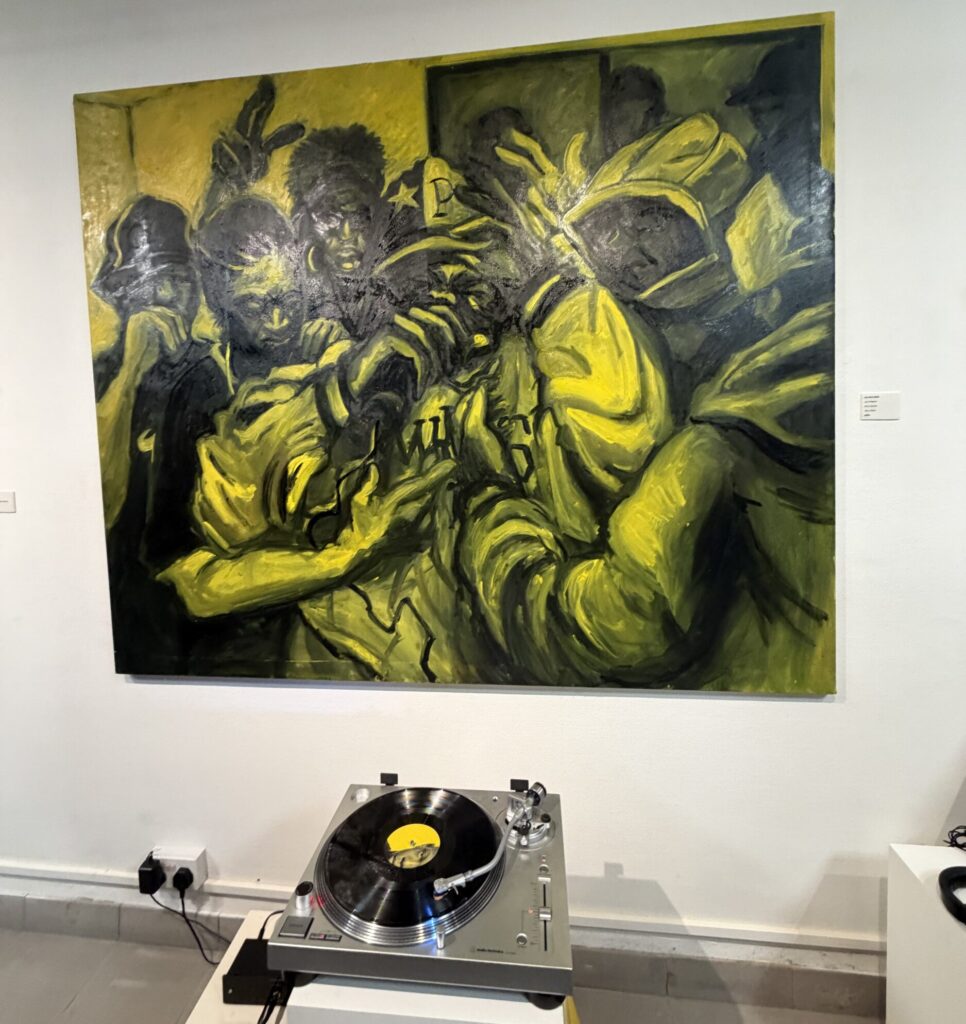
The increase in vinyl use comes alongside its connection to art, as a decorative feature for the home rather than just a record. (Naz Islam)
When CDs took over in the late 1980s in the UK, a slump in vinyl record sales rapidly followed. But with the growth of indie rock in the decade between 2005 and 2015, sales of Long Plays (LPs) soared – and in 2016, the country saw 3.2 million vinyl sales, a 25-year record.
It only continued to grow, reaching a 16th consecutive year of increased vinyl sales in 2023. Vinyl had become so revived that in 2024, for the first time in 32 years, the Office for National Statistics (ONS) included records as part of the set of goods used to calculate inflation.
A major reason for the upturn is that modern LPs come as more than just a format of playing music; rather, due to their larger packaging, they become entire art pieces, often displayed like trophies around the home.
Artists have tapped into this too, offering exclusive content like extra songs and articles with vinyl purchases.
Alongside this, vinyl offers a dramatically different listening experience to digital media, requiring a physical space to be present – crucially, away from distractions – in the music as you pay attention to each creator’s complete body of work instead of one, uncontextualised single.
Crochet
Britain’s love for crochet knows no bounds: King Charles made by members of the ‘Hurst Hookers’ knitting group. (AP Photo/David Cliff)
Multiple studies have revealed that “grandma hobbies” lead to better, more relaxed mental health, and could even lead to living longer lives.
Activities like birdwatching, crochet and gardening have been shown to help ease symptoms of depression and anxiety, according to studies published in Scientific Reports and Perspect Public Health.
A key part of what makes these pastimes so appealing is the way they re-programme parts of the human brain.
For instance, crochet and knitting are known to let your brain concentrate and pay attention to bottled up thoughts and feelings. They activate both sides of your brain, which can be used to help process past trauma.
Roller-skating
Roller-skating has become a common way to travel around London. (AP Photo/Andreea Alexandru)
During the Covid-19 pandemic, the world experienced a monumental shift in picking up new skills, primarily due to being granted so much time at home alone.
Picking up a pair of roller skates surged in the chaos of the early 2020s, having bubbled up in a perfect cauldron of nostalgia, fitness and fun. With nothing but TikTok and Instagram to scroll for hours on end, the practice drew global attention and now it’s common to see London’s cycle lanes occupied by zooming blades.
So much so, that in 2023, Rollerscape opened – the first immersive roller-skating rink in the UK. Despite now being closed, it paved the way for a movement in the hobby that’s now seeing skaters all over the city, from beginner lesson groups to the London Roller Derby.
Digital cameras
Digicams offer a fun, retro feel, and are generally not as expensive as film cameras. This picture was only taken a few weeks ago, not in 2003! (Hannah Bramsden)
And finally, the digicam – a staple of the 2026 night out.
It’s hard to go for a boogie at present without hearing the universally famed *click* that precedes the holding of a vaguely uncomfortable, seconds long group pose.
It follows a renewal of the pursuit of a “happy imperfection”, whereby moments – captured by primarily Gen Zs – are sought to be real, raw and blemished. Film cameras laid a firm foundation to this resurgence, with Digital Camera World reporting in 2023 that film camera sales had risen 50% year-on-year.
The transition into digital cameras comes as young people seek the “retro” vibe of film content but in a more affordable way, avoiding the hefty costs of film processing.
So, grab your digicam, flip phone and roller skates – it’s time to live like it’s 2000 again!
Submitted Article
Headline
Short Headline
Standfirst
Published Article
HeadlineThe cool-ification of the mundane: once thought left to history, here comes the revival of the 2000s
Short HeadlineFlip phones, vinyl and digicams: the uncool is once again cool
StandfirstYou might have believed we've left these hobbies and activities behind - but it looks like they're as popular as ever.
The Sony Walkman. Skinny jeans. Frosted tips – formerly fashionable and trendy, nowadays? Perhaps not.
Culture shifts seem to be coming thick and fast, in a digital age where the flame of every craze burns for as long as algorithms allow, before an inevitable saturation of your For You Page leads to an untimely death.
Some vogues, however, have found renewed glory in a contemporary thirst for nostalgia, as “state-of-the-art” becomes “straight from the past”.
So, what’s now hip that once became the height of uncool?
Flip/brick phones
Modern flip phones are keeping the touch screen but have added a flip mechanism – “dumbphones”, however, are completely back to basics. (AP Business Wire)
A turn to the touch screen, orchestrated by LG’s Prada and Apple’s original iPhone, saw the swift demise of previously popular lines like the Motorola RAZR and, of course, the notorious Nokia brick phone.
Nevertheless, a yearning for the sentimental clamshell click and the rise of “dumbphones”- a return to digital simplicity following concerns around smartphone addiction, social media overload and data privacy, especially amongst young people – has led to sales of flip phones skyrocketing.
In fact, according to Grand View Horizon, by 2030 the global flip/foldable phone market will reach a value of nearly £43bn.
So maybe, now’s the time to join the call.
Jeans
Baggy is in, but for how long? Models wearing designer Bibhu Mohapatra’s spring 2026 ready-to-wear collection at New York Fashion Week. (AP Photo/Ted Shaffrey)
Not any old jeans, of course. Those have been around forever (well, the 1870s).
There was once a time when baggy, loose-fitting jeans were a sign of being a skater: a denim stitch woven from a counterculture, alternative, rebellious and nonconforming attitude.
Conversely, skinny jeans were the blueprint for any social occasion. If you felt really adventurous, perhaps with a slit or two in the fabric. That, and a “going out top”, obviously.
Now? It’s quite the opposite.
Flowing, airy clothing has come to represent conducting yourself effortlessly; it manifests as a way to break free from form-fitting clothing and a pressured, societal need to look as good in your own body as you do in your clothes.
It also means you can move comfortably, for example throwing shapes on the dancefloor with no inhibitions about tearing your precious garments after performing a perfect pirouette.
That being said, skinny jeans could be about to re-enter the ever-unpredictable fashion cycle.
The catwalks for the Spring/Summer 2026 collections of Celine, Dior, Balenciaga and Acne Studios all featured models sporting tight-fitting denim, signalling yet another drift into yesteryear.
Vinyl
The increase in vinyl use comes alongside its connection to art, as a decorative feature for the home rather than just a record. (Naz Islam)
When CDs took over in the late 1980s in the UK, a slump in vinyl record sales rapidly followed. But with the growth of indie rock in the decade between 2005 and 2015, sales of Long Plays (LPs) soared – and in 2016, the country saw 3.2 million vinyl sales, a 25-year record.
It only continued to grow, reaching a 16th consecutive year of increased vinyl sales in 2023. Vinyl had become so revived that in 2024, for the first time in 32 years, the Office for National Statistics (ONS) included records as part of the set of goods used to calculate inflation.
A major reason for the upturn is that modern LPs come as more than just a format of playing music; rather, due to their larger packaging, they become entire art pieces, often displayed like trophies around the home.
Artists have tapped into this too, offering exclusive content like extra songs and articles with vinyl purchases.
Alongside this, vinyl offers a dramatically different listening experience to digital media, requiring a physical space to be present – crucially, away from distractions – in the music as you pay attention to each creator’s complete body of work instead of one, uncontextualised single.
Crochet
Britain’s love for crochet knows no bounds: King Charles made by members of the ‘Hurst Hookers’ knitting group. (AP Photo/David Cliff)
Multiple studies have revealed that “grandma hobbies” lead to better, more relaxed mental health, and could even lead to living longer lives.
Activities like birdwatching, crochet and gardening have been shown to help ease symptoms of depression and anxiety, according to studies published in Scientific Reports and Perspect Public Health.
A key part of what makes these pastimes so appealing is the way they re-programme parts of the human brain.
For instance, crochet and knitting are known to let your brain concentrate and pay attention to bottled up thoughts and feelings. They activate both sides of your brain, which can be used to help process past trauma.
Roller-skating
Roller-skating has become a common way to travel around London. (AP Photo/Andreea Alexandru)
During the Covid-19 pandemic, the world experienced a monumental shift in picking up new skills, primarily due to being granted so much time at home alone.
Picking up a pair of roller skates surged in the chaos of the early 2020s, having bubbled up in a perfect cauldron of nostalgia, fitness and fun. With nothing but TikTok and Instagram to scroll for hours on end, the practice drew global attention and now it’s common to see London’s cycle lanes occupied by zooming blades.
So much so, that in 2023, Rollerscape opened – the first immersive roller-skating rink in the UK. Despite now being closed, it paved the way for a movement in the hobby that’s now seeing skaters all over the city, from beginner lesson groups to the London Roller Derby.
Digital cameras
Digicams offer a fun, retro feel, and are generally not as expensive as film cameras. This picture was only taken a few weeks ago, not in 2003! (Hannah Bramsden)
And finally, the digicam – a staple of the 2026 night out.
It’s hard to go for a boogie at present without hearing the universally famed *click* that precedes the holding of a vaguely uncomfortable, seconds long group pose.
It follows a renewal of the pursuit of a “happy imperfection”, whereby moments – captured by primarily Gen Zs – are sought to be real, raw and blemished. Film cameras laid a firm foundation to this resurgence, with Digital Camera World reporting in 2023 that film camera sales had risen 50% year-on-year.
The transition into digital cameras comes as young people seek the “retro” vibe of film content but in a more affordable way, avoiding the hefty costs of film processing.
So, grab your digicam, flip phone and roller skates – it’s time to live like it’s 2000 again!
As the weather turns, City News has spoken to a long-term rough sleeper to see how those on the street feel about Andy Burnham’s plan to end homelessness and the upcoming winter.