Spend a few days in London and it’s easy to come away with a simple conclusion: cash is dead.
You tap yourself into the tube network, onto buses, through cafes and supermarkets. Increasingly, you’ll see signs at counters saying ‘card only’.
If you try to pay with notes on public transport, you’ll quickly run into trouble: buses haven’t accepted cash for years, and the underground is designed around contactless payment and Oyster cards.
On the surface, London appears to be one of the most cash-free cities in the world. But look a little closer, and the picture becomes more complex.
While the use of cash in everyday transactions is declining, the amount of cash in existence is rising.
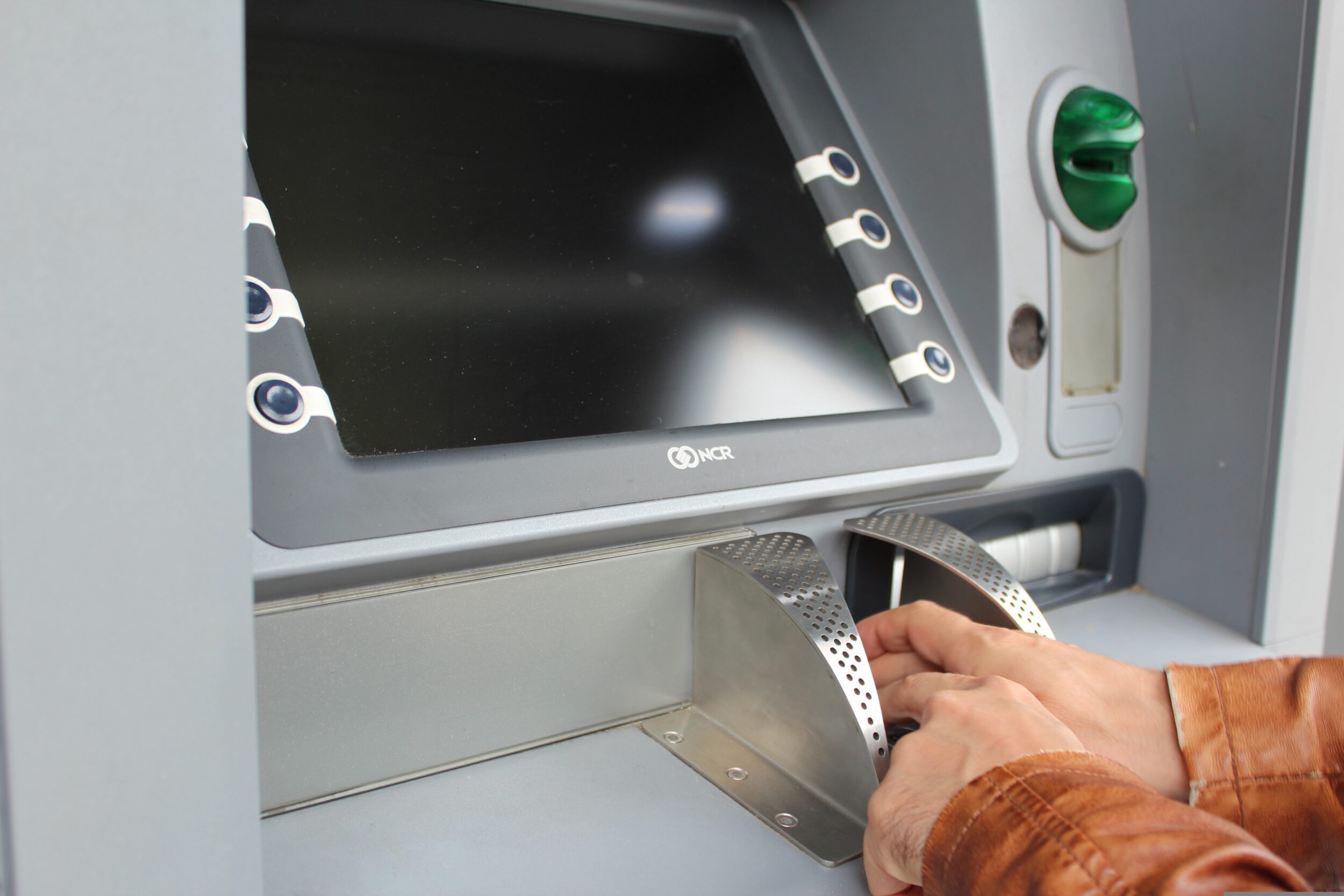
Pixabay (Peggy_Marco)
A city that doesn’t take cash
Jordan, a tourist visiting from Winnipeg, arrived in London with what he thought was a sensible plan: withdraw a few hundred pounds and use it throughout his trip.
“I took out cash at Heathrow,” he says.
“By the end of the week, I hadn’t used a single note.”
From museums to pubs to transport, everywhere Jordan went, contactless payment was the default.
“I actually tried to use cash at one point, just to see,” he says. “They looked a bit annoyed.”
His experience reflects a broader shift. Research by LINK, the UK’s cash access network, shows that although 77% of small businesses still accept cash, 14% have gone cashless in just the past year. There are several reasons: security concerns, fraud prevention, and the convenience of digital payments.
The paradox: more cash, less cash
And yet, behind this apparent disappearance, cash is quietly accumulating.
According to data from the Bank of England, the total value of notes in circulation is growing. This growth has been driven largely by the £50 note and the £20, which are the most widely used denominations in the UK. The total value of £20 notes rose from just under £53b to just over £55b between 2024 and 2025.
More broadly, Bank of England data indicates that while people are using cash less for day-to-day payments, they’re holding more of it.
This reflects a shift in how cash is being used. Rather than functioning primarily as something people spend, it is increasingly being kept – as a store of value, or a form of financial reassurance.
In other words, cash is no longer just something you use. It’s something you keep.
Pixabay (Geralt)
Fewer ATM visits, bigger withdrawals
Data from LINK helps explain how this works in practice.
The average UK adult withdrew £1,352 from ATMs in 2025 – a decrease from the previous year. People are visiting cash machines less often, but when they do, they’re taking out more money each time.
This is especially noticeable in London, where withdrawals fell by 11% – the steepest drop in the UK.
But cash hasn’t disappeared from daily life entirely. Around half of adults still report using it in a typical week. And crucially, many people rely on it.
The Bank of England states that around 1.1 million people depend on cash for their everyday spending, while one in five still consider it their preferred way to pay.
A system in transition
Cash isn’t simply in decline, but in transition.
London may feel cashless because, at the point of transaction, it largely is. But zoom out, and cash is still fundamental to the city’s financial system – held in wallets, stored at home, and withdrawn in larger chunks.
It remains both a medium of exchange and a store of value.
In London, the first role may be fading. The second, it seems, is quietly growing.
Submitted Article
Headline
Short Headline
Standfirst
Published Article
HeadlineLondon: cashless city
Short HeadlineCash-free London?
StandfirstSpend a few days in London and it’s easy to come away with a simple conclusion: cash is dead.
Spend a few days in London and it’s easy to come away with a simple conclusion: cash is dead.
You tap yourself into the tube network, onto buses, through cafes and supermarkets. Increasingly, you’ll see signs at counters saying ‘card only’.
If you try to pay with notes on public transport, you’ll quickly run into trouble: buses haven’t accepted cash for years, and the underground is designed around contactless payment and Oyster cards.
On the surface, London appears to be one of the most cash-free cities in the world. But look a little closer, and the picture becomes more complex.
While the use of cash in everyday transactions is declining, the amount of cash in existence is rising.
Pixabay (Peggy_Marco)
A city that doesn’t take cash
Jordan, a tourist visiting from Winnipeg, arrived in London with what he thought was a sensible plan: withdraw a few hundred pounds and use it throughout his trip.
“I took out cash at Heathrow,” he says.
“By the end of the week, I hadn’t used a single note.”
From museums to pubs to transport, everywhere Jordan went, contactless payment was the default.
“I actually tried to use cash at one point, just to see,” he says. “They looked a bit annoyed.”
His experience reflects a broader shift. Research by LINK, the UK’s cash access network, shows that although 77% of small businesses still accept cash, 14% have gone cashless in just the past year. There are several reasons: security concerns, fraud prevention, and the convenience of digital payments.
The paradox: more cash, less cash
And yet, behind this apparent disappearance, cash is quietly accumulating.
According to data from the Bank of England, the total value of notes in circulation is growing. This growth has been driven largely by the £50 note and the £20, which are the most widely used denominations in the UK. The total value of £20 notes rose from just under £53b to just over £55b between 2024 and 2025.
More broadly, Bank of England data indicates that while people are using cash less for day-to-day payments, they’re holding more of it.
This reflects a shift in how cash is being used. Rather than functioning primarily as something people spend, it is increasingly being kept – as a store of value, or a form of financial reassurance.
In other words, cash is no longer just something you use. It’s something you keep.
Pixabay (Geralt)
Fewer ATM visits, bigger withdrawals
Data from LINK helps explain how this works in practice.
The average UK adult withdrew £1,352 from ATMs in 2025 – a decrease from the previous year. People are visiting cash machines less often, but when they do, they’re taking out more money each time.
This is especially noticeable in London, where withdrawals fell by 11% – the steepest drop in the UK.
But cash hasn’t disappeared from daily life entirely. Around half of adults still report using it in a typical week. And crucially, many people rely on it.
The Bank of England states that around 1.1 million people depend on cash for their everyday spending, while one in five still consider it their preferred way to pay.
A system in transition
Cash isn’t simply in decline, but in transition.
London may feel cashless because, at the point of transaction, it largely is. But zoom out, and cash is still fundamental to the city’s financial system – held in wallets, stored at home, and withdrawn in larger chunks.
It remains both a medium of exchange and a store of value.
In London, the first role may be fading. The second, it seems, is quietly growing.
A 2024 Freedom of Information request showed Bromley Council had £4.5 million invested in arms companies that year with £1.5 million reportedly linked to Israel.
Undercover officers raided three linked shops in Barking town centre, revealing how illicit tobacco is being hidden in walls, ceilings and nearby locations to evade detection.
More than 330,000 people across the UK sought support from the Stop It Now helpline in 2025 over concerns about their own or someone else’s online sexual behaviour towards children, according to new charity data. The anonymous service says contacts by phone, email and webchat rose significantly over the year.