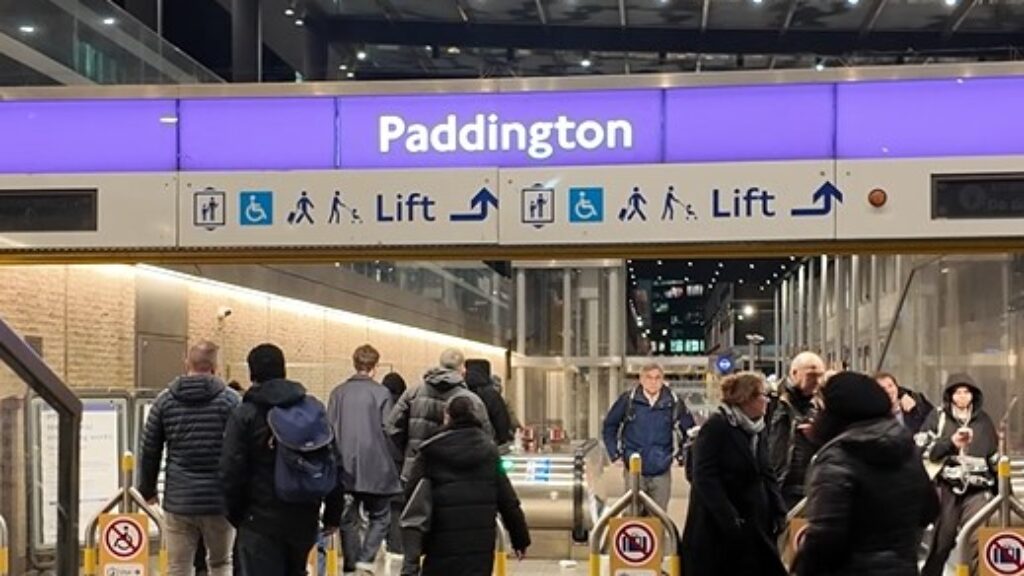
Transport for London have issued a preliminary engagement notice welcoming market input for a low stimulus refuge on one of the Underground’s busiest platforms.
The proposal is part of its Equity in Motion strategy as TfL admits its network “was not designed to consider neurological difference”.
Space on the main concourse of Paddington’s Elizabeth Line has been identified for the potential trial of an “off-the-shelf product to effectively meet the needs of neurodivergent customers”.
National Autistic Society research shows 87% of autistic people experience sensory discomfort or overload on public transport, and a vast majority feel anxious about travel before it even begins.
Feeling overstimulated on the Tube
For many, the Tube’s bright lights, loud trains and crowded platforms can be overwhelming.
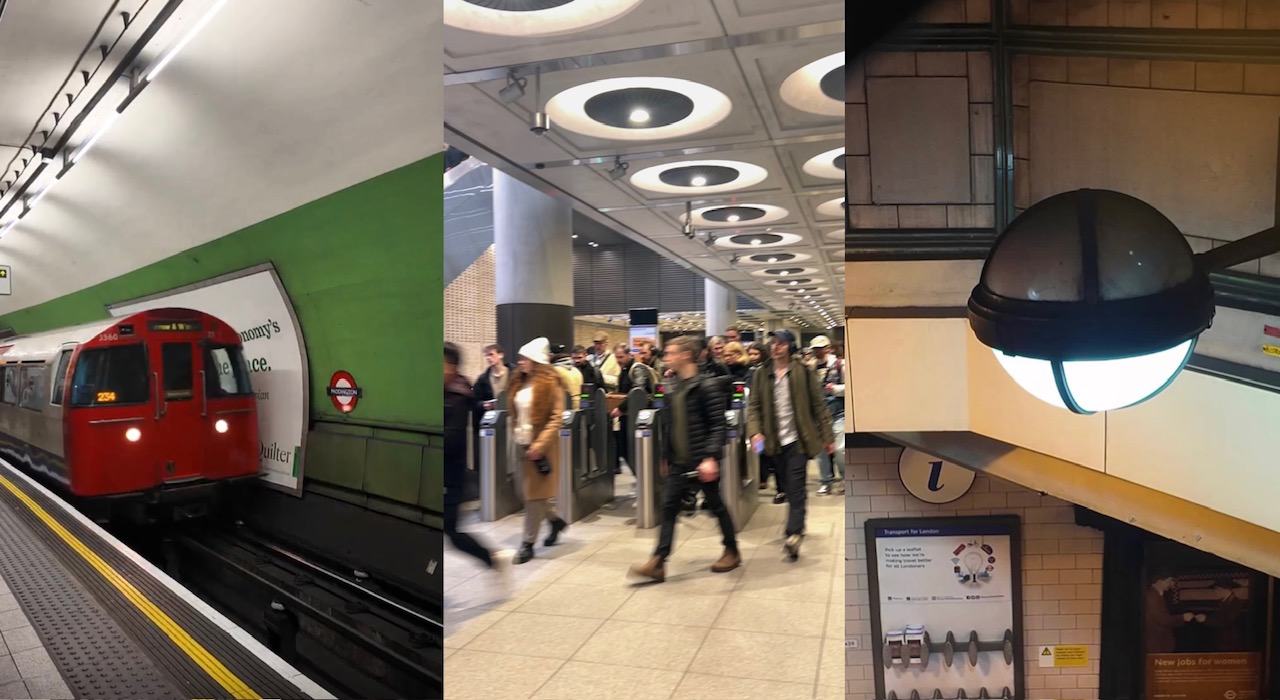
The London Underground can reach extreme noise levels, often exceeding 100-112 dB on lines like the Victoria and Northern. (Emily Smith)
“Bright lights can be disturbing, noises can be disturbing too” says Dr Themis Karaminis, a psychology lecturer at City St George’s, who researches neurodivergence.
“There’s definitely data that suggest [the quality of sensory environments] is an important issue for autistic and other neurodivergent people.”
He explains that differences in how the brain processes sensory input can make busy environments harder to filter.
“In a way, the autistic brain… is constantly surprised by the sensory input it recieves. This can be an overwhelming experience.”
Given the current delay in diagnosis, he worries that the lack of adjustments for neurodivergent people using public transport may be a “bigger problem than it appears”.
Neurodivergent passengers share their thoughts
Stefano Esposito, who shares his experiences as an autistic Londoner online, says rush hour travel can feel “very intense”.
“It’s a lot of people cramming in, it feels very hot and theres alot of different senses playing at once. It can be quite draining and overstimulating”.
He welcomes the idea of a calm space.
“It’d just be a good space to breathe and have a moment,” he says, but adds it must be inclusive.
“Promoting it as something for adults to use… making it a shame-free environment would be amazing.”
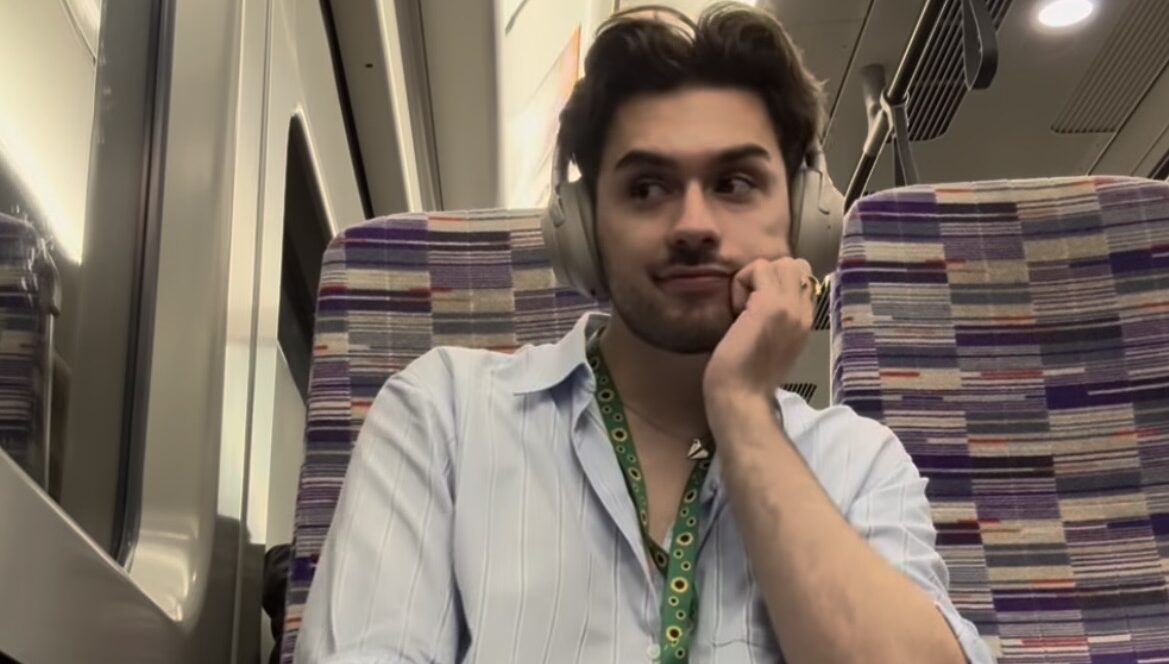
Stefano can’t travel on loud trains like the Jubilee and Picadilly Line without noise cancelling headphones. (@styleboy1.0 on Instagram)
Erin Ekins, author of Queerly Autistic, says simply knowing the space exists could ease anxiety.
“Sometimes I don’t need that room, but just knowing that that room is there helps keep my anxiety level at a level.”
She says staff understanding must go together with any physical changes.
“The adult that’s falling apart in front of you isn’t just being strange… this is someone who needs support.”
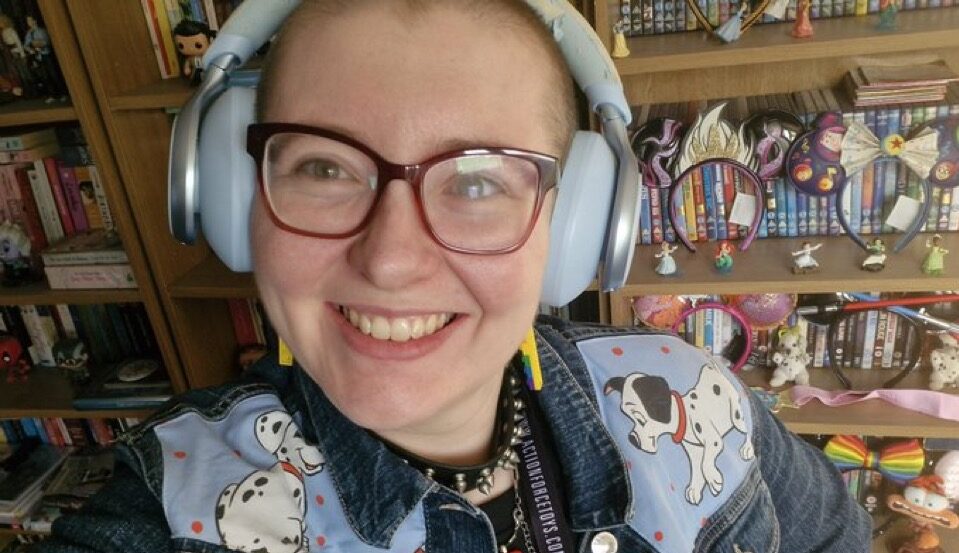
Erin would come home after commuting into and around London unable to speak because she was so overwhelmed. (@queerlyautistic on X)
Sensory-friendly corners are already helping passengers elsewhere
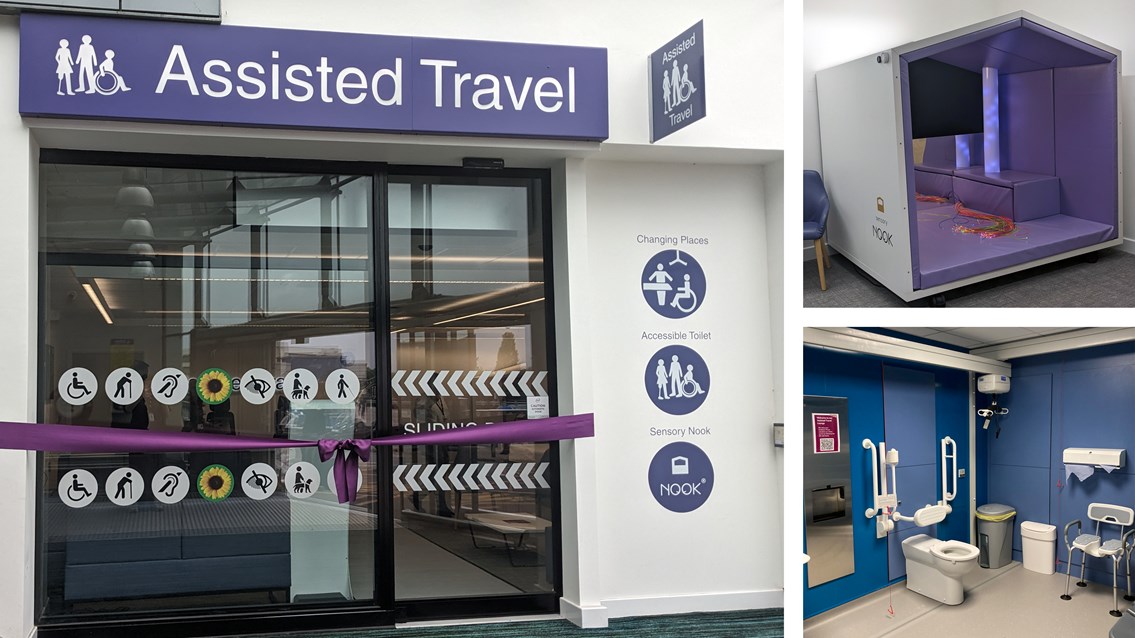
‘Sensory nooks’ have already been installed in stations like Manchester Piccadilly and Belfast Grand Central.
The £800,000 Assisted Travel Lounge at Manchester Piccadilly station includes accessible seating and toilets, a staffed welcome desk and a sensory space. (Network Rail)
The accessibility lounge has recieved positive reviews from customers on Euan’s Guide, a disability access review website
User @dystrophydad gave the station 4 stars calling the lounge a “comfortable space for passengers to arrange or await assistance” and @sillysally rated the space excellent.
Details of the Paddington trial are still being developed, with the first space expected in October 2026.
Submitted Article
Headline
Short Headline
Standfirst
Published Article
Headline“A good space to breathe and have a moment”: TfL proposes calm sensory space at Paddington
Short HeadlineTfL proposes a calm sensory space at Paddington
StandfirstAnnouncement comes as 75% of referred patients for suspected autism in London wait longer than 13 weeks for a diagnosis
Transport for London have issued a preliminary engagement notice welcoming market input for a low stimulus refuge on one of the Underground’s busiest platforms.
The proposal is part of its Equity in Motion strategy as TfL admits its network “was not designed to consider neurological difference”.
Space on the main concourse of Paddington’s Elizabeth Line has been identified for the potential trial of an “off-the-shelf product to effectively meet the needs of neurodivergent customers”.
National Autistic Society research shows 87% of autistic people experience sensory discomfort or overload on public transport, and a vast majority feel anxious about travel before it even begins.
Feeling overstimulated on the Tube
For many, the Tube’s bright lights, loud trains and crowded platforms can be overwhelming.
The London Underground can reach extreme noise levels, often exceeding 100-112 dB on lines like the Victoria and Northern. (Emily Smith)
“Bright lights can be disturbing, noises can be disturbing too” says Dr Themis Karaminis, a psychology lecturer at City St George’s, who researches neurodivergence.
“There’s definitely data that suggest [the quality of sensory environments] is an important issue for autistic and other neurodivergent people.”
He explains that differences in how the brain processes sensory input can make busy environments harder to filter.
“In a way, the autistic brain… is constantly surprised by the sensory input it recieves. This can be an overwhelming experience.”
Given the current delay in diagnosis, he worries that the lack of adjustments for neurodivergent people using public transport may be a “bigger problem than it appears”.
Neurodivergent passengers share their thoughts
Stefano Esposito, who shares his experiences as an autistic Londoner online, says rush hour travel can feel “very intense”.
“It’s a lot of people cramming in, it feels very hot and theres alot of different senses playing at once. It can be quite draining and overstimulating”.
He welcomes the idea of a calm space.
“It’d just be a good space to breathe and have a moment,” he says, but adds it must be inclusive.
“Promoting it as something for adults to use… making it a shame-free environment would be amazing.”
Stefano can’t travel on loud trains like the Jubilee and Picadilly Line without noise cancelling headphones. (@styleboy1.0 on Instagram)
Erin Ekins, author of Queerly Autistic, says simply knowing the space exists could ease anxiety.
“Sometimes I don’t need that room, but just knowing that that room is there helps keep my anxiety level at a level.”
She says staff understanding must go together with any physical changes.
“The adult that’s falling apart in front of you isn’t just being strange… this is someone who needs support.”
Erin would come home after commuting into and around London unable to speak because she was so overwhelmed. (@queerlyautistic on X)
Sensory-friendly corners are already helping passengers elsewhere
‘Sensory nooks’ have already been installed in stations like Manchester Piccadilly and Belfast Grand Central.
The £800,000 Assisted Travel Lounge at Manchester Piccadilly station includes accessible seating and toilets, a staffed welcome desk and a sensory space. (Network Rail)
The accessibility lounge has recieved positive reviews from customers on Euan’s Guide, a disability access review website
User @dystrophydad gave the station 4 stars calling the lounge a “comfortable space for passengers to arrange or await assistance” and @sillysally rated the space excellent.
Details of the Paddington trial are still being developed, with the first space expected in October 2026.
A 2024 Freedom of Information request showed Bromley Council had £4.5 million invested in arms companies that year with £1.5 million reportedly linked to Israel.
Undercover officers raided three linked shops in Barking town centre, revealing how illicit tobacco is being hidden in walls, ceilings and nearby locations to evade detection.
More than 330,000 people across the UK sought support from the Stop It Now helpline in 2025 over concerns about their own or someone else’s online sexual behaviour towards children, according to new charity data. The anonymous service says contacts by phone, email and webchat rose significantly over the year.