“If you were to scan your brain while listening to music, it would light up like a firework display” says Amy Shackleton.
As the CEO of a new London-based DAB radio station, she is promoting the power of music to Londoners with dementia.
“We are trying our best to change the way people think about dementia care.”
The station is part of ‘Music for Dementia’, a national campaign supported by the Utley Foundation that calls for music to be integrated to dementia care.
NHS say that around one in 11 people aged over 65 in the UK are currently living with dementia.
By 2030, that number is estimated to exceed one million.
Andy Burnham has spoken openly about the personal impact of the illness, saying: “I know how it feels to lose a loved one to dementia and have seen first-hand the devastating impact this illness has on families.”
While research into treatments continues, m4dRadio focuses on making a difference by harnessing the power music can have on the brain.
Care home staff from Drayton Village say the most therapeutic music is often tied to a person’s life: the songs they danced to when they were young, and the records played in the family home.
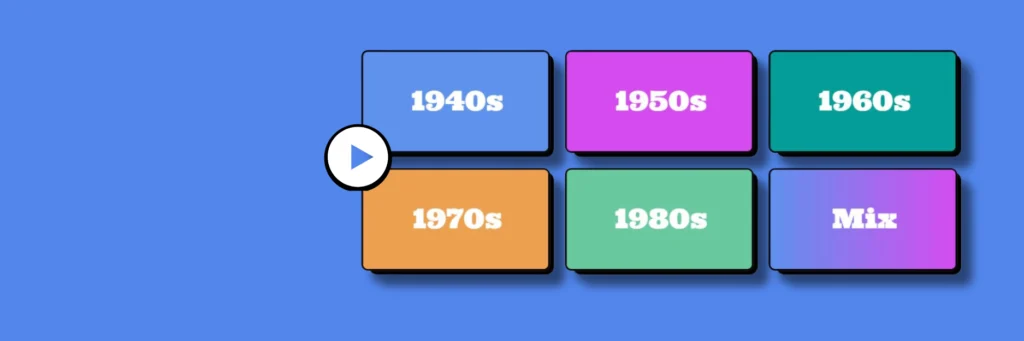
M4DRadio website showcasing what music decades are available for listeners.
Thats why m4dRadio has dedicated decade channels spanning the 1940s to the 1980s, alongside a mix channel and numerous specialist programmes.
Ms Shackleton says Music for Dementia hopes to change society’s approach to the condition; this begins with recognising that dementia care is about “more than managing” symptoms.
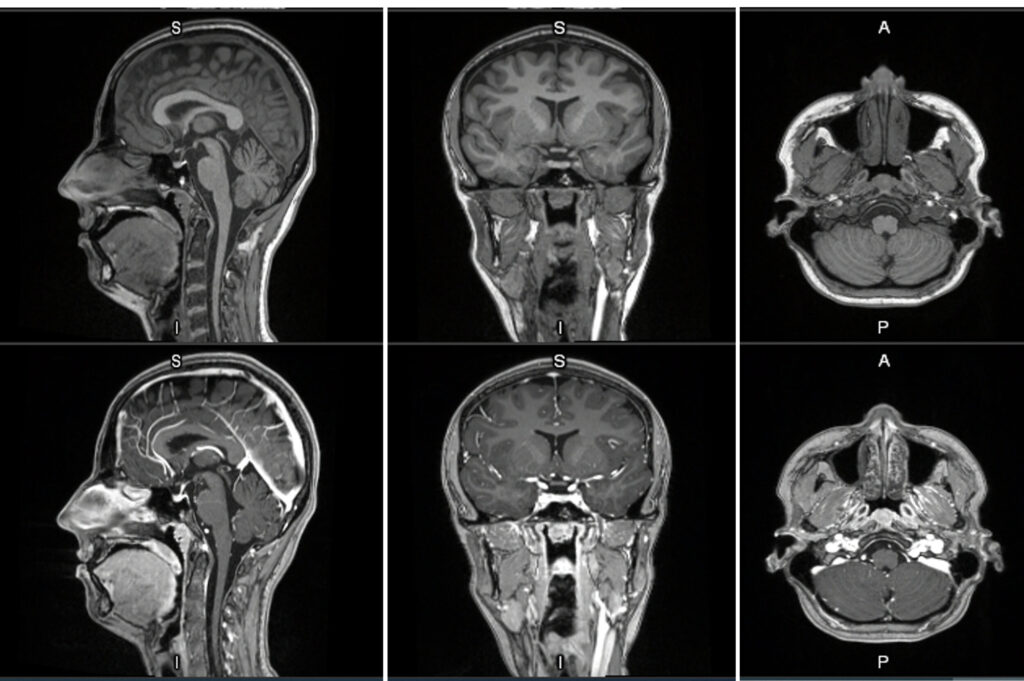
Listening to a favourite song for example engages multiple areas of the brain, she says.
“If you were to scan your brain while listening to music, it would light up like a firework display.”
And while dementia can damage parts of the brain, music may still reach people in unexpected ways:
“When parts of your brain become damaged by dementia, it’s almost like music sneaks in through the back door,” Ms Shackleton comments, “bringing them out of moments of frustration.”
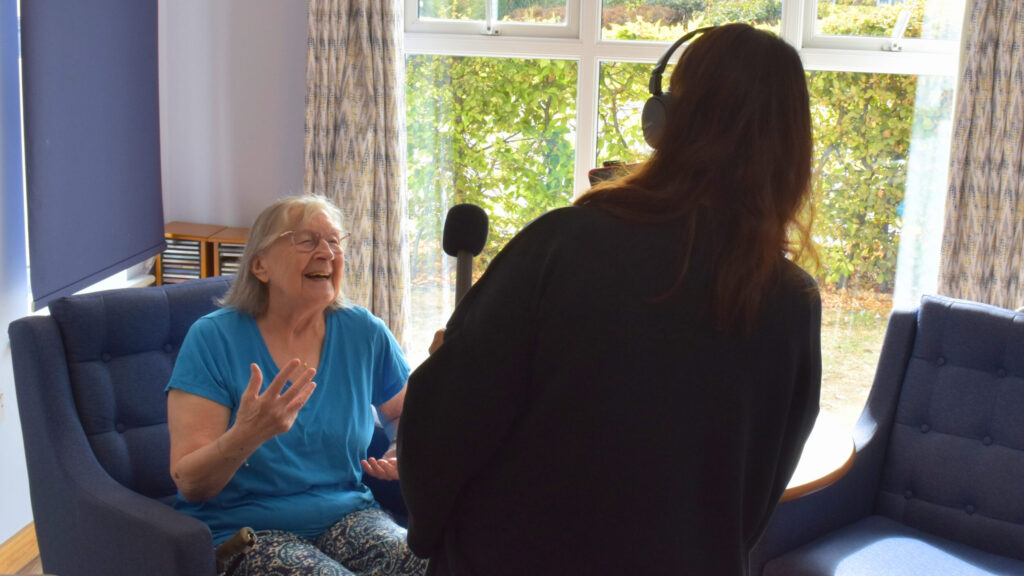
Jessica Guerrero, from Drayton Care which has worked for m4dRadio told City News one of their residents “struggles to answer questions in full sentences, but if I play her a song, she can sing the entire thing back.”
However, the team states they hope the station will offer more opportunities to tailor music to individual residents who know exactly what artist they want to listen to.
Submitted Article
Headline
Short Headline
Standfirst
Published Article
HeadlineThe new London radio station helping people with dementia
Short HeadlineThe new London radio station helping people with dementia
StandfirstM4DRadio is an advert-free radio service dedicated purely for people living with dementia, broadcasting 24 hours a day and 7 days a week.
“If you were to scan your brain while listening to music, it would light up like a firework display” says Amy Shackleton.
As the CEO of a new London-based DAB radio station, she is promoting the power of music to Londoners with dementia.
“We are trying our best to change the way people think about dementia care.”
The station is part of ‘Music for Dementia’, a national campaign supported by the Utley Foundation that calls for music to be integrated to dementia care.
NHS say that around one in 11 people aged over 65 in the UK are currently living with dementia.
By 2030, that number is estimated to exceed one million.
Andy Burnham has spoken openly about the personal impact of the illness, saying: “I know how it feels to lose a loved one to dementia and have seen first-hand the devastating impact this illness has on families.”
While research into treatments continues, m4dRadio focuses on making a difference by harnessing the power music can have on the brain.
Care home staff from Drayton Village say the most therapeutic music is often tied to a person’s life: the songs they danced to when they were young, and the records played in the family home.
M4DRadio website showcasing what music decades are available for listeners.
Thats why m4dRadio has dedicated decade channels spanning the 1940s to the 1980s, alongside a mix channel and numerous specialist programmes.
Ms Shackleton says Music for Dementia hopes to change society’s approach to the condition; this begins with recognising that dementia care is about “more than managing” symptoms.
Listening to a favourite song for example engages multiple areas of the brain, she says.
“If you were to scan your brain while listening to music, it would light up like a firework display.”
And while dementia can damage parts of the brain, music may still reach people in unexpected ways:
“When parts of your brain become damaged by dementia, it’s almost like music sneaks in through the back door,” Ms Shackleton comments, “bringing them out of moments of frustration.”
Jessica Guerrero, from Drayton Care which has worked for m4dRadio told City News one of their residents “struggles to answer questions in full sentences, but if I play her a song, she can sing the entire thing back.”
However, the team states they hope the station will offer more opportunities to tailor music to individual residents who know exactly what artist they want to listen to.
City news has spoken to a long-term rough sleeper to see how those on the street feel about the Andy Burham’s plan to end homelessness and the upcoming winter.
A 2024 Freedom of Information request showed Bromley Council had £4.5 million invested in arms companies that year with £1.5 million reportedly linked to Israel.