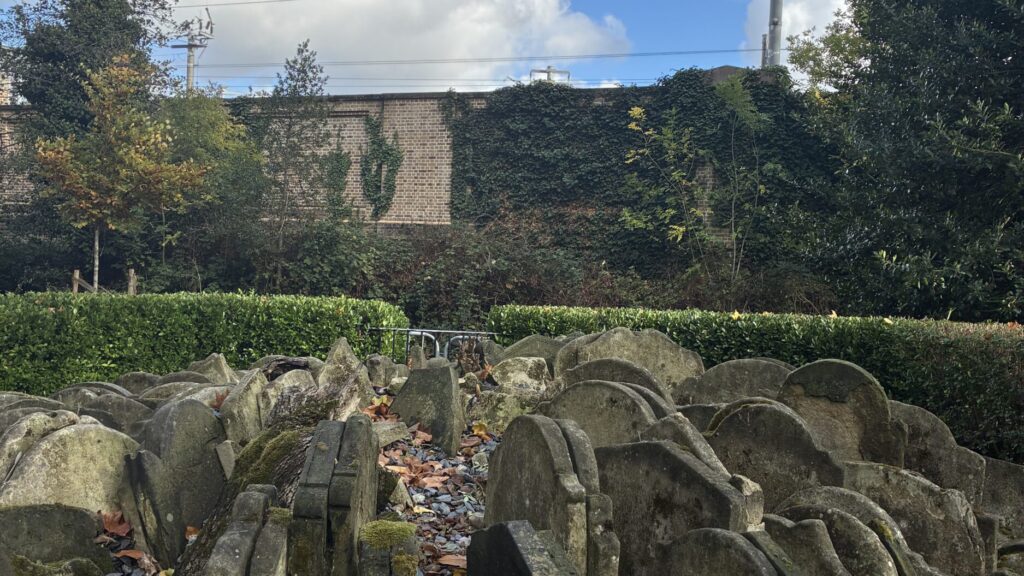
A recent London Assembly meeting called urgent attention to a problem that is becoming harder to ignore – London’s lack of burial space. Lib Dem London Assembly member Hina Bokhari asked the Mayor Sadiq Khan how he plans to deal with this mounting ‘crisis’.
A report from March 2026 from the Greater London Authority highlighted that three boroughs have no burial space left: Camden, Hackney and Tower Hamlets. It also outlined that a further 17 boroughs have less than 15 years of space remaining.
While grave re-use is allowed in all London boroughs under the London Local Authorities Act 2007, only seven currently re-use graves.
The Mayor released his draft London plan in July 2026 outlining his plans to address issues in London, including this lack of burial space. It states that authorities need to plan for ‘the expansion, re-use, and long-term provision of burial space, recognising cultural and faith needs.’
However, as the plan acknowledges, grave re-use is a complicated issue for both the Islamic and Jewish faiths, a concern that Ms Bokhari also raised during the meeting.
Both Camden and Hackney have a relatively high Jewish population, and reusing a grave is against Jewish law. Rabbi Liss of the Highgate United Synagogue says in the Jewish faith burial is sacrosanct.
‘Judaism views burial as laying the deceased to permanent rest, not as a temporary arrangement. Reopening a grave or disturbing remains can violate the dignity owed to the deceased.’
The United Synagogue is a British charity supporting Jewish communities, including making sure they have sufficient burial space. They described the challenges when it comes to finding new burial space:
‘Jewish burial places are intended to remain permanently, so unlike some cemeteries we cannot simply reuse existing graves. Providing sufficient burial space therefore requires very long-term planning.’
Jewish burial grounds in Camden include Highgate Cemetery, which recently began its 6 month objection period after starting its ‘grave renewal project’. For a private cemetery, a specific Act of Parliament has to be created in order to give it the power to reuse graves. The process involves giving official notices, and the graves cannot be last used less than 75 years ago.
On their website, the Cemetery affirms their commitment to the deceased: ‘Grave renewal will be carried out with the greatest respect for grave owners and those buried in the Cemetery.’
The GLA’s audit also addresses the traditions of the Muslim community, where a number of considerations also apply. For re-use of a grave, it is important that only other members of the Islamic faith are buried in the same grave, according to the Islamic Portal’s response to the National Burial Council’s consultation.
For Maya, a young Muslim woman, it’s clear that the burial process is important. ‘During Ede, we visit graves to pray. If the grave is being re-used, who are you praying to? It’s not just your family member, it’s not just your friend.’
In London, space is at a premium, with both a projected ageing and increasing population. Planning is of paramount importance in an issue that is easy to overlook but is steadily converging beneath our feet.
This is a developing story, we will bring you more details as they come. Please refresh the page to update.
HeadlineTo reuse graves or not to reuse graves? London burial’s crisis continues to build.
Short HeadlineLondon's burial crisis builds
StandfirstLondon boroughs are running out of space, but different traditions of faith need consideration.
A recent London Assembly meeting called urgent attention to a problem that is becoming harder to ignore – London’s lack of burial space. Lib Dem London Assembly member Hina Bokhari asked the Mayor Sadiq Khan how he plans to deal with this mounting ‘crisis’.
A report from March 2026 from the Greater London Authority highlighted that three boroughs have no burial space left: Camden, Hackney and Tower Hamlets. It also outlined that a further 17 boroughs have less than 15 years of space remaining.
While grave re-use is allowed in all London boroughs under the London Local Authorities Act 2007, only seven currently re-use graves.
The Mayor released his draft London plan in July 2026 outlining his plans to address issues in London, including this lack of burial space. It states that authorities need to plan for ‘the expansion, re-use, and long-term provision of burial space, recognising cultural and faith needs.’
However, as the plan acknowledges, grave re-use is a complicated issue for both the Islamic and Jewish faiths, a concern that Ms Bokhari also raised during the meeting.
Both Camden and Hackney have a relatively high Jewish population, and reusing a grave is against Jewish law. Rabbi Liss of the Highgate United Synagogue says in the Jewish faith burial is sacrosanct.
‘Judaism views burial as laying the deceased to permanent rest, not as a temporary arrangement. Reopening a grave or disturbing remains can violate the dignity owed to the deceased.’
The United Synagogue is a British charity supporting Jewish communities, including making sure they have sufficient burial space. They described the challenges when it comes to finding new burial space:
‘Jewish burial places are intended to remain permanently, so unlike some cemeteries we cannot simply reuse existing graves. Providing sufficient burial space therefore requires very long-term planning.’
Jewish burial grounds in Camden include Highgate Cemetery, which recently began its 6 month objection period after starting its ‘grave renewal project’. For a private cemetery, a specific Act of Parliament has to be created in order to give it the power to reuse graves. The process involves giving official notices, and the graves cannot be last used less than 75 years ago.
On their website, the Cemetery affirms their commitment to the deceased: ‘Grave renewal will be carried out with the greatest respect for grave owners and those buried in the Cemetery.’
The GLA’s audit also addresses the traditions of the Muslim community, where a number of considerations also apply. For re-use of a grave, it is important that only other members of the Islamic faith are buried in the same grave, according to the Islamic Portal’s response to the National Burial Council’s consultation.
For Maya, a young Muslim woman, it’s clear that the burial process is important. ‘During Ede, we visit graves to pray. If the grave is being re-used, who are you praying to? It’s not just your family member, it’s not just your friend.’
In London, space is at a premium, with both a projected ageing and increasing population. Planning is of paramount importance in an issue that is easy to overlook but is steadily converging beneath our feet.