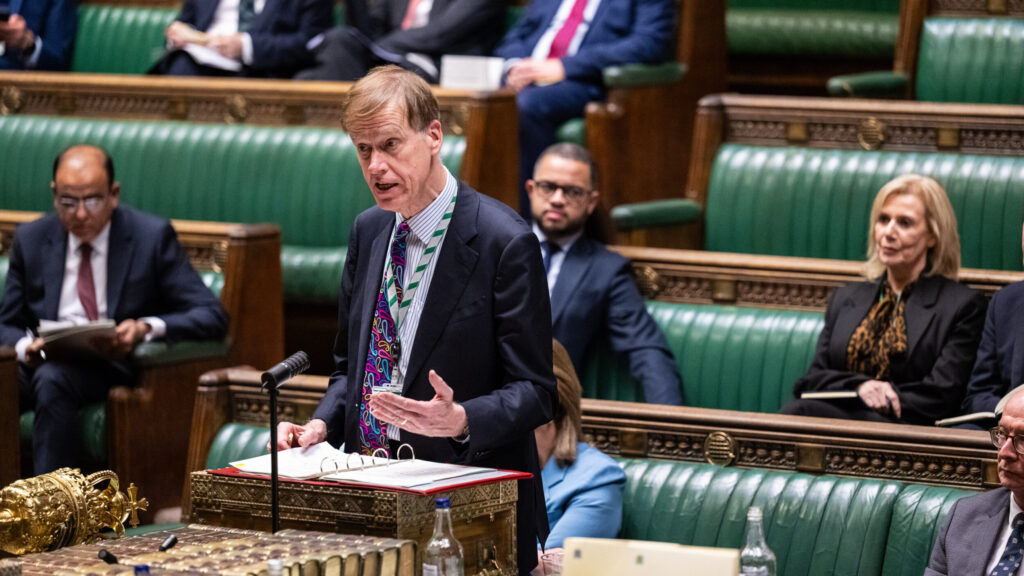
Sir Stephen Timms, Minister of State for Social Security and Disability
SHARE:
The Personal Independence Payment (PIP) review has resulted in two changes, after Sir Stephen Timms, Minister of State for Social Security and Disability, called for a “fundamental reset” of the system. However, the opposition says it will do nothing to curb welfare spending.
The Personal Independence Payment (PIP) system, introduced in 2013, provides benefits for millions of disabled people in the UK to support their daily living costs.
The Timms Review, co-produced with the disabled, is the first time the government has co-produced a review of this scale, hearing from more than 40,000 people. Sir Stephen told MPs that the assessments are not fit for purpose and are “just about what somebody cannot do.”
The government immediately accepted two of the review’s suggestions: fast-tracking people with serious, well-evidenced conditions and those nearing end of life, and reducing unnecessary repeated reviews for those whose health conditions are lifelong.
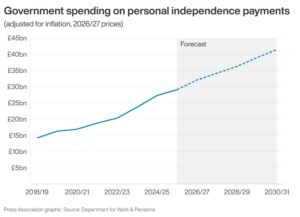
Last year, about four million people claimed PIP of between £30.30 and £194.60 per week, at a total cost of £27.3 billion. This year, claims are forecast to reach £32.1 billion, and will exceed £40 billion by the end of the decade.
Prior to the review, the PIP application process involved filling out an extensive form and an assessment, often over the phone. The review called the assessments “dehumanising”, with the process taking an average of 18 weeks to complete.
Dr. Nicolas Bacon, a founding member of the Disability Employment Charter, a group campaigning for equal employment rights for disabled people, told City News: “Many people feel as though they’re expected to display their impairments in front of people who will then be judgemental of what they can and cannot achieve. We know that people who receive PIP judgements are often dissatisfied with what assessors say about them.”
The review also recommended an increase in face-to-face assessments, access to practical services, a wider range of payment scales, and better assessments of those with fluctuating conditions.
Aniella Lucia, who has Postural Orthostatic Tachycardia Syndrome (POTS) which varies daily and receives PIP, welcomed the change. “The assessment is meant to be how you are on that day, but that doesn’t work for someone with a condition like mine – some days I can take my dog for a two-hour walk, and others I can’t even shower.”
The opposition Conservative Party challenged the review, calling it “a complete farce” that will increase welfare spending. Shadow Minister Helen Whately said: “to a public struggling to make ends meet, sick of a welfare system out of control, a plan which refuses to make savings is simply a kick in the teeth.”
The Resolution Foundation, an independent UK think tank which focuses on lifting living standards, said ending payments to people who don’t need them – which it estimates at one in six recipients – could save up to £4.4 billion a year.
The Government confirmed it will consider the remaining recommendations.
Submitted Article
Headline
Short Headline
Standfirst
Published Article
HeadlineDisability support: PIP review results in changes
Short HeadlineDisability support: PIP review results in changes
StandfirstChanges will speed payments for lifelong conditions and the terminally ill, but critics say they do not address spending.
The Personal Independence Payment (PIP) review has resulted in two changes, after Sir Stephen Timms, Minister of State for Social Security and Disability, called for a “fundamental reset” of the system. However, the opposition says it will do nothing to curb welfare spending.
The Personal Independence Payment (PIP) system, introduced in 2013, provides benefits for millions of disabled people in the UK to support their daily living costs.
The Timms Review, co-produced with the disabled, is the first time the government has co-produced a review of this scale, hearing from more than 40,000 people. Sir Stephen told MPs that the assessments are not fit for purpose and are “just about what somebody cannot do.”
The government immediately accepted two of the review’s suggestions: fast-tracking people with serious, well-evidenced conditions and those nearing end of life, and reducing unnecessary repeated reviews for those whose health conditions are lifelong.
Last year, about four million people claimed PIP of between £30.30 and £194.60 per week, at a total cost of £27.3 billion. This year, claims are forecast to reach £32.1 billion, and will exceed £40 billion by the end of the decade.
Prior to the review, the PIP application process involved filling out an extensive form and an assessment, often over the phone. The review called the assessments “dehumanising”, with the process taking an average of 18 weeks to complete.
Dr. Nicolas Bacon, a founding member of the Disability Employment Charter, a group campaigning for equal employment rights for disabled people, told City News: “Many people feel as though they’re expected to display their impairments in front of people who will then be judgemental of what they can and cannot achieve. We know that people who receive PIP judgements are often dissatisfied with what assessors say about them.”
The review also recommended an increase in face-to-face assessments, access to practical services, a wider range of payment scales, and better assessments of those with fluctuating conditions.
Aniella Lucia, who has Postural Orthostatic Tachycardia Syndrome (POTS) which varies daily and receives PIP, welcomed the change. “The assessment is meant to be how you are on that day, but that doesn’t work for someone with a condition like mine – some days I can take my dog for a two-hour walk, and others I can’t even shower.”
The opposition Conservative Party challenged the review, calling it “a complete farce” that will increase welfare spending. Shadow Minister Helen Whately said: “to a public struggling to make ends meet, sick of a welfare system out of control, a plan which refuses to make savings is simply a kick in the teeth.”
The Resolution Foundation, an independent UK think tank which focuses on lifting living standards, said ending payments to people who don’t need them – which it estimates at one in six recipients – could save up to £4.4 billion a year.
The Government confirmed it will consider the remaining recommendations.
Daily pitching fees are rising due to Council budget cuts. City News has spoken to the chair of Berwick Street Trader's society to understand the impact the new year changes will bring.