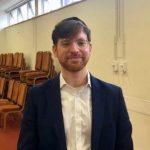
Political activist Ansel Wong has dedicated his life to using art to change society.
‘I was one of the people who made the celebration of black history month a feature in the United Kingdom’.
Ansel Wong is a political and cultural activist.
He came to the UK in the in the psychedelic’ 60s, the time of rock and roll and riots.
‘I came to the United Kingdom in 1965 as part of a well-worn pathway for people from Caribbean to come for tertiary education in the UK as the first port of call.’
Ansel explains the feeling of when he first landed in the UK.
He said that he didn’t feel like a foreigner, but like he was returning home.
‘Quite an experience’
His fascination with British society was present before his move from Trinidad, as he was already extremely familiar with local literature- from William Blake to Milton.
Ansel studied English and American studies at Hull University and was the only black student senator for the student movement.
‘It was inevitable because of student politics, we took over the university.’
‘Yorkshire was my first introduction to British society, I understood British literature…… but being physically present in the landscape was quite an experience.’
Wong went on to become a prominent figure in the West Indian Students centre based in Earls Court.
He dove into the community of radical politics and also became familiar with the Caribbean Artists Movement, set up by writers such as Andrew Salkey and John La Rose.
It was there, in 1987 that he began to develop black history month – now celebrated every year in all schools across the country in October.
‘At the beginning we were very much committed to ensuring that there was an understanding of heritage and history and the global nature of that’.
He goes on to explain that the essence of black history month began to change.
Understanding and appreciation
The political edge faded away, and it became a celebration of culture, music and the arts.
He set up a Black Arts Workshop, which gave young people the opportunity to share their views and beliefs through performance.
Ansel went on to act as a principle race relations advisor for the Greater London Authority.
The activist describes this as ‘Simosa and Sari syndrome’, suggesting that the forces of globalisation led to a more generic view of the international community.
But due to the changing nature of society, that is beginning to change.
‘I think what has happened now is that there is beginning to be a tendency to bring Black history month back into the original concept of bringing the greater understanding and appreciation of the black presence here in the United Kingdom.’
‘He did well’
Ansel’s influence is also seen at the Notting Hill Carnival, a popular festival that attracts over one million visitors every summer.
His participation in the carnival started in 1981- when he was working with the Elimu Youth and Community Centre to help troubled young people.
It was there he formed the Elimu Carnival Band, and they have performed every year since.
The Notting Hill Carnival is known for its festive atmosphere, but Ansel believes that the concept is slowly diminishing.
He has suggested that the annual event has lost its creative edge and is too focused on personal enjoyment.
Ansel continues to help members of society embrace their roots, through an artistic medium of political activism.
‘If I had to some up my life in 5 words, I would think ‘he did it very well’.
Submitted Article
Headline
Short Headline
Standfirst
Published Article
HeadlineIF – From Trinidad to Tetley’s, Ansel Wong tells us his journey.
Short HeadlineAnsel Wong tells us his journey.
StandfirstThe political activist shares his life story.
Political activist Ansel Wong has dedicated his life to using art to change society.
‘I was one of the people who made the celebration of black history month a feature in the United Kingdom’.
Ansel Wong is a political and cultural activist.
He came to the UK in the in the psychedelic’ 60s, the time of rock and roll and riots.
‘I came to the United Kingdom in 1965 as part of a well-worn pathway for people from Caribbean to come for tertiary education in the UK as the first port of call.’
Ansel explains the feeling of when he first landed in the UK.
He said that he didn’t feel like a foreigner, but like he was returning home.
‘Quite an experience’
His fascination with British society was present before his move from Trinidad, as he was already extremely familiar with local literature- from William Blake to Milton.
Ansel studied English and American studies at Hull University and was the only black student senator for the student movement.
‘It was inevitable because of student politics, we took over the university.’
‘Yorkshire was my first introduction to British society, I understood British literature…… but being physically present in the landscape was quite an experience.’
Wong went on to become a prominent figure in the West Indian Students centre based in Earls Court.
He dove into the community of radical politics and also became familiar with the Caribbean Artists Movement, set up by writers such as Andrew Salkey and John La Rose.
It was there, in 1987 that he began to develop black history month – now celebrated every year in all schools across the country in October.
‘At the beginning we were very much committed to ensuring that there was an understanding of heritage and history and the global nature of that’.
He goes on to explain that the essence of black history month began to change.
Understanding and appreciation
The political edge faded away, and it became a celebration of culture, music and the arts.
He set up a Black Arts Workshop, which gave young people the opportunity to share their views and beliefs through performance.
Ansel went on to act as a principle race relations advisor for the Greater London Authority.
The activist describes this as ‘Simosa and Sari syndrome’, suggesting that the forces of globalisation led to a more generic view of the international community.
But due to the changing nature of society, that is beginning to change.
‘I think what has happened now is that there is beginning to be a tendency to bring Black history month back into the original concept of bringing the greater understanding and appreciation of the black presence here in the United Kingdom.’
‘He did well’
Ansel’s influence is also seen at the Notting Hill Carnival, a popular festival that attracts over one million visitors every summer.
His participation in the carnival started in 1981- when he was working with the Elimu Youth and Community Centre to help troubled young people.
It was there he formed the Elimu Carnival Band, and they have performed every year since.
The Notting Hill Carnival is known for its festive atmosphere, but Ansel believes that the concept is slowly diminishing.
He has suggested that the annual event has lost its creative edge and is too focused on personal enjoyment.
Ansel continues to help members of society embrace their roots, through an artistic medium of political activism.
‘If I had to some up my life in 5 words, I would think ‘he did it very well’.