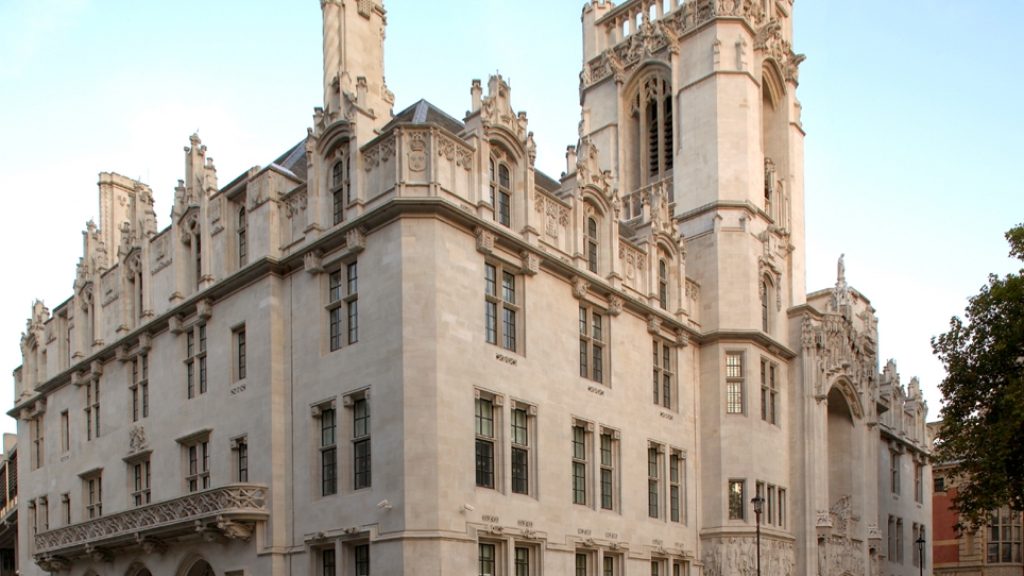
The Supreme Court – the highest court in the UK – has dismissed a challenge to the two-child limit on welfare payments.
The case was put forward by two mothers with the support of the Child Poverty Action group.
Campaigners argue that the decision made by the government infringes on the human rights of both mothers and children. They have described the result as “hugely disappointing”.
What is the two-child rule?
The rule limits child tax and universal credit to the first two children in a family only. It came into effect in April 2017 and has been in place ever since.
The limit was introduced by George Osborne, and has affected around one million children across the UK since its introduction. It was part of the Conservative government’s austerity measures and became one of the most debated rules since.
The case was started by two mothers and their children, who gained the support of the Child Poverty Action Group.
Both were mothers in 2017, so were directly affected by the financial restrictions brought in. The court ruled that the mothers should not be identified.
Their lawyers presented the case that the rule is causing “deep and inescapable child poverty” and “fails to recognise children as deserving of social protection in their own right”.
They argued that the rules discriminated against children, women, large families, and women who have an objection to the use of birth control.
Supreme Court President Lord Reed gave the final judgement, but the ruling was made by seven court judges in an unanimous decision. He cited that the rule made in 2017 “pursued a legitimate aim to protect the economic wellbeing of the country.”
He also said that the court could not intervene as it was a political decision made by Parliament.
Carla Clarke, head of strategic litigation at Child Poverty Action Group said: “This is a hugely disappointing judgment which fails to give any meaningful recognition to the reality of the policy on the ground and its desperately unfair impact on children.”
The mothers will consider taking the case to the European Court of Human Rights.
Submitted Article
Headline
Short Headline
Standfirst
Published Article
HeadlineSupreme Court dismisses challenge to the two-child benefit limit
Short HeadlineTwo mothers lose Supreme Court decision on two-child limit
StandfirstMothers lose their bid to challenge the government's two-child limit on welfare payments, as the Supreme Court dismisses their case.
The Supreme Court – the highest court in the UK – has dismissed a challenge to the two-child limit on welfare payments.
The case was put forward by two mothers with the support of the Child Poverty Action group.
Campaigners argue that the decision made by the government infringes on the human rights of both mothers and children. They have described the result as “hugely disappointing”.
What is the two-child rule?
The rule limits child tax and universal credit to the first two children in a family only. It came into effect in April 2017 and has been in place ever since.
The limit was introduced by George Osborne, and has affected around one million children across the UK since its introduction. It was part of the Conservative government’s austerity measures and became one of the most debated rules since.
The case was started by two mothers and their children, who gained the support of the Child Poverty Action Group.
Both were mothers in 2017, so were directly affected by the financial restrictions brought in. The court ruled that the mothers should not be identified.
Their lawyers presented the case that the rule is causing “deep and inescapable child poverty” and “fails to recognise children as deserving of social protection in their own right”.
They argued that the rules discriminated against children, women, large families, and women who have an objection to the use of birth control.
Supreme Court President Lord Reed gave the final judgement, but the ruling was made by seven court judges in an unanimous decision. He cited that the rule made in 2017 “pursued a legitimate aim to protect the economic wellbeing of the country.”
He also said that the court could not intervene as it was a political decision made by Parliament.
Carla Clarke, head of strategic litigation at Child Poverty Action Group said: “This is a hugely disappointing judgment which fails to give any meaningful recognition to the reality of the policy on the ground and its desperately unfair impact on children.”
The mothers will consider taking the case to the European Court of Human Rights.