It’s a common phrase: the difference between men and boys is the price of their toys. Not so for members of London’s Scalextric Club.
Because every Tuesday night, in a North London church hall, grown men come together to race toy cars – and it’s all taken very seriously.
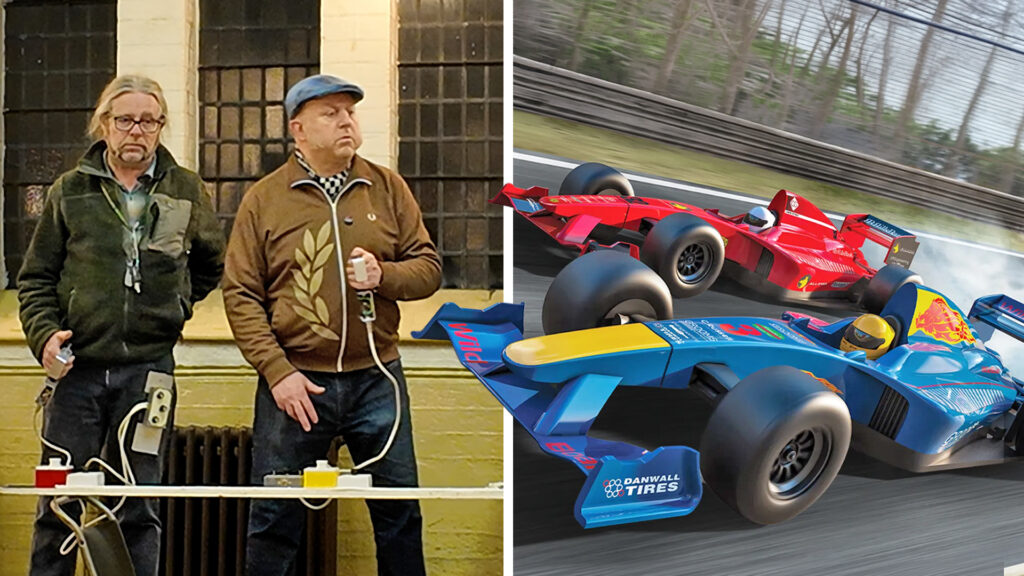
Scalextric – the retro racing game that shot to fame in the 1950s – brings the thrill of Formula One to plastic tracks and handheld controllers. But in these circles, it’s more than just a beloved children’s game.
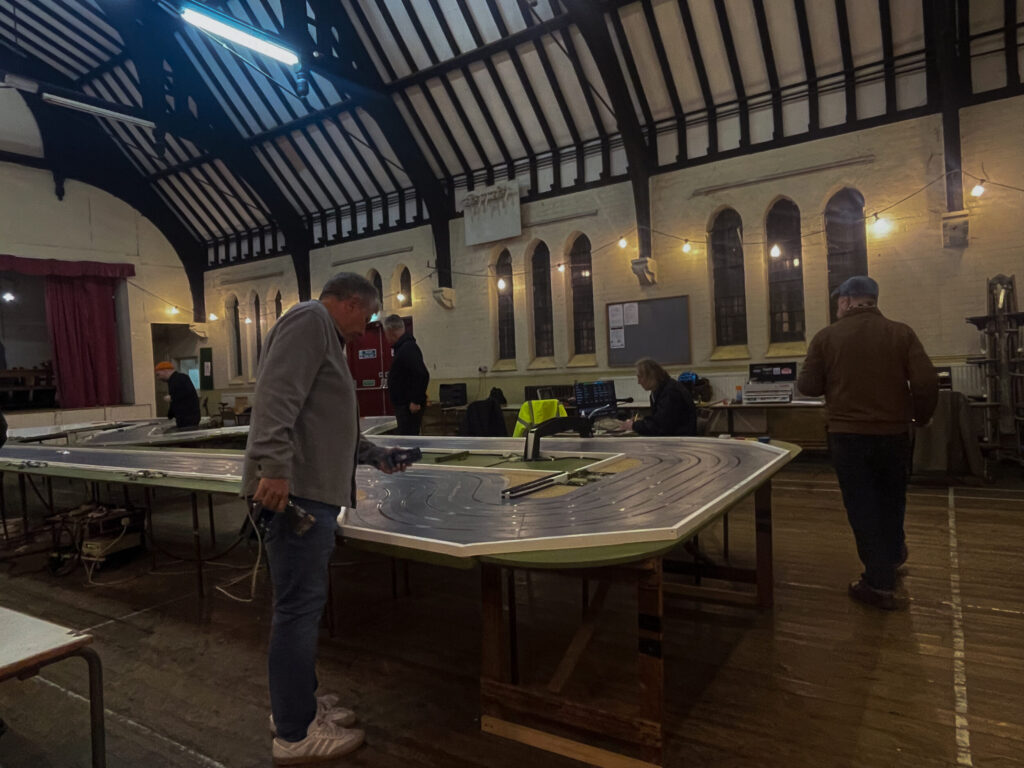
For nearly 50 years, the club has met weekly, racing slot cars around a 33-metre track. What started as a passion project by the late founder Roy, a dance instructor at the former Haringey Ballroom, has grown into a tight-knit league of dedicated racers.
“It keeps me alive once a week”
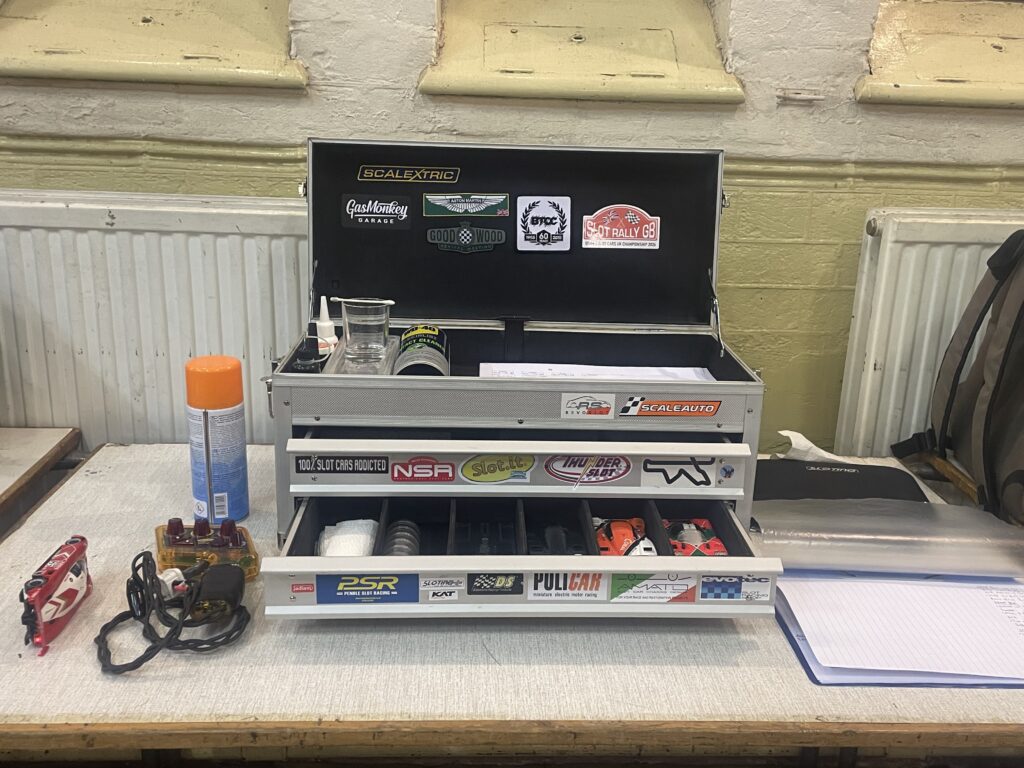
Members arrive armed with toolboxes filled with oil, soldering irons, and glue. Here, you’re not just the driver – you’re the engineer too.
Some own collections worth hundreds of pounds and spend hours fine-tuning their cars before race night.
One of the many kit boxes that members arrive with.
It’s a competitive business. There are trophies on the line and leaderboards to climb.
Alain Wilkinson, a back-to-back league champion, doesn’t hide it:
“It’s better if I win. We like to win. Anyone who says they don’t isn’t telling the truth. When your club mates push you and try to close the gap – that’s what keeps it alive.”
Win or lose, these gamers ultimately just relish a bit of nostalgia – whether for a sport they enjoyed when they were young or for an bygone analogue age.
Adrian Cantwell first came along with his father at just eleven years old. After a 40-year break, he returned during lockdown.
“I’m waiting for Tuesday on the weekend,” he says. “Tuesday night is always a big night.”
For others, it’s a rare chance to escape the daily grind.
“It’s just outside real life,” says Alan. “A place to hang out, have a sneaky beer and enjoy yourself.”
Hobby clubs like this are under pressure.
Members of the London Scalextric’s Club mid race.
Across London, community groups have been hit hard by years of funding cuts. And without support, many are disappearing.
Club Secretary Michael Kim says this one has survived by luck as much as loyalty.
“We’re only here because the church lets us use the hall for free,” he explains.
“Council budgets are stretched with things like social care and mental health. Without this space, I don’t think we could race.”
With Haringey Council facing cuts of around £143 million since 2010 – and more savings on the table – the future for grassroots groups looks uncertain.
But inside St Mark’s church hall, the race goes on.
Submitted Article
Headline
Short Headline
Standfirst
Published Article
HeadlineSlot Shots: The Men Who Never Grew Out of Racing Toy Cars
Short HeadlineSlot shots: the men who race toy cars
StandfirstA group of men meet weekly to race miniature cars. The pastime has become an unlikely lifeline of community.
It’s a common phrase: the difference between men and boys is the price of their toys. Not so for members of London’s Scalextric Club.
Because every Tuesday night, in a North London church hall, grown men come together to race toy cars – and it’s all taken very seriously.
Scalextric – the retro racing game that shot to fame in the 1950s – brings the thrill of Formula One to plastic tracks and handheld controllers. But in these circles, it’s more than just a beloved children’s game.
For nearly 50 years, the club has met weekly, racing slot cars around a 33-metre track. What started as a passion project by the late founder Roy, a dance instructor at the former Haringey Ballroom, has grown into a tight-knit league of dedicated racers.
“It keeps me alive once a week”
Members arrive armed with toolboxes filled with oil, soldering irons, and glue. Here, you’re not just the driver – you’re the engineer too.
Some own collections worth hundreds of pounds and spend hours fine-tuning their cars before race night.
One of the many kit boxes that members arrive with.
It’s a competitive business. There are trophies on the line and leaderboards to climb.
Alain Wilkinson, a back-to-back league champion, doesn’t hide it:
“It’s better if I win. We like to win. Anyone who says they don’t isn’t telling the truth. When your club mates push you and try to close the gap – that’s what keeps it alive.”
Win or lose, these gamers ultimately just relish a bit of nostalgia – whether for a sport they enjoyed when they were young or for an bygone analogue age.
Adrian Cantwell first came along with his father at just eleven years old. After a 40-year break, he returned during lockdown.
“I’m waiting for Tuesday on the weekend,” he says. “Tuesday night is always a big night.”
For others, it’s a rare chance to escape the daily grind.
“It’s just outside real life,” says Alan. “A place to hang out, have a sneaky beer and enjoy yourself.”
Hobby clubs like this are under pressure.
Members of the London Scalextric’s Club mid race.
Across London, community groups have been hit hard by years of funding cuts. And without support, many are disappearing.
Club Secretary Michael Kim says this one has survived by luck as much as loyalty.
“We’re only here because the church lets us use the hall for free,” he explains.
“Council budgets are stretched with things like social care and mental health. Without this space, I don’t think we could race.”
With Haringey Council facing cuts of around £143 million since 2010 – and more savings on the table – the future for grassroots groups looks uncertain.
But inside St Mark’s church hall, the race goes on.