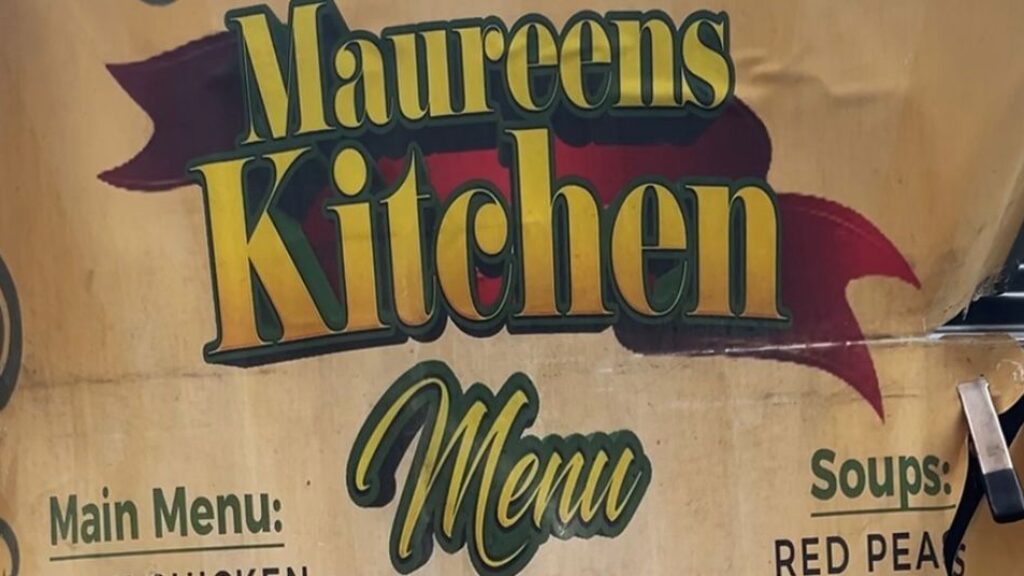
Maureen’s Kitchen is a coal-fired Caribbean takeaway operating from a residential yard off Railton Road in Brixton. In addition to its regular customers, the home-run kitchen provides free meals to dozens of local children every week.
Food poverty rates in Lambeth remain high, and community initiatives like Maureen’s Kitchen help address the needs of families struggling with food insecurity.
36% of children were living in food poverty, compared with 31% nationally.
One in five children had gone to bed hungry because there was no food at home.
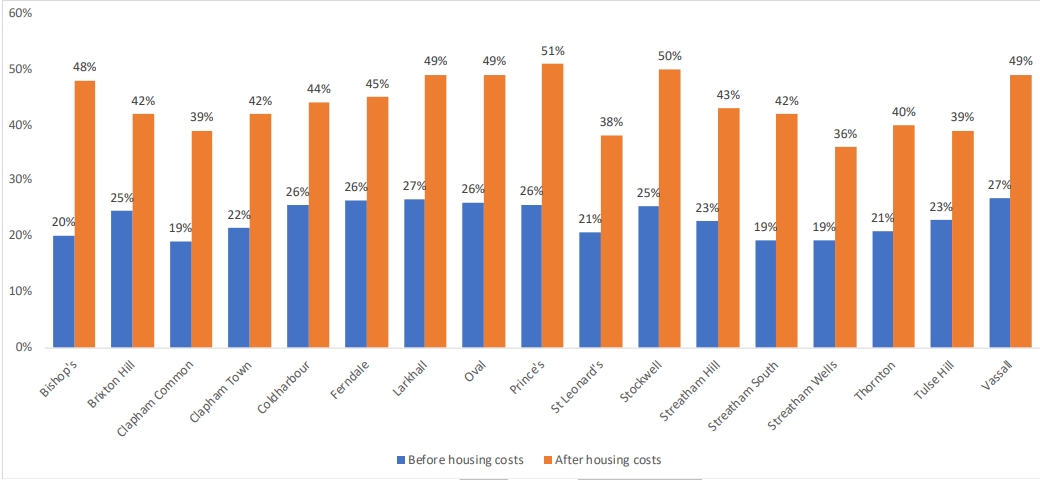
Around 43% of children were living in poverty after housing costs, placing pressure on household food budgets.
Child poverty in Lambeth before and after housing costs
Food insecurity is more common among:
Low-income households
Black and minority ethnic communities
People with disabilities
Older residents and those experiencing mental health difficulties
COVID-19 and rising demand for emergency food
The pandemic intensified food insecurity. During the 2020 lockdowns:
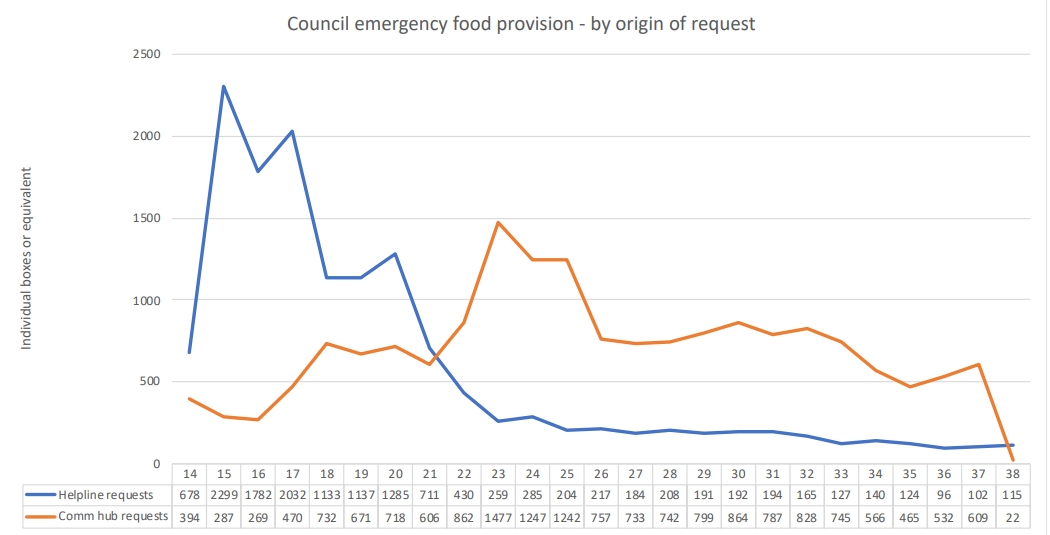
Lambeth Council recorded more than 31,000 calls for food assistance, including those made to an emergency helpline.
Local food banks, including Norwood and Brixton, reported a 137% increase in the number of people seeking food support compared to 2019.
Council provision of food support during COVID-19 pandemic in Lambeth
Community engagement also found that:
Many parents prioritised food quantity over nutritional quality.
Some adults skipped meals so their children could eat.
Over 78% of children attending holiday clubs said they would have eaten little or nothing without that provision.
A backyard response to a borough-wide problem
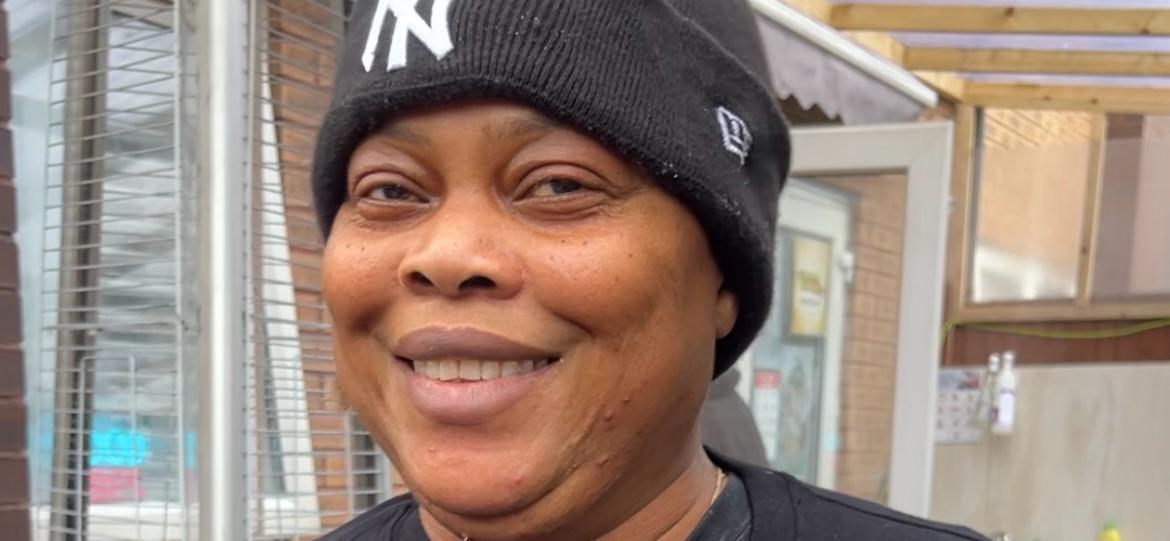
Amid this wider picture, Maureen Tyne has turned her garden kitchen into more than just a takeaway.
As financial pressures increased, Maureen began providing up to 100 free meals a day to children in the community.
In an interview, Maureen explained how it started:
“Big kids used to come over and ask me for a meal… my heart felt sorry for them because so many of them have nothing to eat after school. So I decided to ask the local school. It’s mainly Brixton, Herne Hill, all over. Some of them come from far. Last year we had people coming from Balham”
She also described the origins of her kitchen:
“I used to work at Sainsbury’s, and I fell pregnant with my eldest son. I decided not to go back to work ……. A friend said, ‘You cook so nicely, so why don’t you cook and sell?’ That’s how it started. I began cooking small, then it grew by word of mouth. The social media thing came much later, and that’s why it went viral.”
Her kitchen operates independently, relying on local support rather than formal government funding.
The board emphasised that access to affordable, nutritious, and culturally appropriate food is uneven across the borough.
Structural factors, such as high living costs, economic inequalities, and barriers to healthy food environments, affect residents’ ability to eat well, not just to have enough to eat.
Recognition and community action
Maureen’s Kitchen was recently shortlisted for the Voices to End Hunger Awards in the grassroots responses to food insecurity category.
The kitchen’s work highlights how local action is responding to a borough-wide food crisis.
Looking ahead: the continuing challenge of food poverty
Though community responses like Maureen’s are vital, the wider data show that food poverty and insecurity remain significant challenges across Lambeth.
Tackling food inequality will require not only emergency responses but also sustained action on affordability, access, and systemic social supports.
In a Brixton backyard, the response to food poverty continues one plate at a time.
Submitted Article
Headline
Short Headline
Standfirst
Published Article
HeadlineHow Maureens Kitchen in Brixton tackles food poverty daily
Short HeadlineBrixton kitchen tackles food poverty
StandfirstFor two decades, Maureen Tyne has cooked meals for her neighbourhood, relying on donations and volunteers, not state support
Maureen’s Kitchen is a coal-fired Caribbean takeaway operating from a residential yard off Railton Road in Brixton. In addition to its regular customers, the home-run kitchen provides free meals to dozens of local children every week.
Food poverty rates in Lambeth remain high, and community initiatives like Maureen’s Kitchen help address the needs of families struggling with food insecurity.
36% of children were living in food poverty, compared with 31% nationally.
One in five children had gone to bed hungry because there was no food at home.
Around 43% of children were living in poverty after housing costs, placing pressure on household food budgets.
Child poverty in Lambeth before and after housing costs
Food insecurity is more common among:
Low-income households
Black and minority ethnic communities
People with disabilities
Older residents and those experiencing mental health difficulties
COVID-19 and rising demand for emergency food
The pandemic intensified food insecurity. During the 2020 lockdowns:
Lambeth Council recorded more than 31,000 calls for food assistance, including those made to an emergency helpline.
Local food banks, including Norwood and Brixton, reported a 137% increase in the number of people seeking food support compared to 2019.
Council provision of food support during COVID-19 pandemic in Lambeth
Community engagement also found that:
Many parents prioritised food quantity over nutritional quality.
Some adults skipped meals so their children could eat.
Over 78% of children attending holiday clubs said they would have eaten little or nothing without that provision.
A backyard response to a borough-wide problem
Amid this wider picture, Maureen Tyne has turned her garden kitchen into more than just a takeaway.
As financial pressures increased, Maureen began providing up to 100 free meals a day to children in the community.
In an interview, Maureen explained how it started:
“Big kids used to come over and ask me for a meal… my heart felt sorry for them because so many of them have nothing to eat after school. So I decided to ask the local school. It’s mainly Brixton, Herne Hill, all over. Some of them come from far. Last year we had people coming from Balham”
She also described the origins of her kitchen:
“I used to work at Sainsbury’s, and I fell pregnant with my eldest son. I decided not to go back to work ……. A friend said, ‘You cook so nicely, so why don’t you cook and sell?’ That’s how it started. I began cooking small, then it grew by word of mouth. The social media thing came much later, and that’s why it went viral.”
Her kitchen operates independently, relying on local support rather than formal government funding.
The board emphasised that access to affordable, nutritious, and culturally appropriate food is uneven across the borough.
Structural factors, such as high living costs, economic inequalities, and barriers to healthy food environments, affect residents’ ability to eat well, not just to have enough to eat.
Recognition and community action
Maureen’s Kitchen was recently shortlisted for the Voices to End Hunger Awards in the grassroots responses to food insecurity category.
The kitchen’s work highlights how local action is responding to a borough-wide food crisis.
Looking ahead: the continuing challenge of food poverty
Though community responses like Maureen’s are vital, the wider data show that food poverty and insecurity remain significant challenges across Lambeth.
Tackling food inequality will require not only emergency responses but also sustained action on affordability, access, and systemic social supports.
In a Brixton backyard, the response to food poverty continues one plate at a time.
A 2024 Freedom of Information request showed Bromley Council had £4.5 million invested in arms companies that year with £1.5 million reportedly linked to Israel.
Undercover officers raided three linked shops in Barking town centre, revealing how illicit tobacco is being hidden in walls, ceilings and nearby locations to evade detection.
More than 330,000 people across the UK sought support from the Stop It Now helpline in 2025 over concerns about their own or someone else’s online sexual behaviour towards children, according to new charity data. The anonymous service says contacts by phone, email and webchat rose significantly over the year.