0.012%. That’s the percentage of boys playing organised youth football in England that will go on to play a single minute in the Premier League. That equates to 180 boys out of 1.5 million.
The big question is what happens to players when they’re released. Do players have a back-up plan if football does not work out?
This tragedy sparked a debate about whether football clubs should be doing more to support young players off the pitch.
Key Findings
The Professional Footballers’ Association found that five out of six footballers who are signed at 16 years old will no longer be in the game five years later.
Studies have also uncovered a deeper impact on the mental health of young players. ITV found that 88% of players aged under 24 who were released in 2020 suffered from anxiety or depression.
It was also found that 55% of all players released from academies suffered from clinical psychological distress.
Players are often told to focus on football and football only if they have any hope of making it professionally. This is often at the expense of an education, which would give players other options.
Yet, in other countries, education is a key part of the academy system.
Danny Collinge experienced this first-hand. He moved to Stuttgart in Germany at 16 years old. One of the major reasons he did this was because of the model for education in German football academies.
He candidly explained the differences to England. He says “in Germany what was a lot different was that they offered me the opportunity to go to an international school and do an international baccalaureate for 2 years”.
Dannys also says that “massive emphasis was placed on getting the grades you needed to pass your exams”, to help players reach their full potential.
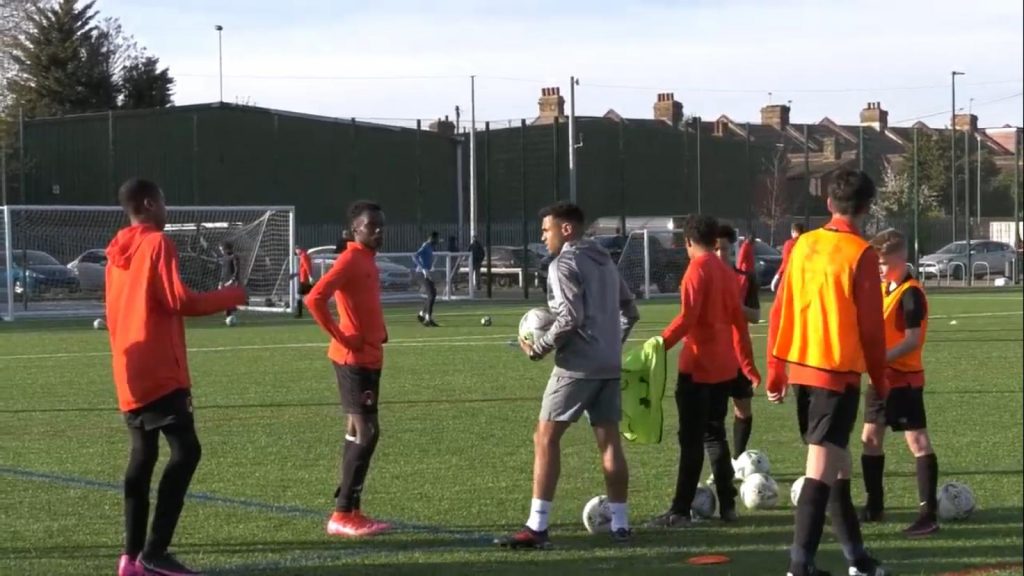
Academies in England have started to take education more seriously. League 2 side Leyton Orient have hired a full-time education officer to liaise with players’ schools. The club can then keep up-to-date with how they are doing in school.
Steve, Head of the Academy, says the “primary aim is to make professional footballers, as well as making them good people to go along side that”.
The introduction of “player care” in football academies
As well as a push for education, academies are also focusing on supporting players’ mental health. This is especially the case after Jeremy Wisten’s death.
Player care was introduced to clubs in 2018 to support players in their educational and psychological needs.
Clive Cook, Head of Player Care at Norwich City, says they are honest with players about their chances of making it professionally.
He was also clear about their role, saying “it’s all about supporting the players away from the academy. That they understand when they’re feeling low, what they need to do, and things they need to be grateful for”.
“We would be doing our players a disservice if we didn’t prepare them for the reality that the slim percentage of footballers make it, so, we don’t like to say Plan B or back-up, because it shouldn’t be a back-up, it should be something that they can do alongside football”.
Giving up on the footballing dream is by no means easy.
But clubs are doing more than ever to ensure players have the necessary education and mental strength to succeed outside of football.
Submitted Article
Headline
Short Headline
Standfirst
Published Article
HeadlineAre football academies doing more than ever to support young players?
Short HeadlineAre football academies doing more to support players?
StandfirstWhat happens when the dream of becoming a footballer abruptly ends?
0.012%. That’s the percentage of boys playing organised youth football in England that will go on to play a single minute in the Premier League. That equates to 180 boys out of 1.5 million.
The big question is what happens to players when they’re released. Do players have a back-up plan if football does not work out?
This tragedy sparked a debate about whether football clubs should be doing more to support young players off the pitch.
Key Findings
The Professional Footballers’ Association found that five out of six footballers who are signed at 16 years old will no longer be in the game five years later.
Studies have also uncovered a deeper impact on the mental health of young players. ITV found that 88% of players aged under 24 who were released in 2020 suffered from anxiety or depression.
It was also found that 55% of all players released from academies suffered from clinical psychological distress.
Players are often told to focus on football and football only if they have any hope of making it professionally. This is often at the expense of an education, which would give players other options.
Yet, in other countries, education is a key part of the academy system.
Danny Collinge experienced this first-hand. He moved to Stuttgart in Germany at 16 years old. One of the major reasons he did this was because of the model for education in German football academies.
He candidly explained the differences to England. He says “in Germany what was a lot different was that they offered me the opportunity to go to an international school and do an international baccalaureate for 2 years”.
Dannys also says that “massive emphasis was placed on getting the grades you needed to pass your exams”, to help players reach their full potential.
Academies in England have started to take education more seriously. League 2 side Leyton Orient have hired a full-time education officer to liaise with players’ schools. The club can then keep up-to-date with how they are doing in school.
Steve, Head of the Academy, says the “primary aim is to make professional footballers, as well as making them good people to go along side that”.
The introduction of “player care” in football academies
As well as a push for education, academies are also focusing on supporting players’ mental health. This is especially the case after Jeremy Wisten’s death.
Player care was introduced to clubs in 2018 to support players in their educational and psychological needs.
Clive Cook, Head of Player Care at Norwich City, says they are honest with players about their chances of making it professionally.
He was also clear about their role, saying “it’s all about supporting the players away from the academy. That they understand when they’re feeling low, what they need to do, and things they need to be grateful for”.
“We would be doing our players a disservice if we didn’t prepare them for the reality that the slim percentage of footballers make it, so, we don’t like to say Plan B or back-up, because it shouldn’t be a back-up, it should be something that they can do alongside football”.
Giving up on the footballing dream is by no means easy.
But clubs are doing more than ever to ensure players have the necessary education and mental strength to succeed outside of football.
As e-bike riders weave through London’s busiest junctions, red lights are increasingly treated as optional. One software engineer says the problem may be baked into how hire firms charge users
Deliveroo has announced its sale to U.S. rival DoorDash, but concerns linger over the controversial ‘substitute’ feature at the heart of its operations.
Inside Success Union CIC claim to empower vulnerable young people, but allegations of underpayment and concerns over their fundraising practices are undermining their message.