Move to ban phones in school could help children’s mental health, says adolescent psychotherapist
Flora McCorquodale for City News
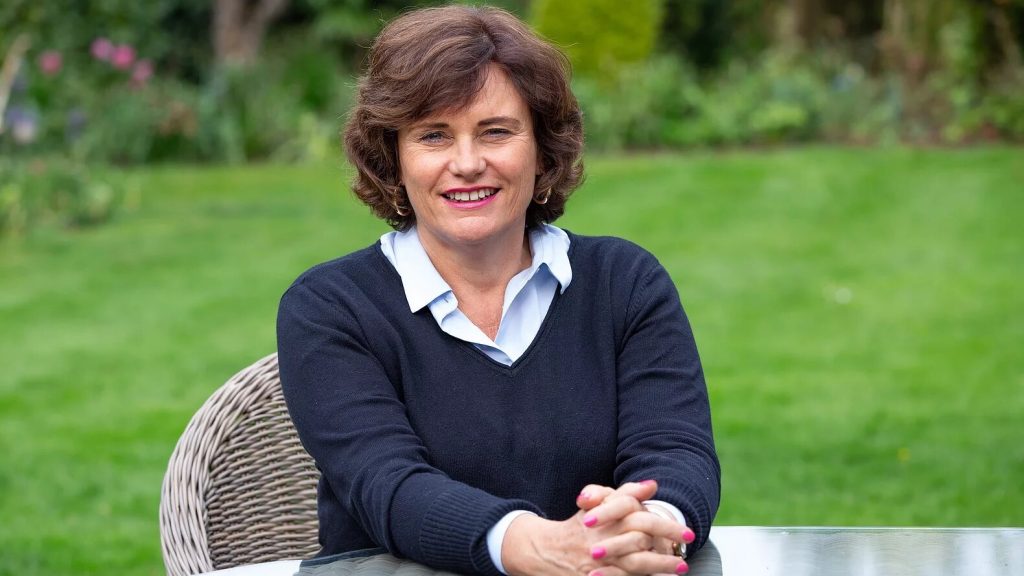
Kate Willett is an adolescent psychotherapist, with 35 years experience helping children and adolescents, including as a psychotherapist for Childline.
City News spoke with adolescent psychotherapist, Kate Willett, about how constant exposure to social media affects teenager’s mental health.
“I know of clients who’ve woken up in the middle of the night, because they feel they can’t be off social media for a whole night to look at how they’re appearing, how other people appearing, what is happening.”
“I think that constant pressure is really tough on young people, when they’re trying to work out who they are, and how they fit into the world, when they don’t have autonomy over their own lives and agency.”
We asked if a total phone ban in the classroom could help alleviate this pressure.
“I certainly do. I think that to have a space in your day, where you do not actually access social media, for young people will be enormously helpful.”
Porn is part of the problem
Ms. Willett expressed particular concern about teenagers accessing pornographic material whilst at school.
“I think that for young people, knowing that someone you’re in a class with has been looking at those images, and then you’re in the playground or lunch, or, and, and in class with them. I think that is incredibly detrimental.”
In response to safety concerns from parents worried about not being able to contact their children at school, Ms. Willett said:
“Parents can have access to the school office so that if they need to communicate with their children, they’re able to do that.”
“There were many, many, many decades before mobile phones were available, before social media was available, when young people were able to get through the day without their phone and parents were able to access them at school.”
How can we improve our relationship with social media?
Ms. Willett also told City News her top tips for keeping social media a positive feature of young people’s lives.
“Having times where you put your phone away – where you do not look at – it is hard for all of us. Certainly I know I’m guilty of not doing that too. It’s hard to have timeout, but it’s really important.”
She suggests putting your phone away at meal times and while going for a walk.
“I think everybody needs to do that. And maybe there’s a way we can teach young people, by modeling it ourselves as old people. But we’re all guilty.”
Submitted Article
Headline
Short Headline
Standfirst
Published Article
HeadlineMove to ban phones in school could help children’s mental health, says adolescent psychotherapist
Short HeadlineAdolescent psychotherapist supports school phone ban
StandfirstKate Willett is an adolescent psychotherapist, with 35 years experience helping children and adolescents, including as a psychotherapist for Childline.
City News spoke with adolescent psychotherapist, Kate Willett, about how constant exposure to social media affects teenager’s mental health.
“I know of clients who’ve woken up in the middle of the night, because they feel they can’t be off social media for a whole night to look at how they’re appearing, how other people appearing, what is happening.”
“I think that constant pressure is really tough on young people, when they’re trying to work out who they are, and how they fit into the world, when they don’t have autonomy over their own lives and agency.”
We asked if a total phone ban in the classroom could help alleviate this pressure.
“I certainly do. I think that to have a space in your day, where you do not actually access social media, for young people will be enormously helpful.”
Porn is part of the problem
Ms. Willett expressed particular concern about teenagers accessing pornographic material whilst at school.
“I think that for young people, knowing that someone you’re in a class with has been looking at those images, and then you’re in the playground or lunch, or, and, and in class with them. I think that is incredibly detrimental.”
In response to safety concerns from parents worried about not being able to contact their children at school, Ms. Willett said:
“Parents can have access to the school office so that if they need to communicate with their children, they’re able to do that.”
“There were many, many, many decades before mobile phones were available, before social media was available, when young people were able to get through the day without their phone and parents were able to access them at school.”
How can we improve our relationship with social media?
Ms. Willett also told City News her top tips for keeping social media a positive feature of young people’s lives.
“Having times where you put your phone away – where you do not look at – it is hard for all of us. Certainly I know I’m guilty of not doing that too. It’s hard to have timeout, but it’s really important.”
She suggests putting your phone away at meal times and while going for a walk.
“I think everybody needs to do that. And maybe there’s a way we can teach young people, by modeling it ourselves as old people. But we’re all guilty.”
A 2024 Freedom of Information request showed Bromley Council had £4.5 million invested in arms companies that year with £1.5 million reportedly linked to Israel.
Undercover officers raided three linked shops in Barking town centre, revealing how illicit tobacco is being hidden in walls, ceilings and nearby locations to evade detection.
More than 330,000 people across the UK sought support from the Stop It Now helpline in 2025 over concerns about their own or someone else’s online sexual behaviour towards children, according to new charity data. The anonymous service says contacts by phone, email and webchat rose significantly over the year.