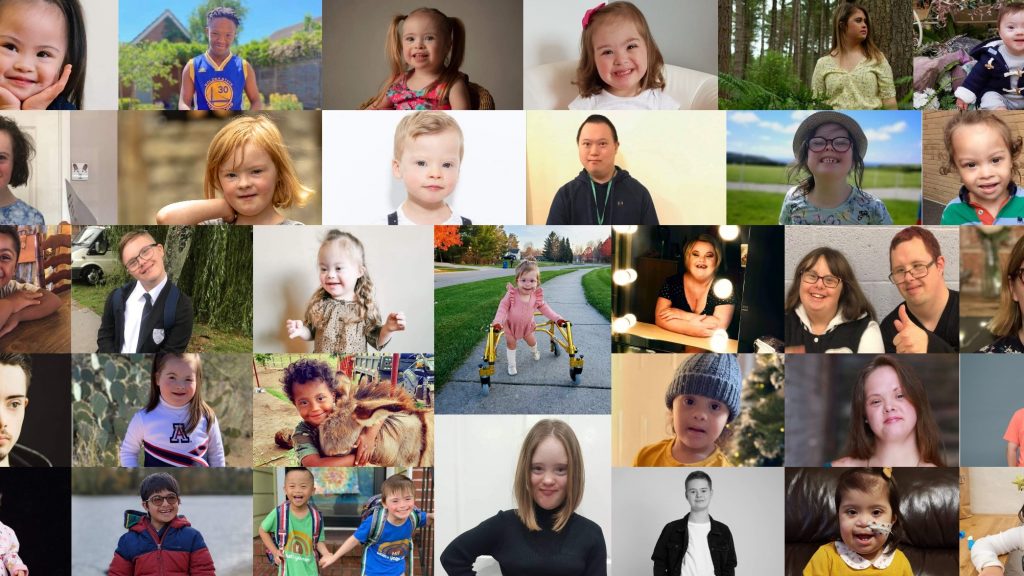
Down's syndrome Awareness organisation, 'Wouldn't Change a Thing'.
Campaigners argue that the Abortion Act 1967 encourages abuse towards disabled people.
SHARE:
Heidi Crowter, Marie Lea-Wilson and her son Aiden, are challenging the Health Secretary at the High Court today.
They argue that the Abortion Act 1967 is “downright discrimination” and that it encourages abuse towards disabled people in the UK.
The Act currently sets a 24-week time limit for abortions unless there is “substantial risk” of the child being seriously handicapped.
This means a woman can terminate her pregnancy up until the point of her birth.
Down’s syndrome is the single largest justification for late-term abortions.
The hearing, which started on Tuesday, is expected to conclude this afternoon.
“Devaluing someone’s life”
Tania Charlton, Trustee for the Down’s syndrome awareness organization “wouldn’t change a thing”, and says she is “appalled” by the current law.
She says it is the cause of many difficulties people with disability are facing.
“When someone with a certain condition can be terminated right up to birth you devalue that person’s life. That goes into society in terms of accepting people with Down’s syndrome. It absolutely limits the options and opportunities for people with Down’s syndrome,” she says.
“It happens in school too – people get preconceived perceptions and then inclusion doesn’t happen and there isn’t any extracurricular to ensure that these children can access and learn the way other children learn. The preconceived ideas are frankly wrong and out of date!”
26-year-old Heidi Crowter has Down’s syndrome. She owns her own flat, recently got married and has pursued studies up to NVQ level.
Guilt
Marie Lea-Wilson’s son Aidian was diagnosed with Down’s syndrome at 35 weeks, in which she was repeatedly offered an abortion. She was asked three times with the last being two days before Aidian was born.
She says she was put under a lot of pressure and felt guilty for not going through with the abortion and that she went against all medical advice given.
Mrs Charlton has an eight-year-old son with Down’s syndrome and said that as a result of her preconceptions she would have taken the abortion had she known – something she regrets.
“What always strike me as a parent is that when I had my son I cried for weeks. I was having a child with Down’s syndrome. I don’t know where preconceptions came from. I was absolutely devastated. Now, eight years down the line I know what I have in my son. Whatever the challenges, and there are some, but there are challenges with my other children too. He is a person and a human who is wonderful to have around,” she explains.
The choice
When asked about whether or not women should have the choice she answered,
“It’s really important that this isn’t about choice of termination because this is a totally different scenario. A lot of the debates are around pro-life and that’s not the case. This case is about equality for our children and making sure that everyone has the same right and are seen as just as valuable as any other child.
“To be given that option [to terminate the pregnancy] right up to birth is barbaric and it sticks with society. I cannot understand why there is so much negativity around people with down syndrome and this case is a huge landmark case and very much needed”.
The hearing
In Tuesday’s hearing, the lawyer of the claimants, Jason Coppel, argued the law “is incompatible with the European Convention on Human Rights, and therefore unlawfully discriminatory”. He said that the law “reinforces negative cultural stereotypes of people with disabilities”, questioning the value of their lives.
The Government says the case should be dismissed on the grounds there is “no evidence of a connection between the law and discrimination against those with Down’s syndrome and that it does not constitute ‘negative stereotyping’”.
Now, in The High Court today the Government is arguing that it cannot be protecting the rights and freedoms of others because the unborn are not the holders of rights.
The defendant says that as far as Article 8 is concerned, they are upholding the respect for private life in dealing with the decision of a woman and her family to continue with the pregnancy or not.
Professior John Wyatt however, said in court that from 34 weeks the fetus’ anatomical and brain structure is the same as a newborn baby. He said that there is evidence that the fetus experiences pain due to response during abortion procedures.
What is Down’s syndrome?
Down’s syndrome is when you are born with an extra chromosome. It is usually by chance and not caused by anything before, or during, the pregnancy.
People with Down’s syndrome will have some form of learning disability.
While some people may be more independent, others require more care.
Submitted Article
Headline
Short Headline
Standfirst
Published Article
Headline‘The law is barbaric’ says Down’s syndrome Awareness trustee
Short HeadlineAbortion law 'downright discrimination', says charity
StandfirstTwo women and one of the women’s son have sued the Government over what they believe is a discriminatory abortion law for babies with Down’s syndrome.
Heidi Crowter, Marie Lea-Wilson and her son Aiden, are challenging the Health Secretary at the High Court today.
They argue that the Abortion Act 1967 is “downright discrimination” and that it encourages abuse towards disabled people in the UK.
The Act currently sets a 24-week time limit for abortions unless there is “substantial risk” of the child being seriously handicapped.
This means a woman can terminate her pregnancy up until the point of her birth.
Down’s syndrome is the single largest justification for late-term abortions.
The hearing, which started on Tuesday, is expected to conclude this afternoon.
“Devaluing someone’s life”
Tania Charlton, Trustee for the Down’s syndrome awareness organization “wouldn’t change a thing”, and says she is “appalled” by the current law.
She says it is the cause of many difficulties people with disability are facing.
“When someone with a certain condition can be terminated right up to birth you devalue that person’s life. That goes into society in terms of accepting people with Down’s syndrome. It absolutely limits the options and opportunities for people with Down’s syndrome,” she says.
“It happens in school too – people get preconceived perceptions and then inclusion doesn’t happen and there isn’t any extracurricular to ensure that these children can access and learn the way other children learn. The preconceived ideas are frankly wrong and out of date!”
26-year-old Heidi Crowter has Down’s syndrome. She owns her own flat, recently got married and has pursued studies up to NVQ level.
Guilt
Marie Lea-Wilson’s son Aidian was diagnosed with Down’s syndrome at 35 weeks, in which she was repeatedly offered an abortion. She was asked three times with the last being two days before Aidian was born.
She says she was put under a lot of pressure and felt guilty for not going through with the abortion and that she went against all medical advice given.
Mrs Charlton has an eight-year-old son with Down’s syndrome and said that as a result of her preconceptions she would have taken the abortion had she known – something she regrets.
“What always strike me as a parent is that when I had my son I cried for weeks. I was having a child with Down’s syndrome. I don’t know where preconceptions came from. I was absolutely devastated. Now, eight years down the line I know what I have in my son. Whatever the challenges, and there are some, but there are challenges with my other children too. He is a person and a human who is wonderful to have around,” she explains.
The choice
When asked about whether or not women should have the choice she answered,
“It’s really important that this isn’t about choice of termination because this is a totally different scenario. A lot of the debates are around pro-life and that’s not the case. This case is about equality for our children and making sure that everyone has the same right and are seen as just as valuable as any other child.
“To be given that option [to terminate the pregnancy] right up to birth is barbaric and it sticks with society. I cannot understand why there is so much negativity around people with down syndrome and this case is a huge landmark case and very much needed”.
The hearing
In Tuesday’s hearing, the lawyer of the claimants, Jason Coppel, argued the law “is incompatible with the European Convention on Human Rights, and therefore unlawfully discriminatory”. He said that the law “reinforces negative cultural stereotypes of people with disabilities”, questioning the value of their lives.
The Government says the case should be dismissed on the grounds there is “no evidence of a connection between the law and discrimination against those with Down’s syndrome and that it does not constitute ‘negative stereotyping’”.
Now, in The High Court today the Government is arguing that it cannot be protecting the rights and freedoms of others because the unborn are not the holders of rights.
The defendant says that as far as Article 8 is concerned, they are upholding the respect for private life in dealing with the decision of a woman and her family to continue with the pregnancy or not.
Professior John Wyatt however, said in court that from 34 weeks the fetus’ anatomical and brain structure is the same as a newborn baby. He said that there is evidence that the fetus experiences pain due to response during abortion procedures.
What is Down’s syndrome?
Down’s syndrome is when you are born with an extra chromosome. It is usually by chance and not caused by anything before, or during, the pregnancy.
People with Down’s syndrome will have some form of learning disability.
While some people may be more independent, others require more care.
A 2024 Freedom of Information request showed Bromley Council had £4.5 million invested in arms companies that year with £1.5 million reportedly linked to Israel.
Undercover officers raided three linked shops in Barking town centre, revealing how illicit tobacco is being hidden in walls, ceilings and nearby locations to evade detection.
More than 330,000 people across the UK sought support from the Stop It Now helpline in 2025 over concerns about their own or someone else’s online sexual behaviour towards children, according to new charity data. The anonymous service says contacts by phone, email and webchat rose significantly over the year.