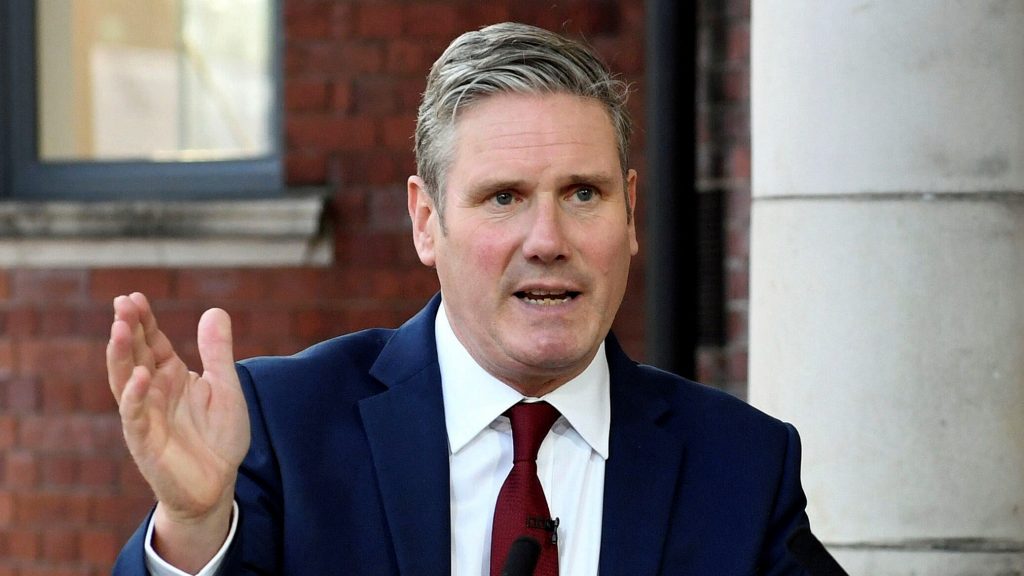
Labour members have lost a legal battle against the party, which they accused of treating them unfairly.
SHARE:
Eight Labour members have lost their high court battle against the party, which they launched against its disciplinary proceedings relating to anti-Semitism.
The claimants had been suspended from the Labour party, or had been issued warning, after making found by the party to have made anti-Semitic remarks.
But the claimants alleged that Labour had acted unfairly, by not revoking disciplinary actions after the Equalities and Human Rights commission (EHRC) criticised the party’s procedures in October 2019.
Then, the EHRC said that there was “a lack of a clear and fair process for respondents” to allegations of anti-Semitism.
Labour leader Sir Keir Starmer responded to the report then, calling for the establishment of “an independent complaints process as soon as possible.”
But claimants in this case accused the party of “rowing back on it’s commitments,” saying that they had still be unfairly treated and denying they had ever made anti-Semitic remarks.
They wanted the court to rule that they should have had disciplinary actions against them revoked, given the ECHR ruling.
The party described the case against them as “lawfare,” attempting “to change the Labour Party’s policy direction on disciplinary matters, particularly with respect to the Israel/Palestinian conflict.
Dismissing the case, the judge accepted that the EHRC had criticised Labour’s disciplinary proceedings back in 2019, but said that it had not found those processes, “fundamentally unfair.”
“The procedure in fact adopted cannot be described as having been actually unfair to [the claimants].”
Submitted Article
Headline
Short Headline
Standfirst
Published Article
HeadlineLabour members lose High Court battle against party
Short HeadlineClaimants lose High Court battle with Labour Party
StandfirstThe eight claimants fought a High Court battle with the party over anti-Semitism disciplinary proceedings.
Eight Labour members have lost their high court battle against the party, which they launched against its disciplinary proceedings relating to anti-Semitism.
The claimants had been suspended from the Labour party, or had been issued warning, after making found by the party to have made anti-Semitic remarks.
But the claimants alleged that Labour had acted unfairly, by not revoking disciplinary actions after the Equalities and Human Rights commission (EHRC) criticised the party’s procedures in October 2019.
Then, the EHRC said that there was “a lack of a clear and fair process for respondents” to allegations of anti-Semitism.
Labour leader Sir Keir Starmer responded to the report then, calling for the establishment of “an independent complaints process as soon as possible.”
But claimants in this case accused the party of “rowing back on it’s commitments,” saying that they had still be unfairly treated and denying they had ever made anti-Semitic remarks.
They wanted the court to rule that they should have had disciplinary actions against them revoked, given the ECHR ruling.
The party described the case against them as “lawfare,” attempting “to change the Labour Party’s policy direction on disciplinary matters, particularly with respect to the Israel/Palestinian conflict.
Dismissing the case, the judge accepted that the EHRC had criticised Labour’s disciplinary proceedings back in 2019, but said that it had not found those processes, “fundamentally unfair.”
“The procedure in fact adopted cannot be described as having been actually unfair to [the claimants].”
A 2024 Freedom of Information request showed Bromley Council had £4.5 million invested in arms companies that year with £1.5 million reportedly linked to Israel.
Undercover officers raided three linked shops in Barking town centre, revealing how illicit tobacco is being hidden in walls, ceilings and nearby locations to evade detection.
More than 330,000 people across the UK sought support from the Stop It Now helpline in 2025 over concerns about their own or someone else’s online sexual behaviour towards children, according to new charity data. The anonymous service says contacts by phone, email and webchat rose significantly over the year.