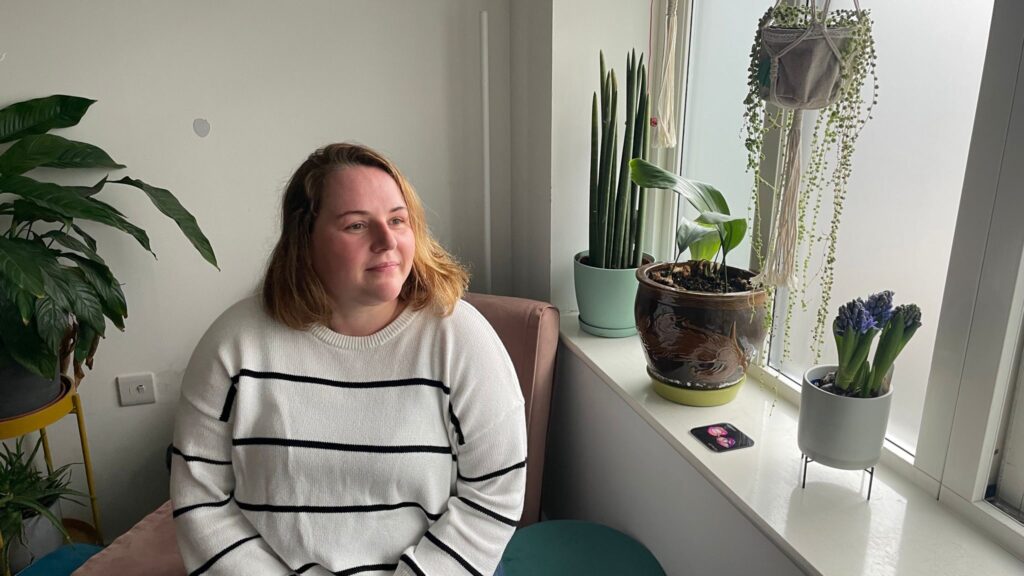
Samantha Jennings, a wheelchair user says, "I don’t think a lot of people realise that they are not the only barrier that we have faced that day."
SHARE:
A freedom of information request shows frequent lift breakages and low staffing across the underground. Disability campaigners say more needs to be done to keep vital transport services open to all.
Listen to this article powered by AI
Elephant and Castle station had the highest number at 116 incidents, meaning a lift broke on average every 3 days.
Lifts were broken for longer periods at Covent Garden. At least one lift was out of order for a total of 750 hours in 2023.
TFL say over a third of their tube stations are step-free.
But, data shows the majority of these stations were inaccessible to wheelchair users at certain times, due to short staffing.
Staff are needed to to operate lifts and supply manual boarding ramps for safety reasons.
Reports of people being stuck underground for “upwards an hour”
Transport for All spokesperson Ezra Johnson says “a lack of step free access [is] the single most significant barrier when using the underground.”
Ezra explains the challenges wheelchair users face
“76% of Londoners plan all or most of [their] journeys in advance just to navigate these access barriers.”
“We’ve had worryingly frequent reports of people who get to a certain station and assistance does not show up or the lift is broken and then if you can’t get back on the train or can’t figure out a route to navigate that then you’re stuck underground.”
“We’ve had people stuck underground for upwards an hour, two hours trying to find assistance. It’s not just inconvenient it’s dangerous, people can be left underground without access to vital medications, without access to toilet facilities”
“I was left on over 30 trains”
Samantha Jennings, a wheelchair user from South London, says poor accessibility amounts to discrimination.
On the mass closure of ticket offices Ezra Johnson said “Staff make or break the accessibility of a given mode of transport. Staff do so much more than just provide ramps, they provide information. They provide sight guiding, ticketing options.”
TFL responded to City News saying: “We continue to look at ways to reduce disruption to our customers while we undertake lift works. We also continue to invest in vital improvements to the transport network including making more stations fully accessible across London.”
Submitted Article
Headline
Short Headline
Standfirst
Published Article
HeadlineMajority of step-free access tube stations risk being inaccessible to wheelchair users, says TFL data
Short HeadlineMajority of step-free access tube stations risk being inaccessible
StandfirstA freedom of information request shows frequent lift breakages and low staffing across the underground.
A freedom of information request shows frequent lift breakages and low staffing across the underground. Disability campaigners say more needs to be done to keep vital transport services open to all.
Listen to this article powered by AI
Elephant and Castle station had the highest number at 116 incidents, meaning a lift broke on average every 3 days.
Lifts were broken for longer periods at Covent Garden. At least one lift was out of order for a total of 750 hours in 2023.
TFL say over a third of their tube stations are step-free.
But, data shows the majority of these stations were inaccessible to wheelchair users at certain times, due to short staffing.
Staff are needed to to operate lifts and supply manual boarding ramps for safety reasons.
Reports of people being stuck underground for “upwards an hour”
Transport for All spokesperson Ezra Johnson says “a lack of step free access [is] the single most significant barrier when using the underground.”
Ezra explains the challenges wheelchair users face
“76% of Londoners plan all or most of [their] journeys in advance just to navigate these access barriers.”
“We’ve had worryingly frequent reports of people who get to a certain station and assistance does not show up or the lift is broken and then if you can’t get back on the train or can’t figure out a route to navigate that then you’re stuck underground.”
“We’ve had people stuck underground for upwards an hour, two hours trying to find assistance. It’s not just inconvenient it’s dangerous, people can be left underground without access to vital medications, without access to toilet facilities”
“I was left on over 30 trains”
Samantha Jennings, a wheelchair user from South London, says poor accessibility amounts to discrimination.
On the mass closure of ticket offices Ezra Johnson said “Staff make or break the accessibility of a given mode of transport. Staff do so much more than just provide ramps, they provide information. They provide sight guiding, ticketing options.”
TFL responded to City News saying: “We continue to look at ways to reduce disruption to our customers while we undertake lift works. We also continue to invest in vital improvements to the transport network including making more stations fully accessible across London.”
A 2024 Freedom of Information request showed Bromley Council had £4.5 million invested in arms companies that year with £1.5 million reportedly linked to Israel.
Undercover officers raided three linked shops in Barking town centre, revealing how illicit tobacco is being hidden in walls, ceilings and nearby locations to evade detection.
More than 330,000 people across the UK sought support from the Stop It Now helpline in 2025 over concerns about their own or someone else’s online sexual behaviour towards children, according to new charity data. The anonymous service says contacts by phone, email and webchat rose significantly over the year.