“I was really shocked … but I also wasn’t particularly surprised”.
City News has spoken to one young female police officer about her reaction to the BBC documentary and her struggle to balance public mistrust with personal pride.
“I was pretty ashamed [but] can see definitely how those cultures have become entrenched and normalised”
Officer’s Reaction: Shock and Shame
The officer who asked to remain anonymous, says this culture contributes to the “keep calm and carry on” mentality of the Met.
She describes adopting masculine traits to fit into the masculine culture. Female officers make up only 32% of London’s police force.
The BBC programme shows officers making discriminatory, racist and violent comments.
It was just the latest crisis for London’s police service facing years of accusations of misogyny.
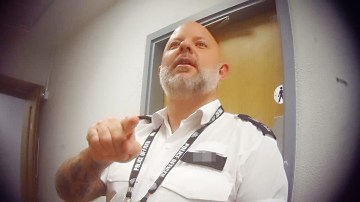
Sgt Joe McIlvenny was filmed dismissing an alleged rape victim’s testimony, he has since been sacked following an investigation. Credit: BBC
The officer worries the Panorama documentary will only make things worse. She told us “[I’m] quite nervous because I know the effects that it [the documentary] will have on how people view us… I would be lying if I said it [won’t] make our jobs a lot more difficult”.
Whilst she senses “there’s definitely a general feeling of having to prove yourself more as a woman when you join”, she feels most threatened by misogyny from the people she serves, rather than those she works with.
“… I think the most sexism I’ve ever faced is actually from members of the public”
Challenges on the Frontline
In our interview, the Met officer detailed feeling like a “piece of meat” on her daily duties but having to just “grin and bear it”.
Her concern follows a 14% increase between 2024 and 2025 in assaults on police officers in England and Wales, according to the Police Federation.
But, when experiencing discomfort with members of the public, she “always has the support of [her] male officers”.
Fears for the safety of female officers in London are warranted. Over the summer two female officers were violently attacked by a man in Sidcup and an off-duty policewoman was punched when challenging fare dodgers at Wood Green tube station.
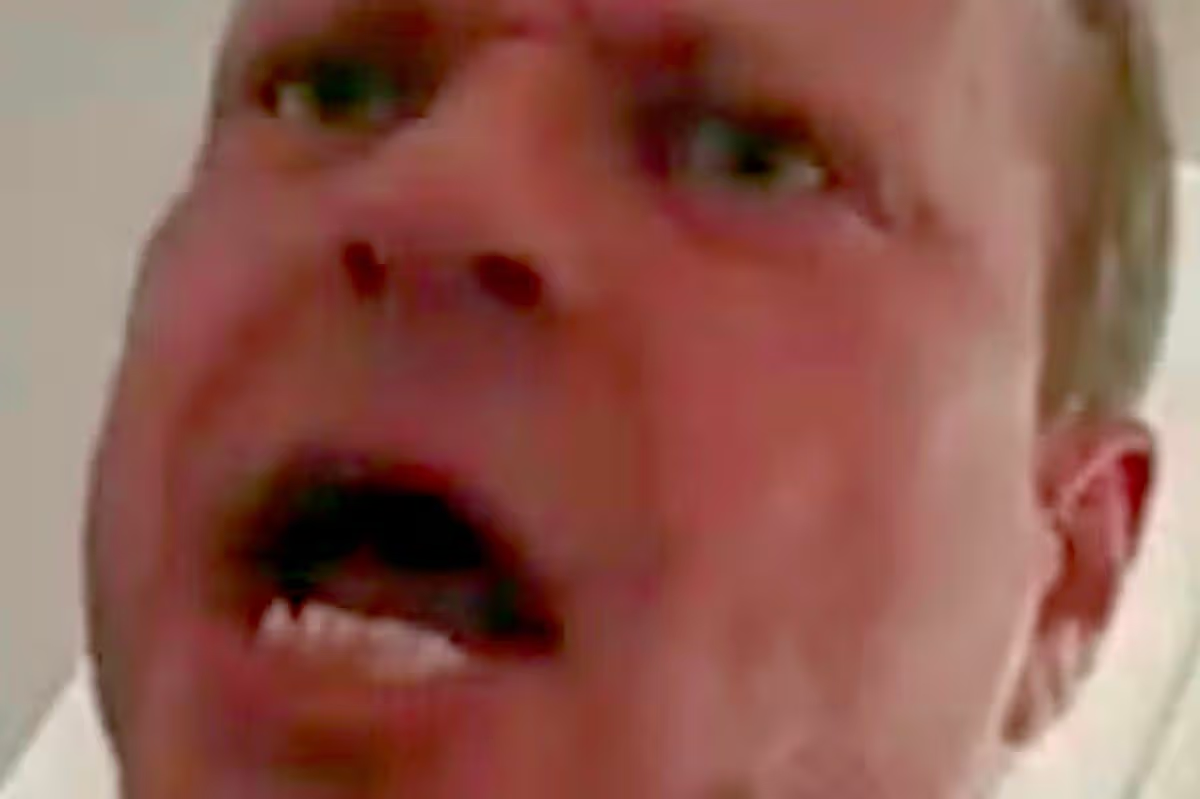
Mark Weatherly during the Sidcup assault where he said two female police officers ‘deserved’ to be knocked out. Credit: Metropolitan Police
Met Statement
The Met declined to comment on our officer’s concerns.
“I have been candid about the systematic, cultural, leadership and regulatory failings that have allowed misogyny, racism and a lack of public service ethos to put down deep roots”
Supporting Domestic Abuse Victims
Despite such challenges, she says being a woman in the police allows her to connect with female victims in ways that can make a real difference.
These connections are especially important to her given that misogyny was a recurring theme in the hundreds of responses received by the BBC after the documentary aired.
Sexism was experienced when reporting domestic abuse and sexual violence to the police.
“Domestic instances are always really difficult [but women] do feel a lot more comfortable speaking to me because I am a young woman, so I try to harness that and use that as a real positive”.
Commitment amongst Public Distrust
While acknowledging the public’s negative perceptions and the “appalling” issues within Met police culture, she remains committed to her role.
The most rewarding part of her job is when “someone has a perception about the police, like doesn’t believe that you’re competent or has anti-police attitudes and then by the end of the interaction they say something like ‘you know what officer you’re actually a good one’”.
The public’s anti police attitude is one she can relate to.
She had her own perception of the police before she joined but only sees improvements being made with “more trust from the public”.
This is a difficult feat, only made trickier by the incorrect release of migrant sex offender Hadush Kebatu this weekend.
The error marks yet another headline making blow to policing credibility.
Credit: AP
Pride and Personal Integrity
Her words capture the difficult balance many officers face, reconciling pride in their work with the weight of an institution still struggling to rebuild public trust.
“There is a lot of shame that carries with being attached to an organisation that has a culture like this … but ultimately I am really proud to be a police officer”.
She remains in the Met for the moments of genuine impact that keep her there.
“It sounds really cliché but when you can see that you’ve genuinely made a difference to someone’s life … it reminds you why you did it in the first place”.
The misconduct hearings of Charing Cross officers are scheduled for next week.
Submitted Article
Headline
Short Headline
Standfirst
Published Article
Headline“Ultimately I am proud to be a police officer”: Young woman reflects on life in the Met after Panorama Exposé
Short HeadlineInside the Met: A female police officer speaks out
StandfirstAs misconduct hearings takes place for Charing Cross Police station officers one young police woman shares her experience in a force in turmoil
“I was really shocked … but I also wasn’t particularly surprised”.
City News has spoken to one young female police officer about her reaction to the BBC documentary and her struggle to balance public mistrust with personal pride.
“I was pretty ashamed [but] can see definitely how those cultures have become entrenched and normalised”
Officer’s Reaction: Shock and Shame
The officer who asked to remain anonymous, says this culture contributes to the “keep calm and carry on” mentality of the Met.
She describes adopting masculine traits to fit into the masculine culture. Female officers make up only 32% of London’s police force.
The BBC programme shows officers making discriminatory, racist and violent comments.
It was just the latest crisis for London’s police service facing years of accusations of misogyny.
Sgt Joe McIlvenny was filmed dismissing an alleged rape victim’s testimony, he has since been sacked following an investigation. Credit: BBC
The officer worries the Panorama documentary will only make things worse. She told us “[I’m] quite nervous because I know the effects that it [the documentary] will have on how people view us… I would be lying if I said it [won’t] make our jobs a lot more difficult”.
Whilst she senses “there’s definitely a general feeling of having to prove yourself more as a woman when you join”, she feels most threatened by misogyny from the people she serves, rather than those she works with.
“… I think the most sexism I’ve ever faced is actually from members of the public”
Challenges on the Frontline
In our interview, the Met officer detailed feeling like a “piece of meat” on her daily duties but having to just “grin and bear it”.
Her concern follows a 14% increase between 2024 and 2025 in assaults on police officers in England and Wales, according to the Police Federation.
But, when experiencing discomfort with members of the public, she “always has the support of [her] male officers”.
Fears for the safety of female officers in London are warranted. Over the summer two female officers were violently attacked by a man in Sidcup and an off-duty policewoman was punched when challenging fare dodgers at Wood Green tube station.
Mark Weatherly during the Sidcup assault where he said two female police officers ‘deserved’ to be knocked out. Credit: Metropolitan Police
Met Statement
The Met declined to comment on our officer’s concerns.
“I have been candid about the systematic, cultural, leadership and regulatory failings that have allowed misogyny, racism and a lack of public service ethos to put down deep roots”
Supporting Domestic Abuse Victims
Despite such challenges, she says being a woman in the police allows her to connect with female victims in ways that can make a real difference.
These connections are especially important to her given that misogyny was a recurring theme in the hundreds of responses received by the BBC after the documentary aired.
Sexism was experienced when reporting domestic abuse and sexual violence to the police.
“Domestic instances are always really difficult [but women] do feel a lot more comfortable speaking to me because I am a young woman, so I try to harness that and use that as a real positive”.
Commitment amongst Public Distrust
While acknowledging the public’s negative perceptions and the “appalling” issues within Met police culture, she remains committed to her role.
The most rewarding part of her job is when “someone has a perception about the police, like doesn’t believe that you’re competent or has anti-police attitudes and then by the end of the interaction they say something like ‘you know what officer you’re actually a good one’”.
The public’s anti police attitude is one she can relate to.
She had her own perception of the police before she joined but only sees improvements being made with “more trust from the public”.
This is a difficult feat, only made trickier by the incorrect release of migrant sex offender Hadush Kebatu this weekend.
The error marks yet another headline making blow to policing credibility.
Credit: AP
Pride and Personal Integrity
Her words capture the difficult balance many officers face, reconciling pride in their work with the weight of an institution still struggling to rebuild public trust.
“There is a lot of shame that carries with being attached to an organisation that has a culture like this … but ultimately I am really proud to be a police officer”.
She remains in the Met for the moments of genuine impact that keep her there.
“It sounds really cliché but when you can see that you’ve genuinely made a difference to someone’s life … it reminds you why you did it in the first place”.
The misconduct hearings of Charing Cross officers are scheduled for next week.
Counter-terror police arrested Labour MP Joani Reid’s husband and two other men in a China spying probe - all three are now on bail as detectives search for answers
A 2024 Freedom of Information request showed Bromley Council had £4.5 million invested in arms companies that year with £1.5 million reportedly linked to Israel.
Undercover officers raided three linked shops in Barking town centre, revealing how illicit tobacco is being hidden in walls, ceilings and nearby locations to evade detection.
More than 330,000 people across the UK sought support from the Stop It Now helpline in 2025 over concerns about their own or someone else’s online sexual behaviour towards children, according to new charity data. The anonymous service says contacts by phone, email and webchat rose significantly over the year.