An outspoken campaigner for women’s rights has blasted the Met Police amid the ongoing fallout from a shocking BBC Panorama investigation.
Jamie Klingler, co-founder of social-justice group, Reclaim These Streets, told City News she was “less likely to report a sexual assault now than I was five years ago when I started doing this work.” Reclaim These Streets was set up in the wake of the kidnap, rape, and murder of Sarah Everard by a serving Met officer.
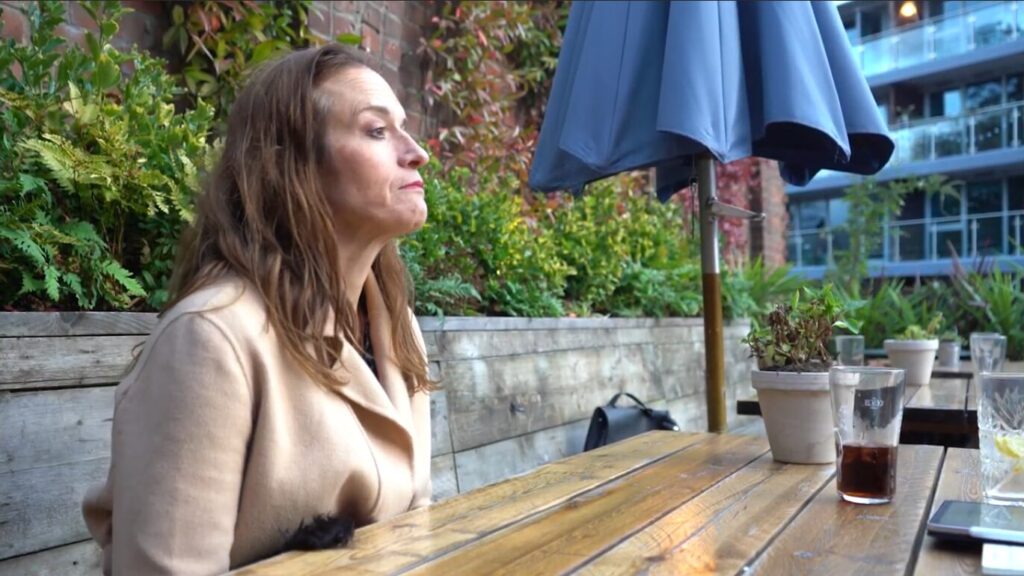
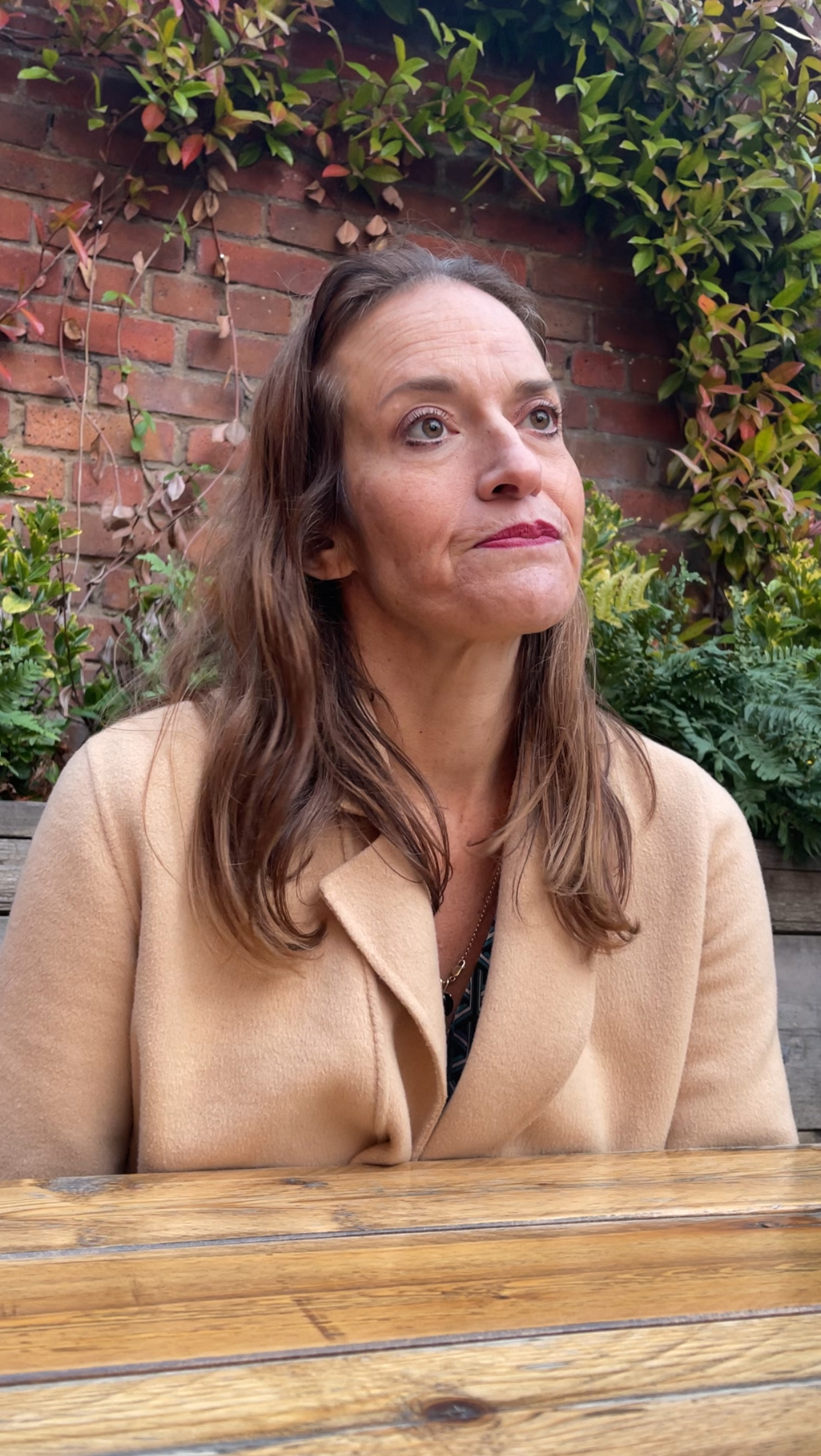
Campaigner Jamie Klingler is disappointed with the Metropolitan Police’s response to misconduct. CREDIT: CITY NEWS
Since Sarah Everard’s murder, Metropolitan police commissioner Sir Mark Rowley promised to be “ruthless” in kicking out corrupt officers, but a recent BBC Panorama investigation exposed a toxic culture of racism, violence, and misogyny at London’s Charing Cross police station.
Five officers have been sacked over the footage branded “shocking” by Kier Starmer, but Ms Klingler does not share the sentiment.
‘I wish I could say I was surprised… but do you or I objectively think that if there were secret cameras in every police station it wouldn’t be the same?’
A CULTURE OF ABUSE?
The Panorama programme is yet another blow to a force that has been mired in scandals and abuses of power.
Wayne Couzens, Sarah Everard’s killer, and David Carrick, who admitted 48 counts of rape, were both serving police officers when they committed these crimes. Both used their position as police officers to aid in their abuse of women, and both had multiple prior reports of sexual misconduct against them that were not properly investigated.
Couzens and Carrick also served in the same unit, where their alleged nicknames were “the rapist” and “the b*****d.”
The Independent Office for Police Conduct (IOPC) had also investigated Charing Cross police station – the subject of the BBC’s programme – just three years ago. They found that officers regularly joked about domestic, racial, and sexual violence. Officers referred to a colleague as “mcrapey raperson” and another boasted about targeting “Somalian rats . . . I battered one the other day.”
Following Sarah Everard’s murder, the Casey review branded the Met as ‘institutionally sexist racist and homophobic.’
Mark Rowley says the problem lies with “rogue officers”. He insists that he is effectively reforming the Met, pointing to the removal of over 1,400 officers in the last three years who failed to meet standards.
Jamie Klingler, however, believes that the Met’s cultural problems are too deeply embedded.
‘Anybody who really wants to reform the Met, can’t have come up in that institution. Mark Rowley said that in his 30 years of service in the Met, he never saw any misogyny – then you don’t know what it looks like.’
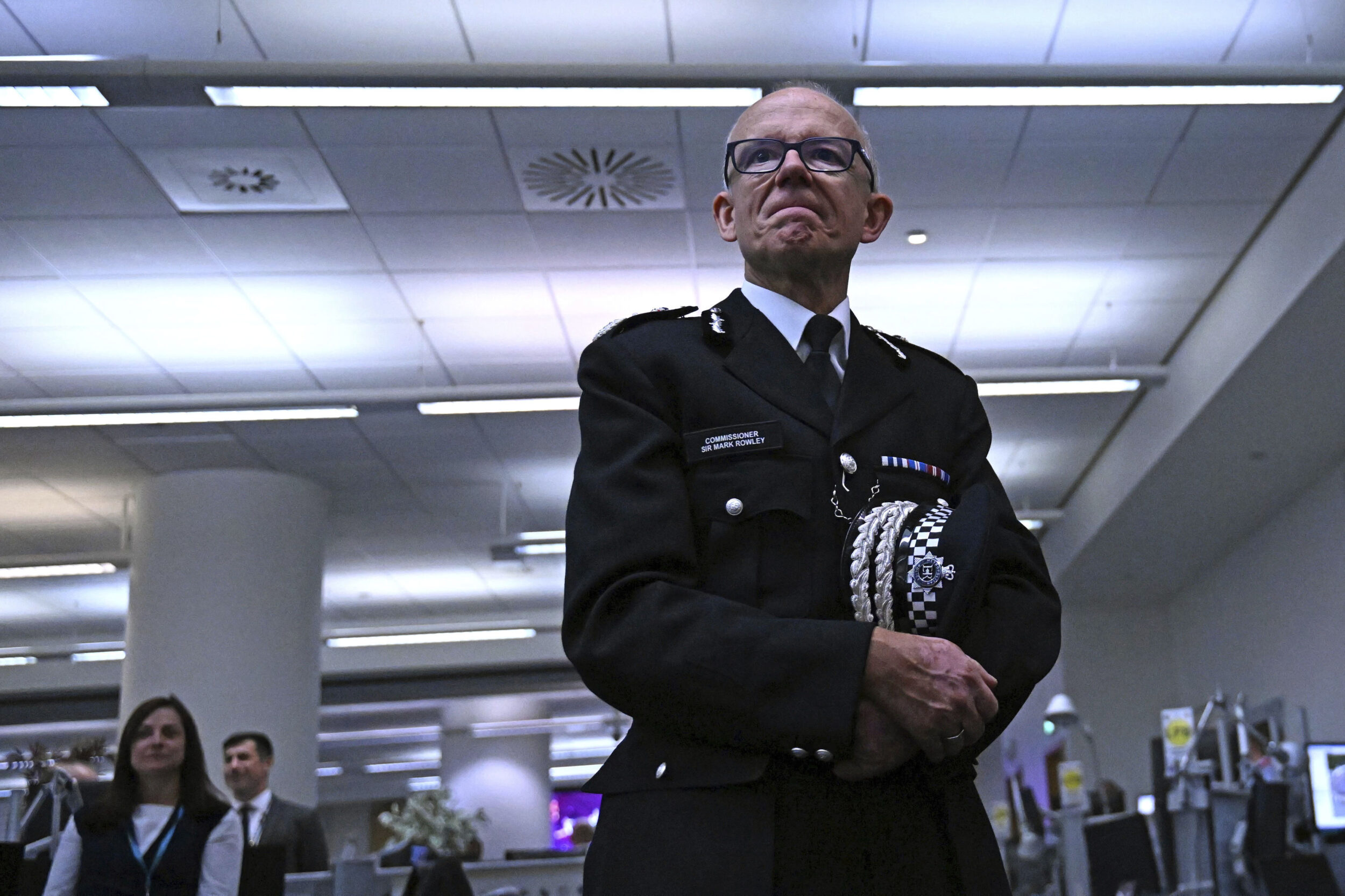
Metropolitan Police Commissioner Sir Mark Rowley. CREDIT: ASSOCIATED PRESS
TRUST FALLS
Public confidence in the Met has plummeted – a poll commissioned by the Economic and Social Research Council shows that only 35% of Londoners trust them – and the steady flow of scandals are only adding to the disillusionment.
Mark Rowley expressed his concern that investigations like the Panorama programme “damage trust and confidence” in the police.
Last year, the commissioner also slammed the “army of armchair commentators” who film police officers for social media, as well as warning politicians against making criticisms that could “have a detrimental effect on the public perception of police impartiality.”
Public figures, such as Sadiq Khan, have questioned why it took the BBC to expose the behaviour at Charing Cross station, not the Met’s own internal oversight.
Mark Rowley is also blaming the BBC for delays in some of the misconduct hearings. He claims that they took too long to release unedited footage.
‘The BBC’s co-operation since they first contacted us has fallen short… The actions of the BBC, which should be acting in the public interest, have added unnecessary complications to what is already a bureaucratic, complex and highly legalistic misconduct system for police’.
Ms Klingler, rejected the explanation for the delay in hearings as an excuse. ‘‘Saying, ‘Oh, we need the unedited footage’, but you’ve got millions of hours of CCTV in your stations that you refuse to watch, that you refuse to let the IOPC have access to.”
She alleges the Met is not interested in – or even capable of – reform, and will only take any action when forced to.
‘You can’t fix something if you don’t admit it’s broken, and they don’t believe it’s broken. They want it to stay the same, they just want the headlines to stop’.
Submitted Article
Headline
Short Headline
Standfirst
Published Article
HeadlineSarah Everard Campaigner: ‘I’m Less Likely to Report a Sexual Assault Now’
Short HeadlineSarah Everard Campaigner: ‘I’m Less Likely to Report a Sexual Assault Now’
StandfirstAs a fifth officer is sacked for Panorama misconduct, the growing pile of scandals and lack of accountability is threatening to engulf the Met.
An outspoken campaigner for women’s rights has blasted the Met Police amid the ongoing fallout from a shocking BBC Panorama investigation.
Jamie Klingler, co-founder of social-justice group, Reclaim These Streets, told City News she was “less likely to report a sexual assault now than I was five years ago when I started doing this work.” Reclaim These Streets was set up in the wake of the kidnap, rape, and murder of Sarah Everard by a serving Met officer.
Campaigner Jamie Klingler is disappointed with the Metropolitan Police’s response to misconduct. CREDIT: CITY NEWS
Since Sarah Everard’s murder, Metropolitan police commissioner Sir Mark Rowley promised to be “ruthless” in kicking out corrupt officers, but a recent BBC Panorama investigation exposed a toxic culture of racism, violence, and misogyny at London’s Charing Cross police station.
Five officers have been sacked over the footage branded “shocking” by Kier Starmer, but Ms Klingler does not share the sentiment.
‘I wish I could say I was surprised… but do you or I objectively think that if there were secret cameras in every police station it wouldn’t be the same?’
A CULTURE OF ABUSE?
The Panorama programme is yet another blow to a force that has been mired in scandals and abuses of power.
Wayne Couzens, Sarah Everard’s killer, and David Carrick, who admitted 48 counts of rape, were both serving police officers when they committed these crimes. Both used their position as police officers to aid in their abuse of women, and both had multiple prior reports of sexual misconduct against them that were not properly investigated.
Couzens and Carrick also served in the same unit, where their alleged nicknames were “the rapist” and “the b*****d.”
The Independent Office for Police Conduct (IOPC) had also investigated Charing Cross police station – the subject of the BBC’s programme – just three years ago. They found that officers regularly joked about domestic, racial, and sexual violence. Officers referred to a colleague as “mcrapey raperson” and another boasted about targeting “Somalian rats . . . I battered one the other day.”
Following Sarah Everard’s murder, the Casey review branded the Met as ‘institutionally sexist racist and homophobic.’
Mark Rowley says the problem lies with “rogue officers”. He insists that he is effectively reforming the Met, pointing to the removal of over 1,400 officers in the last three years who failed to meet standards.
Jamie Klingler, however, believes that the Met’s cultural problems are too deeply embedded.
‘Anybody who really wants to reform the Met, can’t have come up in that institution. Mark Rowley said that in his 30 years of service in the Met, he never saw any misogyny – then you don’t know what it looks like.’
Metropolitan Police Commissioner Sir Mark Rowley. CREDIT: ASSOCIATED PRESS
TRUST FALLS
Public confidence in the Met has plummeted – a poll commissioned by the Economic and Social Research Council shows that only 35% of Londoners trust them – and the steady flow of scandals are only adding to the disillusionment.
Mark Rowley expressed his concern that investigations like the Panorama programme “damage trust and confidence” in the police.
Last year, the commissioner also slammed the “army of armchair commentators” who film police officers for social media, as well as warning politicians against making criticisms that could “have a detrimental effect on the public perception of police impartiality.”
Public figures, such as Sadiq Khan, have questioned why it took the BBC to expose the behaviour at Charing Cross station, not the Met’s own internal oversight.
Mark Rowley is also blaming the BBC for delays in some of the misconduct hearings. He claims that they took too long to release unedited footage.
‘The BBC’s co-operation since they first contacted us has fallen short… The actions of the BBC, which should be acting in the public interest, have added unnecessary complications to what is already a bureaucratic, complex and highly legalistic misconduct system for police’.
Ms Klingler, rejected the explanation for the delay in hearings as an excuse. ‘‘Saying, ‘Oh, we need the unedited footage’, but you’ve got millions of hours of CCTV in your stations that you refuse to watch, that you refuse to let the IOPC have access to.”
She alleges the Met is not interested in – or even capable of – reform, and will only take any action when forced to.
‘You can’t fix something if you don’t admit it’s broken, and they don’t believe it’s broken. They want it to stay the same, they just want the headlines to stop’.
A 2024 Freedom of Information request showed Bromley Council had £4.5 million invested in arms companies that year with £1.5 million reportedly linked to Israel.
Undercover officers raided three linked shops in Barking town centre, revealing how illicit tobacco is being hidden in walls, ceilings and nearby locations to evade detection.
More than 330,000 people across the UK sought support from the Stop It Now helpline in 2025 over concerns about their own or someone else’s online sexual behaviour towards children, according to new charity data. The anonymous service says contacts by phone, email and webchat rose significantly over the year.