London’s most famous ice rinks are opening for the festive season, but with temperatures still hovering around 15 C, keeping them frozen is an energy-heavy task.
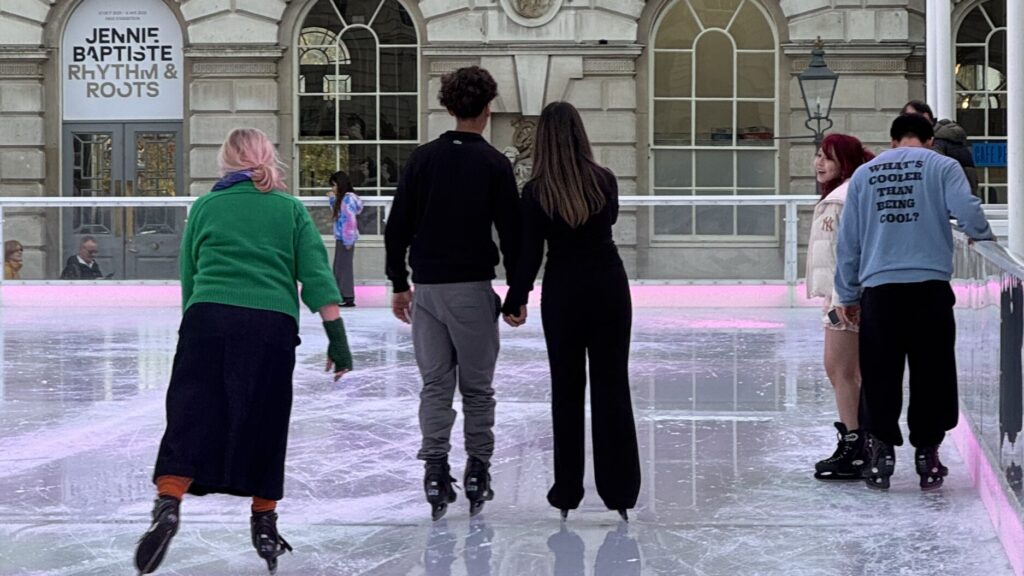
For many, the return of pop-up ice rinks marks the unofficial start of winter. At Somerset House, crowds are already lacing up for the season, even though the temperatures are sitting in the double digits.
A Tradition Under Pressure
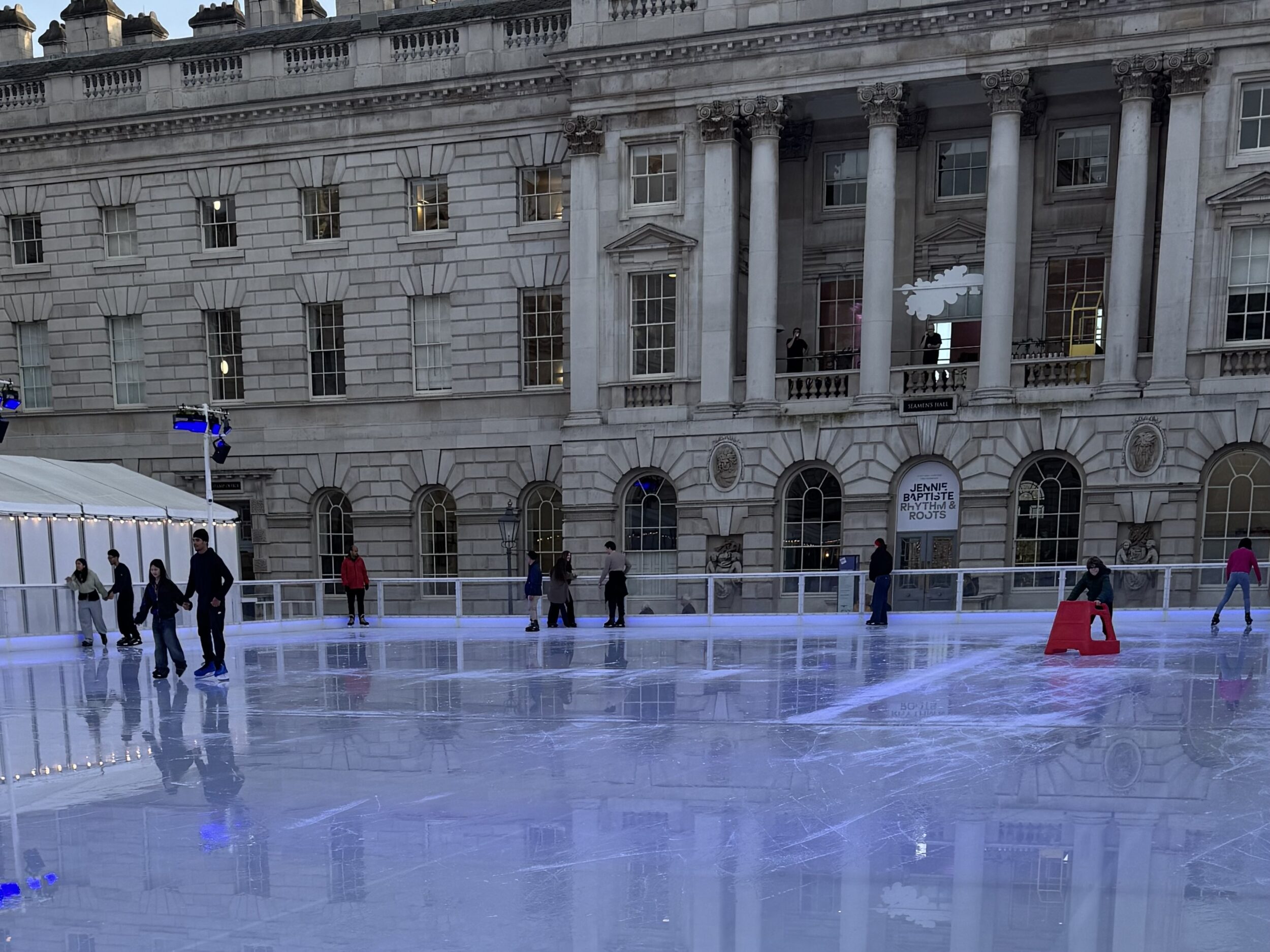
Running an outdoor rink in these conditions is no small task. Temporary venues, especially large installations like Somerset House’s 900-square-metre set-up, rely on high-powered chillers, lighting and sound systems.
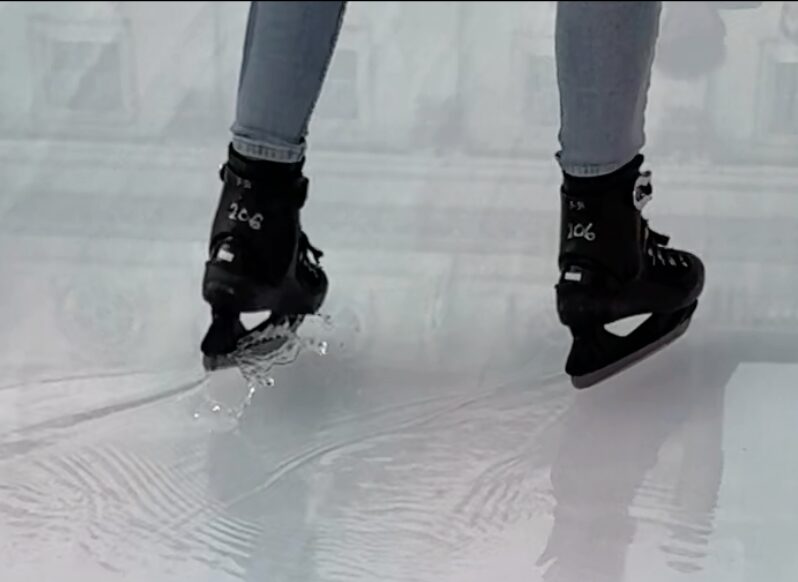
The warmer weather doesn’t go unnoticed. One visitor told City News: “It is very, very mild for November. It’s ridiculous. You can see the ice is certainly melting.’’
Double digit temperatures are melting the ice
The London Climate Ready Partnership (LCRP), which advises City Hall on climate adaptation says:
“As our winters become warmer and wetter, the necessary energy input to maintain a frozen state increases, adding to global carbon emissions.’’
The rise in energy demand also comes with financial pressures and price hikes for skaters. A 45-minute session for a family of four can now cost nearly £80 at some of the capital’s best-known rinks, before factoring in extras like a post-skate hot chocolate.
Dr. Dallia Ali, associate professor in Electrical Power Engineering at Robert Gordon University, says the issue goes way beyond ticket prices.
“I know that everyone views this from a cost point of view but people need to understand why it’s high in cost.
“We are running out of fossil fuels, especially here in the UK. And if we keep our consumption at a high rate, we’ll need alternatives before we have no resources left to use.’’
Efforts to Make Rinks Greener
Some venues report they are already taking steps to reduce their carbon footprint.
Skate at Somerset House
Somerset House says it has been working with sustainable energy consultants since 2022 and has reduced its rink’s electricity use by 20% compared to 2023, thanks to upgraded chillers and closer energy monitoring.
The venue did not provide detailed energy consumption figures when approached by City News.
The LCRP states alternatives to carbon-based energy sources “could offer a more sustainable future energy model for ice rinks across London.” Dr. Ali goes even further, arguing that these changes are “an obligation, rather than an option”. According to her, more energy-efficient LED lighting, waste-heat recovery systems and renewables such as solar, small wind systems and hydrogen storage technologies, could all help seasonal rinks stay viable.
Balancing Joy and Sustainability
Despite the concerns, London’s enthusiasm for festive skating shows no sign of cooling, with tens of thousands of visitors returning to the ice every year.
The challenge now is how to sustain this much-loved tradition in the long term, so Londoners can skate for many more winters to come.
Submitted Article
Headline
Short Headline
Standfirst
Published Article
HeadlineLondon’s festive ice rinks are back – but at 15°C, they’re fighting the weather
Short HeadlineLondon’s ice rinks reopen amid mild weather
StandfirstWarm weather poses challenge for London’s pop-up ice rinks
London’s most famous ice rinks are opening for the festive season, but with temperatures still hovering around 15 C, keeping them frozen is an energy-heavy task.
For many, the return of pop-up ice rinks marks the unofficial start of winter. At Somerset House, crowds are already lacing up for the season, even though the temperatures are sitting in the double digits.
A Tradition Under Pressure
Running an outdoor rink in these conditions is no small task. Temporary venues, especially large installations like Somerset House’s 900-square-metre set-up, rely on high-powered chillers, lighting and sound systems.
The warmer weather doesn’t go unnoticed. One visitor told City News: “It is very, very mild for November. It’s ridiculous. You can see the ice is certainly melting.’’
Double digit temperatures are melting the ice
The London Climate Ready Partnership (LCRP), which advises City Hall on climate adaptation says:
“As our winters become warmer and wetter, the necessary energy input to maintain a frozen state increases, adding to global carbon emissions.’’
The rise in energy demand also comes with financial pressures and price hikes for skaters. A 45-minute session for a family of four can now cost nearly £80 at some of the capital’s best-known rinks, before factoring in extras like a post-skate hot chocolate.
Dr. Dallia Ali, associate professor in Electrical Power Engineering at Robert Gordon University, says the issue goes way beyond ticket prices.
“I know that everyone views this from a cost point of view but people need to understand why it’s high in cost.
“We are running out of fossil fuels, especially here in the UK. And if we keep our consumption at a high rate, we’ll need alternatives before we have no resources left to use.’’
Efforts to Make Rinks Greener
Some venues report they are already taking steps to reduce their carbon footprint.
Skate at Somerset House
Somerset House says it has been working with sustainable energy consultants since 2022 and has reduced its rink’s electricity use by 20% compared to 2023, thanks to upgraded chillers and closer energy monitoring.
The venue did not provide detailed energy consumption figures when approached by City News.
The LCRP states alternatives to carbon-based energy sources “could offer a more sustainable future energy model for ice rinks across London.” Dr. Ali goes even further, arguing that these changes are “an obligation, rather than an option”. According to her, more energy-efficient LED lighting, waste-heat recovery systems and renewables such as solar, small wind systems and hydrogen storage technologies, could all help seasonal rinks stay viable.
Balancing Joy and Sustainability
Despite the concerns, London’s enthusiasm for festive skating shows no sign of cooling, with tens of thousands of visitors returning to the ice every year.
The challenge now is how to sustain this much-loved tradition in the long term, so Londoners can skate for many more winters to come.
A 2024 Freedom of Information request showed Bromley Council had £4.5 million invested in arms companies that year with £1.5 million reportedly linked to Israel.
Undercover officers raided three linked shops in Barking town centre, revealing how illicit tobacco is being hidden in walls, ceilings and nearby locations to evade detection.
More than 330,000 people across the UK sought support from the Stop It Now helpline in 2025 over concerns about their own or someone else’s online sexual behaviour towards children, according to new charity data. The anonymous service says contacts by phone, email and webchat rose significantly over the year.