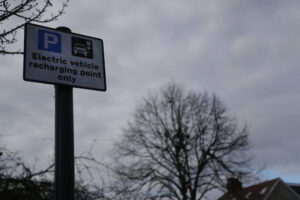
London’s electric minicab drivers are warning that upcoming congestion charge changes could drive up fares, cut incomes and undermine the city’s shift to cleaner transport.
The removal of London’s congestion charge exemption for electric vehicles will place a “cost burden” on drivers who adopted cleaner technology “in good faith” and risks stalling the city’s shift away from petrol and diesel, a leading union has told City News.
The App Drivers & Couriers Union (ADCU) issued the stark warning in response to the major policy shift, which from 1 January 2026 will see even zero-emission cars pay £13.50 daily to enter the Congestion Charge Zone.
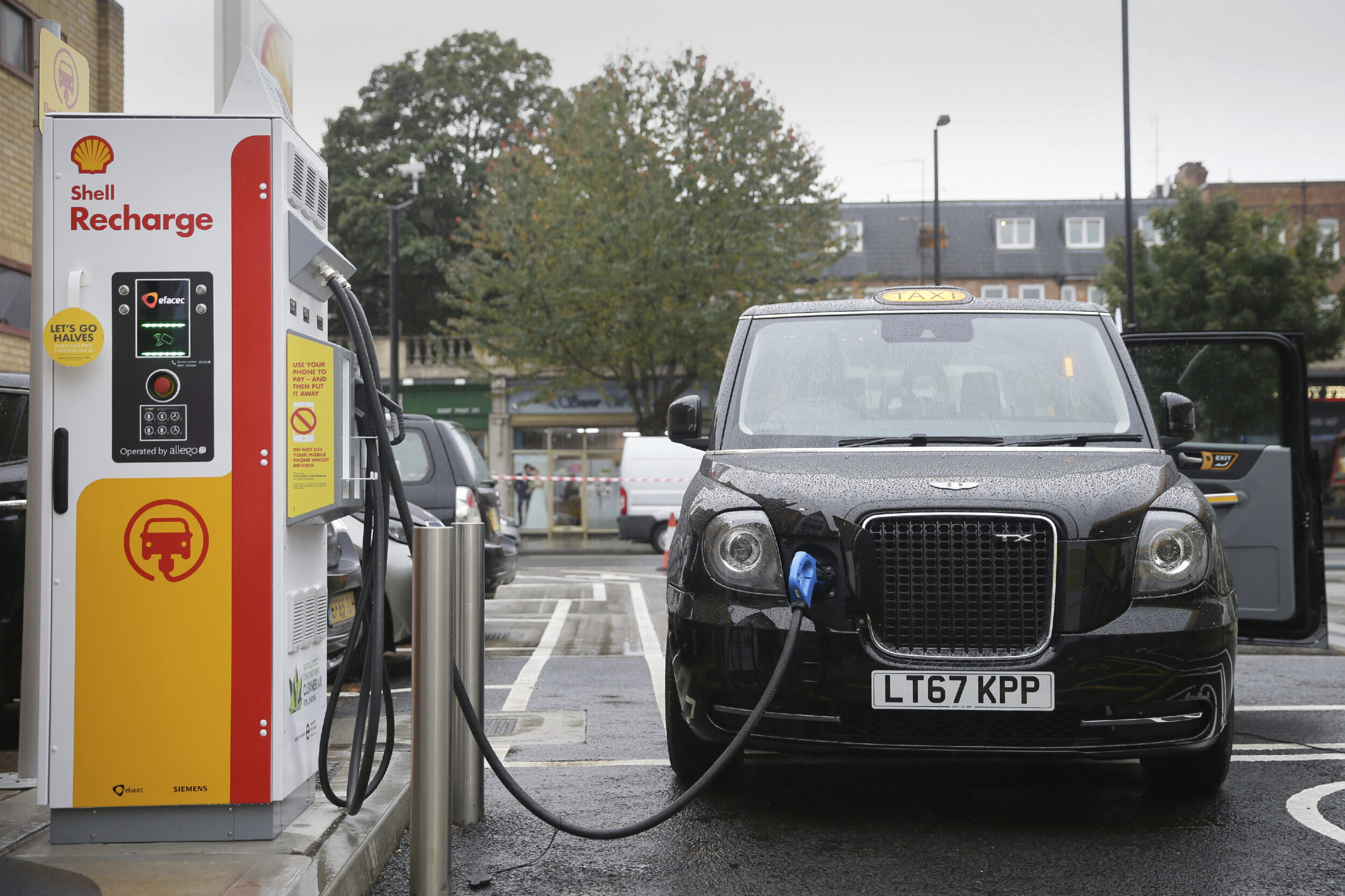
Critics warn the new fee could slow London’s shift to electric transport. (AP Photo/Tim Ireland)
“This will place a cost burden on members who adopted EVs in good faith, expecting the exemption to continue,” an ADCU spokesperson told us.
The union warned the move “will discourage and cause less of an incentivise for cleaner vehicle uptake in the private hire sector,” undermining London’s transition to EVs and “reducing confidence among drivers in making future investments in cleaner vehicles.”
The decision, confirmed by Transport for London (TfL), marks a significant U-turn in the city’s approach to promoting low-emission transport. The current Cleaner Vehicle Discount, which exempts EVs from the charge, will end entirely by 2026.
“We invested in good faith – now it will reduce my income”
For drivers on the road, the policy change translates into a direct hit to their earnings. Kola Olalekan, an electric minicab driver and GMB London representative, told City News that the new charge could add an average of £300 a month to his costs.
“It will reduce the number of times I enter central London, which in turn will reduce my income – as I drive mostly inside the city,” Olalekan said.
He argues that the current structure “unfairly penalises drivers who have already invested in cleaner technology,” and said he would like to see TfL “offer at least a 75% discount” for private hire EVs.
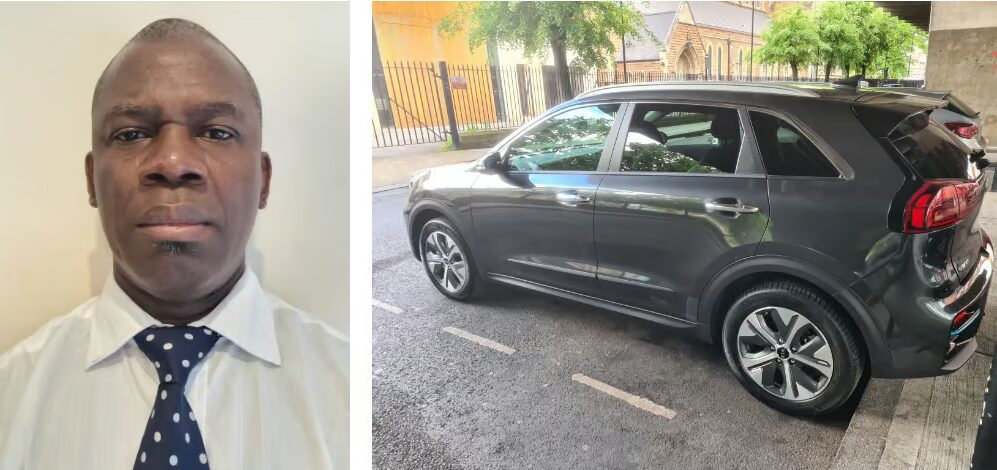
Kola Olalekan says the congestion charge change could add £300 a month to his costs. (Courtesy photo)
The ADCU echoed this concern, adding that “drivers are already dealing with falling earnings due to an oversupply of vehicles and the refusal of app companies to increase the mileage rates paid to drivers.”
The union fears the added cost “could lead to fewer private hire vehicles drivers choosing EVs,” a trend that could reverse the progress made under TfL’s own licensing rules, which mandate that all new private hire vehicles must be zero-emission capable.
TfL: Congestion, not air quality, is the issue
TfL insists the change is necessary to tackle congestion, not air quality, arguing that the growing number of zero-emission vehicles is increasing pressure on the capital’s roads.
Officials contend that without reform, rising EV numbers could add thousands more vehicles to central London’s streets, worsening delays and undermining the Congestion Charge’s original purpose as a traffic management tool.
Transport for London says the rise in zero-emission vehicles has increased congestion. (AP Photo/Frank Augstein)
Under the updated rules, electric vans and heavier zero-emission vehicles registered for Auto Pay will receive a 50% discount, paying £9 a day. The 90% residents’ discount will continue for existing applicants, though from 2027 it will only apply to electric vehicles.
Further changes are planned for the next decade. By 2030, discounts for electric vehicles will be reduced again – to 25% for commercial EVs and just 12.5% for cars. TfL says this gradual approach will help prevent traffic increases while allowing businesses time to adapt.
What does this mean for Londoners?
For the average Londoner, the impact of this policy will likely be felt most acutely in the cost and availability of minicabs.
The rise in operating costs for drivers is expected to be passed on to passengers through higher fares on ride-hailing platforms like Uber and Bolt, particularly during periods of peak demand.
Furthermore, if drivers like Olalekan follow through on their intention to avoid the zone, passengers could face longer waiting times and fewer available vehicles in central London. Unions have also warned that some operators may even revert to petrol or hybrid cars if the economics of running an EV become unviable.
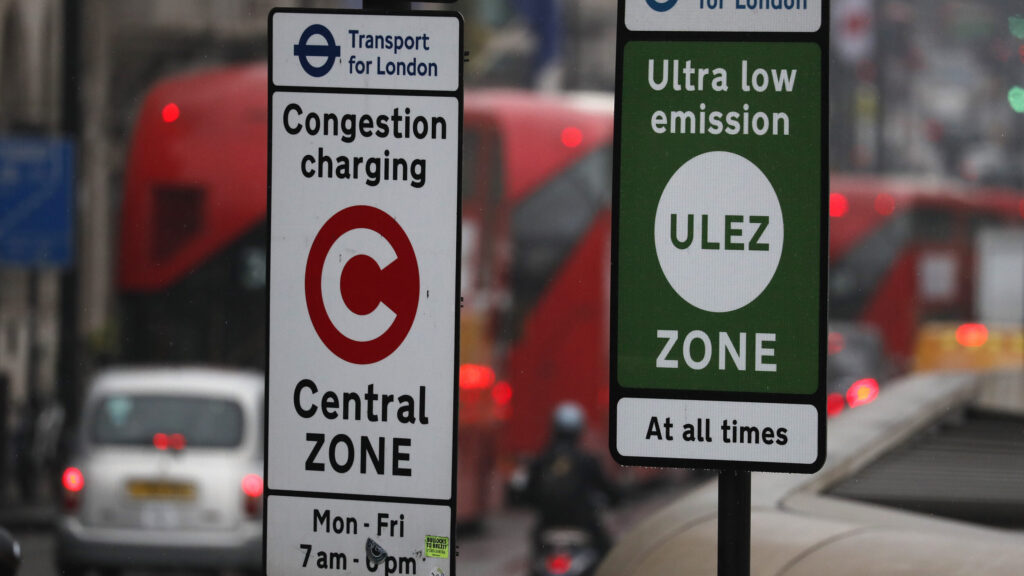
Congestion Charge signs mark the entry to central London’s controlled zones. (AP Photo/Kirsty Wigglesworth)
Environmental campaigners and transport experts have questioned whether the new charge aligns with the Mayor’s London Environment Strategy, which aims to achieve net-zero carbon emissions by 2030.
They warn that removing financial incentives risks discouraging drivers from adopting cleaner technologies at a crucial stage.
TfL maintains that the congestion charge remains vital for managing traffic in one of the world’s busiest cities. But for the city’s electric minicab drivers, the calculation has already changed. As Kola Olalekan’s experience shows, the financial burden threatens to reroute both their livelihoods and London’s path toward a greener future.
Submitted Article
Headline
Short Headline
Standfirst
Published Article
HeadlineElectric cab drivers warn London’s congestion charge change could “stall” green transition
Short HeadlineLondon’s electric minicab drivers hit out at congestion charges
StandfirstFrom January, even zero-emission vehicles will have to pay to drive through the city centre.
London’s electric minicab drivers are warning that upcoming congestion charge changes could drive up fares, cut incomes and undermine the city’s shift to cleaner transport.
The removal of London’s congestion charge exemption for electric vehicles will place a “cost burden” on drivers who adopted cleaner technology “in good faith” and risks stalling the city’s shift away from petrol and diesel, a leading union has told City News.
The App Drivers & Couriers Union (ADCU) issued the stark warning in response to the major policy shift, which from 1 January 2026 will see even zero-emission cars pay £13.50 daily to enter the Congestion Charge Zone.
Critics warn the new fee could slow London’s shift to electric transport. (AP Photo/Tim Ireland)
“This will place a cost burden on members who adopted EVs in good faith, expecting the exemption to continue,” an ADCU spokesperson told us.
The union warned the move “will discourage and cause less of an incentivise for cleaner vehicle uptake in the private hire sector,” undermining London’s transition to EVs and “reducing confidence among drivers in making future investments in cleaner vehicles.”
The decision, confirmed by Transport for London (TfL), marks a significant U-turn in the city’s approach to promoting low-emission transport. The current Cleaner Vehicle Discount, which exempts EVs from the charge, will end entirely by 2026.
“We invested in good faith – now it will reduce my income”
For drivers on the road, the policy change translates into a direct hit to their earnings. Kola Olalekan, an electric minicab driver and GMB London representative, told City News that the new charge could add an average of £300 a month to his costs.
“It will reduce the number of times I enter central London, which in turn will reduce my income – as I drive mostly inside the city,” Olalekan said.
He argues that the current structure “unfairly penalises drivers who have already invested in cleaner technology,” and said he would like to see TfL “offer at least a 75% discount” for private hire EVs.
Kola Olalekan says the congestion charge change could add £300 a month to his costs. (Courtesy photo)
The ADCU echoed this concern, adding that “drivers are already dealing with falling earnings due to an oversupply of vehicles and the refusal of app companies to increase the mileage rates paid to drivers.”
The union fears the added cost “could lead to fewer private hire vehicles drivers choosing EVs,” a trend that could reverse the progress made under TfL’s own licensing rules, which mandate that all new private hire vehicles must be zero-emission capable.
TfL: Congestion, not air quality, is the issue
TfL insists the change is necessary to tackle congestion, not air quality, arguing that the growing number of zero-emission vehicles is increasing pressure on the capital’s roads.
Officials contend that without reform, rising EV numbers could add thousands more vehicles to central London’s streets, worsening delays and undermining the Congestion Charge’s original purpose as a traffic management tool.
Transport for London says the rise in zero-emission vehicles has increased congestion. (AP Photo/Frank Augstein)
Under the updated rules, electric vans and heavier zero-emission vehicles registered for Auto Pay will receive a 50% discount, paying £9 a day. The 90% residents’ discount will continue for existing applicants, though from 2027 it will only apply to electric vehicles.
Further changes are planned for the next decade. By 2030, discounts for electric vehicles will be reduced again – to 25% for commercial EVs and just 12.5% for cars. TfL says this gradual approach will help prevent traffic increases while allowing businesses time to adapt.
What does this mean for Londoners?
For the average Londoner, the impact of this policy will likely be felt most acutely in the cost and availability of minicabs.
The rise in operating costs for drivers is expected to be passed on to passengers through higher fares on ride-hailing platforms like Uber and Bolt, particularly during periods of peak demand.
Furthermore, if drivers like Olalekan follow through on their intention to avoid the zone, passengers could face longer waiting times and fewer available vehicles in central London. Unions have also warned that some operators may even revert to petrol or hybrid cars if the economics of running an EV become unviable.
Congestion Charge signs mark the entry to central London’s controlled zones. (AP Photo/Kirsty Wigglesworth)
Environmental campaigners and transport experts have questioned whether the new charge aligns with the Mayor’s London Environment Strategy, which aims to achieve net-zero carbon emissions by 2030.
They warn that removing financial incentives risks discouraging drivers from adopting cleaner technologies at a crucial stage.
TfL maintains that the congestion charge remains vital for managing traffic in one of the world’s busiest cities. But for the city’s electric minicab drivers, the calculation has already changed. As Kola Olalekan’s experience shows, the financial burden threatens to reroute both their livelihoods and London’s path toward a greener future.
A 2024 Freedom of Information request showed Bromley Council had £4.5 million invested in arms companies that year with £1.5 million reportedly linked to Israel.
Undercover officers raided three linked shops in Barking town centre, revealing how illicit tobacco is being hidden in walls, ceilings and nearby locations to evade detection.
More than 330,000 people across the UK sought support from the Stop It Now helpline in 2025 over concerns about their own or someone else’s online sexual behaviour towards children, according to new charity data. The anonymous service says contacts by phone, email and webchat rose significantly over the year.