This week at City News we’ve been tackling the technology battle yet again, making ai work for us rather then let it dominate our lives. But was it a tool that aided or ailed us?
With AI a threatening tool for many careers, including journalism, its important we learn how to work with the latest technology, to challenge us, and ideally make our jobs easier.
Our writers were challenged to use ai in their articles and digital content, from automatically generating captions, to producing images and videos. I even asked it to help me write this article, where it felt so inclined to speak for me with a fake quote…
“AI can help us, but it can’t replace the judgement, empathy, and creativity that make journalism meaningful,” said [Editor-in-Chief’s Name]. “The challenge is learning where it fits — and where it doesn’t.”
But how did everyone else fare with it this week?
Rachel Millar:
I used AI to generate my subtitles. This saved time, but the AI formatting was not good – different people’s speech was put into the same line.
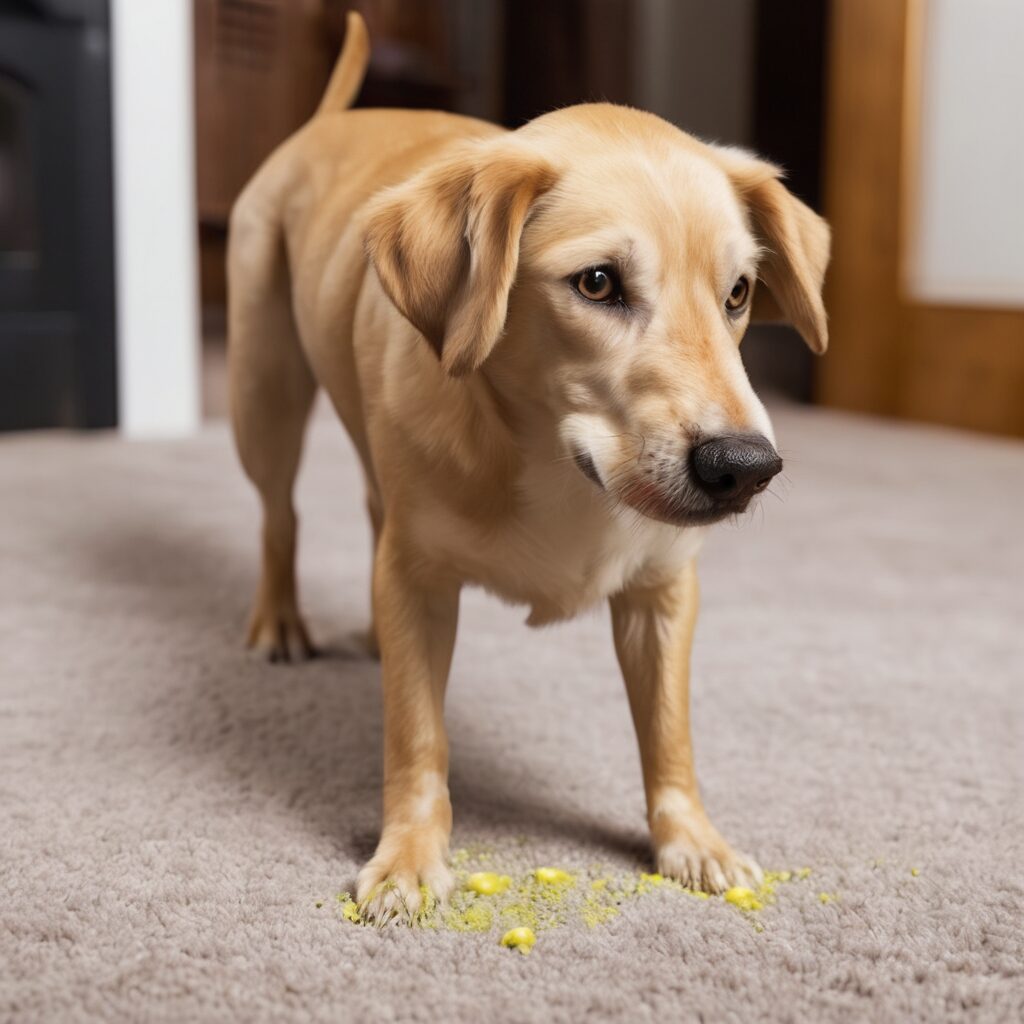
I also used AI to generate an image of a dog ruining a carpet with urine but I did not use it in the end because I did not want that effect of AI interference on my article. Here is the picture:
Badly generated AI picture: it was supposed to be a dog weeing on the carpet but it looks like scrambled eggs
I used AI to help think of a concluding statement by giving it my article – but I ended up changing this.
Overall, I do not like to use AI very much but if the subtitles feature was slightly better it is good for saving time.
Ciaran Hallbery:
I used AI to make me an interactive image of the housing site from 1938 and what the future building will look like.
It took me ages to finally get something that fit with my idea and in the end I couldn’t even get it into my article.
When editing my video, I used Sora 2 to create b-roll. I only got to generate two videos per email for free – but it was enough to impress me. It was fairly realistic with very believable audio.
Sofia Moran:
When writing my article, I used Otter.ai to transcribe my interviews. It was easy to use, I just uploaded the recordings of my interviews, and its software analysed the contents for me and answered any questions I had about what my interviewee said.
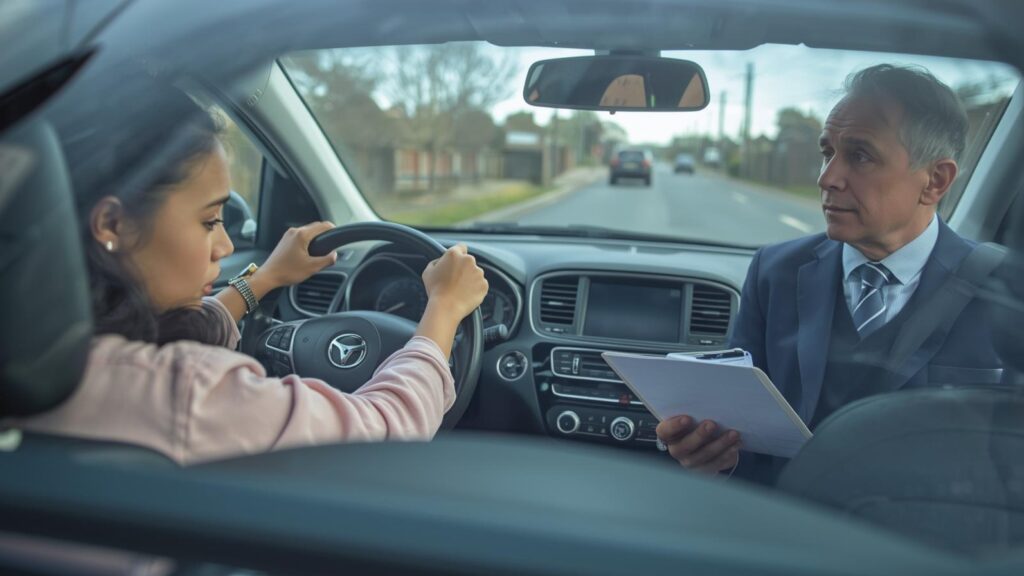
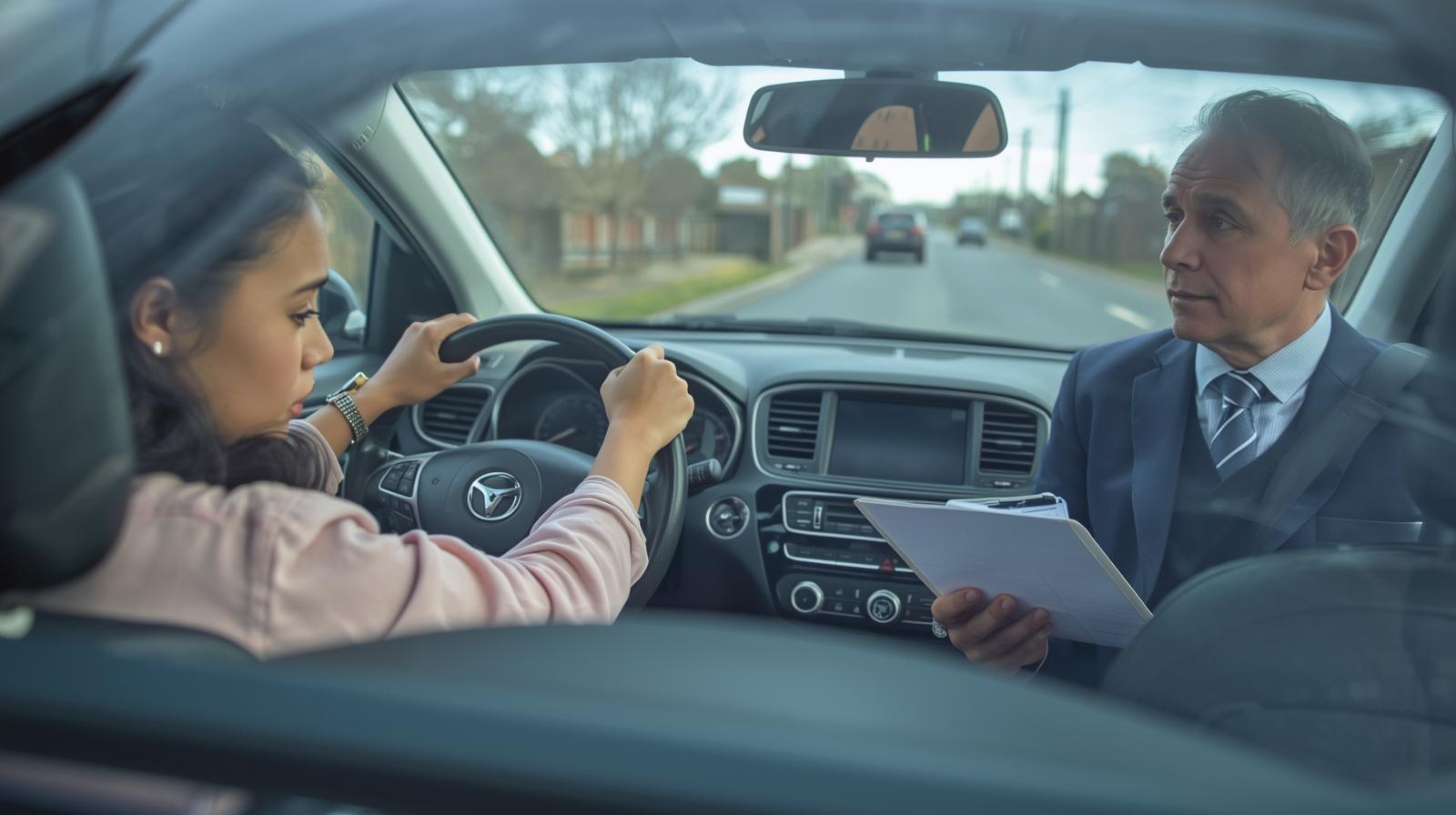
You get three uploads for free and luckily, I had only three interviews! When finding an image, I used Canva to generate a driver and learner scenario.
If the prompt was too vague, I would sometimes get weird picture like this one:
Sofia’s badly generated AI picture
Editor’s conclusion
Although I understand the appeal of AI, in practise it wasn’t effective enough. Instead of saving time it wasted it.
When it went wrong it was a mix of funny and frustrating, with the comically incorrect images it created only illustrating that we won’t be replaced by machines just yet.
Submitted Article
Headline
Short Headline
Standfirst
Published Article
HeadlineThe downside of AI in the newsroom
Short HeadlineWhen AI entered the newsroom: what worked - and what didn't
StandfirstThis week, City student journalists experimented with many different forms of AI in the digital newsroom
This week at City News we’ve been tackling the technology battle yet again, making ai work for us rather then let it dominate our lives. But was it a tool that aided or ailed us?
With AI a threatening tool for many careers, including journalism, its important we learn how to work with the latest technology, to challenge us, and ideally make our jobs easier.
Our writers were challenged to use ai in their articles and digital content, from automatically generating captions, to producing images and videos. I even asked it to help me write this article, where it felt so inclined to speak for me with a fake quote…
“AI can help us, but it can’t replace the judgement, empathy, and creativity that make journalism meaningful,” said [Editor-in-Chief’s Name]. “The challenge is learning where it fits — and where it doesn’t.”
But how did everyone else fare with it this week?
Rachel Millar:
I used AI to generate my subtitles. This saved time, but the AI formatting was not good – different people’s speech was put into the same line.
I also used AI to generate an image of a dog ruining a carpet with urine but I did not use it in the end because I did not want that effect of AI interference on my article. Here is the picture:
Badly generated AI picture: it was supposed to be a dog weeing on the carpet but it looks like scrambled eggs
I used AI to help think of a concluding statement by giving it my article – but I ended up changing this.
Overall, I do not like to use AI very much but if the subtitles feature was slightly better it is good for saving time.
Ciaran Hallbery:
I used AI to make me an interactive image of the housing site from 1938 and what the future building will look like.
It took me ages to finally get something that fit with my idea and in the end I couldn’t even get it into my article.
When editing my video, I used Sora 2 to create b-roll. I only got to generate two videos per email for free – but it was enough to impress me. It was fairly realistic with very believable audio.
Sofia Moran:
When writing my article, I used Otter.ai to transcribe my interviews. It was easy to use, I just uploaded the recordings of my interviews, and its software analysed the contents for me and answered any questions I had about what my interviewee said.
You get three uploads for free and luckily, I had only three interviews! When finding an image, I used Canva to generate a driver and learner scenario.
If the prompt was too vague, I would sometimes get weird picture like this one:
Sofia’s badly generated AI picture
Editor’s conclusion
Although I understand the appeal of AI, in practise it wasn’t effective enough. Instead of saving time it wasted it.
When it went wrong it was a mix of funny and frustrating, with the comically incorrect images it created only illustrating that we won’t be replaced by machines just yet.
As the weather turns, City News has spoken to a long-term rough sleeper to see how those on the street feel about Andy Burnham’s plan to end homelessness and the upcoming winter.