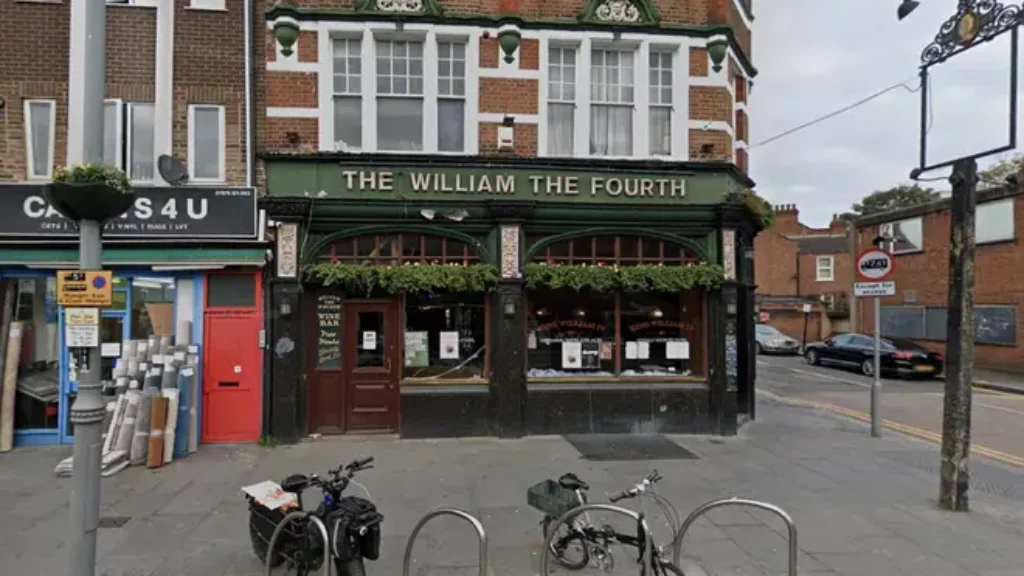
A new after-7pm child ban at William the Fourth has split Leyton locals, highlighting the growing tension between pubs trying to shape a calmer evening atmosphere and families who say London is becoming steadily less welcoming to children.
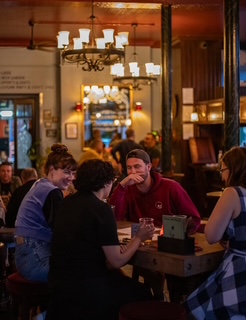
On a grey weekday afternoon in Leyton, the front room of William the Fourth still carries the easy chaos of a family-friendly pub. A buggy sits parked beside a long table; a toddler points at the chalkboard beer list as two parents quietly decide who is buying the next round. By 7pm, though, that scene will disappear. William the Fourth- a long established East London pub has introduced a new rule: no children on the premise after 7pm.
The decision, announced on social media, came into action on Monday 24th November and has sparked immediate debate. Was this a reasonable attempt to restore an evening atmosphere this venue feels it has or another sign that parts of London are becoming increasingly inhospitable to young families? For a pub that positions itself as a community hub, the shift marks a notable redefinition of who that “community” includes.
A Rising Trend in London Pubs
Child bans are not entirely new, but they are becoming more visible. Over the past year, several London pubs, particularly in the East have tightened rules around children, citing safety concerns, staff welfare and customer feedback.
William the Fourth’s management framed the move as a response to the growing number of children in the venue and the challenges that came with it. In their announcement they said they had received “a lot of comments from long-time regulars and families alike” and wanted to find a balance of families being welcome in the day but evenings reserved for adults.
Source: @williamthefourthleyton
For some locals they feel that is a fair compromise. Pubs have always been multigenerational spaces, but not all spaces have to always suit all groups. The pub also extended its daytime hours to open from 3pm, signalling that families are still part of the business model, just not during the evening rush.
Parents Push Back
Still, the curfew has not landed smoothly with everyone. In Leyton where young families have increasingly replaced older demographics, parents often rely on pubs as some of the few remaining social spaces where children are not frowned upon. Many saw the decision as a step backwards.
“I get that evenings can get rowdy,” says one facebook user. “But not every family wants to stay out late, sometimes you are grabbing a meal before bedtime. It feels like we are being published for the behaviour of a few people who let their kids run wild.”
Social media reactions have reflected that split. Some insisted pubs should not resemble “creches” after dark. Others, criticised the move as exclusionary, arguing that London already has a shortage of family friendly venues.
A Pubs Identity is in Flux
Part of the tension lies in what a pub should be in modern London. Historically, pubs are places where communities come together. However, the transformation of many East London boozers includes new ownership, craft beer takeovers and young professional demographics, has shifted expectations.
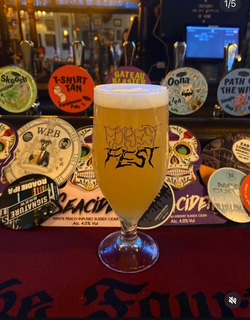
William the Fourth, once more of a traditional local, has reinvented itself in recent years. The pool table is gone and the décor has been described as being closer to a taproom than an old-school pub. The child ban is the latest in line of decisions that signal a particular kind of evening experience; one that is curated, calm and adult.
Management framed the curfew around safety as well as atmosphere. They said staff have struggled with children running between tables, climbing furniture and on one occasion, nearly colliding with servers carrying hot plates. They have emphasised the rule is not anti-child but pro-safety.
“We Just Want a Comfortable Evening”
Among regular evening drinkers, the change has been welcomed. “I have honestly stopped coming here after work”, says a local Reddit user. “You would be having a pint and suddenly kids are sprinting past. It was not relaxing. It is not about hating kids, but about setting the tone for the evening.”
Source: @williamthefourthleyton
Other Reddit users argue the debate has become too moralistic. “People act like it is a grand political statement…it is a pub trying to make evenings a bit calmer.”
A Compromise Or a Precedent?
Whether William the Fourth’s new rule will inspire more pubs to adopt child curfews remains to be seen.
What is clear is that the pub’s decision struck a nerve, not only because of the rule itself, but because of what it symbolises in a rapidly changing city.
Back inside William the Fourth, a staff member wipes down the tables as daylight fades. Families begin packing their bags. The evening crowd trickles in, quieter, older, pint-focused. The atmosphere shifts almost imperceptibly.
For some, it’s the return of a “proper pub.”
For others, it’s one more reminder that London and the way we share it is always being renegotiated.
Submitted Article
Headline
Short Headline
Standfirst
Published Article
HeadlineAre Pubs Just For Grown-Ups?
Short HeadlineAre Pubs Just For Grown-Ups?
StandfirstA new after-7pm child ban at William the Fourth has split Leyton locals, highlighting the growing tension between pubs trying to shape a calmer evening atmosphere and families who say London is becoming steadily less welcoming to children.
On a grey weekday afternoon in Leyton, the front room of William the Fourth still carries the easy chaos of a family-friendly pub. A buggy sits parked beside a long table; a toddler points at the chalkboard beer list as two parents quietly decide who is buying the next round. By 7pm, though, that scene will disappear. William the Fourth- a long established East London pub has introduced a new rule: no children on the premise after 7pm.
The decision, announced on social media, came into action on Monday 24th November and has sparked immediate debate. Was this a reasonable attempt to restore an evening atmosphere this venue feels it has or another sign that parts of London are becoming increasingly inhospitable to young families? For a pub that positions itself as a community hub, the shift marks a notable redefinition of who that “community” includes.
A Rising Trend in London Pubs
Child bans are not entirely new, but they are becoming more visible. Over the past year, several London pubs, particularly in the East have tightened rules around children, citing safety concerns, staff welfare and customer feedback.
William the Fourth’s management framed the move as a response to the growing number of children in the venue and the challenges that came with it. In their announcement they said they had received “a lot of comments from long-time regulars and families alike” and wanted to find a balance of families being welcome in the day but evenings reserved for adults.
Source: @williamthefourthleyton
For some locals they feel that is a fair compromise. Pubs have always been multigenerational spaces, but not all spaces have to always suit all groups. The pub also extended its daytime hours to open from 3pm, signalling that families are still part of the business model, just not during the evening rush.
Parents Push Back
Still, the curfew has not landed smoothly with everyone. In Leyton where young families have increasingly replaced older demographics, parents often rely on pubs as some of the few remaining social spaces where children are not frowned upon. Many saw the decision as a step backwards.
“I get that evenings can get rowdy,” says one facebook user. “But not every family wants to stay out late, sometimes you are grabbing a meal before bedtime. It feels like we are being published for the behaviour of a few people who let their kids run wild.”
Social media reactions have reflected that split. Some insisted pubs should not resemble “creches” after dark. Others, criticised the move as exclusionary, arguing that London already has a shortage of family friendly venues.
A Pubs Identity is in Flux
Part of the tension lies in what a pub should be in modern London. Historically, pubs are places where communities come together. However, the transformation of many East London boozers includes new ownership, craft beer takeovers and young professional demographics, has shifted expectations.
William the Fourth, once more of a traditional local, has reinvented itself in recent years. The pool table is gone and the décor has been described as being closer to a taproom than an old-school pub. The child ban is the latest in line of decisions that signal a particular kind of evening experience; one that is curated, calm and adult.
Management framed the curfew around safety as well as atmosphere. They said staff have struggled with children running between tables, climbing furniture and on one occasion, nearly colliding with servers carrying hot plates. They have emphasised the rule is not anti-child but pro-safety.
“We Just Want a Comfortable Evening”
Among regular evening drinkers, the change has been welcomed. “I have honestly stopped coming here after work”, says a local Reddit user. “You would be having a pint and suddenly kids are sprinting past. It was not relaxing. It is not about hating kids, but about setting the tone for the evening.”
Source: @williamthefourthleyton
Other Reddit users argue the debate has become too moralistic. “People act like it is a grand political statement…it is a pub trying to make evenings a bit calmer.”
A Compromise Or a Precedent?
Whether William the Fourth’s new rule will inspire more pubs to adopt child curfews remains to be seen.
What is clear is that the pub’s decision struck a nerve, not only because of the rule itself, but because of what it symbolises in a rapidly changing city.
Back inside William the Fourth, a staff member wipes down the tables as daylight fades. Families begin packing their bags. The evening crowd trickles in, quieter, older, pint-focused. The atmosphere shifts almost imperceptibly.
For some, it’s the return of a “proper pub.”
For others, it’s one more reminder that London and the way we share it is always being renegotiated.
A 2024 Freedom of Information request showed Bromley Council had £4.5 million invested in arms companies that year with £1.5 million reportedly linked to Israel.
Undercover officers raided three linked shops in Barking town centre, revealing how illicit tobacco is being hidden in walls, ceilings and nearby locations to evade detection.
More than 330,000 people across the UK sought support from the Stop It Now helpline in 2025 over concerns about their own or someone else’s online sexual behaviour towards children, according to new charity data. The anonymous service says contacts by phone, email and webchat rose significantly over the year.