Illegal ‘gambling predators’ cost a man his life, say his family.
Black market gambling in the UK has more than tripled in recent years. Following the suicide of Ollie Long, his family are warning that it’s costing lives.
“Gambling drove Ollie to such unbearable despair”.
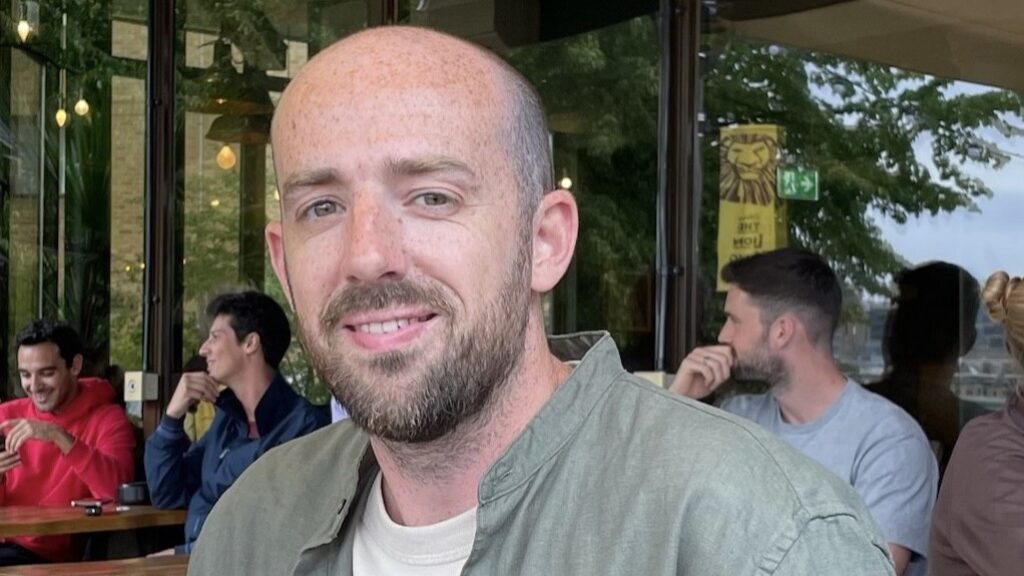
Chloe Long remembers her brother Ollie as a kind, compassionate brother and uncle, who had a life full of endless possibilities. But those possibilities abruptly ended when he was sucked into the world of illegal gambling.
‘He could not break free from the gambling predators, and he felt he had no option but to take his own life.’
A passionate football fan, Ollie started betting on the sport in 2016 and a big early win of around £15,000 encouraged a casual habit to spiral, until it hijacked the sport he loved. He tried to fight the addiction, reaching out to a charity in 2018, and in 2022 signed up to GamStop.
Founded in 2018, GamStop is for people who want help with gambling. Gamblers register their details and will then be blocked from accessing any UK-licensed gambling sites.
Over half a million people are currently registered, and after Ollie started using it he began to volunteer as a peer supporter for others affected by gambling harms. His family say this was motivated by a desire to help prevent others from experiencing the same suffering as him.
But as GamStop has expanded, an underground industry of “not on GamStop” sites has emerged. These are unlicensed, illegal sites that are outside UK regulations.
These sites deliberately target GamStop users, using what Ollie’s family described as “predatory” tactics to reach the people most at risk, exploiting the very tool they’re using for recovery.
Ollie started using these sites and his bank statements show he was using them intensively right up until his death in 2024. In the notes he left for his family he said he could no longer cope with the guilt, shame, and helplessness of his gambling problem.
Chloe Long feels her brother was let down.
‘Ollie tried to protect himself. He recognised the harm and signed up to self-exclusion tools to block him from all regulated gambling sites. But the illegal gambling operators horrifically and deliberately target those who have self-excluded’
An inquest last week found that his gambling disorder and use of illegal sites contributed to his death.
“A public health crisis”
Ollie was just one of an estimated1.5 million peoplein the UK who use unlicensed gambling sites each year. Research platform Yield Sec found that illegal gambling’s share of the market has more than tripled, increasing by 345% since 2022.
London has the highest rate of “problem gambling” in the UK –almost twice the national average– and the London Assembly has recommended a variety of measures to reduce this.
The Gambling Act, which forms the basis of UK gambling rules, was created in 2005, predating smartphones and social media. The Campaign for Fairer Gambling says it is“analogue legislation”and no longer fit for purpose when it comes to the borderless apps of the digital age.
The Gambling Commission, the official industry regulators, say they are cracking down on illegal gambling operators. Since April 2024 they have issued over 3,000 cease-and-desists and have had 290,000 URLs removed by search engines, although they requested the removal of almost half a million.
Tackling unlicensed gambling requires, they say, a “joined-up approach” that includes “international regulators, domain registrars, and social media platforms”.
At the inquest into her brother’s death, Chloe Long also described UK legislation as dangerously outdated, and criticised the way gambling is viewed.
“Ollie was not ‘vulnerable’. He was human. His death was preventable. Gambling is not harmless entertainment; it is a public health crisis. People need to know that gambling kills”.
If you think you may need help with gambling, you can reach out to these organisations.
HeadlineIllegal ‘gambling predators’ cost a man his life, say his family.
Short HeadlineIllegal 'gambling predators' cost a man his life.
StandfirstBlack market gambling in the UK has more than tripled in recent years. Following the suicide of Ollie Long, his family are warning that it’s costing lives.
“Gambling drove Ollie to such unbearable despair”.
Chloe Long remembers her brother Ollie as a kind, compassionate brother and uncle, who had a life full of endless possibilities. But those possibilities abruptly ended when he was sucked into the world of illegal gambling.
‘He could not break free from the gambling predators, and he felt he had no option but to take his own life.’
A passionate football fan, Ollie started betting on the sport in 2016 and a big early win of around £15,000 encouraged a casual habit to spiral, until it hijacked the sport he loved. He tried to fight the addiction, reaching out to a charity in 2018, and in 2022 signed up to GamStop.
Founded in 2018, GamStop is for people who want help with gambling. Gamblers register their details and will then be blocked from accessing any UK-licensed gambling sites.
Over half a million people are currently registered, and after Ollie started using it he began to volunteer as a peer supporter for others affected by gambling harms. His family say this was motivated by a desire to help prevent others from experiencing the same suffering as him.
But as GamStop has expanded, an underground industry of “not on GamStop” sites has emerged. These are unlicensed, illegal sites that are outside UK regulations.
These sites deliberately target GamStop users, using what Ollie’s family described as “predatory” tactics to reach the people most at risk, exploiting the very tool they’re using for recovery.
Ollie started using these sites and his bank statements show he was using them intensively right up until his death in 2024. In the notes he left for his family he said he could no longer cope with the guilt, shame, and helplessness of his gambling problem.
Chloe Long feels her brother was let down.
‘Ollie tried to protect himself. He recognised the harm and signed up to self-exclusion tools to block him from all regulated gambling sites. But the illegal gambling operators horrifically and deliberately target those who have self-excluded’
An inquest last week found that his gambling disorder and use of illegal sites contributed to his death.
“A public health crisis”
Ollie was just one of an estimated1.5 million peoplein the UK who use unlicensed gambling sites each year. Research platform Yield Sec found that illegal gambling’s share of the market has more than tripled, increasing by 345% since 2022.
London has the highest rate of “problem gambling” in the UK –almost twice the national average– and the London Assembly has recommended a variety of measures to reduce this.
The Gambling Act, which forms the basis of UK gambling rules, was created in 2005, predating smartphones and social media. The Campaign for Fairer Gambling says it is“analogue legislation”and no longer fit for purpose when it comes to the borderless apps of the digital age.
The Gambling Commission, the official industry regulators, say they are cracking down on illegal gambling operators. Since April 2024 they have issued over 3,000 cease-and-desists and have had 290,000 URLs removed by search engines, although they requested the removal of almost half a million.
Tackling unlicensed gambling requires, they say, a “joined-up approach” that includes “international regulators, domain registrars, and social media platforms”.
At the inquest into her brother’s death, Chloe Long also described UK legislation as dangerously outdated, and criticised the way gambling is viewed.
“Ollie was not ‘vulnerable’. He was human. His death was preventable. Gambling is not harmless entertainment; it is a public health crisis. People need to know that gambling kills”.
If you think you may need help with gambling, you can reach out to these organisations.
As the weather turns, City News has spoken to a long-term rough sleeper to see how those on the street feel about Andy Burnham’s plan to end homelessness and the upcoming winter.