‘Iranian people have nothing to loose, that’s why they go out to protest… this government has done nothing’.
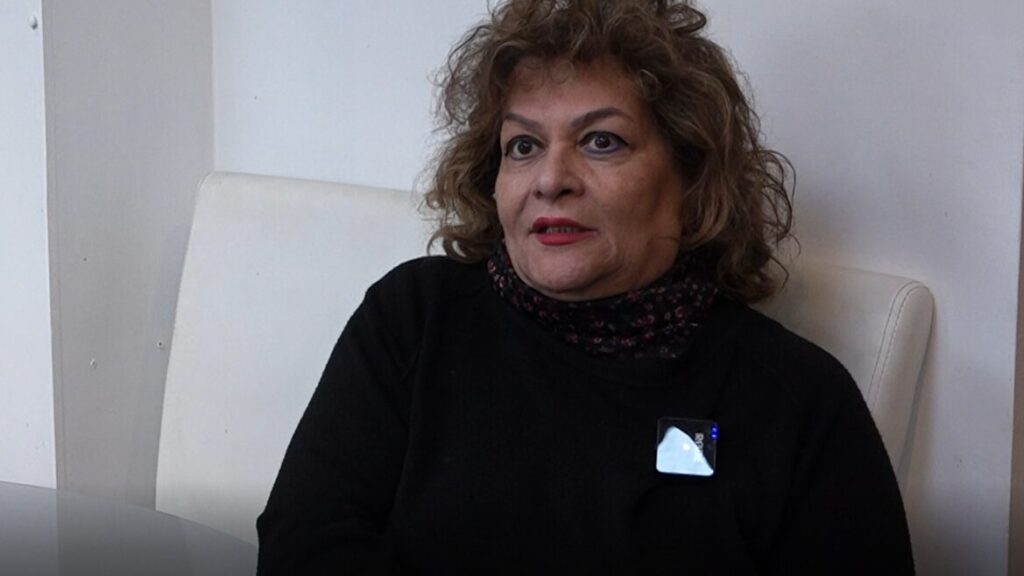
Fariba Nazemi, a 70 year old foster carer from west London, constantly sits by her phone, waiting to receive a call from her cousins.
12 days and no contact with family in Iran, Fariba is extremely worried about her relatives. She says at the moment ‘Iranian people are most of the time upset’.
Iran has faced two weeks of the biggest demonstrations in decades. On the 28th of December protesters took to the streets of Iran over the economy. However, the protests quickly turned into calls for the Supreme Leader, Ayatollah Ali Khamenei to step down.
According to the US-based Iranian Human Rights Activists News Agency (HRANA), protests were confirmed in 187 cities and towns, in all 31 of Iran’s provinces.
Saeed, an Iranian Londoner, said that when families go to retrieve the body of their loved one, they are told to pay a fee for the bullet they used to kill their family member.
Since the government ordered an internet blackout, 92,000,000 Iranian citizens have had no access to the internet. Texting and calling people is also extremely difficult. No one is sure when the internet will be restored.
Iranian Londoners have had little to no contact with relatives to check that they are safe and well.
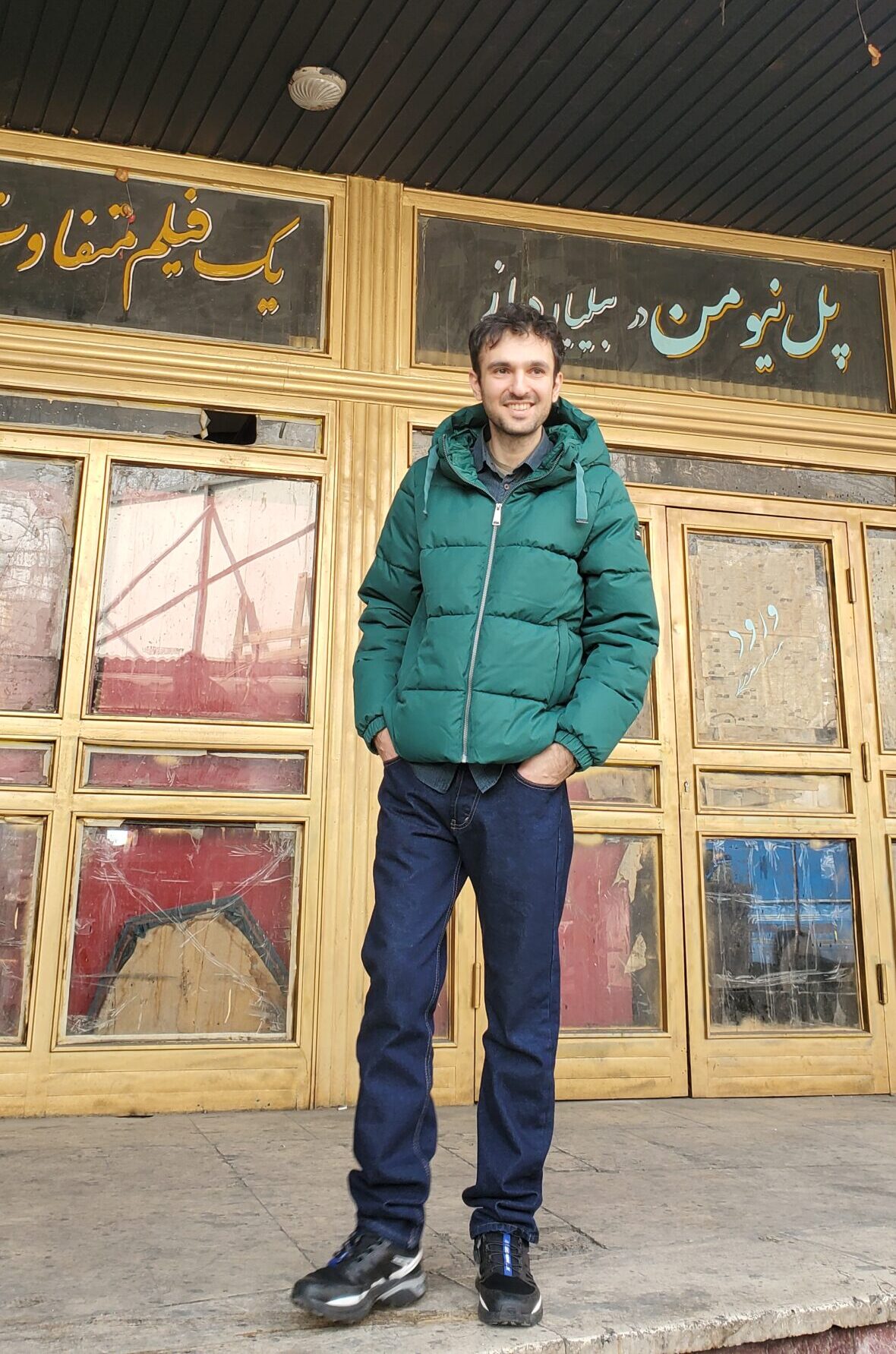
Barry Jahed is worried about his fiancée who lives in Tehran.
For Barry Jahed, a Londoner since the age of eight, it has been a ‘a very difficult time’, as his fiancée and family members live in and around Tehran. He has managed to have some contact with her over landline. ‘She is okay in general, but was very worried about the safety of herself and [her] family’.
Shiva Mabobhi has lived in London since 2001, after fleeing Iran after facing political persecution. At the age of 12 she was taken as a political prisoner in Iran for six days, after ‘taking to the street’ to demand that schools re-open.
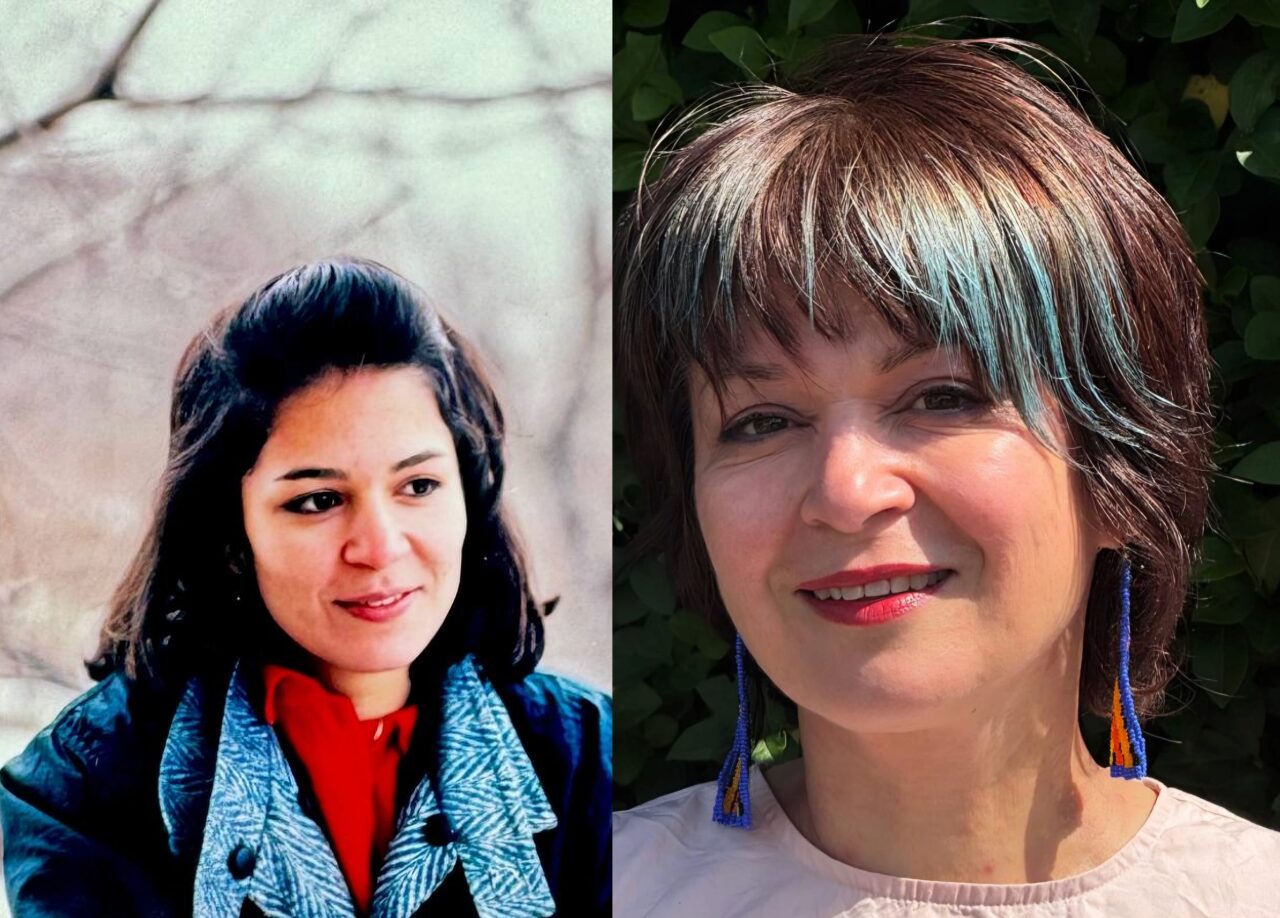
Shiva was a political activist in Iran (left). She had to flee from persecution and carries on her activism in London (right).
She was arrested again at the age of 16 for ‘writing slogans on the wall’ and ‘speaking out against mandatory hijab’. This time she was imprisoned for three and a half years, where she spent months in solitary confinement.
She is ‘very proud of (Iranians) for protesting… they have come out even stronger on the street than last time (referencing the 2022 Mahsa Amini protests).
When asked if she regrets protesting in Iran, because of all she has had to sacrifice, Shiva responded that ‘you don’t have a choice. I wish we had been born in a country where we didn’t have to fight. No-one wishes to fight.’
Shiva’s fighting spirit hasn’t left her. She continues to protest for Iranians from London, in her role as a women’s rights activist and a spokesperson for the Campaign to Free Political Prisoners in Iran.
‘I am personally completely against this level of protest’
Barry Jahed has a different stance. He doesn’t support the Iranian regime, but is ‘completely against this level of protest’. He believes there has been ‘a lot of egging on from external forces who aren’t in danger’ and that encouraging people to take to the streets is ‘very misguided and risky’.
The President of the United States, Donald Trump, has told Iranians to ‘keep protesting’ and that ‘help is on its way’. So far the US has not taken any action in Iran.
Saeed, Shiva and Fariba would all like to see the UK government do more. According to Shiva ‘the UK government helps the regime to stay in power… because the regime sees no international consequences, they carry on killing people’.
At seventy, the Iranian regime has been in power for over half of Fariba’s life. She hopes before she dies she will get to see the end of it.
Submitted Article
Headline
Short Headline
Standfirst
Published Article
Headline‘I want to be the voice of Iran’: The Iranian Londoners who fear the worst
Short Headline'I want to be the voice of Iran': Iranian Londoners fear the worst
StandfirstIranian Londoners are anxiously awaiting phone calls from their families.
‘Iranian people have nothing to loose, that’s why they go out to protest… this government has done nothing’.
Fariba Nazemi, a 70 year old foster carer from west London, constantly sits by her phone, waiting to receive a call from her cousins.
12 days and no contact with family in Iran, Fariba is extremely worried about her relatives. She says at the moment ‘Iranian people are most of the time upset’.
Iran has faced two weeks of the biggest demonstrations in decades. On the 28th of December protesters took to the streets of Iran over the economy. However, the protests quickly turned into calls for the Supreme Leader, Ayatollah Ali Khamenei to step down.
According to the US-based Iranian Human Rights Activists News Agency (HRANA), protests were confirmed in 187 cities and towns, in all 31 of Iran’s provinces.
Saeed, an Iranian Londoner, said that when families go to retrieve the body of their loved one, they are told to pay a fee for the bullet they used to kill their family member.
Since the government ordered an internet blackout, 92,000,000 Iranian citizens have had no access to the internet. Texting and calling people is also extremely difficult. No one is sure when the internet will be restored.
Iranian Londoners have had little to no contact with relatives to check that they are safe and well.
Barry Jahed is worried about his fiancée who lives in Tehran.
For Barry Jahed, a Londoner since the age of eight, it has been a ‘a very difficult time’, as his fiancée and family members live in and around Tehran. He has managed to have some contact with her over landline. ‘She is okay in general, but was very worried about the safety of herself and [her] family’.
Shiva Mabobhi has lived in London since 2001, after fleeing Iran after facing political persecution. At the age of 12 she was taken as a political prisoner in Iran for six days, after ‘taking to the street’ to demand that schools re-open.
Shiva was a political activist in Iran (left). She had to flee from persecution and carries on her activism in London (right).
She was arrested again at the age of 16 for ‘writing slogans on the wall’ and ‘speaking out against mandatory hijab’. This time she was imprisoned for three and a half years, where she spent months in solitary confinement.
She is ‘very proud of (Iranians) for protesting… they have come out even stronger on the street than last time (referencing the 2022 Mahsa Amini protests).
When asked if she regrets protesting in Iran, because of all she has had to sacrifice, Shiva responded that ‘you don’t have a choice. I wish we had been born in a country where we didn’t have to fight. No-one wishes to fight.’
Shiva’s fighting spirit hasn’t left her. She continues to protest for Iranians from London, in her role as a women’s rights activist and a spokesperson for the Campaign to Free Political Prisoners in Iran.
‘I am personally completely against this level of protest’
Barry Jahed has a different stance. He doesn’t support the Iranian regime, but is ‘completely against this level of protest’. He believes there has been ‘a lot of egging on from external forces who aren’t in danger’ and that encouraging people to take to the streets is ‘very misguided and risky’.
The President of the United States, Donald Trump, has told Iranians to ‘keep protesting’ and that ‘help is on its way’. So far the US has not taken any action in Iran.
Saeed, Shiva and Fariba would all like to see the UK government do more. According to Shiva ‘the UK government helps the regime to stay in power… because the regime sees no international consequences, they carry on killing people’.
At seventy, the Iranian regime has been in power for over half of Fariba’s life. She hopes before she dies she will get to see the end of it.
A 2024 Freedom of Information request showed Bromley Council had £4.5 million invested in arms companies that year with £1.5 million reportedly linked to Israel.
Undercover officers raided three linked shops in Barking town centre, revealing how illicit tobacco is being hidden in walls, ceilings and nearby locations to evade detection.
More than 330,000 people across the UK sought support from the Stop It Now helpline in 2025 over concerns about their own or someone else’s online sexual behaviour towards children, according to new charity data. The anonymous service says contacts by phone, email and webchat rose significantly over the year.