‘Failed by the system’: London’s most vulnerable children housed in illegal placements
There are no secure children’s homes in the capital and the use of illegal placements, including caravans, has increased by at least 500% across the city since 2020.
London’s most vulnerable children are being placed in illegal ‘homes’, many of which are out of their area, a City News investigation has found.
Care specialists have told City News that the UK’s care system is “in crisis” and that it risks harming vulnerable children’s development.
As of March 2025, government data shows London had 250 children’s homes in total, which is the lowest across all regions in England, and there are currently no secure children’s homes in the capital to house the city’s most vulnerable children.
A Public Accounts Committee report published on 16 January highlights how limited capacity is leading to a rise in the use of unregulated children’s homes across the country. This refers to placements that are not registered with the watchdog Ofsted, and therefore do not necessarily meet minimum standards or undergo inspections.
The use of these ‘homes’—which includes caravans, holiday rentals or AirBnBs—for children in care or care leavers up to the age of 18 was ruled illegal in November 2024. The Children’s Commissioner, Dame Rachel de Souza, has described their use as “indicative of wide failings across an entire system”.
A spokesperson for Become, the national charity for children in care and care leavers, told City News that these illegal placements are “a sign of a care system in crisis”. They added that the illegal placements are often “inappropriate, unsafe and without staff trained to give the right care”.
An analysis of public data shows a 500% increase of unregistered homes in London from 13 in 2020/21 to 78 in 2023/24. Snapshot data collected by the Children’s Commissioner shows 0.8% of London’s looked-after children were placed in illegal homes as of September 2025.
A senior social worker in North London, Grace*, told City News that “knowing there aren’t enough regulated placements impacts decision-making at all stages, and may mean children stay in unsuitable or unsafe homes longer than they should because we don’t have any better options.”
She continued: “And this risks reinforcing messages they’ve had their whole life – that no one is able to contain or support them. They’re being failed by the system.”
Children with complex needs disproportionately impacted
At present, there are no secure children’s homes in the capital.
Secure children’s homes (SCHs) offer specialist, therapeutic care for children with complex needs, who are at a significant risk to themselves or others, and where no other type of placement can keep them safe. They may also house children remanded by the Youth Custody Service (YCS).
Children in a SCH are not permitted to leave the facility unless they’re escorted and many have Deprivation of Liberty (DoL) orders— a court order that places severe restrictions on their day-to-day freedoms.
Without a SCH in London, children requiring this level of care may instead be sent to secure provisions out of the city—typically 200 miles away from the people and areas they know—or housed in illegal homes.
Data from the Children’s Commissioner shows 32% of children in illegal placements in England were subject to a DoL, and that 76% of children with a DoL were placed out-of-area, compared to 55% of looked-after children without an order.
Grace said that while it can sometimes be appropriate to remove a child from their setting in cases of “contextual harm”, such as sexual and criminal exploitation, “moving someone out of the borough or out of London is extremely disruptive”.
She added: “Most of the kids I work with haven’t left London so being stranded in the middle of nowhere is a pretty scary prospect. There’s also a longer term impact on their reintegration back into the environment and communities they come from, as well as with family and friends, which should always be the ultimate goal.”
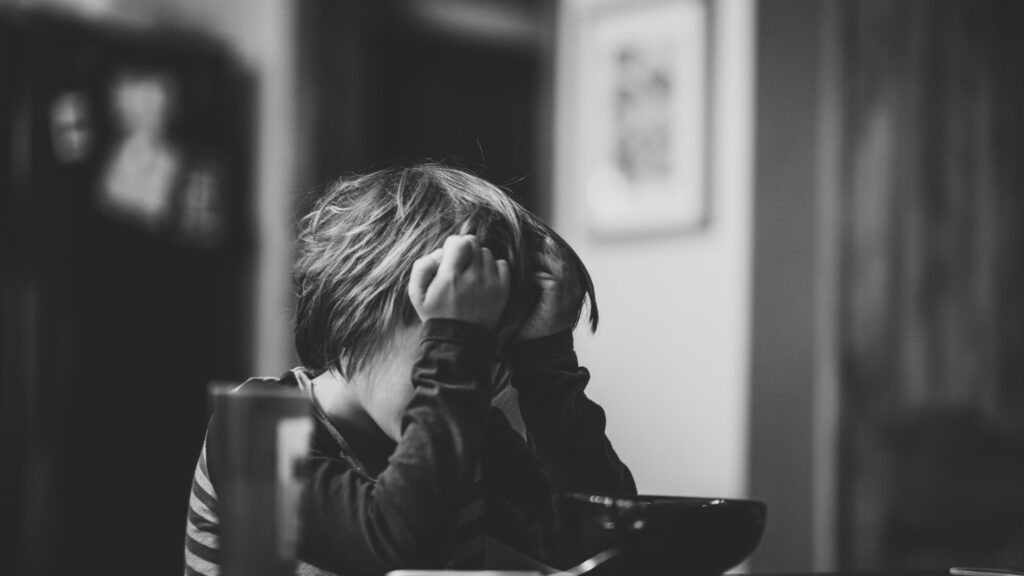
Image courtesy of Fayez Closed Account
As well as DoL orders, 59% of those in illegal homes have an Education, Health and Care Plan (EHCP), 9.7% have special educational needs and/or disabilities (SEND), 36% receive support from children and adolescent mental health services (CAMHS), and a further 7% are on the waiting list for these services. Nearly a third of children (30%) in illegal homes have gone missing from their placement, compared with 11% of looked-after children in general.
Grace said: “There’s a sad irony to the fact that the children perhaps most in need of a regulated, stable home may be more likely to be placed in these illegal homes because other placements haven’t worked out.
“Often these places lack a sense of home. It becomes a place to stay. And that’s not acceptable, it’s not conducive to a child’s development.”
These illegal placements cost an estimated £353 million to local authorities in England in 2025, with almost 90% being supplied by private providers.
City News contacted the Children’s Commissioner for data specifically relating to looked-after children in illegal homes in London, but a spokesperson said this could not be disclosed for confidentiality reasons.
Plans for a pan-London SCH delayed and opposed
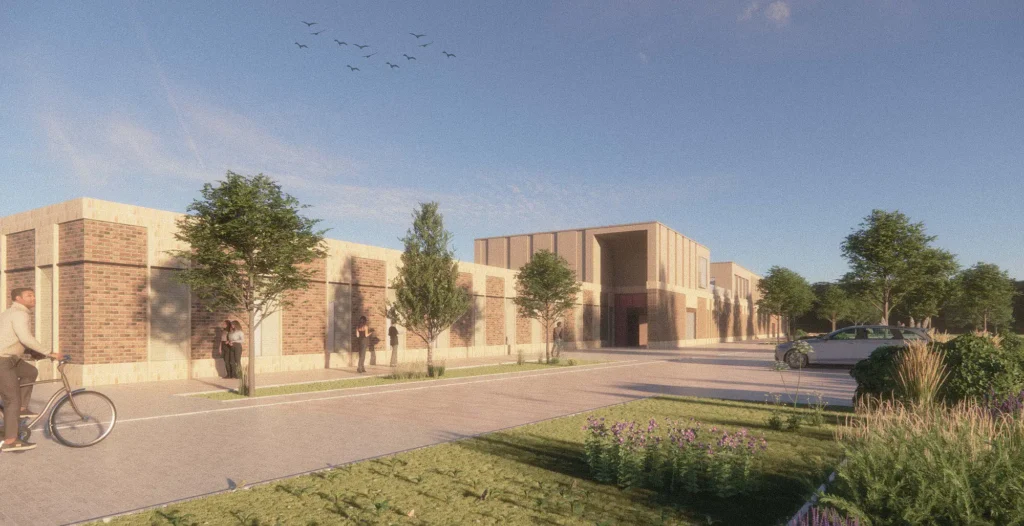
The building design for the proposed new provision is still in development. This is an artist’s impression of the early stages of the design process. Updated images will be released as the design proposals progress. Image courtesy of London Councils
Plans for a pan-London secure children’s home, funded by the Department for Education, have not yet been approved. The plans were first proposed in 2022 by the London Councils, which represents the capital’s 32 boroughs and the City of London, but have faced delays and opposition from a local campaign group, Save Lea Marshes.
A 14-acre Thames Water depot in the London Borough of Waltham Forest was identified as “the most suitable location” for the SCH, which would provide up to 24 specialist placements and four further spaces for children transitioning back into the community. In October 2025, Waltham Forest Council agreed to take over the project from Barnet Council.
But Save Lea Marshes says that the proposal is “the wrong project in the wrong place”. The group has submitted an Environmental Information Regulations (EIR) to query this use of the land.
A spokesperson for the group told City News: “The secure children’s home divides the depot site leaving a substantial part, including historic buildings, without a known use. Access to much of the site will be denied to the public.”
The group has previously raised concerns about the “suitability of secure units for treating the problems of vulnerable and disturbed children”, and said they “consider investment in care in the community to be a more fruitful approach.”
The group are reportedly backing plans put forward by the East London Waterworks Park (ELWP) group for an open-water pool and café on the site instead.
A London Councils spokesperson said it’s now working with Waltham Forest’s capital delivery team to “advance the building design” before a planning application is submitted.
It added: “The new timeline for the next round of consultation on the building design proposals and the timeline for planning application submission will be shared once these have been established.”
City News has contacted the Department for Education for comment and will update this article if we receive a response.
Children’s Wellbeing and Schools Bill
Dame Rachel has listed a number of recommendations for the Children’s Wellbeing and Schools Bill, which is currently going through Parliament, on ending the use of illegal children’s homes.
This includes funded plans for more children’s homes at all levels of need, foster care recruitment and retention, and enforcement powers for Ofsted to issue civil penalties—such as fines—to profitable providers of unregistered homes.
An Ofsted spokesperson told City News: “At Ofsted, we are working hard to investigate unregistered providers and compel them to either register or close. The test for prosecution is high, and gathering enough evidence to ensure a conviction can be a lengthy and expensive process.
“But we are hopeful that measures in the Children’s Wellbeing and Schools Bill will allow us to act more quickly and help make sure all children are placed in safe, regulated homes that provide the care they need.”
*This is not the social worker’s real name.
Submitted Article
Headline
Short Headline
Standfirst
Published Article
Headline‘Failed by the system’: London’s most vulnerable children housed in illegal placements
Short HeadlineA 'care system in crisis' leaving London's most vulnerable children in illegal homes
Standfirst There are no secure children’s homes in the capital and the use of illegal placements, including caravans, has increased by at least 500% across the city since 2020.
London’s most vulnerable children are being placed in illegal ‘homes’, many of which are out of their area, a City News investigation has found.
Care specialists have told City News that the UK’s care system is “in crisis” and that it risks harming vulnerable children’s development.
As of March 2025, government data shows London had 250 children’s homes in total, which is the lowest across all regions in England, and there are currently no secure children’s homes in the capital to house the city’s most vulnerable children.
A Public Accounts Committee report published on 16 January highlights how limited capacity is leading to a rise in the use of unregulated children’s homes across the country. This refers to placements that are not registered with the watchdog Ofsted, and therefore do not necessarily meet minimum standards or undergo inspections.
The use of these ‘homes’—which includes caravans, holiday rentals or AirBnBs—for children in care or care leavers up to the age of 18 was ruled illegal in November 2024. The Children’s Commissioner, Dame Rachel de Souza, has described their use as “indicative of wide failings across an entire system”.
A spokesperson for Become, the national charity for children in care and care leavers, told City News that these illegal placements are “a sign of a care system in crisis”. They added that the illegal placements are often “inappropriate, unsafe and without staff trained to give the right care”.
An analysis of public data shows a 500% increase of unregistered homes in London from 13 in 2020/21 to 78 in 2023/24. Snapshot data collected by the Children’s Commissioner shows 0.8% of London’s looked-after children were placed in illegal homes as of September 2025.
A senior social worker in North London, Grace*, told City News that “knowing there aren’t enough regulated placements impacts decision-making at all stages, and may mean children stay in unsuitable or unsafe homes longer than they should because we don’t have any better options.”
She continued: “And this risks reinforcing messages they’ve had their whole life – that no one is able to contain or support them. They’re being failed by the system.”
Children with complex needs disproportionately impacted
At present, there are no secure children’s homes in the capital.
Secure children’s homes (SCHs) offer specialist, therapeutic care for children with complex needs, who are at a significant risk to themselves or others, and where no other type of placement can keep them safe. They may also house children remanded by the Youth Custody Service (YCS).
Children in a SCH are not permitted to leave the facility unless they’re escorted and many have Deprivation of Liberty (DoL) orders— a court order that places severe restrictions on their day-to-day freedoms.
Without a SCH in London, children requiring this level of care may instead be sent to secure provisions out of the city—typically 200 miles away from the people and areas they know—or housed in illegal homes.
Data from the Children’s Commissioner shows 32% of children in illegal placements in England were subject to a DoL, and that 76% of children with a DoL were placed out-of-area, compared to 55% of looked-after children without an order.
Grace said that while it can sometimes be appropriate to remove a child from their setting in cases of “contextual harm”, such as sexual and criminal exploitation, “moving someone out of the borough or out of London is extremely disruptive”.
She added: “Most of the kids I work with haven’t left London so being stranded in the middle of nowhere is a pretty scary prospect. There’s also a longer term impact on their reintegration back into the environment and communities they come from, as well as with family and friends, which should always be the ultimate goal.”
Image courtesy of Fayez Closed Account
As well as DoL orders, 59% of those in illegal homes have an Education, Health and Care Plan (EHCP), 9.7% have special educational needs and/or disabilities (SEND), 36% receive support from children and adolescent mental health services (CAMHS), and a further 7% are on the waiting list for these services. Nearly a third of children (30%) in illegal homes have gone missing from their placement, compared with 11% of looked-after children in general.
Grace said: “There’s a sad irony to the fact that the children perhaps most in need of a regulated, stable home may be more likely to be placed in these illegal homes because other placements haven’t worked out.
“Often these places lack a sense of home. It becomes a place to stay. And that’s not acceptable, it’s not conducive to a child’s development.”
These illegal placements cost an estimated £353 million to local authorities in England in 2025, with almost 90% being supplied by private providers.
City News contacted the Children’s Commissioner for data specifically relating to looked-after children in illegal homes in London, but a spokesperson said this could not be disclosed for confidentiality reasons.
Plans for a pan-London SCH delayed and opposed
The building design for the proposed new provision is still in development. This is an artist’s impression of the early stages of the design process. Updated images will be released as the design proposals progress. Image courtesy of London Councils
Plans for a pan-London secure children’s home, funded by the Department for Education, have not yet been approved. The plans were first proposed in 2022 by the London Councils, which represents the capital’s 32 boroughs and the City of London, but have faced delays and opposition from a local campaign group, Save Lea Marshes.
A 14-acre Thames Water depot in the London Borough of Waltham Forest was identified as “the most suitable location” for the SCH, which would provide up to 24 specialist placements and four further spaces for children transitioning back into the community. In October 2025, Waltham Forest Council agreed to take over the project from Barnet Council.
But Save Lea Marshes says that the proposal is “the wrong project in the wrong place”. The group has submitted an Environmental Information Regulations (EIR) to query this use of the land.
A spokesperson for the group told City News: “The secure children’s home divides the depot site leaving a substantial part, including historic buildings, without a known use. Access to much of the site will be denied to the public.”
The group has previously raised concerns about the “suitability of secure units for treating the problems of vulnerable and disturbed children”, and said they “consider investment in care in the community to be a more fruitful approach.”
The group are reportedly backing plans put forward by the East London Waterworks Park (ELWP) group for an open-water pool and café on the site instead.
A London Councils spokesperson said it’s now working with Waltham Forest’s capital delivery team to “advance the building design” before a planning application is submitted.
It added: “The new timeline for the next round of consultation on the building design proposals and the timeline for planning application submission will be shared once these have been established.”
City News has contacted the Department for Education for comment and will update this article if we receive a response.
Children’s Wellbeing and Schools Bill
Dame Rachel has listed a number of recommendations for the Children’s Wellbeing and Schools Bill, which is currently going through Parliament, on ending the use of illegal children’s homes.
This includes funded plans for more children’s homes at all levels of need, foster care recruitment and retention, and enforcement powers for Ofsted to issue civil penalties—such as fines—to profitable providers of unregistered homes.
An Ofsted spokesperson told City News: “At Ofsted, we are working hard to investigate unregistered providers and compel them to either register or close. The test for prosecution is high, and gathering enough evidence to ensure a conviction can be a lengthy and expensive process.
“But we are hopeful that measures in the Children’s Wellbeing and Schools Bill will allow us to act more quickly and help make sure all children are placed in safe, regulated homes that provide the care they need.”
A 2024 Freedom of Information request showed Bromley Council had £4.5 million invested in arms companies that year with £1.5 million reportedly linked to Israel.
Undercover officers raided three linked shops in Barking town centre, revealing how illicit tobacco is being hidden in walls, ceilings and nearby locations to evade detection.
More than 330,000 people across the UK sought support from the Stop It Now helpline in 2025 over concerns about their own or someone else’s online sexual behaviour towards children, according to new charity data. The anonymous service says contacts by phone, email and webchat rose significantly over the year.