As clubs face rising costs and operational pressures, East London’s electronic artists say they are embracing a different type of venue. New data highlights that hybrid-spaces are growing in popularity amid a broader nightlife struggle.
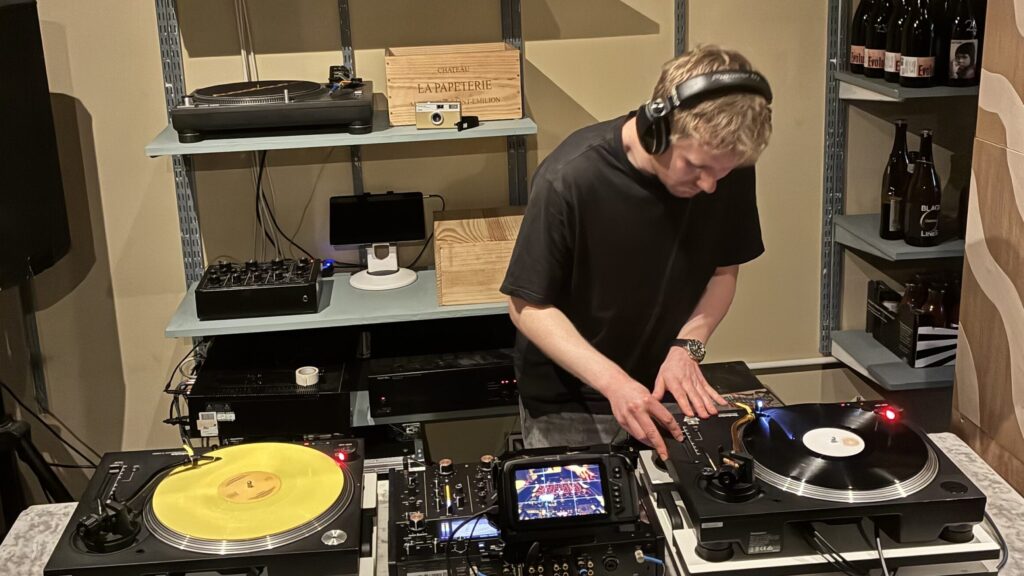
Just after 6pm on Tuesday, fans eagerly queue outside Clara’s wine bar in Bethnal Green for a free, curated pop-up event hosted by DJ and producer O’flynn—a glimpse into the radical changes sweeping London’s nightlife.
Whether it’s an organic eatery or record store doubling as a dance floor, spaces like Clara’s are surging, especially in East London. And for many, these intimate and exclusive events are being sought out with a growing appetite.
The Night Time Industries Association says the UK risks losing all its major clubs by 2030 if venue closures keep up. CEO, Michael Kill, says the pressure is primarily economic, “there are businesses that are busy, but the profits are just not there”. These venues (clubs) are now “30% to 40% more expensive to operate than before the pandemic.”
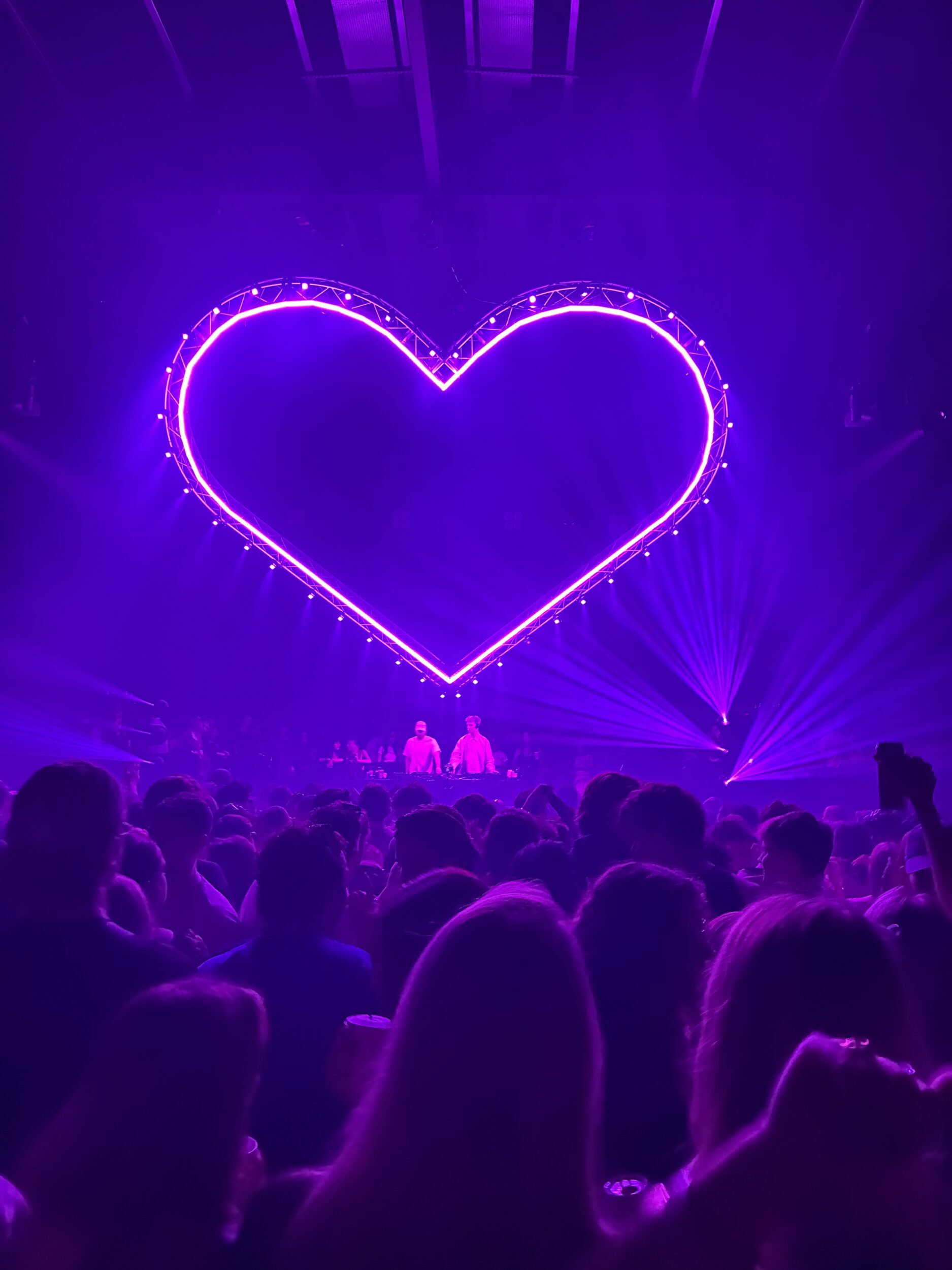
DJ heartstring at MAGAZINE London – February 14. (Source: Adam Robinson/City News)
This has meant retail spaces, once a far cry from the strobe-lights of Drumsheds or Fabric, have started embracing the club scene.
For Valentin “Val” Fritz – an East-London producer – shifting away from traditional venues made sense financially. “A lot of these places are charging an outrageous amount either upfront or for a hire fee,” he says. “In the end, I’m basically left with nothing”.
Instead, Fritz and his partner launched the “Hot Lemon” collective, hosting DJ sets in some of Hackney’s wine bars and cafes: “It was this exciting middle ground,” he says. “You can still listen to really great music… but you’re not necessarily forced to stay until 1:00am in a high-energy sweaty basement”.
Another artist who welcomes the movement — albeit with caution — is Ben Norris, better known by his DJ-name, O’Flynn. Above all, Norris believes these intimate spaces allow artists to sidestep the lottery of social media. He explains that despite boasting nearly 20,000 Instagram followers, he is often frustrated by “an algorithm that allows only a fraction of my followers to see a story or post announcing upcoming shows or new music”.
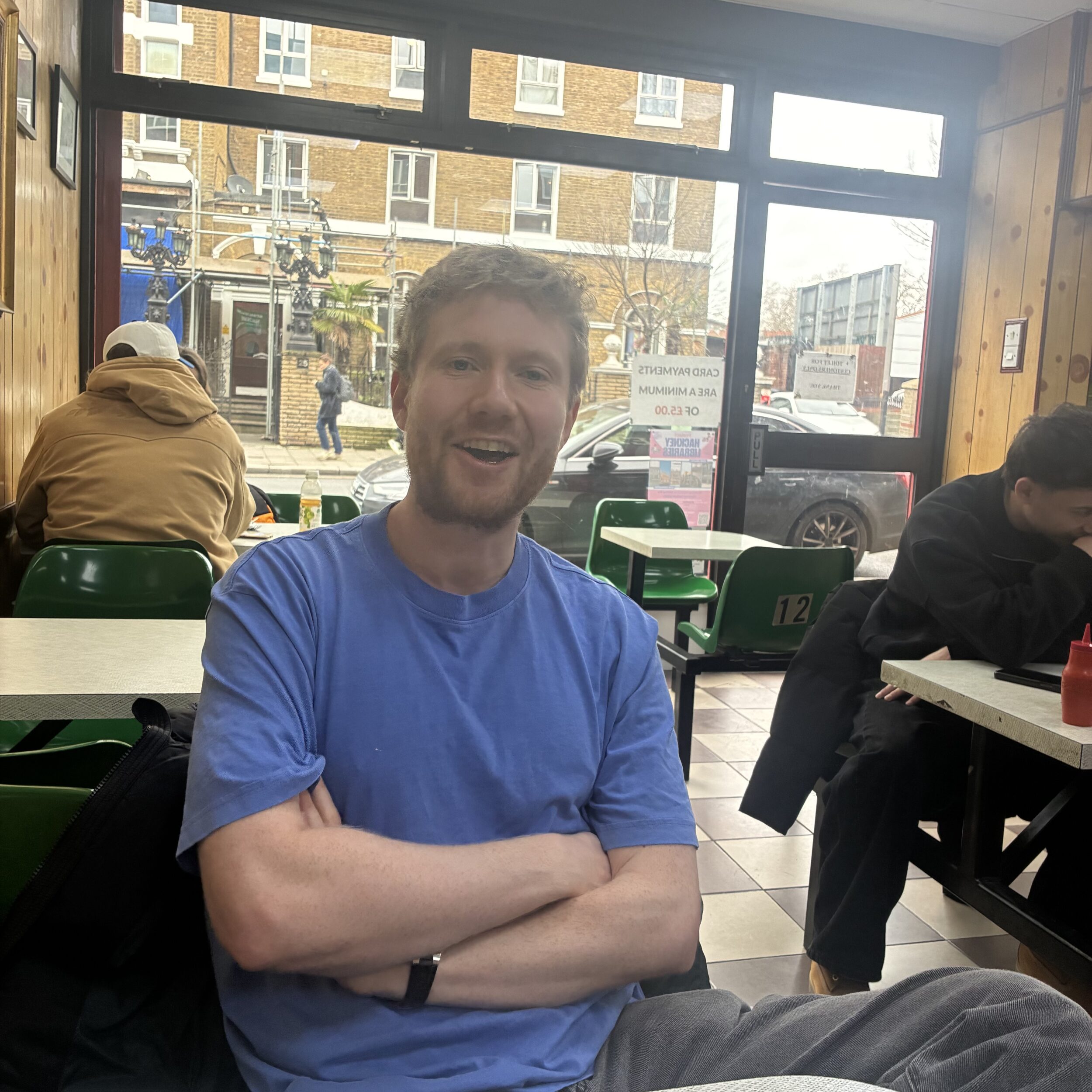
Ben Norris, also known as O’flynn. Photographed at Hackney One Café. (Source: Adam Robinson/City News).
By leaning into the distinctive aesthetic of a café or pottery club, artists like Fritz and Norris can share content that cuts through a saturated digital feed. Clips from dark nightclubs, populated with bright phones are in constant circulation and often become indistinguishable from one another. Whereas playing in an intimate wine bar “might just set you apart.”
The hope is this translates into direct audience connections: by hosting free-events at hybrid spaces, via limited sign-ups, artists are creating private networks where “you can reliably get fan attention” Norris says.
At Clara’s wine bar, attendees said the appeal lay partly in the exclusivity. Invitations were sent by text, creating the sense of being selected rather than simply targeted by an algorithm. Billy, a 29-year-old project manager, said he’s attended similar events where artists use WhatsApp broadcasts to alert fans to smaller shows or guest-list openings.
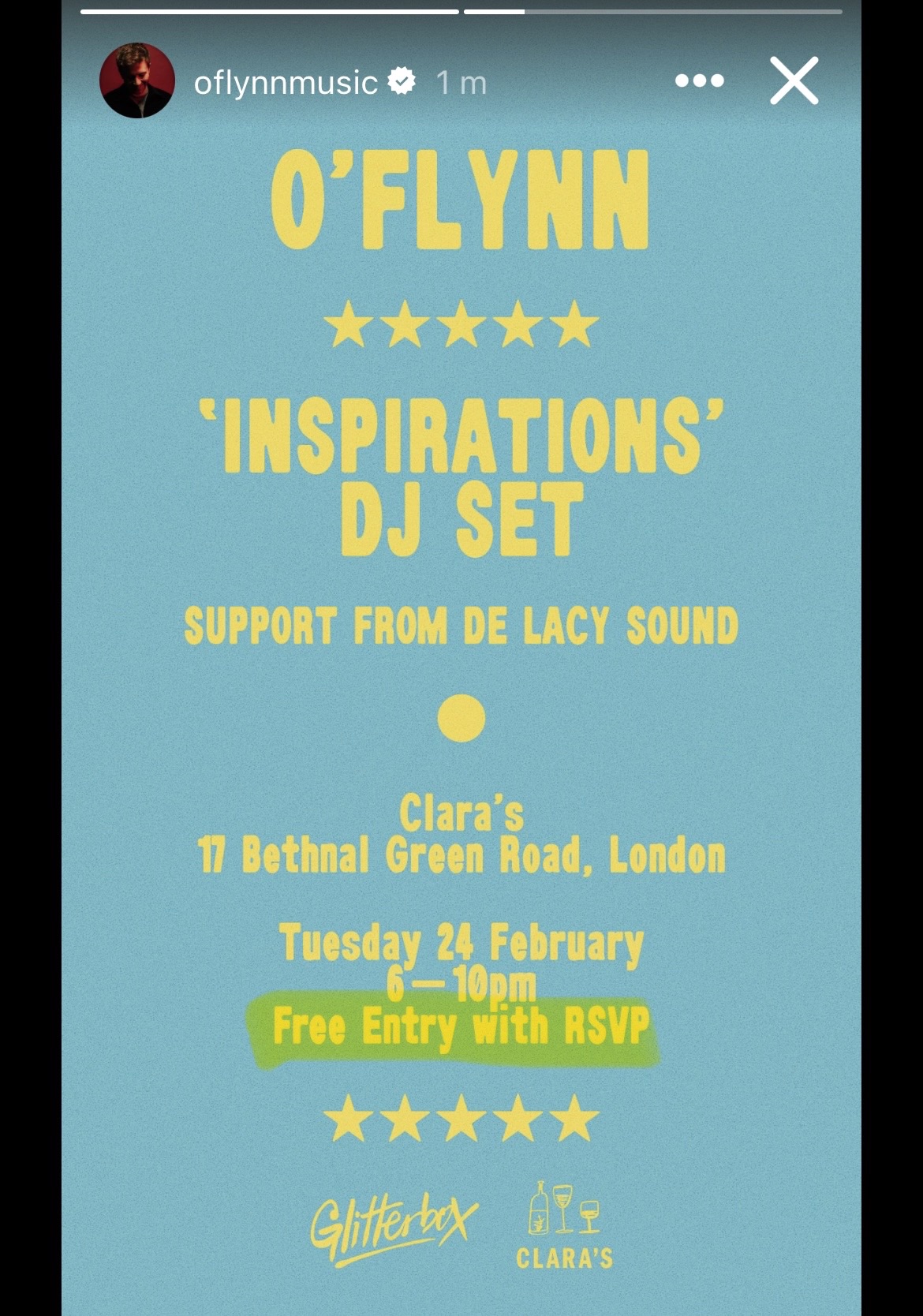
Instagram story – RSVP ‘Pop Up’. (Source: Instagram/O’flynn)
Events like the one at Clara’s are gaining traction at a time when exclusivity towers above most commodities in the capital. At record store Rough Trade East in Shoreditch, staff regularly move vinyl racks aside to host private in-store gigs.
Their model is straightforward: buy the record, and if selected, secure free entry to a live set and an artist signing. “There’s an element of selectiveness,” says Zack, a store worker. “You get your record signed by an artist that you revere, I can’t think of a nightclub where you can do that”.
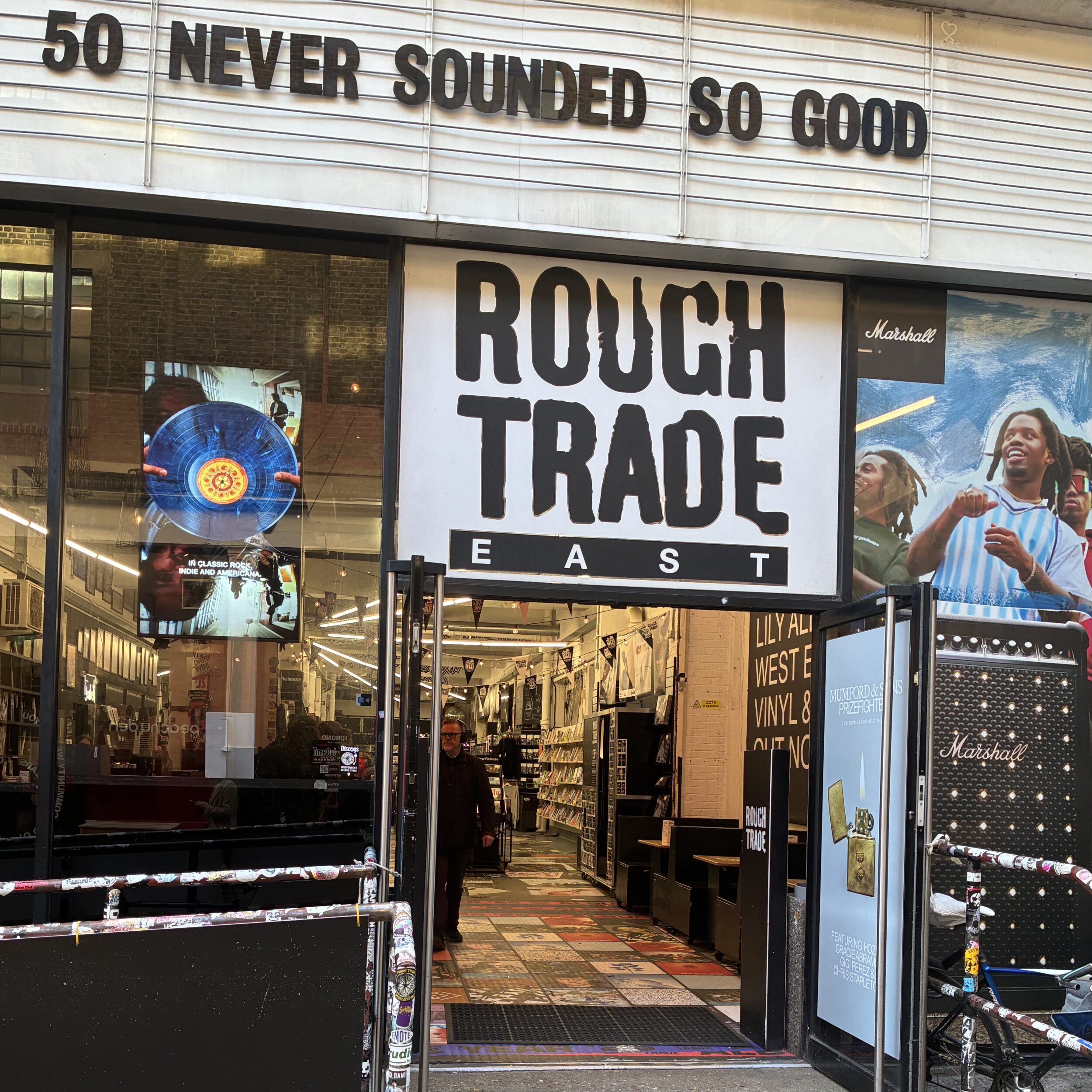
Rough Trade East, Shoreditch (Source: Adam Robinson/City News)
Amid the hype there is also fear this might become a fleeting trend. Norris acknowledges the market is driving the shift, but stresses that hybrid events must coexist with support for traditional clubs.
“As long as people still go to clubs alongside these smaller shows, it’s fine,” says Norris, “But if the clubs die, everything dies.”
Submitted Article
Headline
Short Headline
Standfirst
Published Article
HeadlineEast London’s Solution to the Decline of Nightclubs
Short HeadlineSip happens: are wine bars taking over the night?
StandfirstWith London's club scene struggling, hybrid venues offering free and exclusive events are growing in demand.
As clubs face rising costs and operational pressures, East London’s electronic artists say they are embracing a different type of venue. New data highlights that hybrid-spaces are growing in popularity amid a broader nightlife struggle.
Just after 6pm on Tuesday, fans eagerly queue outside Clara’s wine bar in Bethnal Green for a free, curated pop-up event hosted by DJ and producer O’flynn—a glimpse into the radical changes sweeping London’s nightlife.
Whether it’s an organic eatery or record store doubling as a dance floor, spaces like Clara’s are surging, especially in East London. And for many, these intimate and exclusive events are being sought out with a growing appetite.
The Night Time Industries Association says the UK risks losing all its major clubs by 2030 if venue closures keep up. CEO, Michael Kill, says the pressure is primarily economic, “there are businesses that are busy, but the profits are just not there”. These venues (clubs) are now “30% to 40% more expensive to operate than before the pandemic.”
DJ heartstring at MAGAZINE London – February 14. (Source: Adam Robinson/City News)
This has meant retail spaces, once a far cry from the strobe-lights of Drumsheds or Fabric, have started embracing the club scene.
For Valentin “Val” Fritz – an East-London producer – shifting away from traditional venues made sense financially. “A lot of these places are charging an outrageous amount either upfront or for a hire fee,” he says. “In the end, I’m basically left with nothing”.
Instead, Fritz and his partner launched the “Hot Lemon” collective, hosting DJ sets in some of Hackney’s wine bars and cafes: “It was this exciting middle ground,” he says. “You can still listen to really great music… but you’re not necessarily forced to stay until 1:00am in a high-energy sweaty basement”.
Another artist who welcomes the movement — albeit with caution — is Ben Norris, better known by his DJ-name, O’Flynn. Above all, Norris believes these intimate spaces allow artists to sidestep the lottery of social media. He explains that despite boasting nearly 20,000 Instagram followers, he is often frustrated by “an algorithm that allows only a fraction of my followers to see a story or post announcing upcoming shows or new music”.
Ben Norris, also known as O’flynn. Photographed at Hackney One Café. (Source: Adam Robinson/City News).
By leaning into the distinctive aesthetic of a café or pottery club, artists like Fritz and Norris can share content that cuts through a saturated digital feed. Clips from dark nightclubs, populated with bright phones are in constant circulation and often become indistinguishable from one another. Whereas playing in an intimate wine bar “might just set you apart.”
The hope is this translates into direct audience connections: by hosting free-events at hybrid spaces, via limited sign-ups, artists are creating private networks where “you can reliably get fan attention” Norris says.
At Clara’s wine bar, attendees said the appeal lay partly in the exclusivity. Invitations were sent by text, creating the sense of being selected rather than simply targeted by an algorithm. Billy, a 29-year-old project manager, said he’s attended similar events where artists use WhatsApp broadcasts to alert fans to smaller shows or guest-list openings.
Instagram story – RSVP ‘Pop Up’. (Source: Instagram/O’flynn)
Events like the one at Clara’s are gaining traction at a time when exclusivity towers above most commodities in the capital. At record store Rough Trade East in Shoreditch, staff regularly move vinyl racks aside to host private in-store gigs.
Their model is straightforward: buy the record, and if selected, secure free entry to a live set and an artist signing. “There’s an element of selectiveness,” says Zack, a store worker. “You get your record signed by an artist that you revere, I can’t think of a nightclub where you can do that”.
Rough Trade East, Shoreditch (Source: Adam Robinson/City News)
Amid the hype there is also fear this might become a fleeting trend. Norris acknowledges the market is driving the shift, but stresses that hybrid events must coexist with support for traditional clubs.
“As long as people still go to clubs alongside these smaller shows, it’s fine,” says Norris, “But if the clubs die, everything dies.”
As the weather turns, City News has spoken to a long-term rough sleeper to see how those on the street feel about Andy Burnham’s plan to end homelessness and the upcoming winter.