Wearable device designed to cut Tourette’s tics rolls out in UK
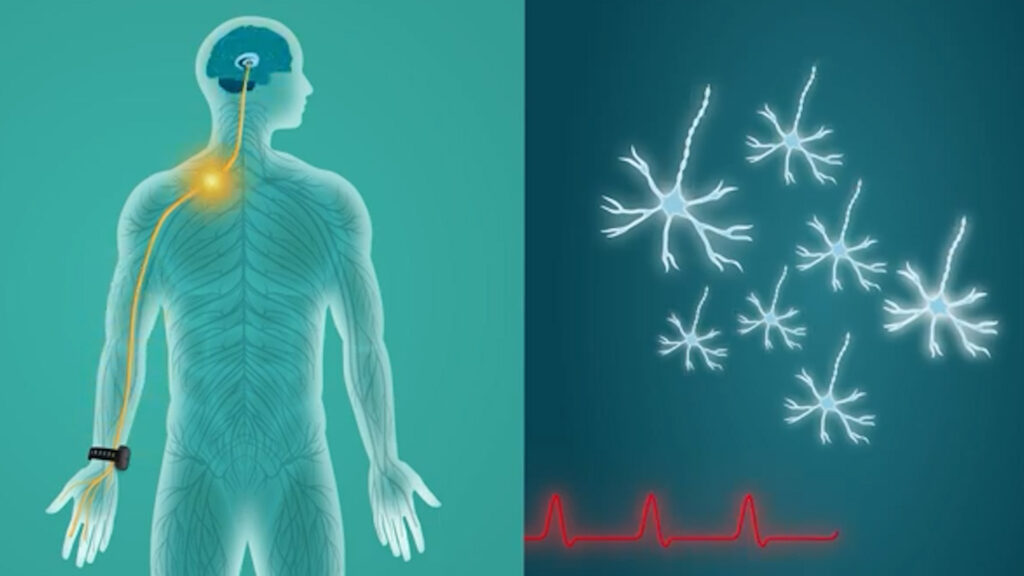
A University of Nottingham trial suggests a new wrist-worn device using electrical stimulation could help suppress Tourette’s tics, after a high-profile BAFTA controversy put the condition back in the spotlight
Following the BBC’s apology this week for broadcasting a racial slur during the 2026 BAFTAs, attention has turned to a soon-to-be released technology that could help people living with Tourette’s syndrome.
A university student with Tourette’s told City News her experience trialling Neupulse, a new wearable device, felt “surreal” and that it could offer the community a greater sense of control.
Tourette’s is a neurological condition that causes involuntary tics. What is less widely understood is that the swearing often portrayed in the media is actually a rare symptom of the disorder.
‘I don’t know who I am without ticking’
Wilamena Dyer, a student who has lived with Tourette’s since the age of four, took part in a trial of Neupulse, a wrist-worn device designed to reduce tics using electrical stimulation.
She described the first time she used it as an unfamiliar kind of quiet.
“I was sitting in this room and I had it on. I was turning up the dial, and it was like I could think about my tics, but nothing in me needed to do them.”
“I’ve sat in a room and not ticked for like ten minutes. I’ve never done that before. It was bizarre.”
She said that while it was “very exciting”, it also brought an unexpected internal crisis.
“I don’t know who I am without ticking. I haven’t ever felt that before. It was just a bit overwhelming in all kinds of ways.”
‘Relief from the pain’
The device is being rolled out by the University of Nottingham, where researchers have spent 20 years studying how tics affect the brain.
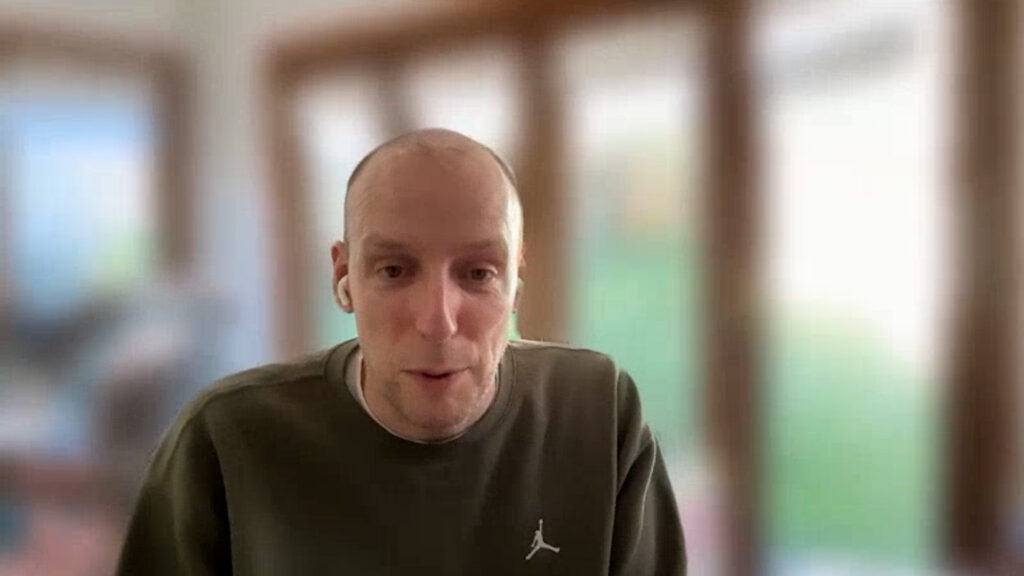
Ben Garland, who is working on the Neupulse rollout, explained that the company is bypassing the years-long NHS investment route “to get the device directly to people as quickly as possible.”
Ben Garland, Neupulse. (Source: Eleanor Flavin/City News)
“For people who have these chronic motor tics, it can be really painful,” says Ben. “If we can give people a bit of relief from that, that is hugely important”.
While Neopulse is not a cure, it is designed as a tool to help people navigate difficult environments. Trials have included high-profile participants like Lewis Capaldi, who visited Nottingham to test the prototype.
BBC Fallout
John Davidson, whose life is depicted in the new film I Swear, also took part in the clinical trial. In the later stages of the film, he is seen wearing the wrist device designed to suppress his vocal and motor tics.
The BBC is facing growing scrutiny for its handling of John Davidson’s tics during the 2026 BAFTA ceremony.
Host Alan Cumming explained to the live audience that Davidson’s outbursts were “involuntary neurological misfires”.
In a statement, Emma McNally, CEO of Tourette’s Action, called for a shift in public understanding:
“It is vital that the public understands a fundamental truth about Tourette’s syndrome: tics are involuntary. They are not a reflection of a person’s beliefs, intentions, or character”.
Wilamena urges the media to focus on learning: “Let’s look at it compassionately and use this to strengthen our understanding instead of batting down two communities”.
The Neopulse device is expected to be available for purchase later this year for those aged 12 and over.
The goal is to eventually roll it out to the NHS with payment options through services like Klarna, with the aim to “break up the costs for as many people as possible”.
Submitted Article
Headline
Short Headline
Standfirst
Published Article
HeadlineWearable device designed to cut Tourette’s tics rolls out in UK
Short HeadlineTourette’s wearable claims to reduce tics
StandfirstA University of Nottingham trial suggests a new wrist-worn device using electrical stimulation could help suppress Tourette’s tics, after a high-profile BAFTA controversy put the condition back in the spotlight
Following the BBC’s apology this week for broadcasting a racial slur during the 2026 BAFTAs, attention has turned to a soon-to-be released technology that could help people living with Tourette’s syndrome.
A university student with Tourette’s told City News her experience trialling Neupulse, a new wearable device, felt “surreal” and that it could offer the community a greater sense of control.
Tourette’s is a neurological condition that causes involuntary tics. What is less widely understood is that the swearing often portrayed in the media is actually a rare symptom of the disorder.
‘I don’t know who I am without ticking’
Wilamena Dyer, a student who has lived with Tourette’s since the age of four, took part in a trial of Neupulse, a wrist-worn device designed to reduce tics using electrical stimulation.
She described the first time she used it as an unfamiliar kind of quiet.
“I was sitting in this room and I had it on. I was turning up the dial, and it was like I could think about my tics, but nothing in me needed to do them.”
“I’ve sat in a room and not ticked for like ten minutes. I’ve never done that before. It was bizarre.”
She said that while it was “very exciting”, it also brought an unexpected internal crisis.
“I don’t know who I am without ticking. I haven’t ever felt that before. It was just a bit overwhelming in all kinds of ways.”
‘Relief from the pain’
The device is being rolled out by the University of Nottingham, where researchers have spent 20 years studying how tics affect the brain.
Ben Garland, who is working on the Neupulse rollout, explained that the company is bypassing the years-long NHS investment route “to get the device directly to people as quickly as possible.”
Ben Garland, Neupulse. (Source: Eleanor Flavin/City News)
“For people who have these chronic motor tics, it can be really painful,” says Ben. “If we can give people a bit of relief from that, that is hugely important”.
While Neopulse is not a cure, it is designed as a tool to help people navigate difficult environments. Trials have included high-profile participants like Lewis Capaldi, who visited Nottingham to test the prototype.
BBC Fallout
John Davidson, whose life is depicted in the new film I Swear, also took part in the clinical trial. In the later stages of the film, he is seen wearing the wrist device designed to suppress his vocal and motor tics.
The BBC is facing growing scrutiny for its handling of John Davidson’s tics during the 2026 BAFTA ceremony.
Host Alan Cumming explained to the live audience that Davidson’s outbursts were “involuntary neurological misfires”.
In a statement, Emma McNally, CEO of Tourette’s Action, called for a shift in public understanding:
“It is vital that the public understands a fundamental truth about Tourette’s syndrome: tics are involuntary. They are not a reflection of a person’s beliefs, intentions, or character”.
Wilamena urges the media to focus on learning: “Let’s look at it compassionately and use this to strengthen our understanding instead of batting down two communities”.
The Neopulse device is expected to be available for purchase later this year for those aged 12 and over.
The goal is to eventually roll it out to the NHS with payment options through services like Klarna, with the aim to “break up the costs for as many people as possible”.
A 2024 Freedom of Information request showed Bromley Council had £4.5 million invested in arms companies that year with £1.5 million reportedly linked to Israel.
Undercover officers raided three linked shops in Barking town centre, revealing how illicit tobacco is being hidden in walls, ceilings and nearby locations to evade detection.
More than 330,000 people across the UK sought support from the Stop It Now helpline in 2025 over concerns about their own or someone else’s online sexual behaviour towards children, according to new charity data. The anonymous service says contacts by phone, email and webchat rose significantly over the year.