“Having Tourette’s myself, the wave of controversy that followed the BAFTA’s hit hard.”
Laura Harris, 62, has coprolalia, the same strand of Tourette’s as John Davidson. Coprolalia is defined as the involuntary, uncontrollable use of obscene language. This often manifests as sudden, explosive swearing and the forced vocalisation of socially inappropriate, derogatory remarks.
Whilst coprolalia is the most widely associated feature of Tourette’s syndrome, only 1 in 10 people with Tourette’s have coprolalia and exhibit the complex tics that come with it.
Laura has experienced minor tics since she was a child, but it wasn’t until adulthood that the intensity of her Tourette’s escalated. Laura was officially diagnosed with coprolalia in 2008 when in her 40s her symptoms suddenly developed.
Laura spoke to City News, sharing her story of constant struggle with the condition.
Laura’s struggle
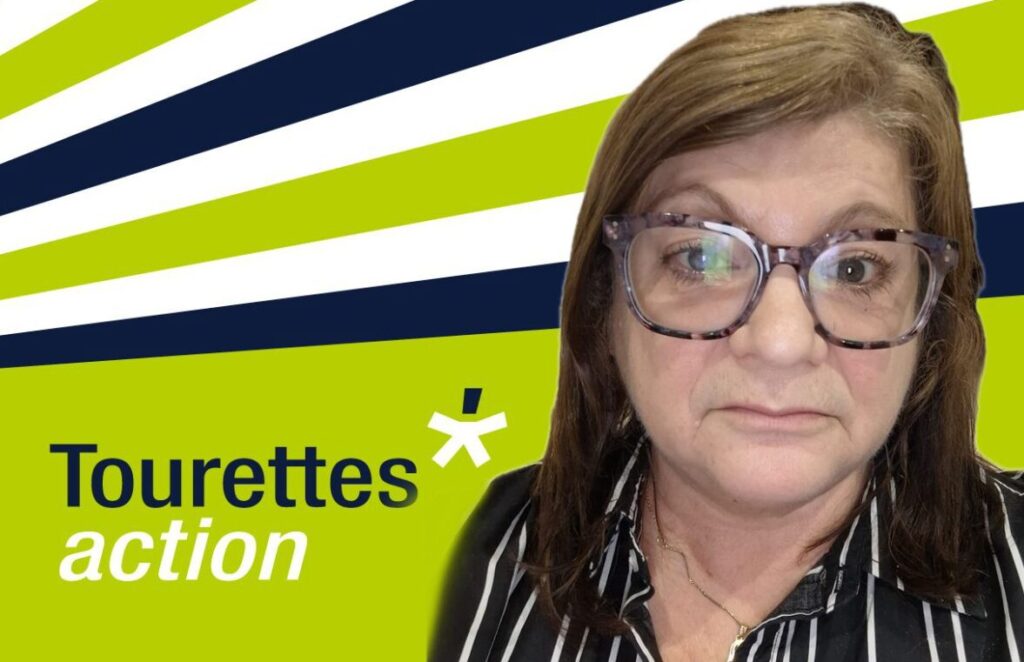
Laura Harris was helped with her diagnosis and further support through charity Tourette’s Action
Laura emphasises the difficulties of living with the incessant, unrelenting nature of the neurological disorder.
“I spend my life managing embarrassment, anxiety and the fear of being judged for something my brain fires off without consent. The public often sees the word; they don’t see the physical build-up, the suppression attempts, the exhaustion.”
She continues: “I have been made to feel uncomfortable. I have avoided theatres and cinemas because of the fear of how people will react. I very rarely go anywhere. It is incredibly sad that a neurological condition can limit where you feel safe enough to exist. I’ve shouted in a synagogue that the Rabbi eats bacon, there’s no rhyme or reason, it’s our brains misfiring. I’ve shouted random things at people I respect, at doctors, I don’t mean it.”
Whilst expletives and obscenities have the potential to cause harm and offence, Laura feels she shouldn’t have to apologise for something she has no control over.
“Many of us with Tourette’s apologise instinctively after tics. I constantly apologise even though I’m not sorry. I’ve got Tourette’s, what am I apologising for? My very existence? I can’t help it.”
The disharmony created from the BBC airing John Davidson announcing a racial slur, the same night the film ‘I Swear’ showcasing his life picked up three awards, has fuelled Laura to keep raising awareness of Tourette’s and the realities of coprolalia at its most extreme.
Education, understanding and inclusion
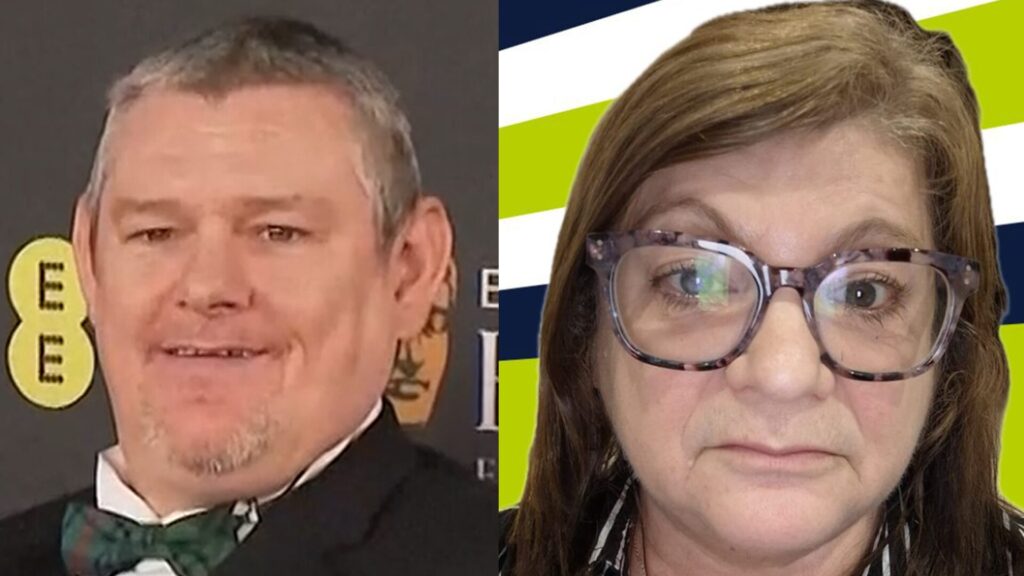
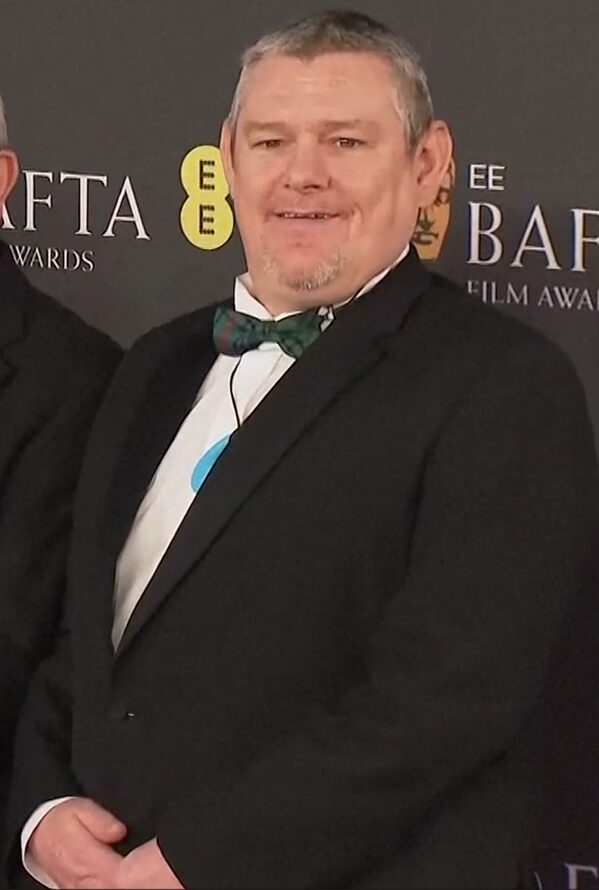
John Davidson on the red carpet of the BAFTAs before the show (AP)
The award-winning film based on Davidson’s life served to educate those on the most extreme form of Tourette’s. Considering a prominent message of the film is how his behaviour stemming from the condition is not something to apologise for, Laura believes the BAFTA controversy “is an irony, an absolute irony. If you actually watched the film, you’d know a tic is like a sneeze, you can’t hold it, only for so long. What this controversy highlights is how poorly understood Tourette’s still is. Inclusion cannot be conditional on symptoms being convenient. If we say we support disability inclusion, that support has to extend to the uncomfortable, misunderstood parts too.”
She continues: “A night that John Davidson was meant to enjoy and celebrate an award-winning film made about him, he left the auditorium early as he was made to feel uncomfortable for his vocal tics and watched the ceremony elsewhere. What other disability would be treated like that? Where someone with a visible physical disability had to be removed because it made people uncomfortable. Once people are educated and understand that he cannot help what he says, the only appropriate response is understanding and inclusion.”
“We can and must do better. Education leads to understanding. Understanding leads to compassion. And compassion leads to inclusion. No one should be excluded for a disability they cannot control.”
Whilst Laura fully appreciates the gravity of certain derogatory language, she still holds that it’s crucial to know the difference when used in the context of someone with Tourette’s.
The difference between racism and a neurological disorder
“That doesn’t mean people can’t feel hurt, of course they can. Words carry history and pain. But there is a crucial difference between harm caused by prejudice and distress caused by a disability symptom. Treating it as equivalent to intentional speech fundamentally misunderstands the condition.”
Laura clarifies the crucial difference that “when a racial slur is used deliberately, that is racism and absolutely deserves accountability. But when a word is ticced due to Tourette’s, particularly coprolalia is not chosen, not meant, and not reflective of the person’s beliefs. It is a neurological symptom, and neurology is not intent. In essence, John didn’t shout a racial slur, he ticced a word.”
At the beginning of the ceremony, it was explained that John may vocalise or use explicit language as part of his condition.
“This isn’t about excusing racism. It’s about recognising the difference between prejudice and a neurological disorder. If we truly care about empathy and education, we should be able to hold two truths at once: racism causes real harm, and Tourette’s is not a moral failing.”
The BBC has apologised for not editing out the racial slur from its broadcast, which was shown on a two hour delay.
“John’s tic was involuntary. The one aspect of the situation that was voluntary was its decision to be left in”, Laura said.
She continues, “I feel the BBC have still got a lot to answer for with this. Part of me wants to say it’s a part of the condition, but the other part says it’s broadcasting, and that it was therefore blatantly unacceptable. As a result of broadcasting that word, where a mic was placed near him for the word to be audibly heard on TV, John Davidson, rather than being celebrated has instead dealt with days of torment.”
Submitted Article
Headline
Short Headline
Standfirst
Published Article
Headline‘I’ve got Tourette’s, what am I apologising for? My very existence? I can’t help it’
Short Headline'I've got Tourette's, what am I apologising for?'
StandfirstLaura Harris has coprolalia, the extreme form of Tourette's that John Davidson also has. She shared her struggles and frustrations with City News.
“Having Tourette’s myself, the wave of controversy that followed the BAFTA’s hit hard.”
Laura Harris, 62, has coprolalia, the same strand of Tourette’s as John Davidson. Coprolalia is defined as the involuntary, uncontrollable use of obscene language. This often manifests as sudden, explosive swearing and the forced vocalisation of socially inappropriate, derogatory remarks.
Whilst coprolalia is the most widely associated feature of Tourette’s syndrome, only 1 in 10 people with Tourette’s have coprolalia and exhibit the complex tics that come with it.
Laura has experienced minor tics since she was a child, but it wasn’t until adulthood that the intensity of her Tourette’s escalated. Laura was officially diagnosed with coprolalia in 2008 when in her 40s her symptoms suddenly developed.
Laura spoke to City News, sharing her story of constant struggle with the condition.
Laura’s struggle
Laura Harris was helped with her diagnosis and further support through charity Tourette’s Action
Laura emphasises the difficulties of living with the incessant, unrelenting nature of the neurological disorder.
“I spend my life managing embarrassment, anxiety and the fear of being judged for something my brain fires off without consent. The public often sees the word; they don’t see the physical build-up, the suppression attempts, the exhaustion.”
She continues: “I have been made to feel uncomfortable. I have avoided theatres and cinemas because of the fear of how people will react. I very rarely go anywhere. It is incredibly sad that a neurological condition can limit where you feel safe enough to exist. I’ve shouted in a synagogue that the Rabbi eats bacon, there’s no rhyme or reason, it’s our brains misfiring. I’ve shouted random things at people I respect, at doctors, I don’t mean it.”
Whilst expletives and obscenities have the potential to cause harm and offence, Laura feels she shouldn’t have to apologise for something she has no control over.
“Many of us with Tourette’s apologise instinctively after tics. I constantly apologise even though I’m not sorry. I’ve got Tourette’s, what am I apologising for? My very existence? I can’t help it.”
The disharmony created from the BBC airing John Davidson announcing a racial slur, the same night the film ‘I Swear’ showcasing his life picked up three awards, has fuelled Laura to keep raising awareness of Tourette’s and the realities of coprolalia at its most extreme.
Education, understanding and inclusion
John Davidson on the red carpet of the BAFTAs before the show (AP)
The award-winning film based on Davidson’s life served to educate those on the most extreme form of Tourette’s. Considering a prominent message of the film is how his behaviour stemming from the condition is not something to apologise for, Laura believes the BAFTA controversy “is an irony, an absolute irony. If you actually watched the film, you’d know a tic is like a sneeze, you can’t hold it, only for so long. What this controversy highlights is how poorly understood Tourette’s still is. Inclusion cannot be conditional on symptoms being convenient. If we say we support disability inclusion, that support has to extend to the uncomfortable, misunderstood parts too.”
She continues: “A night that John Davidson was meant to enjoy and celebrate an award-winning film made about him, he left the auditorium early as he was made to feel uncomfortable for his vocal tics and watched the ceremony elsewhere. What other disability would be treated like that? Where someone with a visible physical disability had to be removed because it made people uncomfortable. Once people are educated and understand that he cannot help what he says, the only appropriate response is understanding and inclusion.”
“We can and must do better. Education leads to understanding. Understanding leads to compassion. And compassion leads to inclusion. No one should be excluded for a disability they cannot control.”
Whilst Laura fully appreciates the gravity of certain derogatory language, she still holds that it’s crucial to know the difference when used in the context of someone with Tourette’s.
The difference between racism and a neurological disorder
“That doesn’t mean people can’t feel hurt, of course they can. Words carry history and pain. But there is a crucial difference between harm caused by prejudice and distress caused by a disability symptom. Treating it as equivalent to intentional speech fundamentally misunderstands the condition.”
Laura clarifies the crucial difference that “when a racial slur is used deliberately, that is racism and absolutely deserves accountability. But when a word is ticced due to Tourette’s, particularly coprolalia is not chosen, not meant, and not reflective of the person’s beliefs. It is a neurological symptom, and neurology is not intent. In essence, John didn’t shout a racial slur, he ticced a word.”
At the beginning of the ceremony, it was explained that John may vocalise or use explicit language as part of his condition.
“This isn’t about excusing racism. It’s about recognising the difference between prejudice and a neurological disorder. If we truly care about empathy and education, we should be able to hold two truths at once: racism causes real harm, and Tourette’s is not a moral failing.”
The BBC has apologised for not editing out the racial slur from its broadcast, which was shown on a two hour delay.
“John’s tic was involuntary. The one aspect of the situation that was voluntary was its decision to be left in”, Laura said.
She continues, “I feel the BBC have still got a lot to answer for with this. Part of me wants to say it’s a part of the condition, but the other part says it’s broadcasting, and that it was therefore blatantly unacceptable. As a result of broadcasting that word, where a mic was placed near him for the word to be audibly heard on TV, John Davidson, rather than being celebrated has instead dealt with days of torment.”
A 2024 Freedom of Information request showed Bromley Council had £4.5 million invested in arms companies that year with £1.5 million reportedly linked to Israel.
Undercover officers raided three linked shops in Barking town centre, revealing how illicit tobacco is being hidden in walls, ceilings and nearby locations to evade detection.
More than 330,000 people across the UK sought support from the Stop It Now helpline in 2025 over concerns about their own or someone else’s online sexual behaviour towards children, according to new charity data. The anonymous service says contacts by phone, email and webchat rose significantly over the year.