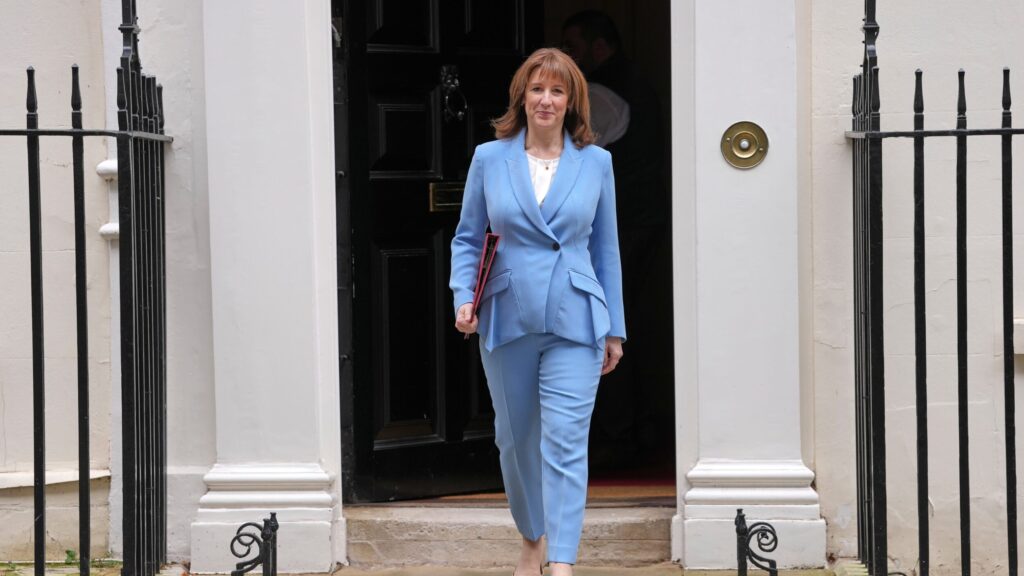
A packed House of Commons awaited the Chancellor Rachel Reeves as she prepared to deliver her Spring Statement. Few could have remembered the scene seven months earlier when the Chancellor was brought to tears and her position seemed to be on the brink.
Labour MPs gave Rachel Reeves a lively welcome to the chamber today, but a number of backbenchers looked on unenthused and stony- faced, a reminder that all is not well in a government.
The Chancellor came out of the blocks swinging; her speech was animated and at times, particularly when directed at the looming threat of Reform, succeeded in drawing a few wry smiles from the opposite side of the chamber.
In her speech, Reeves said she had the right economic plan for the country. She focused on security, stability and growth with no new big spending commitments. Instead, the Chancellor touted falling borrowing and inflation rates as indicators that the economy was improving.
But storm clouds remain on the horizon. Despite strong indicators from the Office for Budget Responsibility (OBR), the UK economic watchdog says the current war in the Middle East poses a very significant risk to the British economy. In a report prior to the Spring statement, the OBR downgraded growth.
The move will be yet another headache for the Chancellor. The Bank of England was widely expected to cut interest rates this month, but with inflation now looking to increase on the back of rising oil prices, a rate cut may be unlikely.
Attempts by Iran to block the Strait of Hormuz and attacks on some of the world’s largest oil and gas refineries have led to a sharp increase in the price of oil.
At the start of the week brent crude was trading at $70 a barrel but on Monday the price spiked to over $80. Further price rises are expected in the near future.
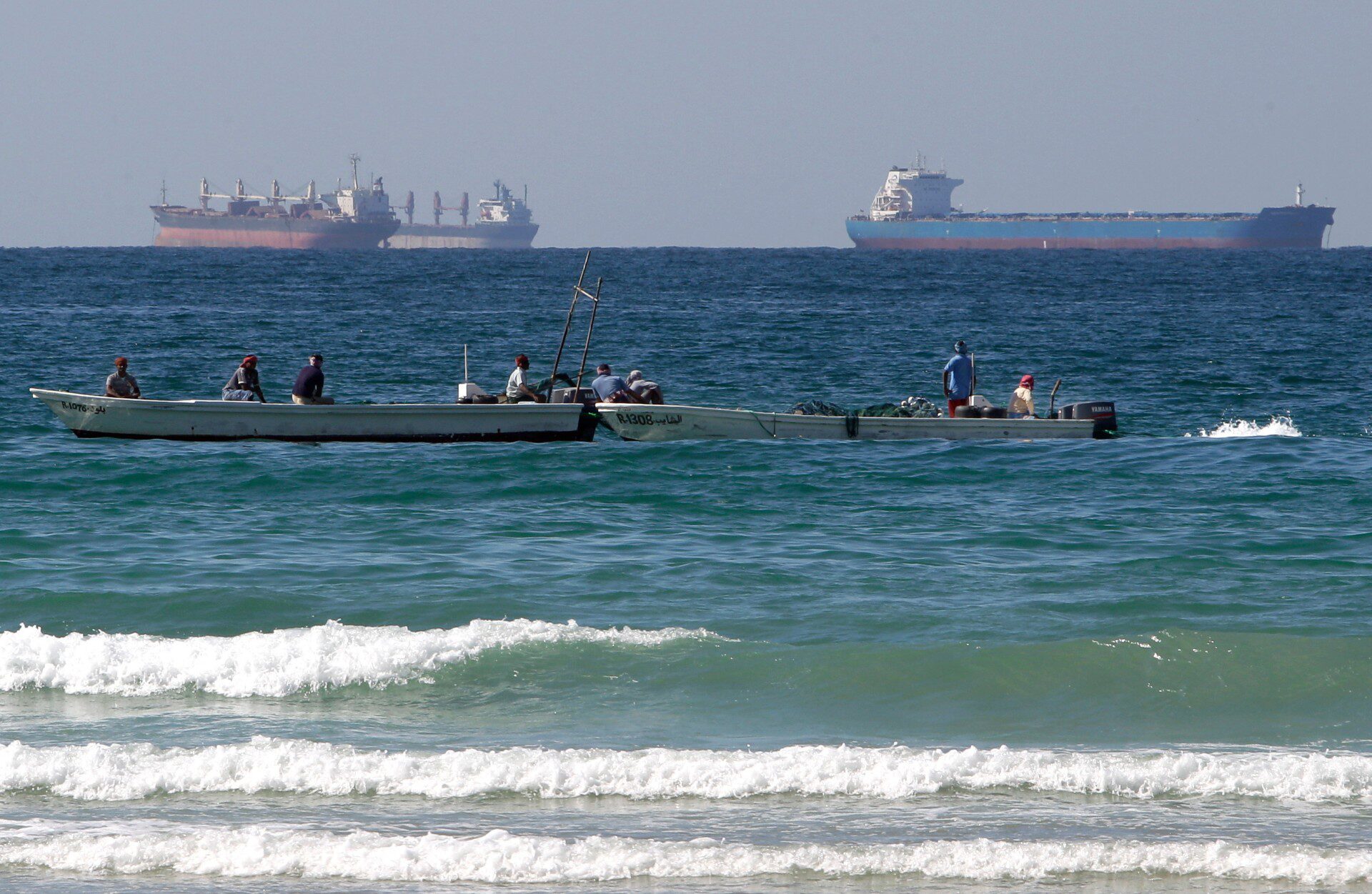
Oil tankers in the Middle East. Credit: AP
With the Israeli – American campaign against Iran showing no sign of ending anytime soon, high oil prices may have a prolonged and deep effect on the global economy.
With supply chains stretching across borders, the UK travel industry is one part of the economy likely to find itself in a painful position over the conflict.
Ceri Davies, a travel industry professional with over 30 years of experience in the industry, said:
“Diverting planes and cargo logistics will have a big impact on customers and airlines…perishables goods, extra security, everything will increase in price the longer things go on.”
Rising oil prices could also have a big knock on affect in unexpected places.
Shehan Goonetillake, owner of Owen Bros, a catering company based in Wandsworth, warns that the conflict in the Middle East will have serious consequences for his business.
“I expect a creeping up of prices within the month. Our transport costs have already risen.”
The turmoil in global markets will fuel calls for a change of course at home. Shadow Chancellor, Mel Stride, warned that the economy was in a perilous state and urged Reeves to look again at reforming welfare.
Calls for change are also coming from the government’s left, with some backbenchers calling for a rethink of the Chancellor’s fiscal rules.
The Green Party, in the ascendant after its victory in the Gorton and Denton by-election, is also calling for new taxes to be levied on the wealthiest in society.
But for the health of the public’s finances, much will depend on events abroad.
A growing list of global conflicts threatens to upend supply chains and with further tariffs, trade wars and global climate catastrophes looming on the horizon, the economic picture may remain difficult for the Chancellor.
Submitted Article
Headline
Short Headline
Standfirst
Published Article
HeadlineBusiness as usual, but are there storm clouds ahead for the economy?
Short HeadlineSpiking oil prices and unstable supply chains present future challenges for the government
StandfirstThe Chancellor says the economy is doing well, but with global instability on the rise, there could be trouble ahead for the government.
A packed House of Commons awaited the Chancellor Rachel Reeves as she prepared to deliver her Spring Statement. Few could have remembered the scene seven months earlier when the Chancellor was brought to tears and her position seemed to be on the brink.
Labour MPs gave Rachel Reeves a lively welcome to the chamber today, but a number of backbenchers looked on unenthused and stony- faced, a reminder that all is not well in a government.
The Chancellor came out of the blocks swinging; her speech was animated and at times, particularly when directed at the looming threat of Reform, succeeded in drawing a few wry smiles from the opposite side of the chamber.
In her speech, Reeves said she had the right economic plan for the country. She focused on security, stability and growth with no new big spending commitments. Instead, the Chancellor touted falling borrowing and inflation rates as indicators that the economy was improving.
But storm clouds remain on the horizon. Despite strong indicators from the Office for Budget Responsibility (OBR), the UK economic watchdog says the current war in the Middle East poses a very significant risk to the British economy. In a report prior to the Spring statement, the OBR downgraded growth.
The move will be yet another headache for the Chancellor. The Bank of England was widely expected to cut interest rates this month, but with inflation now looking to increase on the back of rising oil prices, a rate cut may be unlikely.
Attempts by Iran to block the Strait of Hormuz and attacks on some of the world’s largest oil and gas refineries have led to a sharp increase in the price of oil.
At the start of the week brent crude was trading at $70 a barrel but on Monday the price spiked to over $80. Further price rises are expected in the near future.
Oil tankers in the Middle East. Credit: AP
With the Israeli – American campaign against Iran showing no sign of ending anytime soon, high oil prices may have a prolonged and deep effect on the global economy.
With supply chains stretching across borders, the UK travel industry is one part of the economy likely to find itself in a painful position over the conflict.
Ceri Davies, a travel industry professional with over 30 years of experience in the industry, said:
“Diverting planes and cargo logistics will have a big impact on customers and airlines…perishables goods, extra security, everything will increase in price the longer things go on.”
Rising oil prices could also have a big knock on affect in unexpected places.
Shehan Goonetillake, owner of Owen Bros, a catering company based in Wandsworth, warns that the conflict in the Middle East will have serious consequences for his business.
“I expect a creeping up of prices within the month. Our transport costs have already risen.”
The turmoil in global markets will fuel calls for a change of course at home. Shadow Chancellor, Mel Stride, warned that the economy was in a perilous state and urged Reeves to look again at reforming welfare.
Calls for change are also coming from the government’s left, with some backbenchers calling for a rethink of the Chancellor’s fiscal rules.
The Green Party, in the ascendant after its victory in the Gorton and Denton by-election, is also calling for new taxes to be levied on the wealthiest in society.
But for the health of the public’s finances, much will depend on events abroad.
A growing list of global conflicts threatens to upend supply chains and with further tariffs, trade wars and global climate catastrophes looming on the horizon, the economic picture may remain difficult for the Chancellor.
A 2024 Freedom of Information request showed Bromley Council had £4.5 million invested in arms companies that year with £1.5 million reportedly linked to Israel.
Undercover officers raided three linked shops in Barking town centre, revealing how illicit tobacco is being hidden in walls, ceilings and nearby locations to evade detection.
More than 330,000 people across the UK sought support from the Stop It Now helpline in 2025 over concerns about their own or someone else’s online sexual behaviour towards children, according to new charity data. The anonymous service says contacts by phone, email and webchat rose significantly over the year.