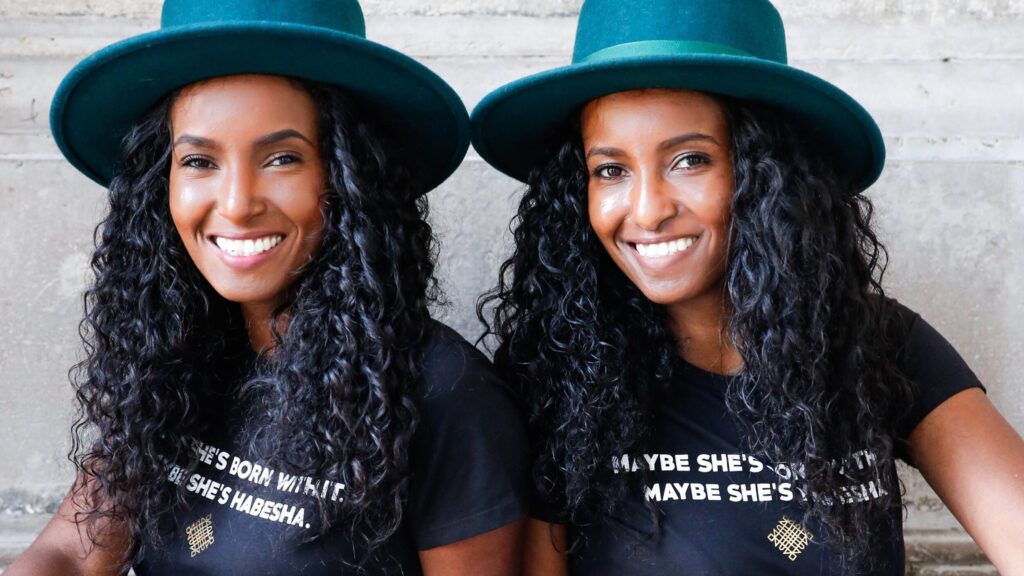
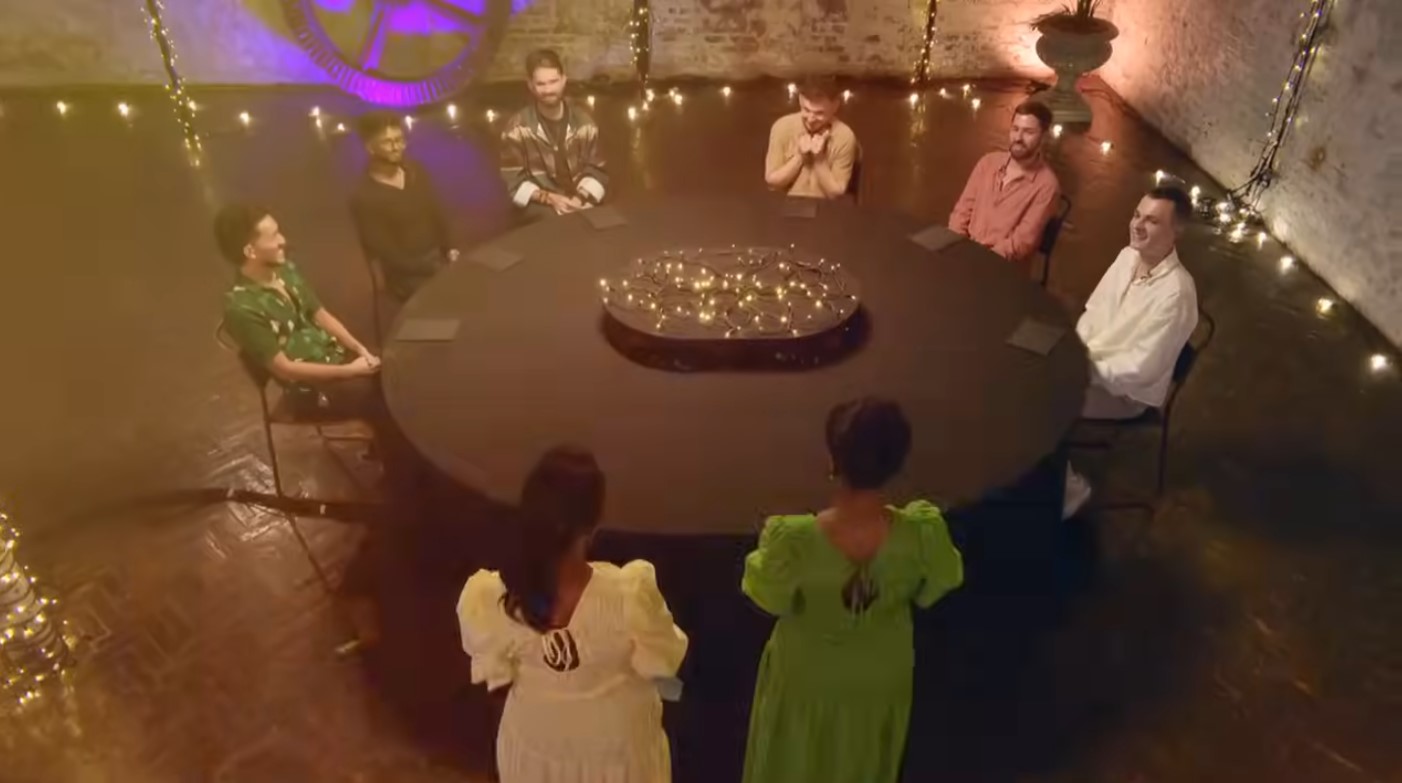
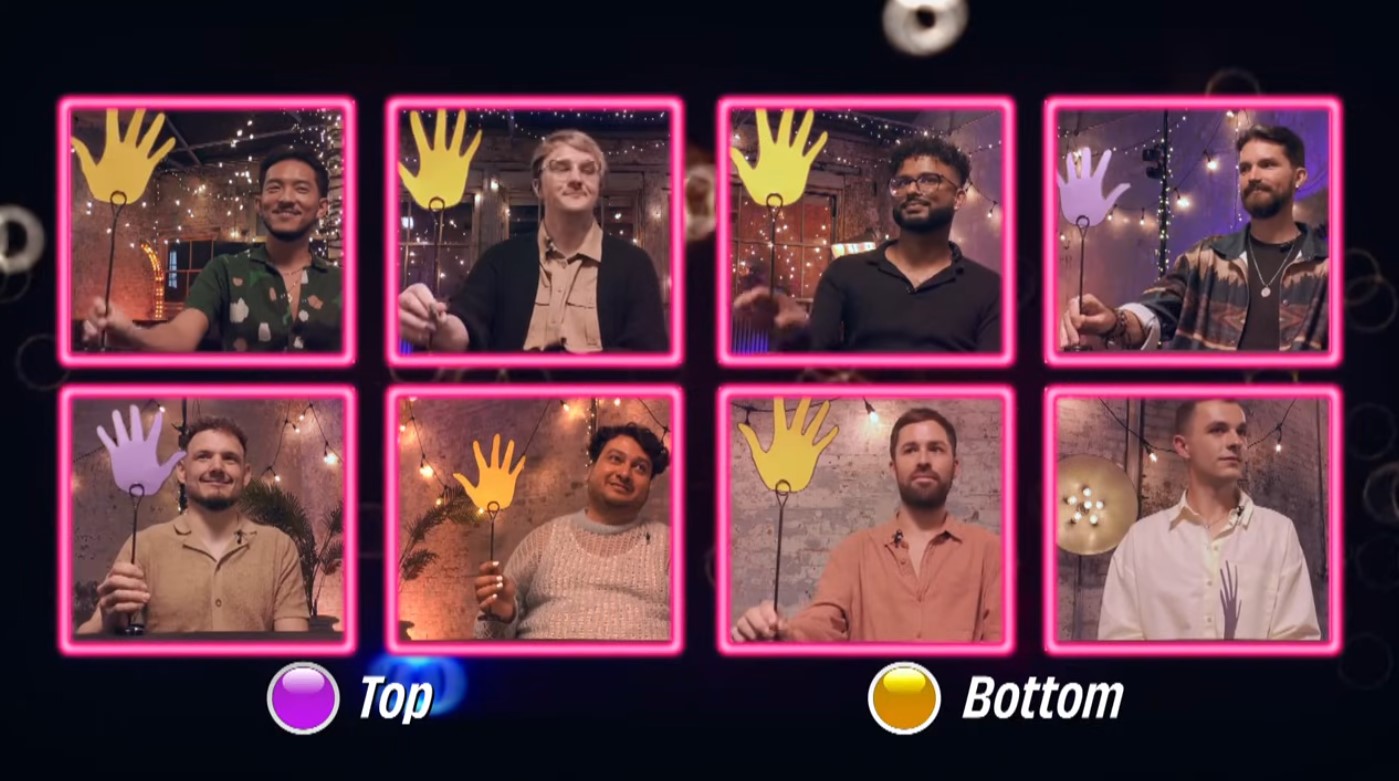
Hermon and Heroda Berhane are the presenters of the UK’s first British Sign Language (BSL) dating show Hold My Hand. In an exclusive interview with City News, the sisters debunk misconceptions about deaf dating, romance and relationships.
Hermon and Heroda Berhane are Eritrean identical twin-sisters who mysteriously went deaf at the same time.
“We were seven years old, playing outside. One moment we could hear, the next we couldn’t.”
As hearing children, they remember the sounds of chickens clucking and church bells ringing, but they also remember gunshots and explosions – the sounds of civil war in Eritrea.
The Berhane family migrated to the UK. But leaving behind a war-torn country didn’t mean they weren’t faced with other difficult situations in London.
Deaf Culture in London
Hermon and Heroda emphasised how “very, very close” they are and said that being twins has definitely helped them growing up deaf. But they realise how rare it is for a deaf person to have someone so close that understands them so well, even in London.
“Is there more deaf awareness in London? No. Sometimes it feels like it’s worse.”
“In other countries, when we tell someone that we are deaf, automatically they start gesturing and over-pronunciating to help us. But, in London, people sort of freeze and get scared. It’s like, come on, just get a piece of paper and use your imagination.”
If they want to go to an event in London, Hermon said, most of the time they have to specially request an interpreter “because the venue hasn’t even thought about it. So, we ask them to make sure they have one in the future and they tell us ‘no, that’s your responsibility’.”
“It’s called reasonable adjustment. Actually, it’s more than that; it’s our right to have access to information the same as our hearing peers.”
That’s why Hold My Hand has been created, and Hermon and Heroda describe the overwhelmingly positive response they’ve had from the deaf community already, hoping that this will lead to more deaf-led programmes being commissioned.
Heroda added that it is also for hearing audiences to learn about deaf culture because it is often excluded from mainstream dating formats.
“What the hell? What do you mean we can’t have sex? They think having sex is a hearing thing and where’s that information coming from? Do you realise that we are human too? Our ears might not work but we are built the same.”
Hermon said that they never saw deaf presenters on dating shows and that this kind of visibility would have really helped them growing up as young deaf women.
Debunking Assumptions
The twins agreed that they would both only date deaf men, because it can be “frustrating” and “exhausting” constantly having to explain deafness to hearing partners.
“The assumption is also that lip-reading is easy – it’s not.” Hearing people don’t realise that going on a date in a moody, low-lit bar isn’t an option for deaf people because they then can’t lipread – or read signing – at all.
The problem, they believe, is because of a lack of awareness and education about deaf culture.
“For a long time, we weren’t even aware that other young deaf people existed.”
Hermon describes the ‘deaf culture’ they became a part of as “strong and something to celebrate” and definitely “not something to ‘fix’.”
British Sign Language (BSL)
BSL is Hermon and Heroda’s first language and a huge part of their cultural identity. But, born into a hearing family, the twins didn’t learn to sign until years after they became deaf.
According to the National Deaf Children’s Society, over 90% of deaf children are born to hearing parents.
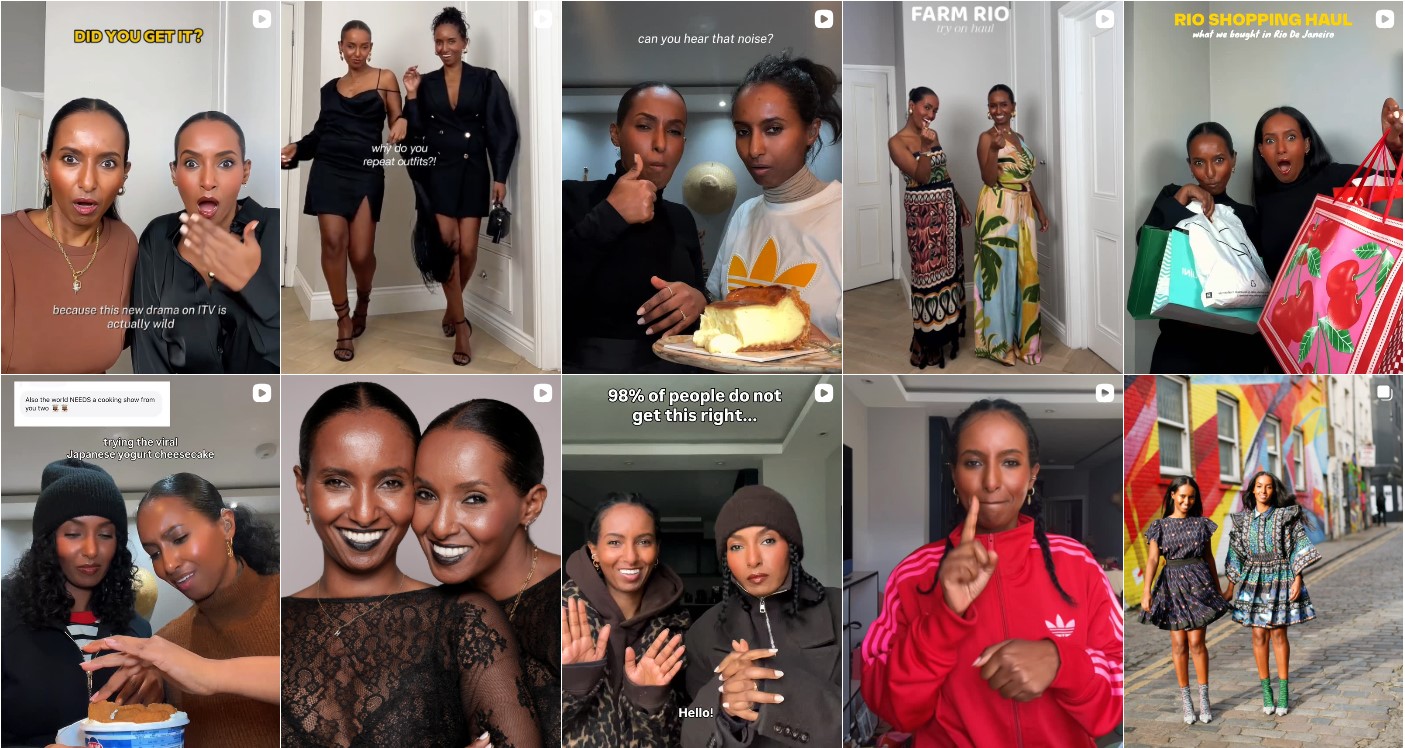
Hermon and Heroda’s Instagram @being_her
Heroda explained how expressive and intentional sign language is compared to spoken English which allows people to “hide behind their words.”
“Deaf people are very blunt and that’s a bit of a worry [to hearing people]. But that’s our identity.”
Hermon thinks it would be really beneficial for hearing people to learn sign language because it would allow them to “open up a bit more and show their emotions.”
She said that a conversation with a hearing person often leaves her asking “But what do you really want to say?”
Hermon and Heroda’s interpreter, Vivi, explained that the blunt quality attributed to a lot of deaf people is part of the community’s history.
Before video-calls, deaf people could not speak to each other on the phone like hearing people. It would take days or weeks to exchange letters and organise a meet-up, and so the time they had to speak was limited; every word so much more valuable.
Even now, “many parents think sign language is not good so refuse to learn to sign – saying, ‘you must learn to speak!’ – which creates the problem of language deprivation.”
“You often don’t know what’s going on and you feel completely isolated.”
Hold My Hand, LumoTV
Created “for the deaf community, by the deaf community”, Hold My Hand aims to challenge stereotypes that paint deaf people as isolated and instead highlight the vibrant social lives they lead – just like their hearing peers.
“The problem is that people don’t have any deaf awareness. This can’t be a one-off. People finally feel seen.”
Hold My Hand is available to stream now on LumoTV and Youtube.
Submitted Article
Headline
Short Headline
Standfirst
Published Article
Headline“Deaf people have sex too! Our ears might not work, but we’re built the same!”
Short Headline"Deaf People Have Sex Too!"
StandfirstEXCLUSIVE: Presenters of new BSL dating show say they just want to be treated like humans.
Hermon and Heroda Berhane are the presenters of the UK’s first British Sign Language (BSL) dating show Hold My Hand. In an exclusive interview with City News, the sisters debunk misconceptions about deaf dating, romance and relationships.
Hermon and Heroda Berhane are Eritrean identical twin-sisters who mysteriously went deaf at the same time.
“We were seven years old, playing outside. One moment we could hear, the next we couldn’t.”
As hearing children, they remember the sounds of chickens clucking and church bells ringing, but they also remember gunshots and explosions – the sounds of civil war in Eritrea.
The Berhane family migrated to the UK. But leaving behind a war-torn country didn’t mean they weren’t faced with other difficult situations in London.
Deaf Culture in London
Hermon and Heroda emphasised how “very, very close” they are and said that being twins has definitely helped them growing up deaf. But they realise how rare it is for a deaf person to have someone so close that understands them so well, even in London.
“Is there more deaf awareness in London? No. Sometimes it feels like it’s worse.”
“In other countries, when we tell someone that we are deaf, automatically they start gesturing and over-pronunciating to help us. But, in London, people sort of freeze and get scared. It’s like, come on, just get a piece of paper and use your imagination.”
If they want to go to an event in London, Hermon said, most of the time they have to specially request an interpreter “because the venue hasn’t even thought about it. So, we ask them to make sure they have one in the future and they tell us ‘no, that’s your responsibility’.”
“It’s called reasonable adjustment. Actually, it’s more than that; it’s our right to have access to information the same as our hearing peers.”
That’s why Hold My Hand has been created, and Hermon and Heroda describe the overwhelmingly positive response they’ve had from the deaf community already, hoping that this will lead to more deaf-led programmes being commissioned.
Heroda added that it is also for hearing audiences to learn about deaf culture because it is often excluded from mainstream dating formats.
“What the hell? What do you mean we can’t have sex? They think having sex is a hearing thing and where’s that information coming from? Do you realise that we are human too? Our ears might not work but we are built the same.”
Hermon said that they never saw deaf presenters on dating shows and that this kind of visibility would have really helped them growing up as young deaf women.
Debunking Assumptions
The twins agreed that they would both only date deaf men, because it can be “frustrating” and “exhausting” constantly having to explain deafness to hearing partners.
“The assumption is also that lip-reading is easy – it’s not.” Hearing people don’t realise that going on a date in a moody, low-lit bar isn’t an option for deaf people because they then can’t lipread – or read signing – at all.
The problem, they believe, is because of a lack of awareness and education about deaf culture.
“For a long time, we weren’t even aware that other young deaf people existed.”
Hermon describes the ‘deaf culture’ they became a part of as “strong and something to celebrate” and definitely “not something to ‘fix’.”
British Sign Language (BSL)
BSL is Hermon and Heroda’s first language and a huge part of their cultural identity. But, born into a hearing family, the twins didn’t learn to sign until years after they became deaf.
According to the National Deaf Children’s Society, over 90% of deaf children are born to hearing parents.
Hermon and Heroda’s Instagram @being_her
Heroda explained how expressive and intentional sign language is compared to spoken English which allows people to “hide behind their words.”
“Deaf people are very blunt and that’s a bit of a worry [to hearing people]. But that’s our identity.”
Hermon thinks it would be really beneficial for hearing people to learn sign language because it would allow them to “open up a bit more and show their emotions.”
She said that a conversation with a hearing person often leaves her asking “But what do you really want to say?”
Hermon and Heroda’s interpreter, Vivi, explained that the blunt quality attributed to a lot of deaf people is part of the community’s history.
Before video-calls, deaf people could not speak to each other on the phone like hearing people. It would take days or weeks to exchange letters and organise a meet-up, and so the time they had to speak was limited; every word so much more valuable.
Even now, “many parents think sign language is not good so refuse to learn to sign – saying, ‘you must learn to speak!’ – which creates the problem of language deprivation.”
“You often don’t know what’s going on and you feel completely isolated.”
Hold My Hand, LumoTV
Created “for the deaf community, by the deaf community”, Hold My Hand aims to challenge stereotypes that paint deaf people as isolated and instead highlight the vibrant social lives they lead – just like their hearing peers.
“The problem is that people don’t have any deaf awareness. This can’t be a one-off. People finally feel seen.”
Hold My Hand is available to stream now on LumoTV and Youtube.
A 2024 Freedom of Information request showed Bromley Council had £4.5 million invested in arms companies that year with £1.5 million reportedly linked to Israel.
Undercover officers raided three linked shops in Barking town centre, revealing how illicit tobacco is being hidden in walls, ceilings and nearby locations to evade detection.
More than 330,000 people across the UK sought support from the Stop It Now helpline in 2025 over concerns about their own or someone else’s online sexual behaviour towards children, according to new charity data. The anonymous service says contacts by phone, email and webchat rose significantly over the year.