London’s ‘Liquid BBL’ Boom Exposed: Why Experts Want It Banned
Experts say London’s “liquid BBL” boom is spiralling, with high-risk injections sold on social media. They warn the consequences of the procedures can be catastrophic
City News can reveal the scale of concern in the cosmetic industry following reports of liquid BBL procedures taking place in Airbnbs, hotel rooms, garden sheds, and even public toilets.
A quick scroll on Instagram, a direct message, a deposit sent. And just like that, you’ve booked a Brazilian Butt Lift – not in a hospital, but in a hotel room, a rented flat or in some cases even someone’s living room.
In September 2024, 33-year-old mother of five Alice Webb, from Gloucestershire, tragically died following a liquid BBL procedure.
Last October, a BBC investigation reported that Jordan James Parke, 34 – known online as the “British Lip King” – had been arrested on suspicion of manslaughter following Webb’s death. He has not been charged.
Parke himself died in mid February, intensifying scrutiny around the largely unregulated world of non-surgical filler procedures. For campaigners, the Lip King case symbolises how fast the industry has grown, and how little oversight exists.
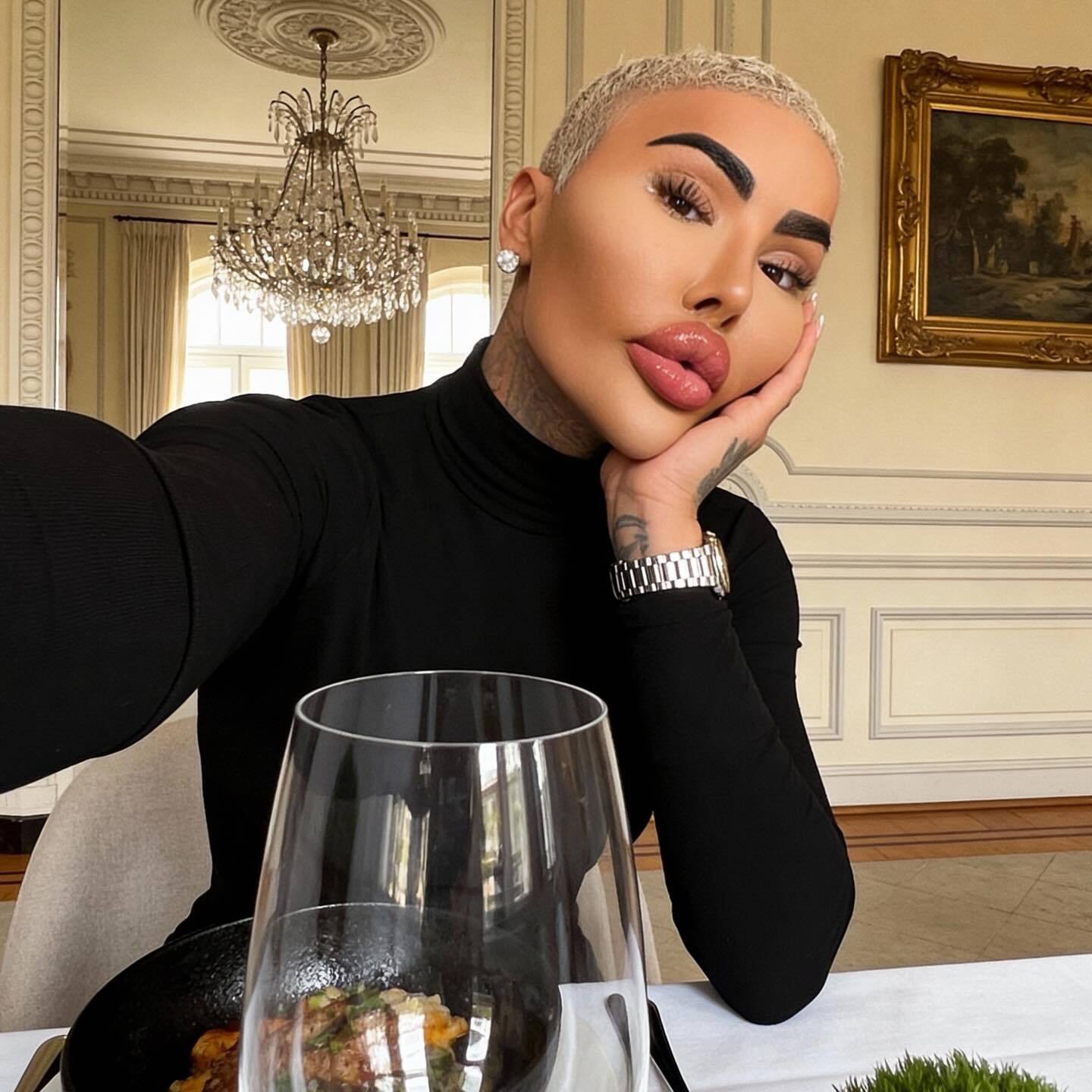
Image of Jordan James Parke, ‘The Lip King’
Patients fighting for their lives over cosmetic craze
Liquid BBLs are big-volume filler injections, often hyaluronic acid, pumped into the buttocks to add shape and size. They’re sold online as a fast, “non-invasive” alternative to surgery.
They typically cost £2,000 to £3,000. But if it goes wrong, it can kill.
Victoria Brownlie MBE, chief policy and sustainability officer at the British Beauty Council, says London is especially exposed.
“Twenty-five per cent of all beauty businesses in the UK are based in London,” she said.
“That’s fantastic, but it also means there’s a very high concentration of businesses operating there.”
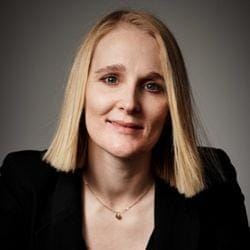
Victoria Brownlee MBE
Under the current rules, if it isn’t legally classed as surgery, there are no meaningful national checks on who’s allowed to do it.
Brownlie said it should only ever be carried out by the most senior healthcare professionals.
“This is a treatment which absolutely shouldn’t be undertaken by anyone other than a very senior healthcare practitioner,” she said. “The most reputable surgeons would not undertake a procedure like this because of the risks associated with it.”
And yet online it’s marketed like a quick fix. Something you can squeeze into your lunch break.
From Instagram to emergency care
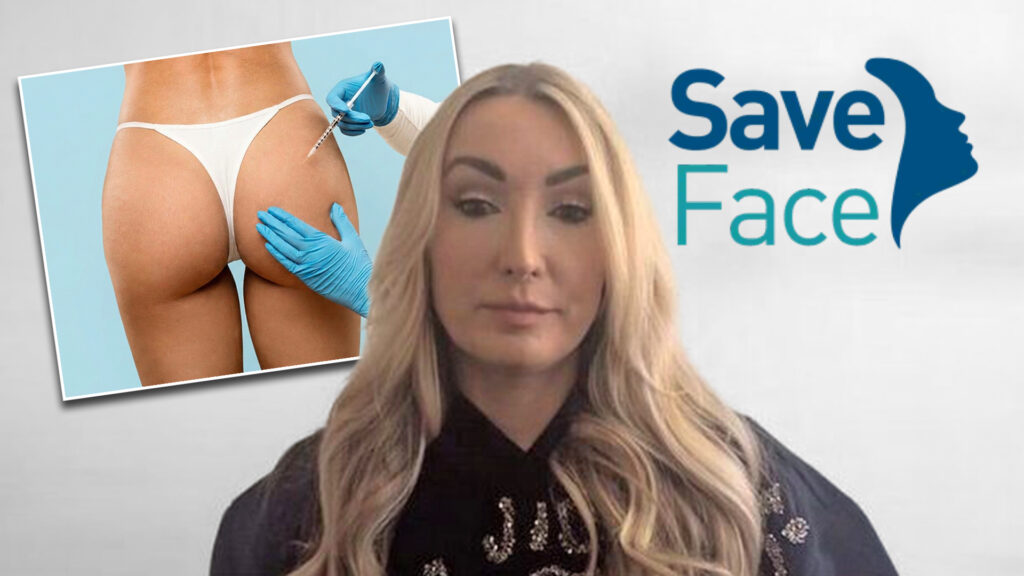
Save Face, the government-approved register for accredited cosmetic practitioners, says it has received nearly 1,000 patient complaints since 2023 linked to liquid BBLs.
More than half involved severe, life-threatening complications, including sepsis, necrosis, abscesses, cellulitis and filler migration.
Its director, Ashton Collins, said: “Some women didn’t make it through the night… families were called in to say goodbye.”
One woman suffered cardiac arrest and liver failure and was placed in an induced coma for a week. Another was told she had just a five per cent chance of survival after going into septic shock.
And Collins says the pattern is clear.
“In 100% of the cases we investigated, the practitioners had no healthcare qualifications.”
Ashton Collins told City News that 90% of patients reportedly found their practitioner on social media.
Save Face says every non-surgical BBL case it reviewed was carried out by an amateur. Under the current rules, many injectable procedures can legally be done by people with no formal medical training.
Collins describes a roaming, pop-up trade, with providers operating out of hotel conference rooms and moving city to city.
“You’d pay a hefty deposit. The location wouldn’t be disclosed until the morning. You’d have it done, and then they’re gone like a ghost.”
And because council enforcement stops at borough lines, Collins says practitioners can simply shift across London, or rebrand overnight under a new Instagram handle.
What happens next in London’s cosmetic “wild west”?
Save Face surveyed 2,215 healthcare professionals working in aesthetic medicine. Almost all of them, 99%, said they don’t offer non-surgical BBLs, citing serious safety concerns.
MPs are now looking at restricting liquid BBLs to properly qualified medical professionals, a move that could effectively amount to a ban.
Brownlie says it can’t wait.
“We hold our breath every time we hear of a new case, because we don’t want it to be another situation where someone has died.”
The British Association of Aesthetic Plastic Surgeons has warned the UK is “sitting on the edge of a public health catastrophe” if action isn’t taken.
But there’s still no confirmed date for any ban.
For now, bookings are still open. The Instagram ads are still running. And across London, high-risk injections are still happening behind closed doors, in hotel rooms and Airbnbs.
Submitted Article
Headline
Short Headline
Standfirst
Published Article
HeadlineLondon’s ‘Liquid BBL’ Boom Exposed: Why Experts Want It Banned
Short HeadlineInside London’s cosmetic “wild west”
StandfirstExperts say London’s “liquid BBL” boom is spiralling, with high-risk injections sold on social media. They warn the consequences of the procedures can be catastrophic
City News can reveal the scale of concern in the cosmetic industry following reports of liquid BBL procedures taking place in Airbnbs, hotel rooms, garden sheds, and even public toilets.
A quick scroll on Instagram, a direct message, a deposit sent. And just like that, you’ve booked a Brazilian Butt Lift – not in a hospital, but in a hotel room, a rented flat or in some cases even someone’s living room.
In September 2024, 33-year-old mother of five Alice Webb, from Gloucestershire, tragically died following a liquid BBL procedure.
Last October, a BBC investigation reported that Jordan James Parke, 34 – known online as the “British Lip King” – had been arrested on suspicion of manslaughter following Webb’s death. He has not been charged.
Parke himself died in mid February, intensifying scrutiny around the largely unregulated world of non-surgical filler procedures. For campaigners, the Lip King case symbolises how fast the industry has grown, and how little oversight exists.
Image of Jordan James Parke, ‘The Lip King’
Patients fighting for their lives over cosmetic craze
Liquid BBLs are big-volume filler injections, often hyaluronic acid, pumped into the buttocks to add shape and size. They’re sold online as a fast, “non-invasive” alternative to surgery.
They typically cost £2,000 to £3,000. But if it goes wrong, it can kill.
Victoria Brownlie MBE, chief policy and sustainability officer at the British Beauty Council, says London is especially exposed.
“Twenty-five per cent of all beauty businesses in the UK are based in London,” she said.
“That’s fantastic, but it also means there’s a very high concentration of businesses operating there.”
Victoria Brownlee MBE
Under the current rules, if it isn’t legally classed as surgery, there are no meaningful national checks on who’s allowed to do it.
Brownlie said it should only ever be carried out by the most senior healthcare professionals.
“This is a treatment which absolutely shouldn’t be undertaken by anyone other than a very senior healthcare practitioner,” she said. “The most reputable surgeons would not undertake a procedure like this because of the risks associated with it.”
And yet online it’s marketed like a quick fix. Something you can squeeze into your lunch break.
From Instagram to emergency care
Save Face, the government-approved register for accredited cosmetic practitioners, says it has received nearly 1,000 patient complaints since 2023 linked to liquid BBLs.
More than half involved severe, life-threatening complications, including sepsis, necrosis, abscesses, cellulitis and filler migration.
Its director, Ashton Collins, said: “Some women didn’t make it through the night… families were called in to say goodbye.”
One woman suffered cardiac arrest and liver failure and was placed in an induced coma for a week. Another was told she had just a five per cent chance of survival after going into septic shock.
And Collins says the pattern is clear.
“In 100% of the cases we investigated, the practitioners had no healthcare qualifications.”
Ashton Collins told City News that 90% of patients reportedly found their practitioner on social media.
Save Face says every non-surgical BBL case it reviewed was carried out by an amateur. Under the current rules, many injectable procedures can legally be done by people with no formal medical training.
Collins describes a roaming, pop-up trade, with providers operating out of hotel conference rooms and moving city to city.
“You’d pay a hefty deposit. The location wouldn’t be disclosed until the morning. You’d have it done, and then they’re gone like a ghost.”
And because council enforcement stops at borough lines, Collins says practitioners can simply shift across London, or rebrand overnight under a new Instagram handle.
What happens next in London’s cosmetic “wild west”?
Save Face surveyed 2,215 healthcare professionals working in aesthetic medicine. Almost all of them, 99%, said they don’t offer non-surgical BBLs, citing serious safety concerns.
MPs are now looking at restricting liquid BBLs to properly qualified medical professionals, a move that could effectively amount to a ban.
Brownlie says it can’t wait.
“We hold our breath every time we hear of a new case, because we don’t want it to be another situation where someone has died.”
The British Association of Aesthetic Plastic Surgeons has warned the UK is “sitting on the edge of a public health catastrophe” if action isn’t taken.
But there’s still no confirmed date for any ban.
For now, bookings are still open. The Instagram ads are still running. And across London, high-risk injections are still happening behind closed doors, in hotel rooms and Airbnbs.
A 2024 Freedom of Information request showed Bromley Council had £4.5 million invested in arms companies that year with £1.5 million reportedly linked to Israel.
Undercover officers raided three linked shops in Barking town centre, revealing how illicit tobacco is being hidden in walls, ceilings and nearby locations to evade detection.
More than 330,000 people across the UK sought support from the Stop It Now helpline in 2025 over concerns about their own or someone else’s online sexual behaviour towards children, according to new charity data. The anonymous service says contacts by phone, email and webchat rose significantly over the year.