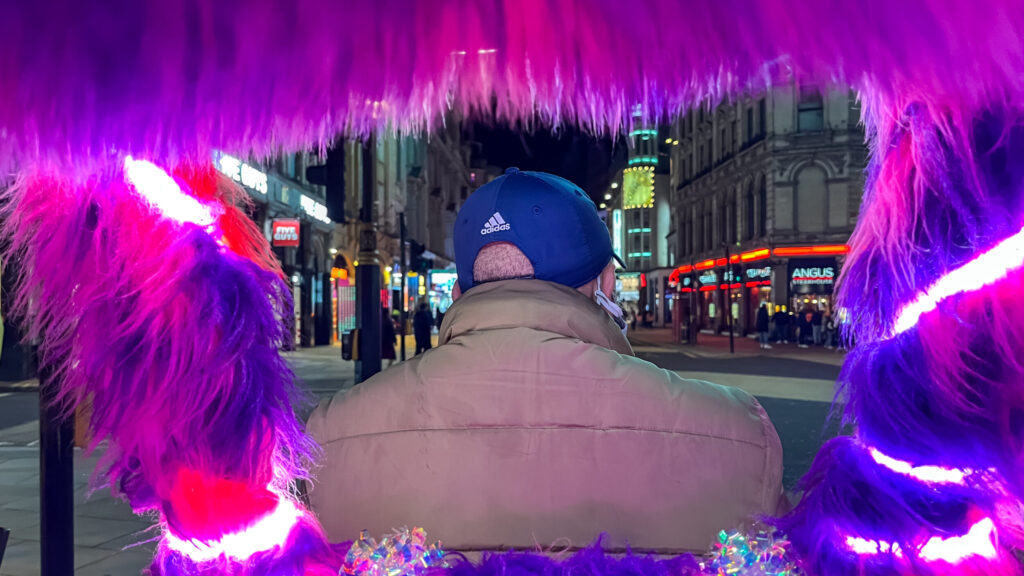
Soho’s streets could soon get quieter as Transport for London presses ahead with the biggest shake-up of pedicabs ever.
The new rules, under the Pedicabs (London) Act 2024, include a ban on loud music, stricter licensing, and a maximum fare, but have divided opinion among drivers and users of these notorious rickshaws.
Backed by Mayor of London Sadiq Khan, TfL says the aim is simple: fairer fares, safer rides and fewer complaints.
West End pedicab driver Zoltan Naggy supports the changes.
Zoltan Naggy
“This business needs to be cleaned,” he said. “There are so many good riders. Do not rip off people. Easy and simple.”
On capped fares, he is clear. “We need to build up trust. Tourists have been ripped off many times. If everybody knows we are working with the same prices, that is good for business.”
When asked whether the new rules would save the pedicab industry or kill business, Zoltan is pragmatic.
“Hopefully, it will be saved. With the licensing coming in, you will need to pass a few tests. I think a lot of drivers will leave. Only the good ones will stay. So, it is more than welcome.”
Will pedicab drivers lose money?
“I do not worry about losing money. As long as you are doing it the right way, money will come.”
And the music ban?
He draws a line at excess. “After 9 pm, if someone is sounding their speaker very, very loudly, that is the problem.”
But Zoltan believes that, amongst the regulations, one key issue has been missed. Parking.
“We cannot ride all day. This is a pedal-assisted pedicab. It is very hard to cycle. We need spaces where we can rest a little bit and wait for our clients.”
He argues that waiting on the streets is often branded as anti-social behaviour. “That can be fixed”.
For the first time, TfL will set a maximum pedicab charge. The proposed cap is £5 to start, £1 per minute and £3 per additional passenger. The decision follows years of overcharging.
TfL is also introducing mandatory licensing. From March 9, 2026, drivers will need a £114 licence, enhanced DBS checks, proof of English language ability. Drivers will need to show they understand the rules. Vehicles must pass safety checks and pay an annual fee.
The reforms will be rolled out in stages, with regulation of the industry in full swing by October 30th, 2026.
Then there’s the music.
Under the new rules, pedicabs will no longer be allowed to blast amplified sound systems as they pedal through Soho and the wider West End.
The word on the streets of Soho
Diya and Esha, from North London, welcome the price cap, calling it “really good” and saying it should mean fewer scams. They confessed to their previous reluctance to get on a rickshaw, with a fear of being ripped off.
But they admit the music is “part of the appeal”.
“The bright lights, the Taylor Swift, the reggae, the Bollywood music, it adds to the hustle and bustle,” Diya told us.
“If you do not hear it anymore, have we lost something? It’s a big part of London’s tourism.”
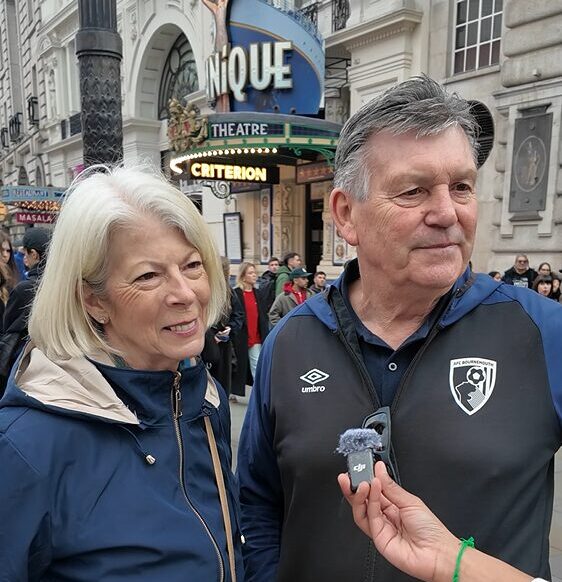
East Londoners Marie and Paul put it simply. The music cannot go. “It is not right.”
“Music is the soother. It makes people much calmer. It’s much better than not having it at all,” Paul told us.
Is this about making London safer? TfL says yes, and the new checks, capped fares and licensing rules point firmly in that direction.
But in making Soho safer, the crackdown may also quiet the soundtrack of one of London’s most famous tourist hubs.
Submitted Article
Headline
Short Headline
Standfirst
Published Article
HeadlineIs Soho being silenced? Pedicab regulations are on the move
Short Headline Pedicabs to face the music - TfL hits pedicabs with new rules.
StandfirstTfL cracks down on pedicab music and sky-high charges.
Soho’s streets could soon get quieter as Transport for London presses ahead with the biggest shake-up of pedicabs ever.
The new rules, under the Pedicabs (London) Act 2024, include a ban on loud music, stricter licensing, and a maximum fare, but have divided opinion among drivers and users of these notorious rickshaws.
Backed by Mayor of London Sadiq Khan, TfL says the aim is simple: fairer fares, safer rides and fewer complaints.
West End pedicab driver Zoltan Naggy supports the changes.
Zoltan Naggy
“This business needs to be cleaned,” he said. “There are so many good riders. Do not rip off people. Easy and simple.”
On capped fares, he is clear. “We need to build up trust. Tourists have been ripped off many times. If everybody knows we are working with the same prices, that is good for business.”
When asked whether the new rules would save the pedicab industry or kill business, Zoltan is pragmatic.
“Hopefully, it will be saved. With the licensing coming in, you will need to pass a few tests. I think a lot of drivers will leave. Only the good ones will stay. So, it is more than welcome.”
Will pedicab drivers lose money?
“I do not worry about losing money. As long as you are doing it the right way, money will come.”
And the music ban?
He draws a line at excess. “After 9 pm, if someone is sounding their speaker very, very loudly, that is the problem.”
But Zoltan believes that, amongst the regulations, one key issue has been missed. Parking.
“We cannot ride all day. This is a pedal-assisted pedicab. It is very hard to cycle. We need spaces where we can rest a little bit and wait for our clients.”
He argues that waiting on the streets is often branded as anti-social behaviour. “That can be fixed”.
For the first time, TfL will set a maximum pedicab charge. The proposed cap is £5 to start, £1 per minute and £3 per additional passenger. The decision follows years of overcharging.
TfL is also introducing mandatory licensing. From March 9, 2026, drivers will need a £114 licence, enhanced DBS checks, proof of English language ability. Drivers will need to show they understand the rules. Vehicles must pass safety checks and pay an annual fee.
The reforms will be rolled out in stages, with regulation of the industry in full swing by October 30th, 2026.
Then there’s the music.
Under the new rules, pedicabs will no longer be allowed to blast amplified sound systems as they pedal through Soho and the wider West End.
The word on the streets of Soho
Diya and Esha, from North London, welcome the price cap, calling it “really good” and saying it should mean fewer scams. They confessed to their previous reluctance to get on a rickshaw, with a fear of being ripped off.
But they admit the music is “part of the appeal”.
“The bright lights, the Taylor Swift, the reggae, the Bollywood music, it adds to the hustle and bustle,” Diya told us.
“If you do not hear it anymore, have we lost something? It’s a big part of London’s tourism.”
East Londoners Marie and Paul put it simply. The music cannot go. “It is not right.”
“Music is the soother. It makes people much calmer. It’s much better than not having it at all,” Paul told us.
Is this about making London safer? TfL says yes, and the new checks, capped fares and licensing rules point firmly in that direction.
But in making Soho safer, the crackdown may also quiet the soundtrack of one of London’s most famous tourist hubs.
A 2024 Freedom of Information request showed Bromley Council had £4.5 million invested in arms companies that year with £1.5 million reportedly linked to Israel.
Undercover officers raided three linked shops in Barking town centre, revealing how illicit tobacco is being hidden in walls, ceilings and nearby locations to evade detection.
More than 330,000 people across the UK sought support from the Stop It Now helpline in 2025 over concerns about their own or someone else’s online sexual behaviour towards children, according to new charity data. The anonymous service says contacts by phone, email and webchat rose significantly over the year.