Adverts are back on Euston’s main departure boards, after they were switched off in 2024 following a backlash over clutter and confusion.
Campaigners say the return risks sidelining wheelchair users and neurodivergent travellers, who rely on clear, predictable travel information in a station already notorious for overcrowding.
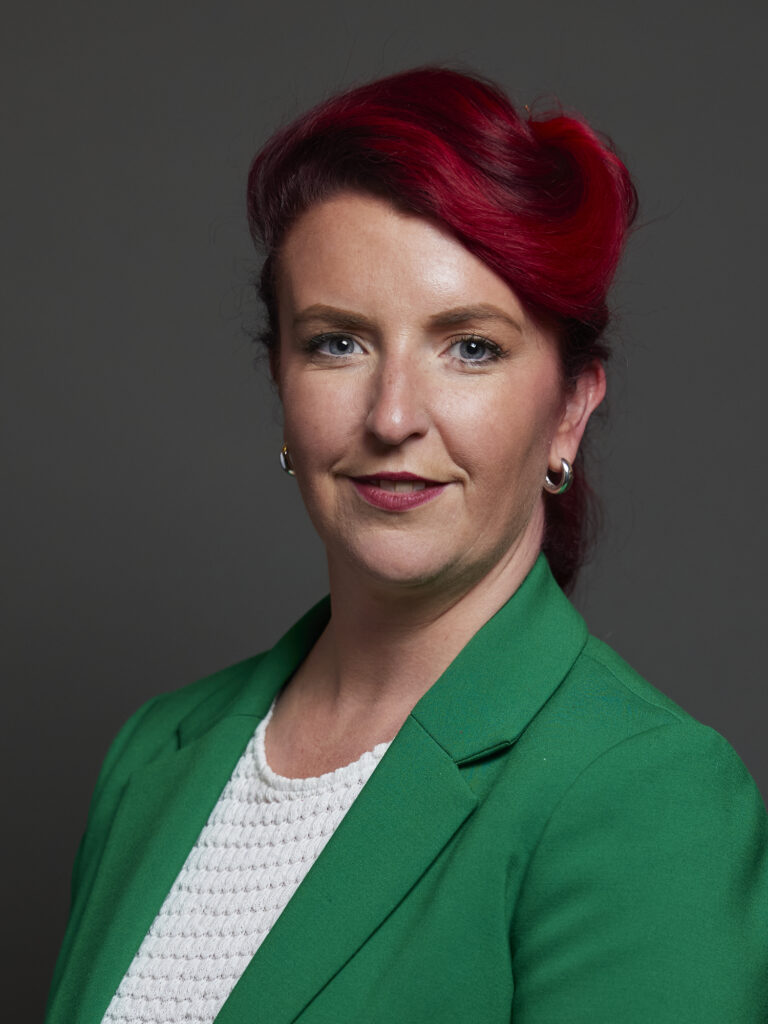
Former Transport Secretary Louise Haigh ordered the ads removed after concerns they were making screens harder to read and adding to visual confusion London TravelWatch previously warned passengers at Euston were being overwhelmed and put at risk by “high levels of overcrowding”.
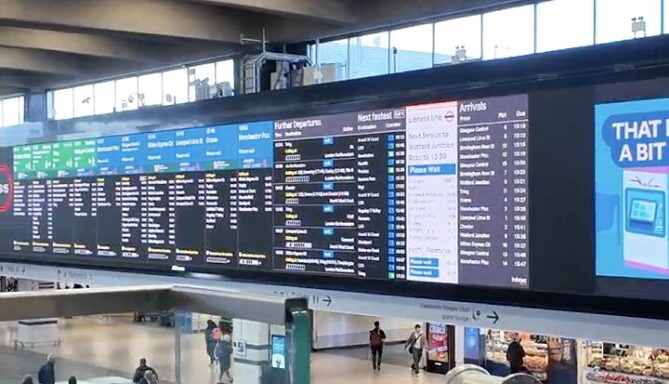
Now Network Rail has brought the adverts back, tucked into the corners of the screens, for a two-week trial that started on Monday.
Network Rail says it has listened to feedback and claims any future revenue “will be reinvested into improvements benefitting passengers”.
The public body told City News that they will monitor feedback on their X page, and speak to station staff and passengers about the accessibility of customer information.
Railfuture said it has “absolutely no concerns whatsoever about the visibility of travel information”, arguing adverts will be the “lowest of passenger concerns” while travelling.
Screenshot
Separately, Network Rail has promised upgrades to Euston’s customer service hub and customer seating.
Some passengers fear the ads will make a bad situation worse, adding to confusion for people who already struggle in crowds.
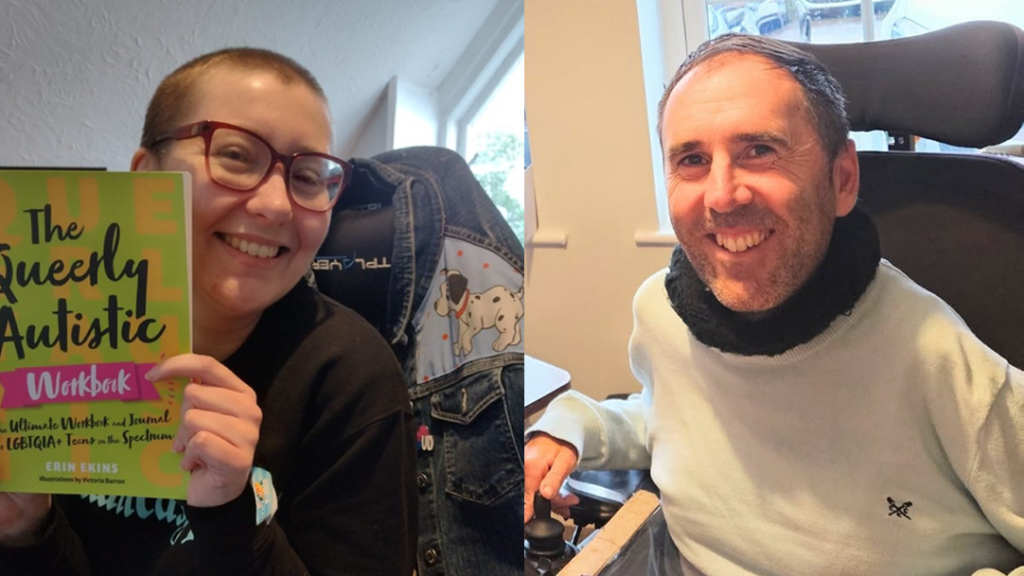
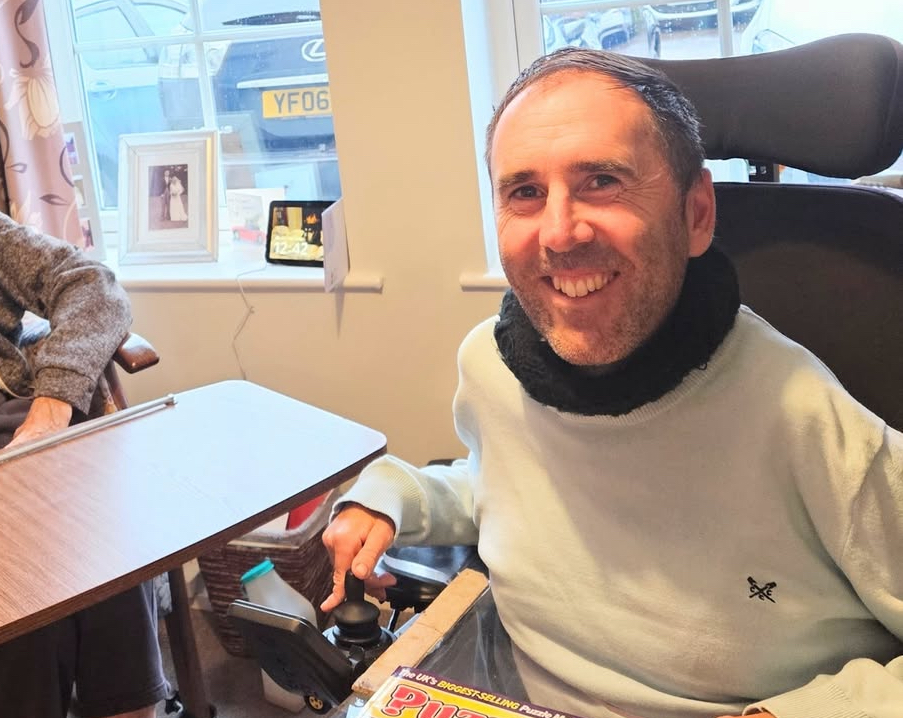
Martyn Sibley, founder of Purple Changemakers, told City News accessibility is about “clarity, dignity, and predictability in the travel experience”.
“When essential travel information is not clearly prioritised over advertising content, it can feel as though accessibility has been treated as secondary,” he said.
Sibley, a wheelchair user, said he needs extra time to move through busy stations and depends on key information being consistently placed and easy to read, without visual clutter.
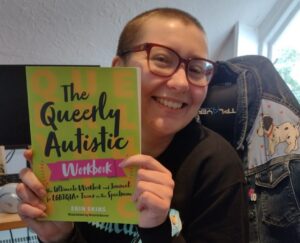
Neurodivergent author and campaigner Erin Ekins said she feels ignored by the decision to put ads back on the main screens.
As an autistic traveller, she told City News her commute improved significantly when the adverts were removed.
Credit: Erin Ekins, X
“Adverts are made to be paid attention to. They will be hard to ignore. I don’t know how that squares with a commitment to accessibility,” she said.
Network Rail says it has followed neurodivergence guidelines and will reduce the brightness of the advertising screens.
Submitted Article
Headline
Short Headline
Standfirst
Published Article
HeadlineCampaigners hit out: ‘Euston ads sideline disabled passengers’
Short HeadlineHas Euston’s ad screen left disabled travellers behind?
StandfirstCampaigners told City News they feel let down by the return of the station’s adverts, which were previously banned
Adverts are back on Euston’s main departure boards, after they were switched off in 2024 following a backlash over clutter and confusion.
Campaigners say the return risks sidelining wheelchair users and neurodivergent travellers, who rely on clear, predictable travel information in a station already notorious for overcrowding.
Former Transport Secretary Louise Haigh ordered the ads removed after concerns they were making screens harder to read and adding to visual confusion London TravelWatch previously warned passengers at Euston were being overwhelmed and put at risk by “high levels of overcrowding”.
Now Network Rail has brought the adverts back, tucked into the corners of the screens, for a two-week trial that started on Monday.
Network Rail says it has listened to feedback and claims any future revenue “will be reinvested into improvements benefitting passengers”.
The public body told City News that they will monitor feedback on their X page, and speak to station staff and passengers about the accessibility of customer information.
Railfuture said it has “absolutely no concerns whatsoever about the visibility of travel information”, arguing adverts will be the “lowest of passenger concerns” while travelling.
Screenshot
Separately, Network Rail has promised upgrades to Euston’s customer service hub and customer seating.
Some passengers fear the ads will make a bad situation worse, adding to confusion for people who already struggle in crowds.
Martyn Sibley, founder of Purple Changemakers, told City News accessibility is about “clarity, dignity, and predictability in the travel experience”.
“When essential travel information is not clearly prioritised over advertising content, it can feel as though accessibility has been treated as secondary,” he said.
Sibley, a wheelchair user, said he needs extra time to move through busy stations and depends on key information being consistently placed and easy to read, without visual clutter.
Neurodivergent author and campaigner Erin Ekins said she feels ignored by the decision to put ads back on the main screens.
As an autistic traveller, she told City News her commute improved significantly when the adverts were removed.
Credit: Erin Ekins, X
“Adverts are made to be paid attention to. They will be hard to ignore. I don’t know how that squares with a commitment to accessibility,” she said.
Network Rail says it has followed neurodivergence guidelines and will reduce the brightness of the advertising screens.
A 2024 Freedom of Information request showed Bromley Council had £4.5 million invested in arms companies that year with £1.5 million reportedly linked to Israel.
Undercover officers raided three linked shops in Barking town centre, revealing how illicit tobacco is being hidden in walls, ceilings and nearby locations to evade detection.
More than 330,000 people across the UK sought support from the Stop It Now helpline in 2025 over concerns about their own or someone else’s online sexual behaviour towards children, according to new charity data. The anonymous service says contacts by phone, email and webchat rose significantly over the year.