Health officials investigate clusters of Legionnaires’ disease cases in parts of London
The UK Health Security Agency has confirmed cases of the water-borne disease in parts of North-West and South-West London but are yet to identify a source.
Health authorities are investigating a rise in cases of Legionnaires’ disease linked to areas of north-west and south-west London.
The UK Health Security Agency (UKHSA) confirmed it is examining several infections to determine whether they are connected and to identify a possible source. Investigators are interviewing patients and their families to reconstruct recent movements and identify locations that may link the cases.
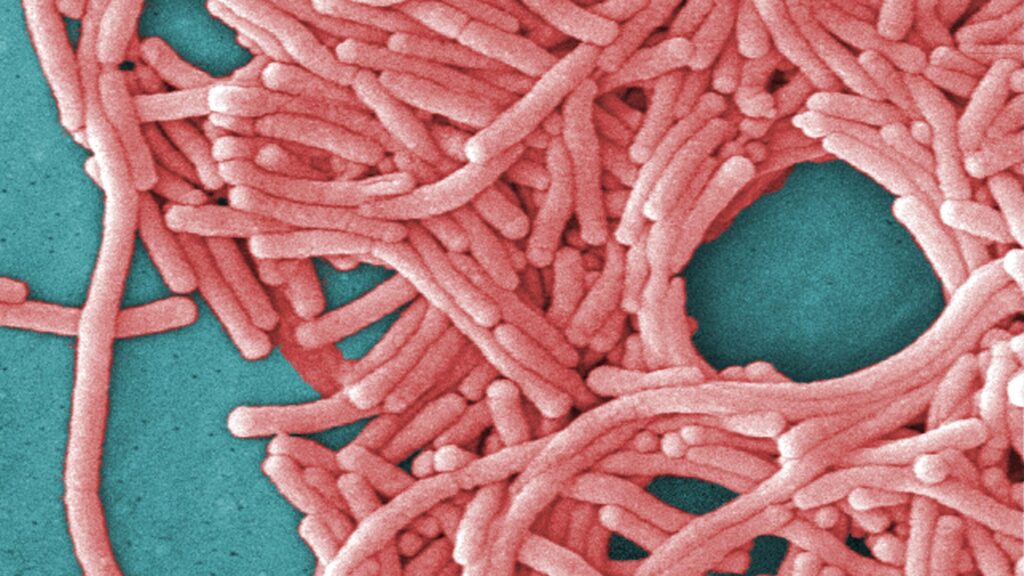
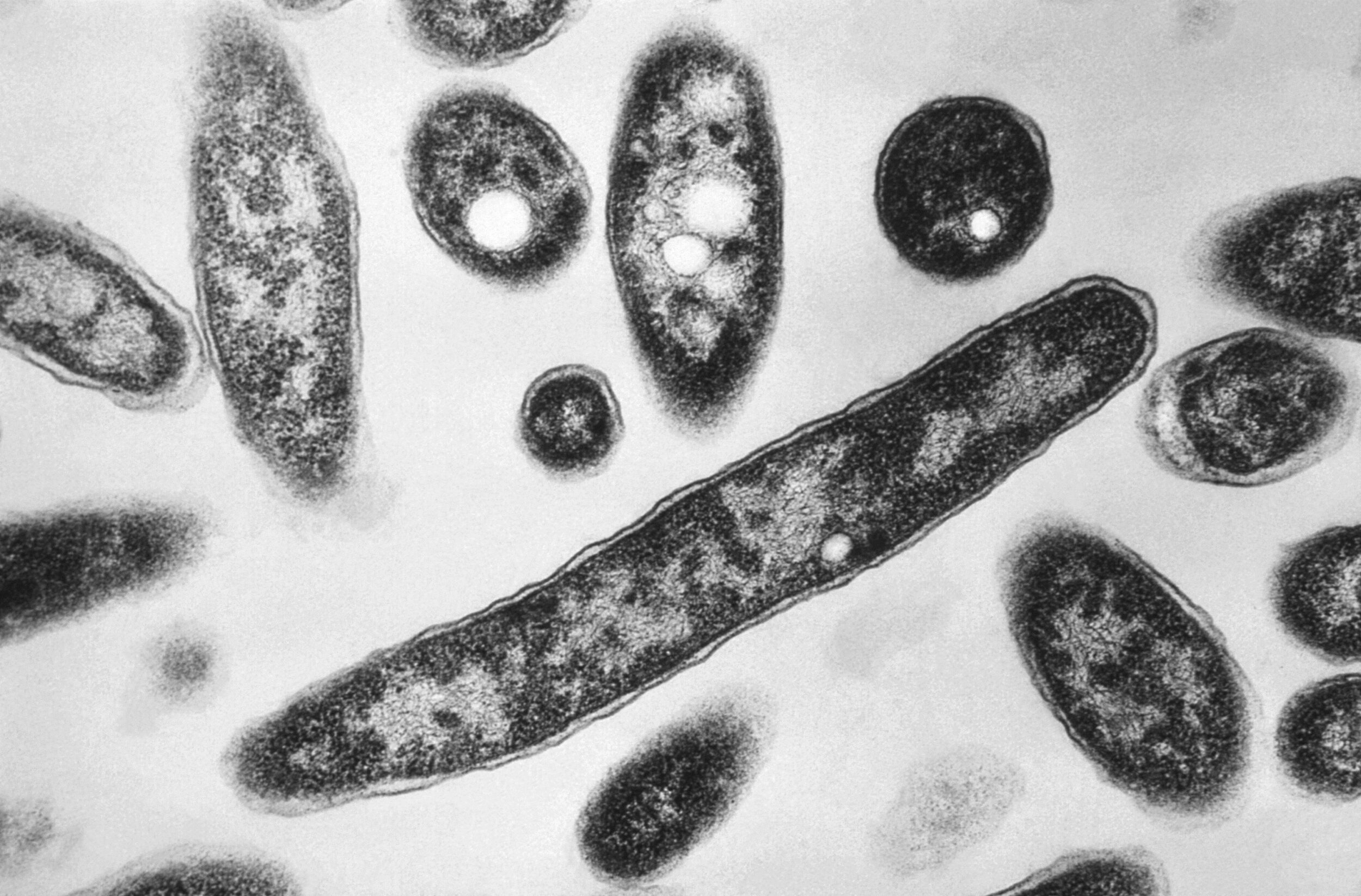
Legionnaires’ disease is a serious lung infection caused by inhaling microscopic water droplets contaminated with Legionella bacteria. It typically requires hospital treatment but is usually treated successfully with antibiotics.
The bacteria can develop in large water systems where conditions allow it to multiply. Common sources include poorly maintained air conditioning units, cooling towers, showers and plumbing systems where water has stagnated.
CREDIT: ASSOCIATED PRESS
Dr Janice Lo, a consultant in health protection at UKHSA London, said that while investigations are ongoing, no common source has yet been confirmed.
“Legionella bacteria are widespread in the environment and can multiply in large building water systems,” she said. “It is important that these systems are properly maintained and regularly tested to prevent bacteria levels rising and posing a risk to health.”
The wider risk to the public is considered low because the illness does not normally spread between people.
Typical symptoms resemble severe flu and include fever, headaches, fatigue, muscle aches and a persistent dry cough. Health officials advise anyone experiencing these symptoms to seek advice through NHS 111 or their GP.
Around 300 cases of Legionnaires’ disease are recorded each year across England and Wales. The infection most often affects people over 50 and those with underlying health conditions. While the illness can be serious, with fatality rates estimated at around 10%, outbreaks remain relatively uncommon.
London has experienced several notable incidents involving the bacteria in the past. In 1989, a cluster of cases in central London was traced to poorly maintained cooling towers near Piccadilly Circus, prompting stricter inspection rules for water systems. More recently, isolated cases have occasionally been linked to residential buildings where contaminated plumbing systems were identified.
Local authorities continue to stress that proper maintenance of water systems remains the most effective defence. Hammersmith and Fulham Council has previously warned that water left standing in pipes, particularly in unused buildings or closed premises, can allow Legionella bacteria to grow, increasing the risk when systems are restarted.
Health officials say investigations into the current London cases are ongoing.
Submitted Article
Headline
Short Headline
Standfirst
Published Article
HeadlineHealth officials investigate clusters of Legionnaires’ disease cases in parts of London
Short HeadlineOfficials investigate Legionnaires’ disease in parts of London
StandfirstThe UK Health Security Agency has confirmed cases of the water-borne disease in parts of North-West and South-West London but are yet to identify a source.
Health authorities are investigating a rise in cases of Legionnaires’ disease linked to areas of north-west and south-west London.
The UK Health Security Agency (UKHSA) confirmed it is examining several infections to determine whether they are connected and to identify a possible source. Investigators are interviewing patients and their families to reconstruct recent movements and identify locations that may link the cases.
Legionnaires’ disease is a serious lung infection caused by inhaling microscopic water droplets contaminated with Legionella bacteria. It typically requires hospital treatment but is usually treated successfully with antibiotics.
The bacteria can develop in large water systems where conditions allow it to multiply. Common sources include poorly maintained air conditioning units, cooling towers, showers and plumbing systems where water has stagnated.
CREDIT: ASSOCIATED PRESS
Dr Janice Lo, a consultant in health protection at UKHSA London, said that while investigations are ongoing, no common source has yet been confirmed.
“Legionella bacteria are widespread in the environment and can multiply in large building water systems,” she said. “It is important that these systems are properly maintained and regularly tested to prevent bacteria levels rising and posing a risk to health.”
The wider risk to the public is considered low because the illness does not normally spread between people.
Typical symptoms resemble severe flu and include fever, headaches, fatigue, muscle aches and a persistent dry cough. Health officials advise anyone experiencing these symptoms to seek advice through NHS 111 or their GP.
Around 300 cases of Legionnaires’ disease are recorded each year across England and Wales. The infection most often affects people over 50 and those with underlying health conditions. While the illness can be serious, with fatality rates estimated at around 10%, outbreaks remain relatively uncommon.
London has experienced several notable incidents involving the bacteria in the past. In 1989, a cluster of cases in central London was traced to poorly maintained cooling towers near Piccadilly Circus, prompting stricter inspection rules for water systems. More recently, isolated cases have occasionally been linked to residential buildings where contaminated plumbing systems were identified.
Local authorities continue to stress that proper maintenance of water systems remains the most effective defence. Hammersmith and Fulham Council has previously warned that water left standing in pipes, particularly in unused buildings or closed premises, can allow Legionella bacteria to grow, increasing the risk when systems are restarted.
Health officials say investigations into the current London cases are ongoing.
A 2024 Freedom of Information request showed Bromley Council had £4.5 million invested in arms companies that year with £1.5 million reportedly linked to Israel.
Undercover officers raided three linked shops in Barking town centre, revealing how illicit tobacco is being hidden in walls, ceilings and nearby locations to evade detection.
More than 330,000 people across the UK sought support from the Stop It Now helpline in 2025 over concerns about their own or someone else’s online sexual behaviour towards children, according to new charity data. The anonymous service says contacts by phone, email and webchat rose significantly over the year.