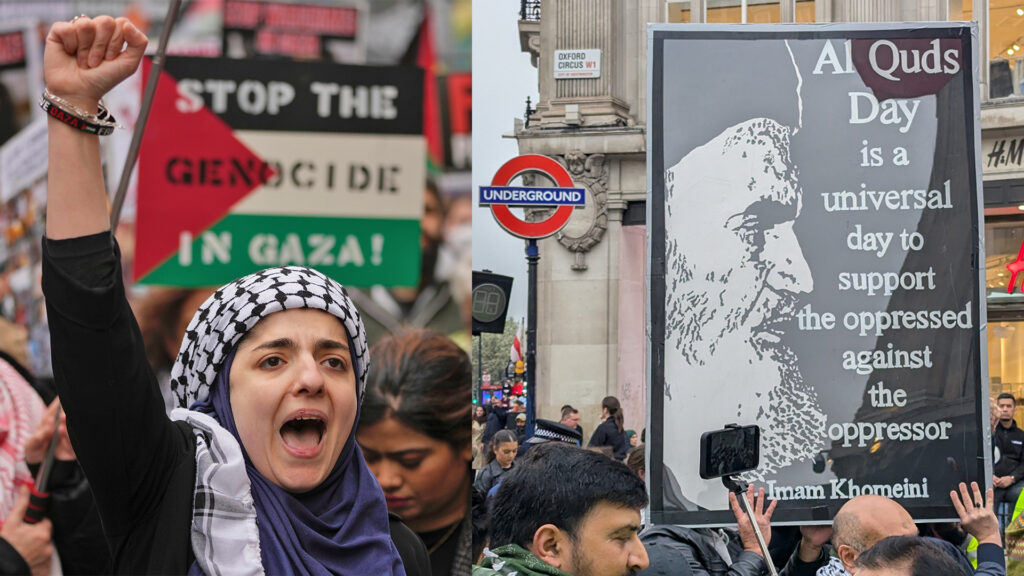
The controversial annual event held to show support for Palestine and known as the al-Quds rally has been banned though organisers are charging ahead with a static demonstration on Sunday instead. But why is it so inflammatory and why is it the first to be outlawed in almost 15 years?
The announcement from the Home Secretary came after dozens of MPs voiced their support for banning the march and a request was made by the Metropolitan Police.
The Met said that the march raises ‘unique risks and challenges’ in reference to the ‘volatile situation in the Middle East’ and that there was risk of ‘messiness’.
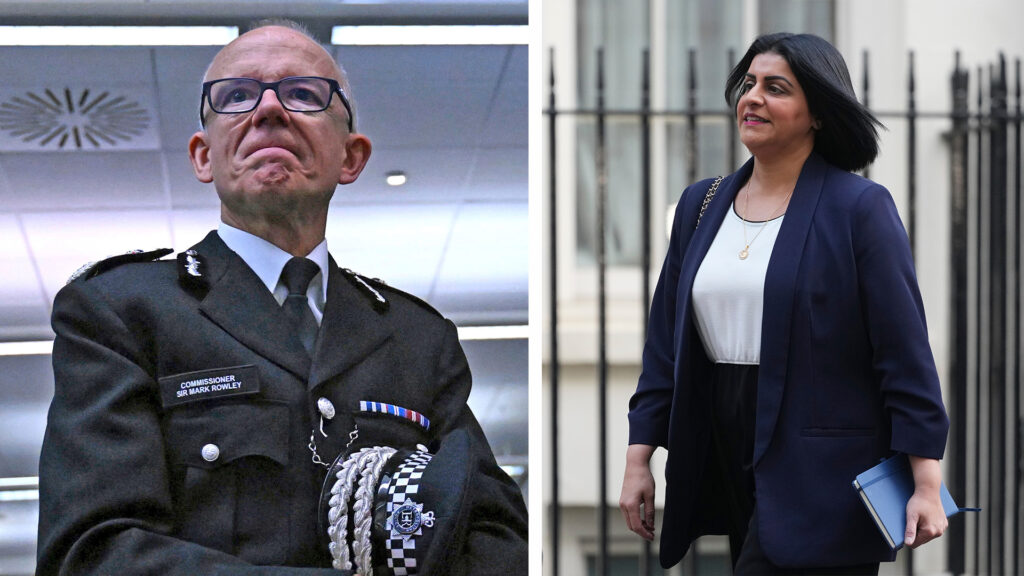
Shabana Mahmood said on announcing her decision to ban the rally that there is a ‘greater potential for conflict” given the ongoing war in Iran.
In London, the Islamic Human Rights Committee (IHRC) says that the rally is organised by the UK al-Quds Committee although the IHRC do play a prominent role.
On their Instagram, the IHRC have said that they ‘strongly condemn’ the decision to ban and has said it will seek legal advice adding that the ‘decision will not go unchallenged’.
The IHRC went on to say: ‘this is a politically charged decision; not one taken for the security of the people of London.’
The Met Commissioner, Sir Mark Rowley, has emphasised that the action taken to ban a rally is not common and that this is the first time since 2012 that it has taken place- that was for a British Nationalist Party planned event.
Sir Mark Rowley also highlighted that the issue is not just about the al-Quds protesters as he said ‘the counter protests are looking equally tricky’ when explaining why the Met requested the step from the Home Secretary.
Shabana Mahmood approved a Metropolitan Police request on Tuesday evening to ban the annual Al Quds Day march due to take place in London on Sunday. Credit: AP
What is the al-Quds rally?
The al-Quds march is an annual event that first took place in 1979 after the Iranian revolution by Ayatollah Ruhollah Khomeini, Iran’s first supreme leader.
The rally usually happens on the final Friday of Ramadan and takes place globally. The name al-Quds comes from the Arabic name for Jerusalem.
In previous years, participants have flown flags for the Lebanese militant group Hezbollah and the Israeli flag has also been burned.
The Met says that arrests have previously been made for supporting terrorist organisations and for anti-semitic crimes. Counter protests also take place alongside the rally. Organisers of the event have also received criticism for supporting Iran’s leader Ayatollah Ali Khamenei.
I have approved the Metropolitan Police’s request to ban the Al Quds march.
I am satisfied doing so is necessary to prevent serious public disorder, due to the scale of the protest and multiple counter-protests, in the context of the ongoing conflict in the Middle East.
A legal loophole means that the IHRC are able to hold the event but as a stationary demonstration and they have said preparations will continue.
Lord Walney, the former independent adviser on political violence, says that ‘it was the right decision to ban this due to the risk of serious disorder, but it’s not clear how that risk would be substantially lessened if they go ahead with a static protest’.
But the Home Secretary also said that she expects ‘to see the full force of the law applied to anyone spreading hatred and division instead of exercising their right to peaceful protest’.
HeadlineMarch madness: Home Secretary blocks al-Quds march after police warn of ‘violence’
Short HeadlineMarching orders: al-Quds march banned
StandfirstThe annual pro-Palestinian al-Quds rally has been banned by the Home Office, but a Sunday showdown in London still looms
The controversial annual event held to show support for Palestine and known as the al-Quds rally has been banned though organisers are charging ahead with a static demonstration on Sunday instead. But why is it so inflammatory and why is it the first to be outlawed in almost 15 years?
The announcement from the Home Secretary came after dozens of MPs voiced their support for banning the march and a request was made by the Metropolitan Police.
The Met said that the march raises ‘unique risks and challenges’ in reference to the ‘volatile situation in the Middle East’ and that there was risk of ‘messiness’.
Shabana Mahmood said on announcing her decision to ban the rally that there is a ‘greater potential for conflict” given the ongoing war in Iran.
In London, the Islamic Human Rights Committee (IHRC) says that the rally is organised by the UK al-Quds Committee although the IHRC do play a prominent role.
On their Instagram, the IHRC have said that they ‘strongly condemn’ the decision to ban and has said it will seek legal advice adding that the ‘decision will not go unchallenged’.
The IHRC went on to say: ‘this is a politically charged decision; not one taken for the security of the people of London.’
The Met Commissioner, Sir Mark Rowley, has emphasised that the action taken to ban a rally is not common and that this is the first time since 2012 that it has taken place- that was for a British Nationalist Party planned event.
Sir Mark Rowley also highlighted that the issue is not just about the al-Quds protesters as he said ‘the counter protests are looking equally tricky’ when explaining why the Met requested the step from the Home Secretary.
Shabana Mahmood approved a Metropolitan Police request on Tuesday evening to ban the annual Al Quds Day march due to take place in London on Sunday. Credit: AP
What is the al-Quds rally?
The al-Quds march is an annual event that first took place in 1979 after the Iranian revolution by Ayatollah Ruhollah Khomeini, Iran’s first supreme leader.
The rally usually happens on the final Friday of Ramadan and takes place globally. The name al-Quds comes from the Arabic name for Jerusalem.
In previous years, participants have flown flags for the Lebanese militant group Hezbollah and the Israeli flag has also been burned.
The Met says that arrests have previously been made for supporting terrorist organisations and for anti-semitic crimes. Counter protests also take place alongside the rally. Organisers of the event have also received criticism for supporting Iran’s leader Ayatollah Ali Khamenei.
I have approved the Metropolitan Police’s request to ban the Al Quds march.
I am satisfied doing so is necessary to prevent serious public disorder, due to the scale of the protest and multiple counter-protests, in the context of the ongoing conflict in the Middle East.
A legal loophole means that the IHRC are able to hold the event but as a stationary demonstration and they have said preparations will continue.
Lord Walney, the former independent adviser on political violence, says that ‘it was the right decision to ban this due to the risk of serious disorder, but it’s not clear how that risk would be substantially lessened if they go ahead with a static protest’.
But the Home Secretary also said that she expects ‘to see the full force of the law applied to anyone spreading hatred and division instead of exercising their right to peaceful protest’.
A 2024 Freedom of Information request showed Bromley Council had £4.5 million invested in arms companies that year with £1.5 million reportedly linked to Israel.
Undercover officers raided three linked shops in Barking town centre, revealing how illicit tobacco is being hidden in walls, ceilings and nearby locations to evade detection.
More than 330,000 people across the UK sought support from the Stop It Now helpline in 2025 over concerns about their own or someone else’s online sexual behaviour towards children, according to new charity data. The anonymous service says contacts by phone, email and webchat rose significantly over the year.